
Last updated October 30, 2026
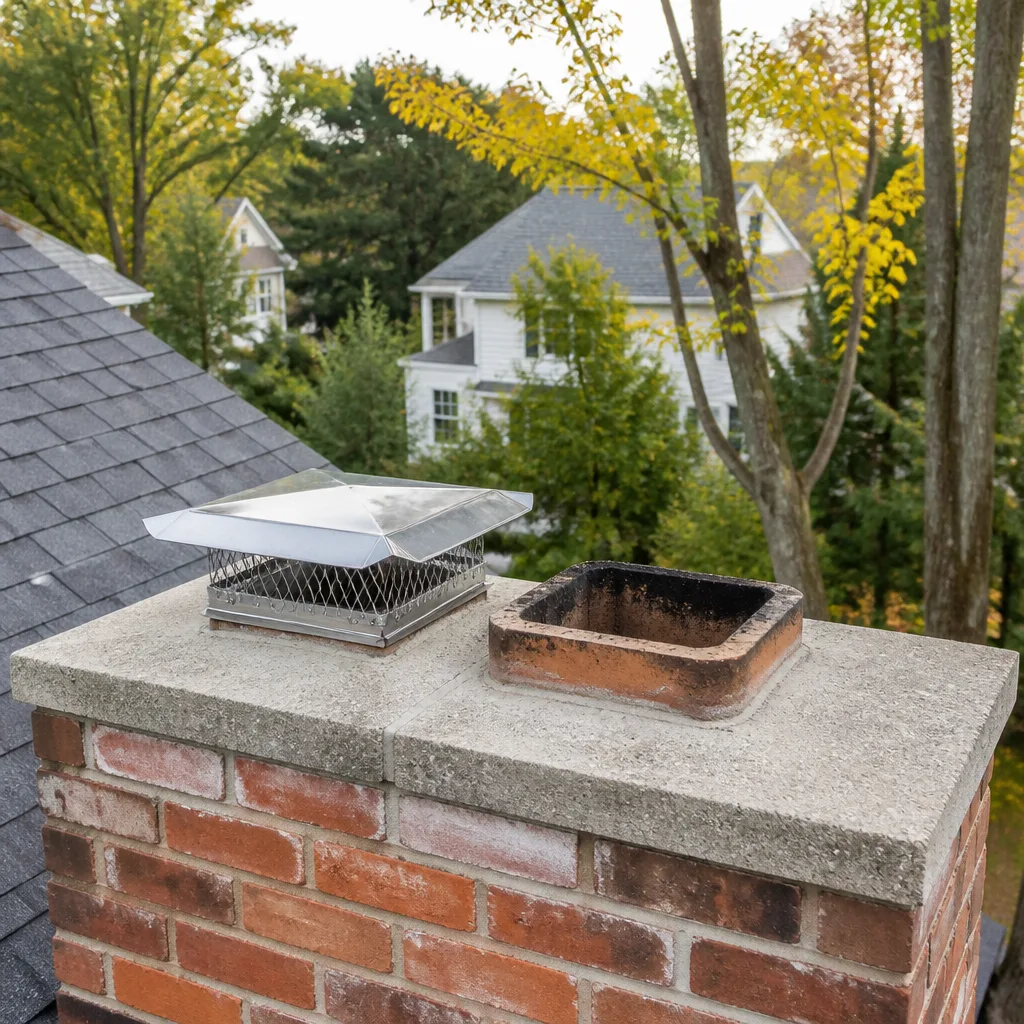 Sweep & inspection
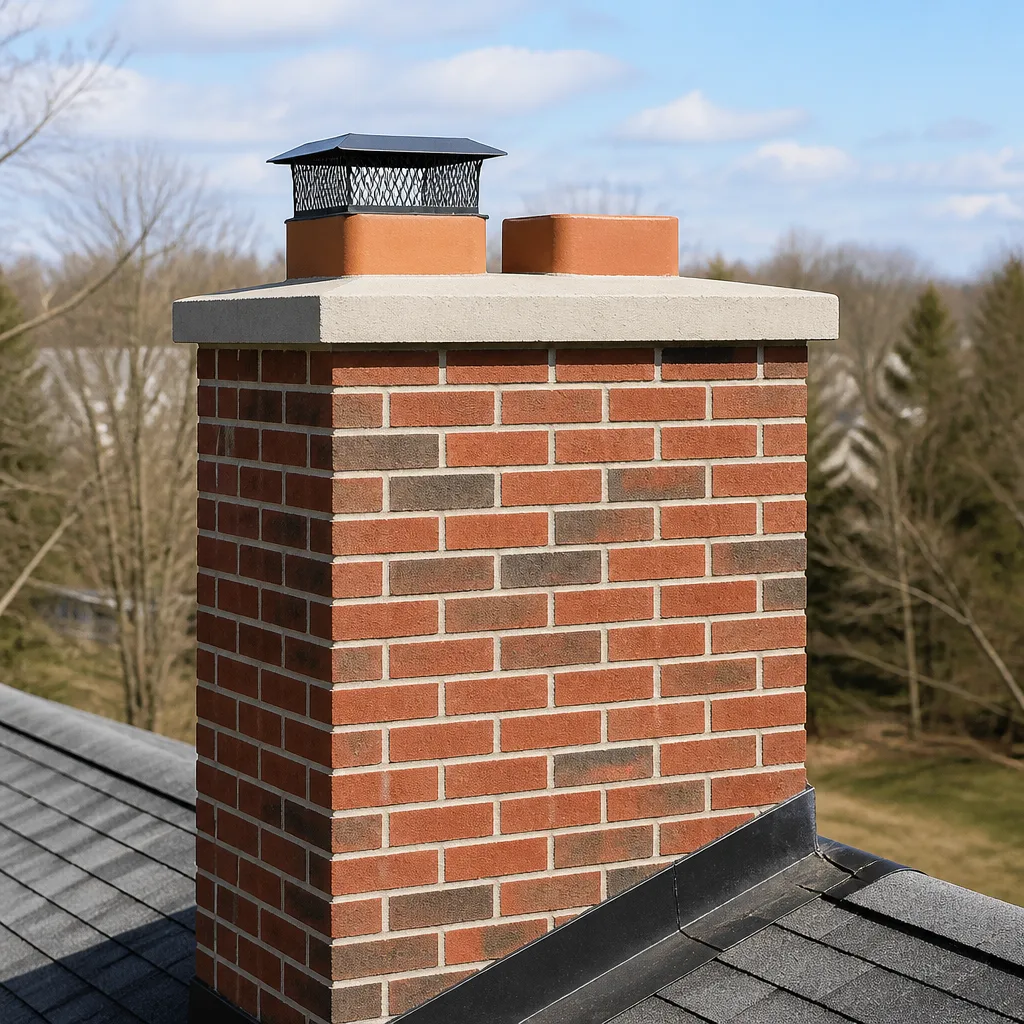 Caps & crowns
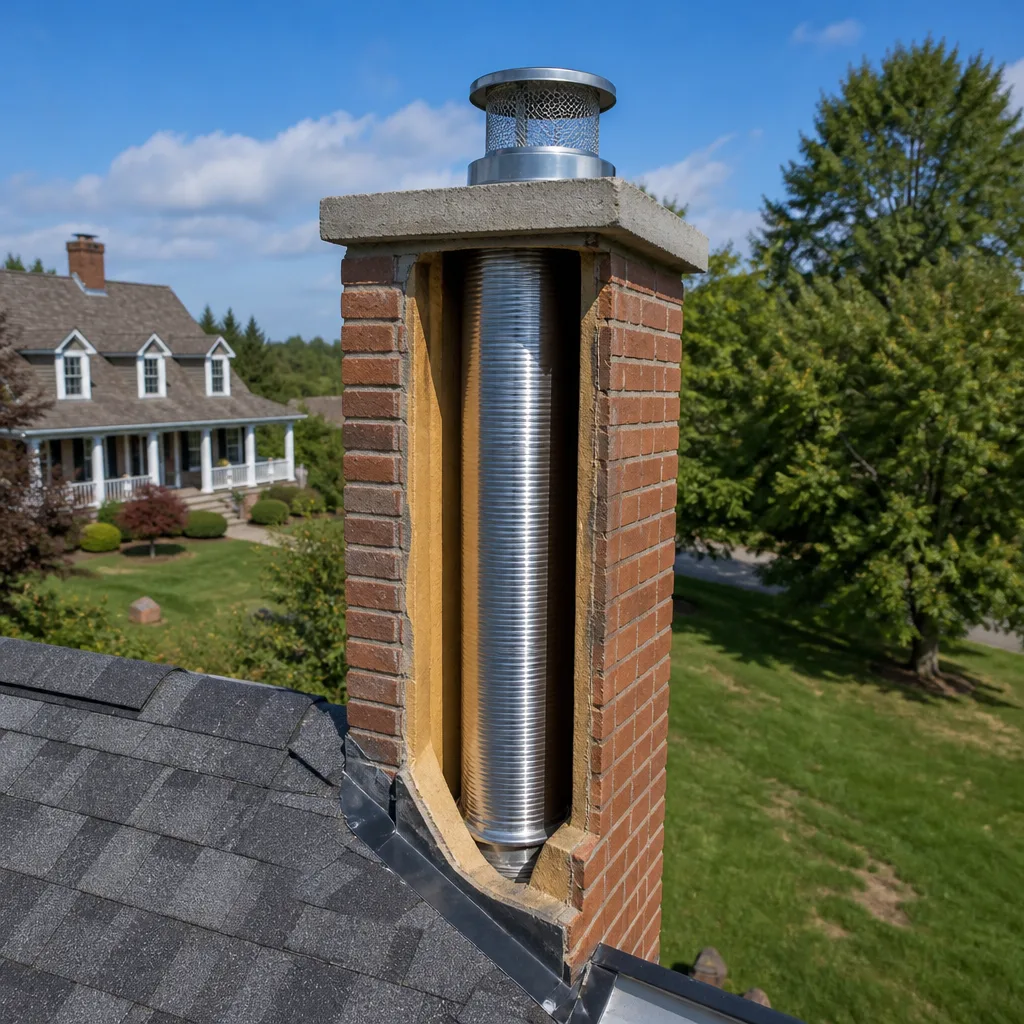 Flue relining
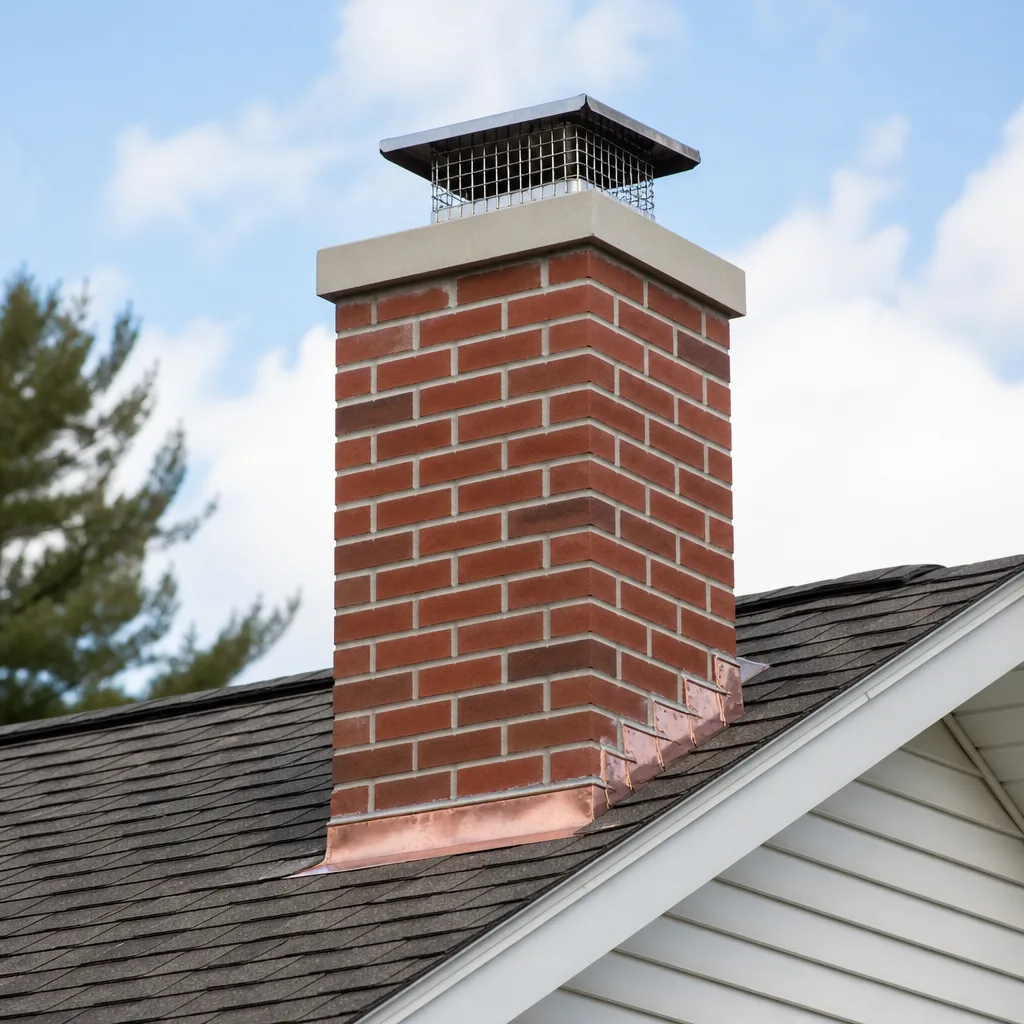 Masonry repair
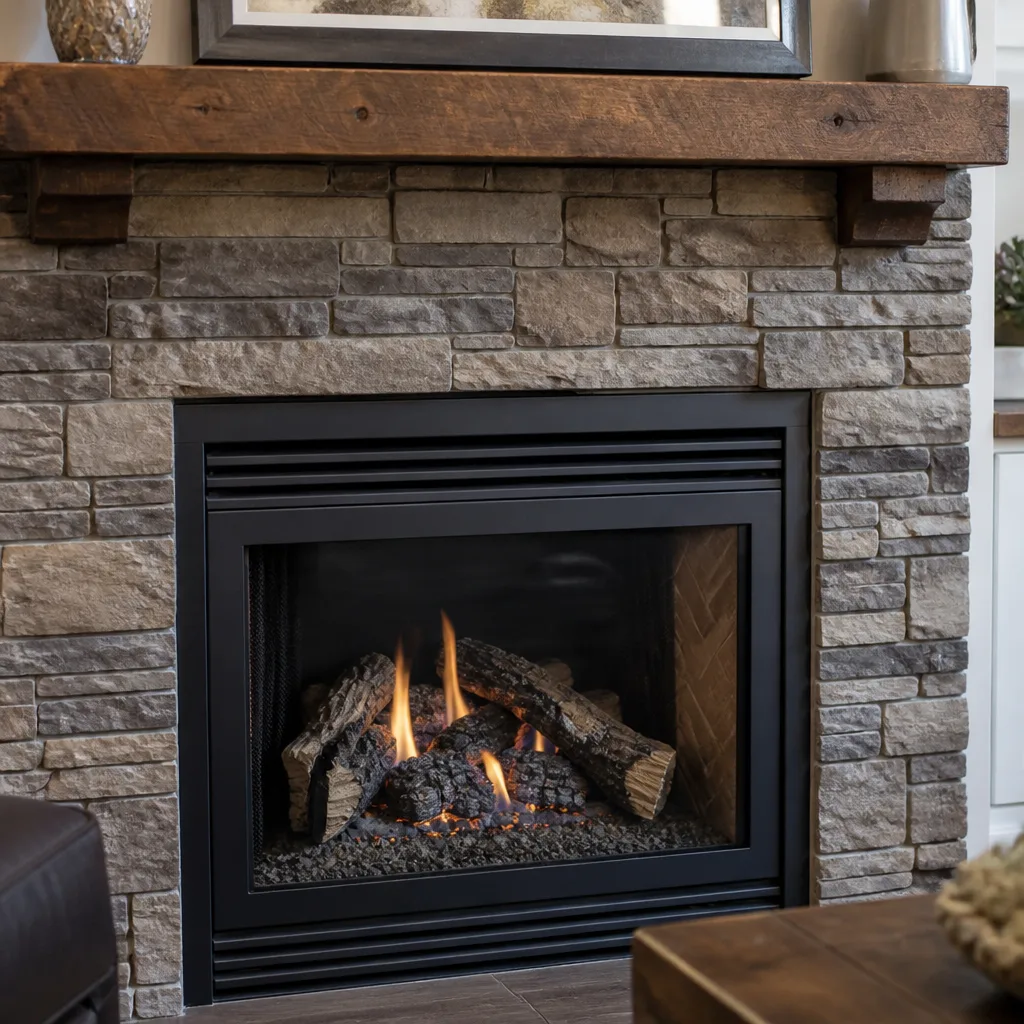 Gas fireplace service
Level 1 sweep and inspection to the NFPA 211 annual standard - flue, crown, cap, and flashing checked and photographed
Chimney sweep logs do not sweep chimneys. They loosen some creosote - which then falls where a brush and vacuum still have to collect it.
Chimney Cleaning Permits, Codes & Inspections in CA: What You Need to Know
A chimney cleaning doesn’t trigger a permit in California. That surprises most Hollywood homeowners, because nearly everything else in this city seems to require a sign-off from somebody. But here’s the counterintuitive part: the cleaning itself is exempt, while the repair work that often follows an inspection is regularly not. If your sweep finds a cracked flue liner in a 1960s Hollywood Hills fireplace and recommends relining, you’ve crossed from maintenance into construction, and LAMC Section 91.0105 says that requires a permit. Most people don’t learn this until an escrow officer or insurance underwriter flags it years later. This guide maps exactly where that line falls, what California and Los Angeles actually enforce, and how to avoid inheriting a liability problem you didn’t know you had. For more guides & resources, see our blog.
Styles & brands we work with
Quick Answer
Routine chimney sweeping, firebox cleaning, and minor cosmetic repairs do not require a permit anywhere in California. However, structural chimney repairs, flue relining, crown replacement, and gas log conversions generally do, particularly in Los Angeles under LAMC Section 91.0105, and unpermitted work can surface during home sales and insurance claims. If you’re in doubt, the test is simple: a permit is required when the work changes the chimney’s structure, its ventilation path, or its fuel type.
Table of Contents
- Which Chimney Tasks Are Permit-Exempt in California
- Which Chimney Repairs Require a Permit in Los Angeles
- How California Title 24 Intersects With Fireplace and Damper Work
- What LAFD Inspections Cover for Wood-Burning vs. Gas Fireplaces
- The Unpermitted Chimney Repair Problem: Insurance, Sales, and What to Do
- How to Pull a Chimney-Related Permit in Los Angeles: Steps, Fees, Final Sign-Off
- Common Mistakes to Avoid
- When to Call a Professional
- Frequently Asked Questions
- The Bottom Line
Which Chimney Tasks Are Permit-Exempt in California
California building code draws a clean line between maintenance and construction, and most routine chimney work falls on the maintenance side of it. A standard chimney sweep, where a technician brushes creosote and soot from the flue, vacuums the smoke chamber, and removes debris from the firebox, requires no permit anywhere in the state. For a full breakdown of routine tasks, see our Chimney Sweep Maintenance Checklist for Hollywood Homeowners. That includes Hollywood, where the bulk of our service calls are exactly this: a homeowner with a wood-burning fireplace who hasn’t had the flue cleaned in several seasons and wants it done before winter.
Minor firebox repairs also stay permit-exempt. Repointing a few loose firebricks, sealing small gaps with refractory mortar, or replacing a damaged damper plate, these are considered maintenance because they don’t alter the chimney’s structure or change how it vents. The key phrase in the code is “like for like.” If you’re replacing a component with an equivalent component and not changing the system’s design, no permit is needed.
Here’s the practical list of what you can do without pulling a permit in Los Angeles:
- Chimney sweeping and flue cleaning – mechanical brushing, rotary cleaning, creosote removal, and debris extraction
- Firebox cleaning and minor refractory repair – patching small mortar joints, replacing individual firebricks
- Damper plate replacement – swapping a worn damper for a new one of the same type and size
- Chimney cap installation – adding or replacing a cap to keep rain and animals out
- Smoke chamber parging – smoothing the transition area between firebox and flue with refractory mortar
What all of these have in common: none of them change the chimney’s structural envelope, its load path, or its venting configuration. They’re restorative, not transformative. A homeowner in Beachwood Canyon can have a sweep out on a Tuesday, get the firebox patched and the flue brushed, and be done. Same for Los Feliz, Hancock Park, or anywhere else in the city. The moment the scope of work moves past restoration, you’re in different territory.
Which Chimney Repairs Require a Permit in Los Angeles
Los Angeles Municipal Code Section 91.0105 is explicit: no person shall construct, enlarge, alter, repair, move, demolish, or change the occupancy of a building or structure without first obtaining a permit from the Department of Building and Safety. The word “repair” is doing a lot of work there, and LADBS interprets it to include any chimney work that modifies structure, venting, or fuel configuration.
In practice, here’s what requires a permit in Hollywood:
Flue Relining
If an inspection reveals cracked clay tiles or a deteriorated flue liner, and the fix involves installing a stainless steel liner or a ceramic resurfacing system, that’s permitted work. This is one of the most common permit-triggering findings in pre-1980 Hollywood homes, where original clay liners have been absorbing decades of thermal cycling. A reline changes the ventilation path, and LADBS wants to verify the new system meets current UL listing and sizing requirements.
Structural Crown Replacement
The crown is the concrete slab that caps the chimney and sheds water. When it’s cracked, spalled, or missing in sections, water gets into the masonry and accelerates freeze-thaw damage, even in Southern California’s mild climate where morning fog and rare cold snaps still create moisture cycling. Rebuilding a crown is structural repair, which means a permit.
Chimney Rebuild or Partial Rebuild
If the masonry above the roofline has deteriorated to the point where courses need to be taken down and relaid, that’s structural. LADBS treats this the same as any masonry wall alteration: permit required, inspection at key stages, final sign-off before the job is closed.
Gas Log Conversion
Converting a wood-burning fireplace to gas logs changes the fuel type, which triggers both a building permit and a mechanical permit in Los Angeles. The gas line has to be sized correctly, the venting has to be verified for gas combustion byproducts, and an LADBS inspector will check the install. We’ve seen conversions in the Hollywood Hills where a homeowner skipped the permit, only to have the gas company red-tag the service line during a routine meter inspection. It’s not worth it.
Firebox Reconstruction
If the firebox floor or walls have failed to the point of needing reconstruction rather than patching, that’s structural work. A new firebox changes the load path where the chimney meets the hearth assembly, and LADBS wants an inspector to verify the reconstruction meets current code for clearance to combustibles.
The pattern is predictable: cleaning is exempt, repair that restores is exempt, repair that replaces or reconfigures is not. When we do an inspection and find a cracked liner in a 1950s Hollywood bungalow, we tell the homeowner plainly: the cleaning is done, but the fix is a permit job, and we’ll handle the paperwork as part of the repair scope. For help spotting issues early, see our Chimney Cleaning Warning Signs: A Hollywood Homeowner’s Reference Guide. That’s the difference between a sweep-only operator and a company that can actually close the loop on what the inspection finds.
How California Title 24 Intersects With Fireplace and Damper Work
California’s Title 24 energy code doesn’t exist just to regulate insulation and HVAC. It also governs fireplaces, dampers, and wood-burning appliances, and it applies whenever a modification is made to an existing fireplace system. The key section for homeowners is Part 6, which sets efficiency and venting standards for solid-fuel-burning appliances.
Here’s what actually matters for a Hollywood homeowner:
- Damper requirements. Title 24 requires that any new or replacement fireplace damper be a listed, gasketed model that provides a tight seal when closed. If you’re replacing an old cast-iron damper during a repair, you can’t just drop in any equivalent. You need a damper that meets the current air-leakage standard, which usually means a top-sealing or factory-listed throat damper.
- Gas log sets. When converting to gas, Title 24 requires the fireplace be fitted with a damper that cannot fully close, or a damper that has been modified to maintain a permanent minimum opening for venting. This prevents the buildup of combustion byproducts in the living space.
- Masonry fireplace efficiency. If a fireplace is being rebuilt or significantly altered, Title 24’s outdoor air requirements may apply, mandating a dedicated combustion air supply. This is more common in new construction but can come up in major rebuilds of older Hollywood chimneys.
- Wood-burning restrictions. Title 24 itself doesn’t ban wood burning, but it works in concert with local air quality rules. The South Coast Air Quality Management District has its own restrictions on wood-burning days, and some Hollywood homeowners find that a Title 24-compliant gas insert is a more practical long-term choice than continuing to maintain a wood-burning system that can only be used part of the year.
In our experience, Title 24 only becomes a factor when a homeowner is already doing repair work. A simple cleaning never triggers it. But if that cleaning leads to a damper replacement, a liner repair, or a gas conversion, the scope now has to honor the energy code, and that means materials matter. A cast-iron throat damper from 1965 that’s rusted open isn’t acceptable as a replacement. A listed, gasketed damper is.
For a deeper look at how cleaning fits into the broader service picture, the team at Firebrick Chimney Sweep home has written about the relationship between routine maintenance and code compliance. The short version: cleaning is where every chimney conversation starts, but code compliance is where it often ends up.
What LAFD Inspections Cover for Wood-Burning vs. Gas Fireplaces
The Los Angeles Fire Department is most visible in Hollywood during brush season, but LAFD also has a role in fireplace and chimney safety, particularly through its inspection authority during plan check, after fires, and in response to complaints. What LAFD looks at depends on the fuel type.
Wood-Burning Fireplaces
LAFD inspections for wood-burning fireplaces center on clearances, spark arrestors, and creosote accumulation. The inspector wants to see that the chimney cap includes a spark arrestor with openings no larger than half an inch, that the flue is clear of obstructions, and that there’s no visible creosote buildup that would indicate the chimney hasn’t been cleaned. Cleaning records matter here. If a homeowner can show a recent sweep report, the inspection typically moves faster. If there’s no record and the flue looks heavy with creosote, the inspector may flag the fireplace for cleaning before sign-off.
In wildfire-prone interface zones that back up to Griffith Park or Runyon Canyon, LAFD has historically been more aggressive about verifying spark arrestors on wood-burning chimneys. A missing or damaged spark arrestor in those neighborhoods gets flagged more reliably than in the flats. It’s not a code difference, just a practical enforcement difference driven by fire risk.
Gas Fireplaces and Inserts
For gas systems, LAFD inspection focuses on the gas line, the shutoff valve, and the venting path. The inspector verifies the fireplace is burning cleanly, that the damper is properly configured for a gas appliance, and that there’s no evidence of soot buildup that would suggest incomplete combustion. Gas inserts and gas log sets in Hollywood are often installed during remodels, and LAFD may inspect them when the building permit is closed out or when the home is sold. A gas fireplace with a fully closed damper is a carbon monoxide hazard, and inspectors know to look for it.
What neither LAFD nor LADBS typically requires is proof of annual cleaning for a gas fireplace. Gas systems don’t accumulate creosote, although they do collect dust and debris that can affect burner performance. The inspection standard for gas is functional, not cleanliness-based.
The Unpermitted Chimney Repair Problem: Insurance, Sales, and What to Do
This is the section most homeowners in Hollywood wish they’d read before buying their house. Unpermitted chimney work is common in older neighborhoods, and it creates a specific set of problems that surface at the worst possible times.
The most common scenario: a previous owner needed a liner repair or a crown rebuild, hired a contractor who said a permit wasn’t necessary, and the work was done. It looks fine from the outside. It might function fine. Then the current owner goes to refinance, and the appraiser notices the chimney work doesn’t match LADBS records. Or a homeowner files an insurance claim for water damage, and the adjuster asks to see the permit for the roof and chimney work. When the permit doesn’t exist, the claim can be denied on the grounds that unpermitted work contributed to the loss.
Here’s how the problem actually plays out in practice:
- Insurance coverage gaps. Most homeowner policies exclude damage caused by or related to unpermitted work. If an unpermitted liner install fails and smoke or water intrudes, the carrier can deny the resulting claim. This isn’t theoretical. We’ve seen it happen in the Hollywood Dell, where a homeowner was denied a water-damage claim because the crown rebuild had been done without a permit and the carrier attributed the leak to that work.
- Escrow and sale delays. Buyers’ inspectors in Los Angeles are increasingly checking LADBS permit records as part of due diligence. If the chimney was relined and there’s no permit on file, the buyer can demand the seller pull an after-the-fact permit, which involves an LADBS inspection, possible corrections, and fees. Deals have died over this.
- Liability transfer. If an unpermitted chimney repair is discovered after a sale, the seller can face legal liability for failing to disclose it. California’s seller disclosure requirements are strict, and “I didn’t know” is not a defense when the work was done under the seller’s ownership.
If you’ve inherited a home with what you suspect is unpermitted chimney work, the first step is not to panic and not to call LADBS immediately. The practical path is to have the chimney inspected by a qualified professional who can assess whether the work was done to a standard that would likely pass a permit inspection. If it was, you can pull an after-the-fact permit, which involves submitting plans, paying fees, and scheduling an LADBS inspection. If it wasn’t done correctly, you’ll need to have it corrected, which is where a full-service shop becomes valuable. You need a company that can diagnose the problem and fix it, not one that only cleans and then refers you elsewhere.
We handle this situation regularly. A homeowner buys a 1940s Spanish Revival in Hollywood, the home inspector flags the chimney, we come out and find an unpermitted liner or a crown that was rebuilt with the wrong material, and we walk them through the after-the-fact permit process as part of the correction scope. It’s not cheap, but it’s cheaper than an insurance denial or a failed escrow. For an overview of the repair services involved, see our Chimney Repair in Century City page.
How to Pull a Chimney-Related Permit in Los Angeles: Steps, Fees, Final Sign-Off
Pulling a chimney permit in the City of Los Angeles is not as painful as it sounds, but it does require paperwork, patience, and a contractor who understands how LADBS wants to see the work documented. Here’s the actual process, step by step.
- Determine the permit type. Most chimney repairs fall under a “Repair Permit” or a “Mechanical Permit” (for gas-related work). Structural rebuilds may require a “Building Permit” with structural calculations. A contractor who does this regularly can tell you which category applies before you file.
- Prepare the documentation. LADBS wants a description of the work, material specifications (liner type, UL listings, mortar type, crown material), and often simple drawings or photos showing the existing condition and the proposed repair. For a reline job, the liner’s UL listing and sizing calculation are critical, which is why we work with DuraFlex and HeatShield systems that carry the required documentation.
- Submit the application. Applications are filed through LADBS’s online portal or in person at the Metro or West LA branch. For most chimney repairs, the application is an “Express Permit” that can be issued over the counter, provided the documentation is complete.
- Pay the fees. Fees vary by project value. A typical chimney repair permit in Los Angeles runs between $150 and $500 depending on scope. LADBS bases the fee on the declared value of the work, so an accurate valuation matters. Under-declaring to save on fees can trigger audit and penalties.
- Schedule inspections. The inspector will want to see the chimney at specific stages: before the work begins, after the old material is removed (for liners, they want to verify the existing flue condition before the new liner goes in), and at final completion. Missing an inspection stage can result in a failed final.
- Final sign-off. The inspector verifies the completed work matches the permit scope, checks clearances and material compliance, and signs the permit card. That signature is what closes the loop. It’s what you’ll show an insurance adjuster, a home buyer, or a skeptical escrow officer.
For most Hollywood homeowners, the practical approach is to have the contractor handle the permit as part of the repair scope. That’s what we do. The permit is in the repair contract, we file it, we schedule the inspections, and the homeowner gets a signed permit card at the end. It adds a few hundred dollars and a few weeks to the timeline, but it converts a liability into documentation.
And if you’re in Century City and starting from scratch with a chimney issue, our Chimney Sweep in Century City page walks through what a first inspection covers and what to expect from the process.
Common Mistakes to Avoid
- Assuming “cleaning” covers everything the sweep recommends. A cleaning is permit-exempt. The liner replacement recommended during that cleaning is not. Don’t let the word “cleaning” blur the scope of the actual work being proposed.
- Accepting a contractor’s word that “we don’t need a permit for this” without checking. Many contractors, including some chimney specialists, say this because it saves them time and money. But the liability for unpermitted work lands on the homeowner, not the contractor. Verify with LADBS or ask the contractor to put the permit exemption in writing.
- Skipping the permit on a gas log conversion. Gas work is one of the most consistently enforced permit categories in Los Angeles. A gas company red-tag or an LADBS complaint can result in service shutoff and costly corrections.
- Under-declaring project value on the permit application. This is a false economy. If LADBS audits the project, the penalty and corrected fees will exceed whatever you saved, and the inspector will scrutinize the work more aggressively.
- Ignoring Title 24 requirements during a repair. A damper replacement done without a listed, gasketed model will fail the inspection and require rework. Do it right the first time with the correct component.
- Buying a Hollywood home without checking the chimney’s permit history. If the seller discloses chimney work, ask for the permit. If there’s no permit, negotiate the correction into the sale or budget for an after-the-fact permit.
- Waiting to address a cracked liner until after a cleaning “next season.” In Hollywood’s older housing stock, a cracked liner is a progressive problem. Water intrusion, flue gas leakage, and masonry deterioration accelerate, and the repair only gets more expensive.
When to Call a Professional
Call a professional when an inspection or a visual check turns up anything structural: cracked flue tiles, spalling brick, a crown that’s pulling away from the flue, water staining in the firebox, or a damper that’s rusted through. Call when you’re converting to gas, when a home inspector flags the chimney during a sale, or when an insurance adjuster asks for documentation you don’t have. Call when you’ve owned the home for several years and have never had the flue inspected. A professional evaluation tells you whether you’re dealing with maintenance or construction, and which one applies to your specific chimney and your specific house. Firebrick Chimney Sweep offers free estimates in Hollywood – call (866) 520-4943 to schedule an inspection.
Frequently Asked Questions
No, routine chimney sweeping and flue cleaning are permit-exempt in California, including in Los Angeles. A standard sweep that removes creosote and debris without altering the chimney’s structure or venting requires no LADBS permit, and that applies equally to homes in Hollywood, Los Feliz, and throughout the city.
Yes, flue relining requires a permit in Los Angeles under LAMC Section 91.0105, because it alters the chimney’s ventilation path. A stainless steel liner or ceramic resurfacing system changes the system’s performance characteristics, and LADBS wants to verify the installation meets current code and UL listing requirements.
Unpermitted chimney repair can result in insurance claim denials, escrow delays during a home sale, and liability for the seller if the work is discovered after closing. The fix is an after-the-fact permit from LADBS, which involves an inspection and possibly corrective work if the original repair was done improperly.
No, a gas log conversion requires both a building permit and a mechanical permit in Los Angeles. The work changes the fuel type, requires gas line sizing and venting verification, and is subject to LADBS inspection. Unpermitted gas work can lead to a service red-tag from the gas utility.
Yes, Title 24 applies whenever a fireplace is modified, including damper replacement and gas conversion. Any new damper must be a listed, gasketed model that seals tightly when closed, and gas conversions require a damper configured to maintain a permanent venting opening.
The National Fire Protection Association standard, which California fire authorities reference, calls for a chimney to be inspected at least once a year and cleaned when creosote accumulation reaches one-eighth of an inch or more. For a wood-burning fireplace used regularly in Hollywood, that usually translates to an annual cleaning before the winter burn season. Call (866) 520-4943 for an exact assessment of your chimney’s condition.
The Bottom Line
A chimney cleaning in California needs no permit, and that’s the calm before the paperwork. The moment an inspection turns up liner damage, crown failure, or a fuel conversion, you’re in permitted territory under LAMC Section 91.0105, and the consequences of skipping the permit, insurance denials, sale delays, liability exposure, can follow you for years. The smartest approach in Hollywood’s older housing stock is to treat the cleaning and inspection as the diagnostic step, then handle any repair with the permit in hand from the start. It costs a few hundred dollars more and buys documentation you’ll eventually need.
Written by the team at Firebrick Chimney Sweep, serving Hollywood since 2012.
See the difference
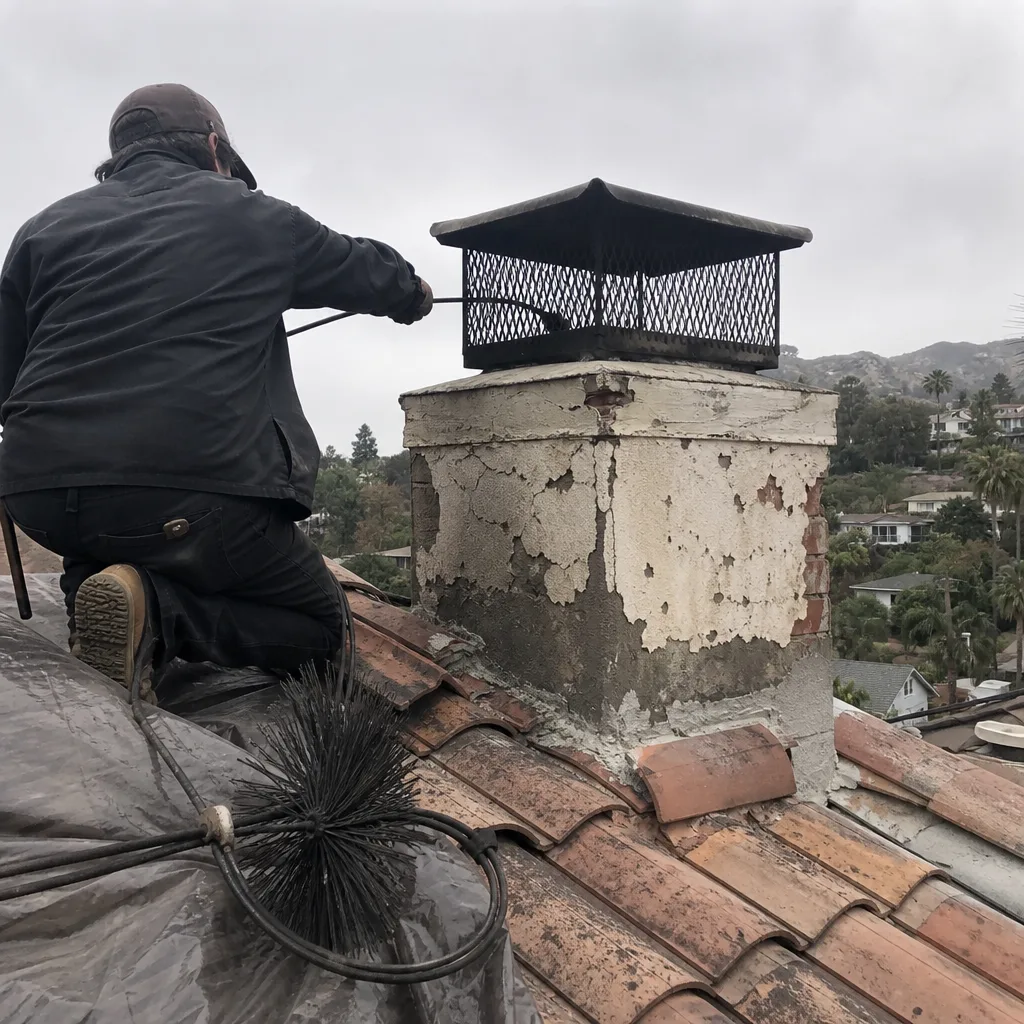 Before
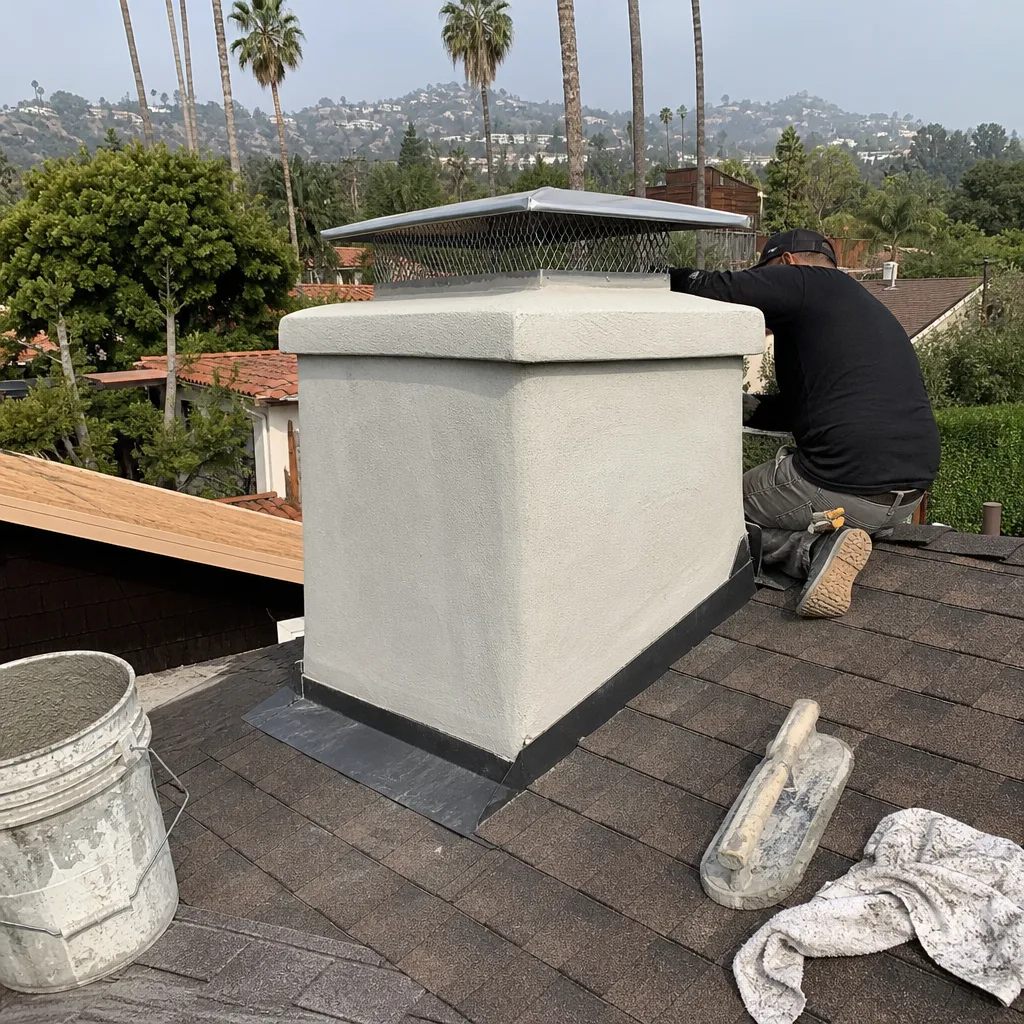 After
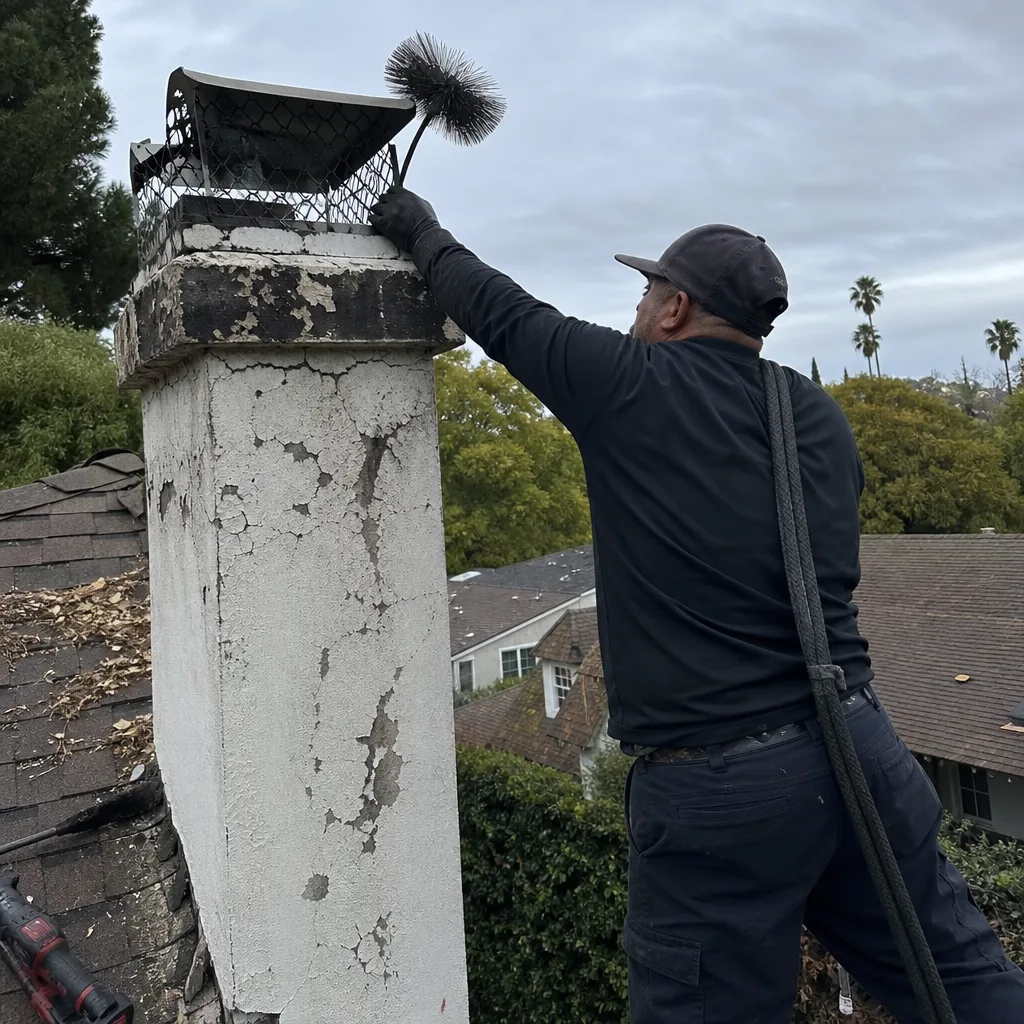 Before
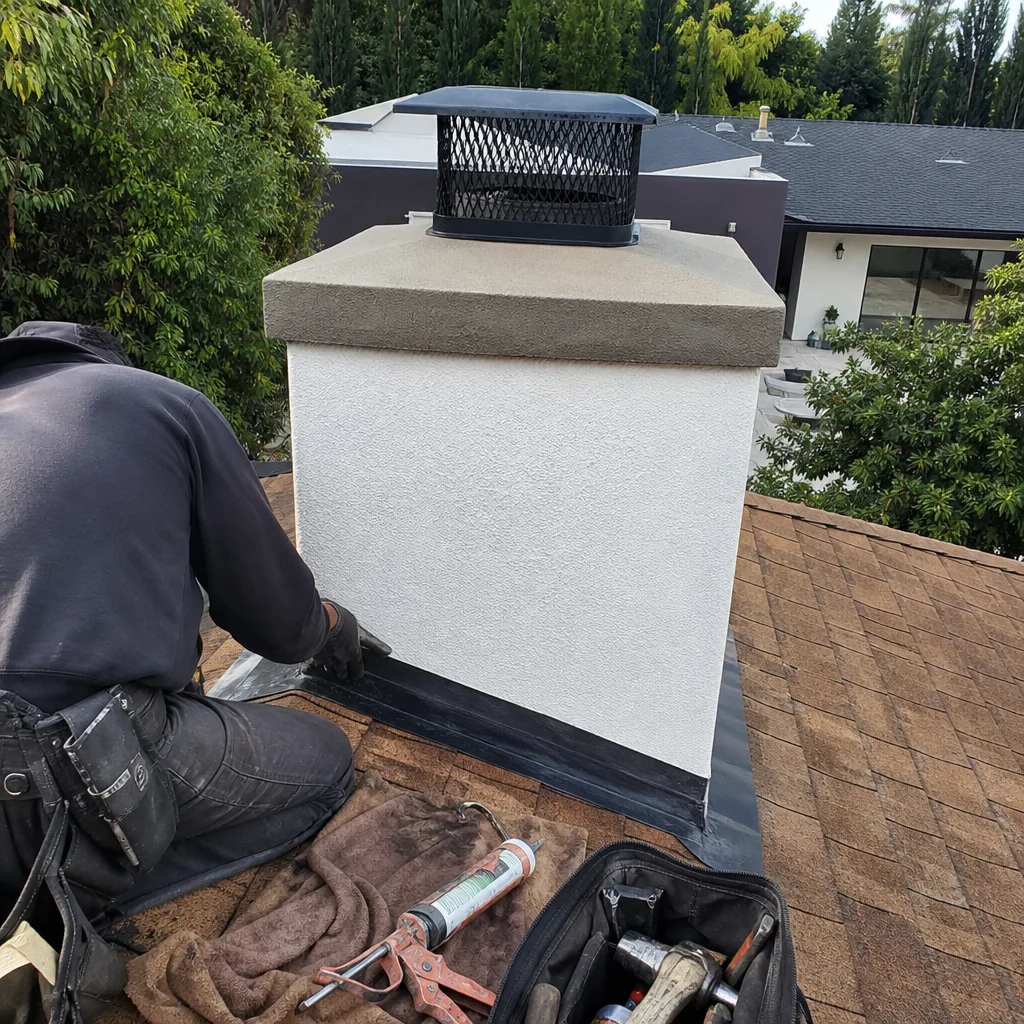 After
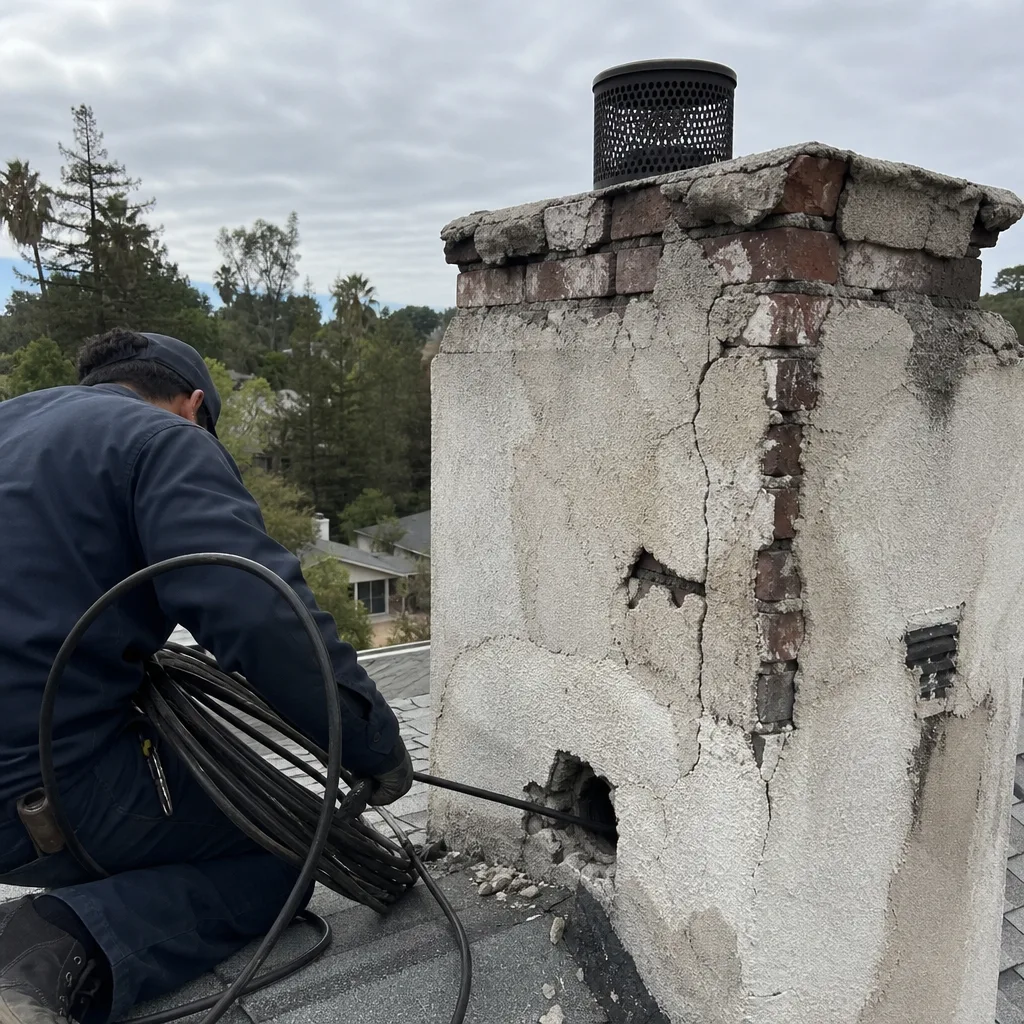 Before
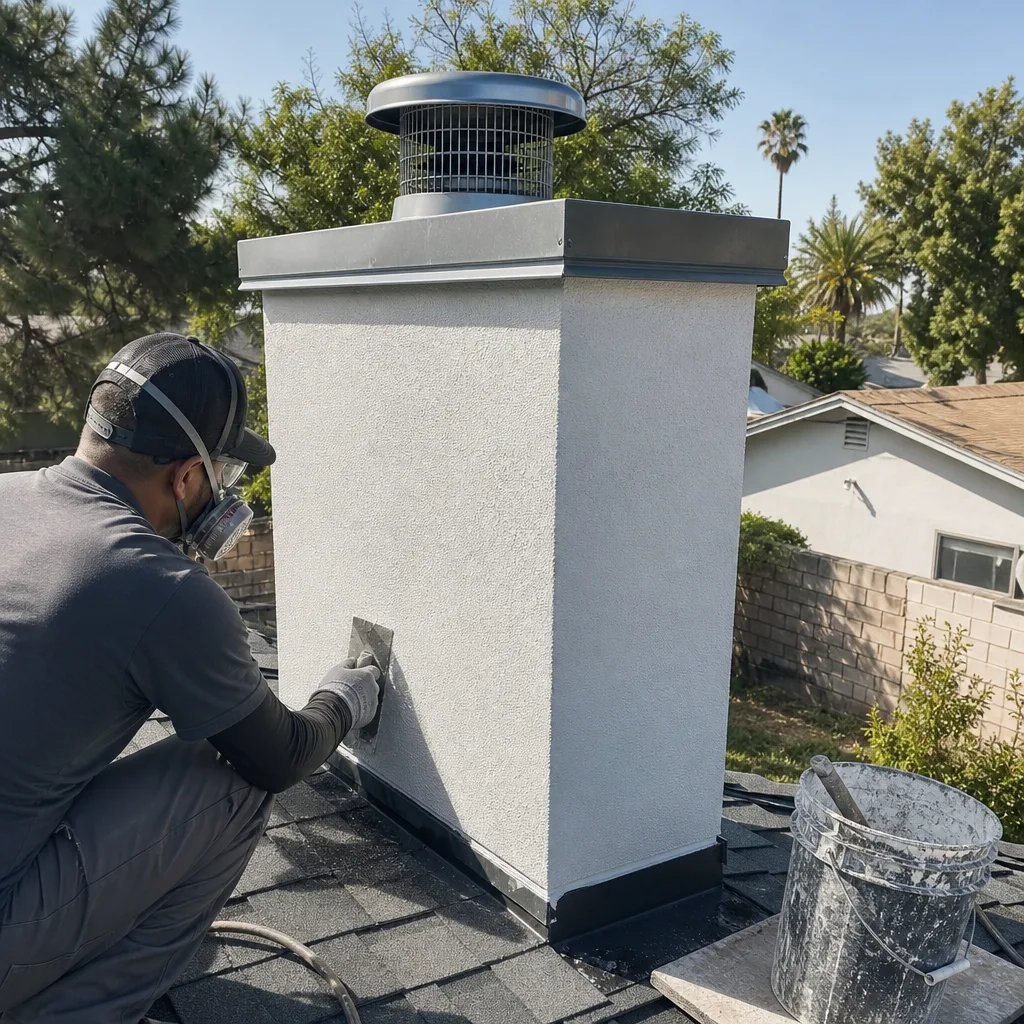 After