
Last updated October 30, 2026
 Sweep & inspection
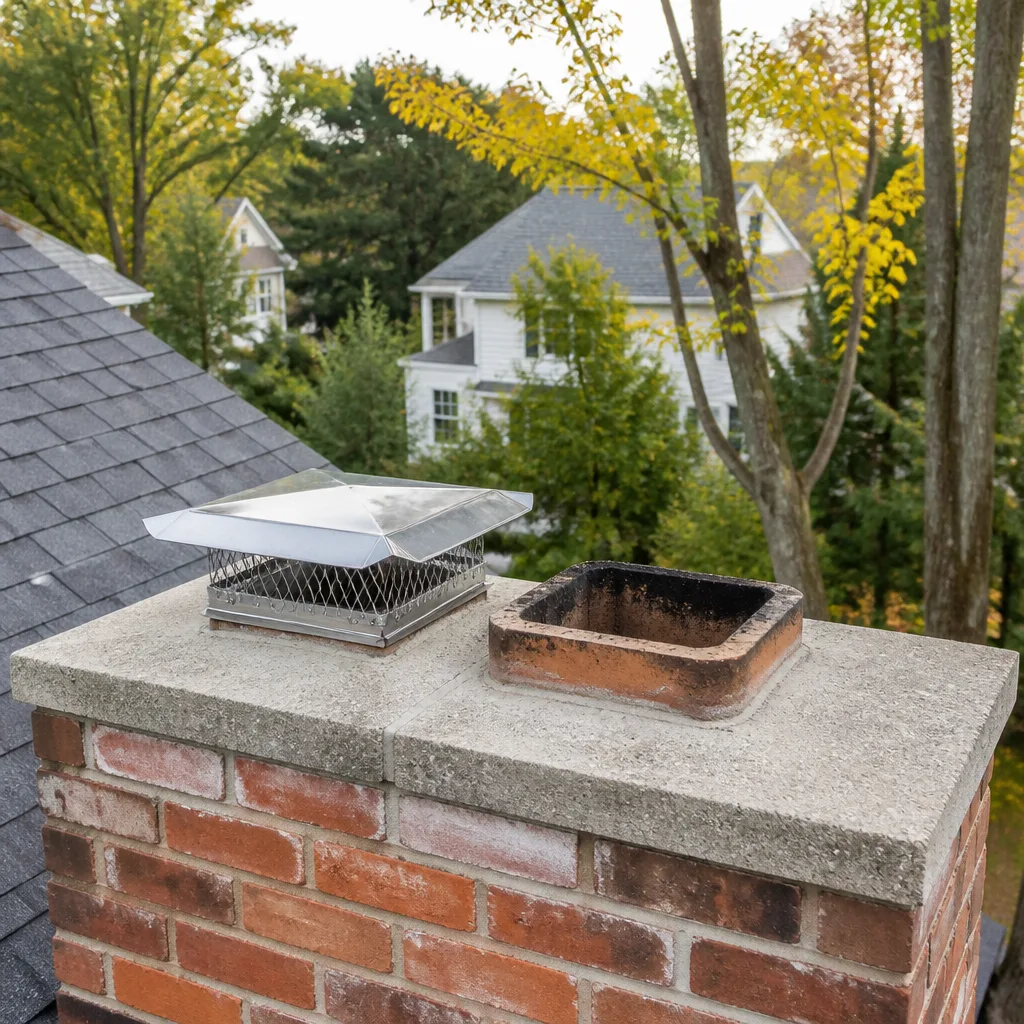
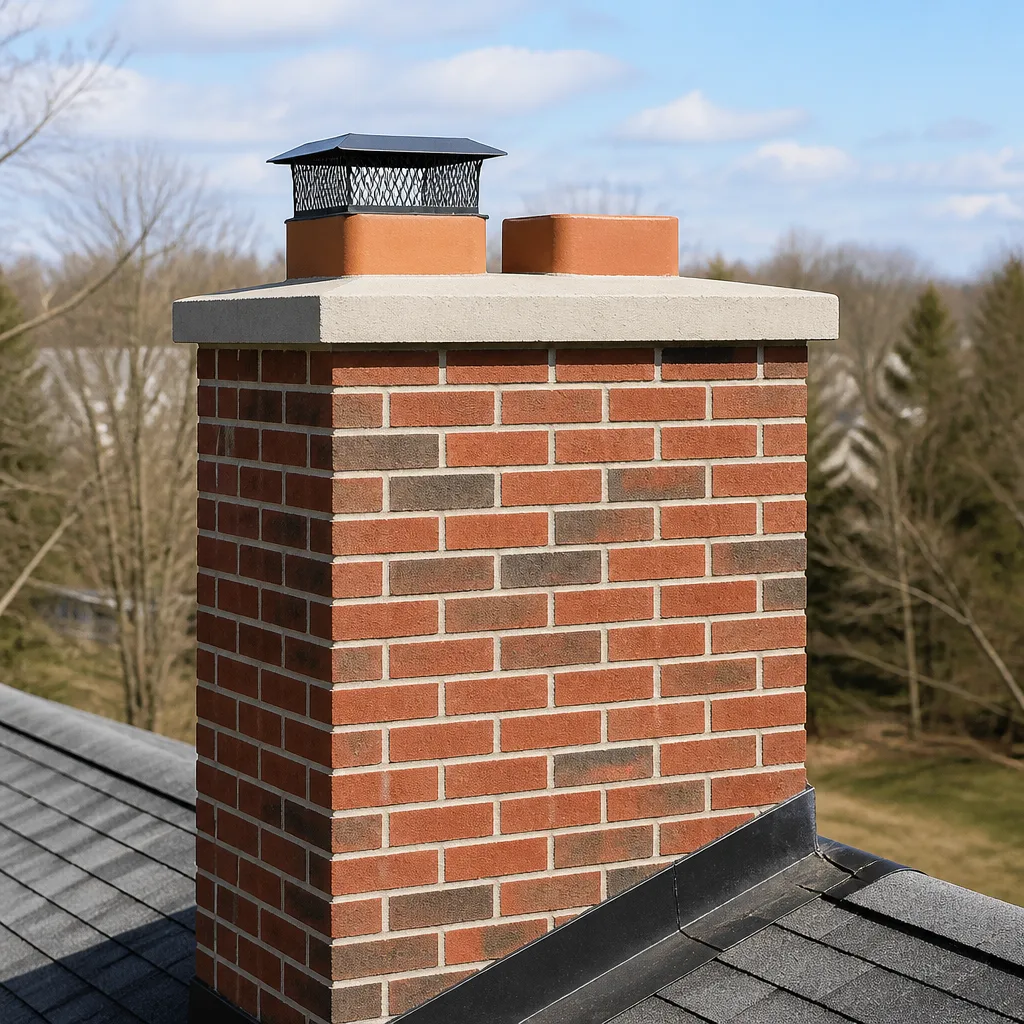 Caps & crowns
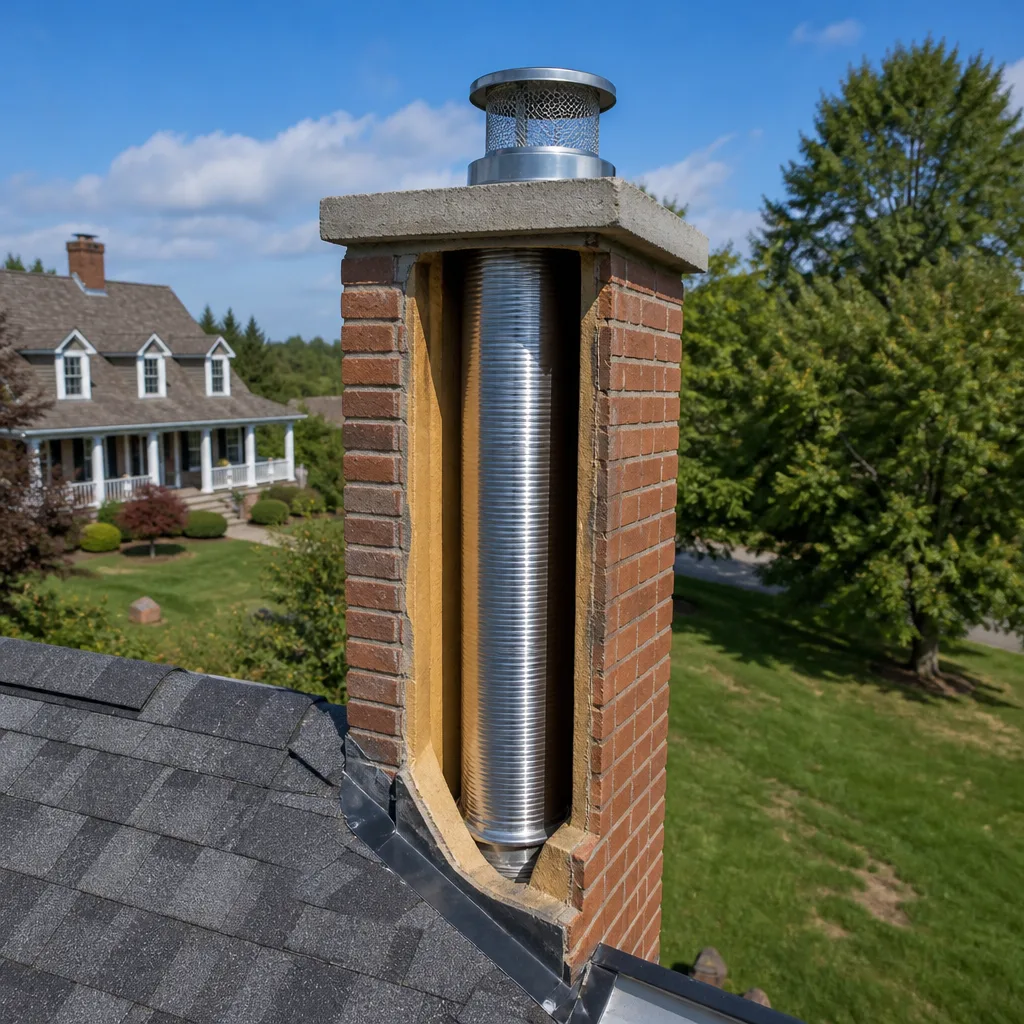 Flue relining
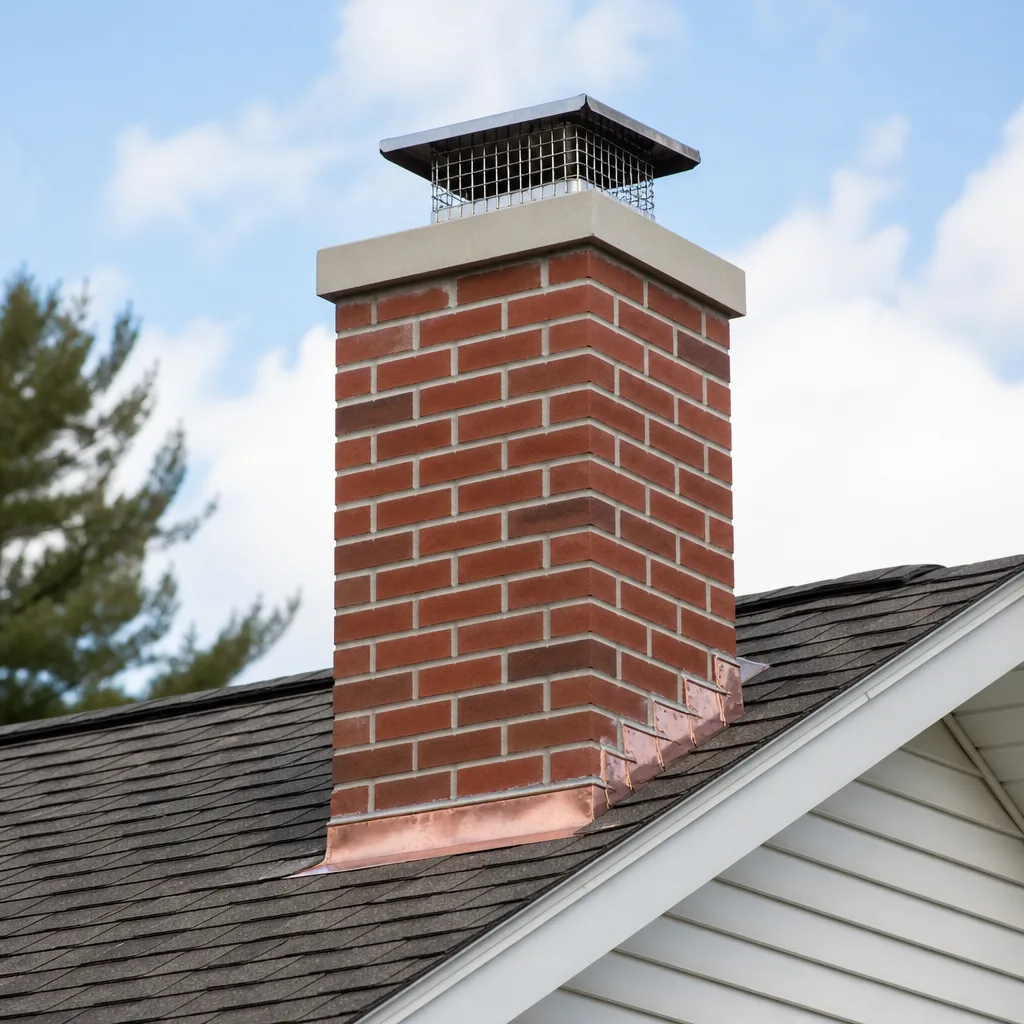 Masonry repair
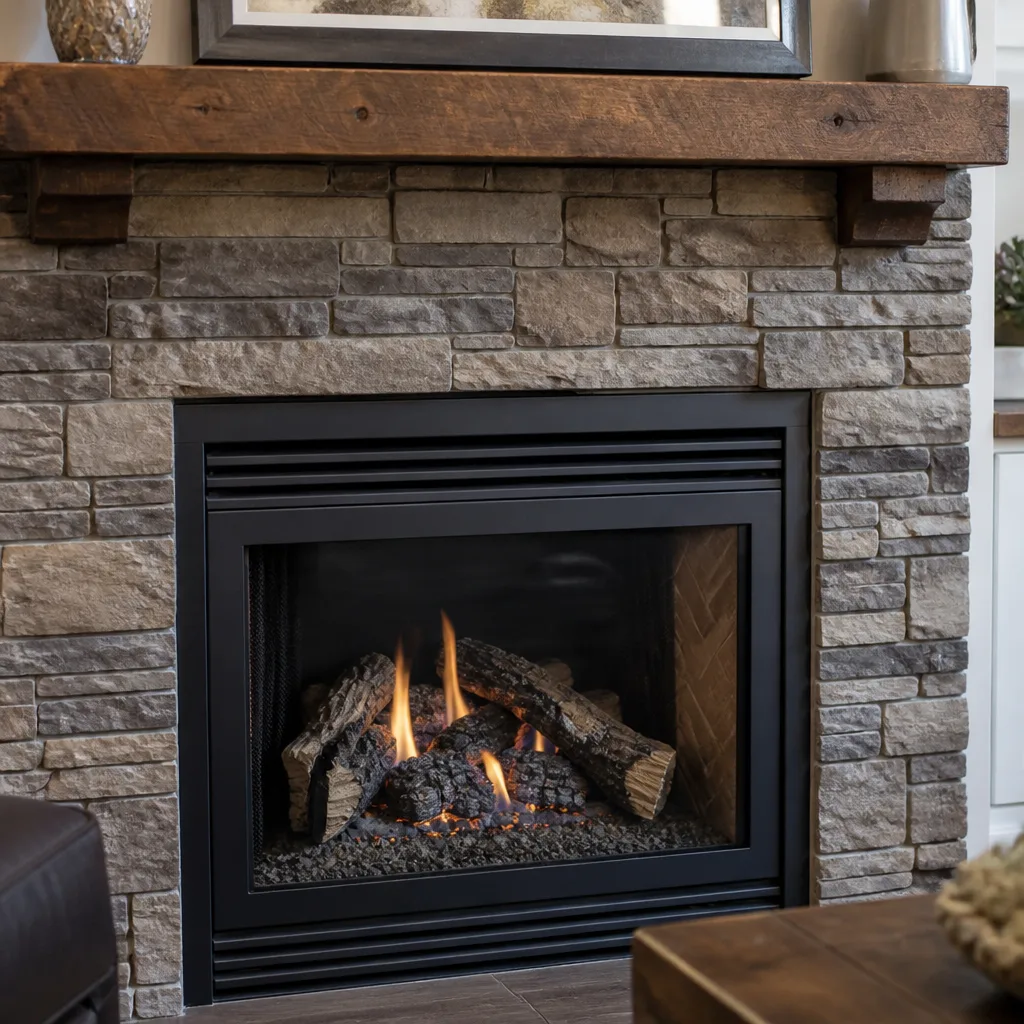 Gas fireplace service
Level 1 sweep and inspection to the NFPA 211 annual standard - flue, crown, cap, and flashing checked and photographed
Chimney sweep logs do not sweep chimneys. They loosen some creosote - which then falls where a brush and vacuum still have to collect it.
Chimney Sweep Troubleshooting: Common Problems and How to Fix Them
Here’s a number most homeowners in Hollywood never hear: roughly 70% of chimney service calls we make are for problems that have nothing to do with how dirty the flue is. The fireplace smokes, the house smells like a campfire in July, water stains bleed through the ceiling near the chimney chase, and the homeowner assumes the fix is a good cleaning. Sometimes it is. More often, the real issue is air pressure, flue geometry, a failed liner, or a damper that hasn’t seated properly since the Reagan administration. This guide—along with our Complete Chimney Sweep Guide for Hollywood Homeowners—walks through the most common chimney problems, what actually causes them, and what a real fix looks like, not just what gets the service ticket closed.
Styles & brands we work with
Quick Answer
Most chimney problems fall into four root causes: restricted flue airflow (blockage or creosote buildup), negative air pressure in the home, failed liner or mortar joints, and worn or improperly sized components like dampers and caps. A smoking fireplace is almost never fixed by cleaning alone, and chimney odor changes with the season in ways that point to specific failures. The fix is diagnosing the cause, not treating the symptom.
Table of Contents
- Why Your Fireplace Smokes: It’s a Pressure Problem, Not a Soot Problem
- Draft Failure vs. Blockage: The Smoke Pencil Test
- What Chimney Odor Tells You, by Season
- Three Firebox Staining Patterns and What They Reveal
- The Damper That ‘Works Fine’ and Why It’s Still the Problem
- Liner Failures: What They Look Like and What They Cost to Ignore
- The Dryer Vent Overlap: Same Fire Risk, Same Fix
- Common Mistakes to Avoid
- When to Call a Professional
- Frequently Asked Questions
- The Bottom Line
Why Your Fireplace Smokes: It’s a Pressure Problem, Not a Soot Problem
If your fireplace smokes into the room, nine out of ten chimney companies will clean the flue and call it done. But smoke rollback is a pressure problem, not a soot problem, and cleaning a flue doesn’t change the air pressure dynamics in your home. A chimney works because hot combustion gases rise and the house supplies replacement air. When the house can’t supply that air fast enough, or when the flue can’t generate enough draft to overcome the house’s negative pressure, smoke comes back into the room. The flue can be spotless and you’ll still get a face full of smoke.
We see this constantly in Hollywood homes that have been renovated over the years. Older houses built in the 1940s and 1950s leaked air everywhere: around windows, through floorboards, around doors. That leakage was accidental but it was also the fireplace’s air supply. Then a homeowner weatherizes, replaces windows, seals gaps, adds insulation, and the house tightens up. The fireplace, which used to draw fine, now competes with kitchen exhaust fans, bathroom fans, and the clothes dryer for a limited supply of indoor air. The fireplace loses, and smoke spills into the living room. Open-plan renovations make this worse by creating a larger connected volume of air that depressurizes faster when an exhaust fan kicks on.
The fix is rarely a cleaning. It’s usually one or more of the following: a combustion air inlet to supply makeup air directly to the fireplace, a taller or better-insulated flue to generate stronger draft, a top-sealing damper that reduces stack effect when the fireplace isn’t in use, or a glass door assembly that changes how the firebox interacts with room air. Solving the pressure problem solves the smoke problem for good. If you want the complete picture of how we evaluate this in the field, start with our Chimney Sweep in Century City process guide, which covers the inspection sequence we use on every service call.
Draft Failure vs. Blockage: The Smoke Pencil Test
A fireplace that smokes can be a structural design problem or a simple obstruction. The difference matters because one fix costs a few hundred dollars and the other means rebuilding part of the chimney. Here’s the test any homeowner can run before calling anyone. Get a smoke pencil (the kind used for air leak detection, about $15). Light your fireplace with a small kindling fire and let it establish for five minutes. Hold the smoke pencil at the fireplace opening, about six inches inside the firebox. If the smoke streams up the chimney, you have draft. If it puffs into the room or hovers, you have a pressure problem, not a blockage.
Now do the second part of the test. Hold the smoke pencil at the top of the firebox opening, right where the firebox meets the damper. If smoke pools there and rolls back into the room while the lower firebox draws fine, you likely have a flue obstruction or a flue that’s too cool to draft properly. This is where you look for creosote buildup, a bird’s nest, a dead animal, or a collapsed flue tile. In Hollywood, where many chimneys go unused from April through October, bird and squirrel nesting is the most common obstruction we find on first calls of the fall season.
Here’s the step-by-step version:
- Close all windows and doors in the room with the fireplace.
- Turn off all exhaust fans, including the kitchen hood, bathroom fans, and the clothes dryer.
- Light a small fire using dry kindling and two or three small splits.
- Wait five minutes for the flue to warm.
- Hold the smoke pencil at the lower firebox opening. Note the smoke direction.
- Hold the smoke pencil at the top of the firebox opening, near the damper. Note the smoke direction.
- Turn on the kitchen exhaust fan and watch what happens to the smoke at both positions.
If the smoke draws fine at step 5 but falters at step 6, you have an obstruction or a cold flue. If the smoke reverses at step 7 when the exhaust fan comes on, you have a house depressurization problem, and no amount of sweeping will fix it. That’s the diagnostic difference, and it’s exactly the kind of distinction we make on every Chimney Repair in Century City call when a homeowner gets flagged by a home inspector for “inadequate draft.”
What Chimney Odor Tells You, by Season
Chimney odor isn’t one problem, it’s a calendar of failure points. The smell you notice in July tells you something different from the smell you notice in December, and knowing the difference saves you from paying for the wrong fix.
Summer musty smell: This is almost always moisture and creosote. During the winter, creosote condenses on the flue walls. When summer humidity arrives, the creosote absorbs moisture from the air and releases an acrid, campfire-like smell that drifts down into the house. In Hollywood, where summer humidity can spike during June Gloom, this is the most common odor complaint we get. The fix is straightforward: a thorough chimney sweep to remove the creosote, and then a check of the chimney cap. A missing or damaged cap lets rain and humidity enter the flue directly, making the problem dramatically worse. We use Copperfield caps and chimney components on replacement work because they’re built for this exact exposure problem, not the thin galvanized versions found at hardware stores.
Winter smoke smell when the fireplace is not in use: This points to a damper that doesn’t seal and a chimney that’s acting as a reverse air duct. Warm air rises inside your home, exits through the leaky damper, and when the fire is out, cold air sinking into the flue pushes smoky residue back into the living space. The fix is a top-sealing damper that closes at the crown, not at the throat, plus a check of the firebox seal.
Year-round sulfur or rotten-egg smell: This is a different animal entirely. Sulfur odor usually means a gas appliance is venting into the chimney and combustion gases are not being carried out. It can point to a blocked gas flue, a failed gas log set, or backdrafting from a water heater flue sharing the same chimney chase. This is a stop-using-the-fireplace situation until it’s diagnosed. Sulfur odor means incomplete combustion and potential carbon monoxide exposure.
Sharp animal-smell or decay odor: Something died in the flue, full stop. Birds, squirrels, and raccoons find their way into uncapped chimneys and don’t always find their way out. The smell comes and goes with barometric pressure and temperature. Removal is a safety issue, not just an odor issue, because the carcass and nesting material are a fire load sitting in your flue.
Every one of these odor patterns calls for a different intervention: sweep, cap replacement, damper replacement, gas venting repair, or animal removal. Guessing at the wrong one is how homeowners pay for the same repair twice. That full inspection-and-repair capability is exactly what we built Firebrick Chimney Sweep home around, so a diagnosis doesn’t end with a referral slip to someone else.
Three Firebox Staining Patterns and What They Reveal
Firebox stains aren’t cosmetic. They’re diagnostic evidence left behind by the fire itself, and each pattern points to a different underlying issue with combustion efficiency or liner integrity. In our experience, these patterns are consistent enough across the masonry fireplaces we work on in Hollywood’s older hillside homes that we can often tell a homeowner what’s wrong before we light a match.
- Dark, oily, tarry stains on the firebox back wall, especially near the smoke shelf: This is creosote staining from wood that isn’t combusting completely. It means the fire is burning cold, often because the wood is unseasoned or the homeowner is damping down the fire to make it last longer. Wet wood plus a partially closed damper equals slow, smoky combustion that deposits tar rather than fine ash. The fix is burning wood with moisture below 20% and letting the fire burn hot rather than banking it for hours.
- White or light gray powdery stains, often running in vertical streaks down the firebox walls: This is efflorescence, and it means water is moving through the masonry. Water enters through a failed chimney crown, cracked mortar joints, or a missing cap, dissolves salts in the brick and mortar, and carries them to the surface where they dry. White staining is never just a stain. It means the masonry is actively deteriorating, and in Hollywood’s wet winter months, the freeze-thaw cycle makes it worse every year. The fix is a crown repair or rebuild plus tuckpointing where the mortar has failed.
- Rust-colored stains, often concentrated at the firebox floor or around the damper frame: This is metal corrosion, and it usually means the damper or the firebox grate assembly has been wet repeatedly. Water runs down the flue during rain, pools at the firebox floor, and rusts the damper frame and cast-iron components. Left alone, the damper seizes, the frame warps, and you’re looking at a damper replacement instead of a simple cleaning. The fix is a chimney cap at the top and a water-repellent masonry sealant on the exterior brick.
Each stain pattern tells you where to look next. Tarry stains mean fuel and burn habits are the problem. Efflorescence means water entry from above. Rust means water sitting where it shouldn’t. None of these are fixed by sweeping alone, which is why we don’t treat a sweep as the end of the conversation. The sweep finds it. The repair is what actually stops it from coming back.
The Damper That ‘Works Fine’ and Why It’s Still the Problem
Here’s a scenario we run into constantly in Hollywood homes built before 1990: the homeowner calls about a smoky fireplace or a drafty room, and they mention, “The damper works fine, I checked it.” It opens and closes, the handle moves, the hinge doesn’t squeak. What they’re describing is a damper that operates. What they’re not seeing is a damper that seals, and those are two completely different things.
Throat dampers in homes over 30 years old wear in a specific pattern. The cast-iron plate warps from repeated heat cycling. The frame, set into mortar at the firebox throat, loses its seal as the mortar crumbles. The result is a damper that closes mechanically but leaves a gap around the edges a quarter inch wide or more. A quarter inch gap around a 24-by-8-inch damper is a hole in your ceiling roughly the size of a cassette tape. That hole lets heated house air escape in winter, lets cold air sink in summer, and destroys the fireplace’s ability to establish draft when you light a fire because the flue is always cooling.
The test is straightforward. Close the damper and go to the fireplace with a flashlight. Look up through the firebox at the closed damper assembly. If you can see daylight, the damper doesn’t seal. If you can feel air movement when you hold your hand at the damper opening with the house HVAC running, the damper doesn’t seal. These are the damper failures that never show up on a basic level-one inspection because the damper does what the inspector asks: it opens and it closes. It’s the seal that’s gone.
The fix is either replacing the throat damper with a properly sized cast-iron or steel model, or moving to a top-sealing damper mounted at the chimney crown. Top-sealing dampers have a rubber gasket that compresses against the flue tile and seals far better than any throat damper can after years of heat exposure. We install top-sealing dampers using Copperfield components on a regular basis, and the improvement in draft and the reduction in cold-air downdrafts is the first thing homeowners notice the following winter.
Liner Failures: What They Look Like and What They Cost to Ignore
The flue liner is the difference between a working chimney and a chimney-shaped fire hazard. Older Hollywood homes frequently have original clay tile liners that have been cooking since the Eisenhower era, and the failure mode is predictable: hairline cracks from years of thermal shock, gaps at the mortar joints between tiles, and spalling where the tile surface flakes off in chunks. You can’t see any of this from the living room, and you often can’t see it from the roof either without a camera inspection.
What a failed liner does in practice depends on the failure. Cracked tiles allow heat to reach the surrounding masonry and framing. Gapped joints let combustion gases leak into wall cavities and living spaces. Spalled sections restrict the flue opening, which reduces draft and accelerates creosote deposition, which increases chimney fire risk. The cycle compounds: a small crack widens every time you burn a hot fire, and every year the failure gets more expensive to address.
If a camera inspection shows the liner is intact but the mortar joints are failing, the fix can be HeatShield ceramic resurfacing, a method that restores a continuous, insulated liner surface without demolishing the existing flue. It’s not a patch; it’s a full resurfacing system designed specifically for chimney flue restoration, and it’s one we use regularly because it catches liners in the middle stage of failure, before they need full relining. If the liner is too far gone, the correct fix is a new stainless liner, typically a DuraFlex system sized to the existing flue and insulated for draft stability.
The cost to ignore a liner failure is measured in the worst possible unit: a chimney fire that spreads to the attic, or a carbon monoxide event that no one in the house notices until symptoms show up. Liner inspections are part of every level-two camera inspection we perform, and we don’t recommend repair without showing the homeowner exactly what the camera saw. You should never take a liner recommendation on faith. You should see the crack, the gap, or the spalled surface with your own eyes, and a company that won’t show you the video is a company you should think twice about.
The Dryer Vent Overlap: Same Fire Risk, Same Fix
Chimney problems and dryer vent problems share the same root failure: restricted, dirty ventilation that becomes a fire load. A lint-clogged dryer vent works exactly like a creosote-blocked chimney. Hot air stops moving, temperatures climb, and the fuel that was supposed to leave the house ignites in the pipe. The fix is the same discipline: clean the vent, verify airflow, and correct the installation if the pipe run is too long or has too many elbows. Dryer vents and chimneys share the same core risk, and we treat both with the same seriousness.
The connection matters for one practical reason. Many Hollywood homes route the dryer vent and the chimney through the same chase or exterior wall, and a failure in one system often affects the other. A clogged dryer vent depressurizes the laundry room, which draws air from wherever it can, including through a leaky fireplace damper in an adjacent room. The result is two symptoms: a dryer that takes two cycles to dry clothes, and a fireplace that drafts poorly every time the dryer runs. Homeowners chase the fireplace problem while the dryer vent is the pressure culprit all along. It’s one reason we offer Dryer Vent Cleaning in Century City as part of the same service relationship: the ventilation systems in a house are connected, and diagnosing one properly means understanding both.
Common Mistakes to Avoid
- Cleaning before diagnosing. Sweeping a flue before identifying why the fireplace smokes, smells, or stains is like changing the oil in a car with a blown head gasket. The work is legitimate, but it doesn’t address the actual failure. Get the diagnosis first, then clean or repair.
- Burning green or wet wood. Unseasoned wood is the single biggest contributor to creosote buildup and cold, smoky fires. Always burn wood with moisture below 20%, checked with a moisture meter.
- Ignoring the chimney cap. A missing or damaged cap is an open pipe to the sky: rain, animals, and debris all enter directly into the flue. The cap is the cheapest component on the chimney and the one most often missing.
- Using the fireplace as a trash incinerator. Wrapping paper, cardboard, and household trash burn fast and hot, sending flaming debris up the flue and shocking the liner with rapid temperature swings. Nothing but seasoned wood belongs in a fireplace.
- Trusting a “works fine” damper. A damper that moves is not a damper that seals, and in homes over 30 years old, the seal is almost always compromised. Check for daylight and air movement at the damper before accepting the working diagnosis.
- Letting a home inspector’s flag go unaddressed. When a home inspector, insurance carrier, or fire marshal flags a chimney deficiency, the clock starts on a required fix. Waiting doesn’t make the problem smaller, and the second inspection always costs more than the first repair.
- Patching rather than restoring. Caulk on a cracked crown, paint over efflorescence, a band-aid on a liner gap: these are delays, not repairs. The underlying failure keeps progressing underneath the patch, and the inevitable real repair costs more because the damage has had another year to compound.
When to Call a Professional
Call a professional when the smoke pencil test shows draft failure you can’t trace to a closed damper or an open window. Call when the chimney smells in a way you can’t explain, especially if the smell is sulfur or comes with headaches or nausea. Call when you see white staining, rust-colored streaks, or tarry buildup that returns within weeks of a cleaning. Call when the home inspector flags the chimney, because insurance and mortgage underwriting won’t wait for your schedule to clear. Firebrick Chimney Sweep offers free estimates in Hollywood, call (866) 520-4943. We diagnose the cause, show you what the camera saw, and handle the repair if it comes to that. No referrals, no second contractor, no guessing.
Frequently Asked Questions
A standard chimney sweep in Hollywood typically runs between $180 and $350 depending on the flue size, access height, and the level of creosote present. Sweeping is only one part of the picture, though: if there’s animal removal, a cap replacement, or liner work involved, the total climbs accordingly. Call (866) 520-4943 for an exact quote based on your chimney’s condition.
Every 50 to 70 fires, or once a year, whichever comes first. That’s not a marketing number, it’s the creosote accumulation rate for a typical masonry chimney burning average firewood in a climate like Hollywood’s. If you burn every night through winter, you’re due more than once a season; if you burn 20 fires a year, an every-other-year sweep is defensible.
Because the smoke isn’t caused by soot, it’s caused by a pressure imbalance in your house or a flue that can’t generate enough draft. Cleaning removes the fuel, but it doesn’t change the air pressure dynamics, and it doesn’t fix a cold flue or a warped damper. The smoke pencil test is the fastest way to tell which category your problem falls into.
Creosote builds up, and creosote is fuel. A chimney fire burns at temperatures that crack clay tiles, melt mortar, and can spread to the attic through compromised masonry. The other outcome is worse: a blocked flue sends carbon monoxide into the house while everyone sleeps. Chimney maintenance is fire prevention and CO prevention in one. It’s a structural safety issue, not a chore on a seasonal to-do list.
It depends on the extent of the damage, and you should never accept a liner recommendation without seeing the camera footage yourself. Hairline cracks and failing mortar joints can often be restored with HeatShield ceramic resurfacing, which relines the existing flue without demolition. If the liner is collapsed, severely spalled, or missing entire sections, full relining with a stainless system like DuraFlex is the only proper fix. Call (866) 520-4943 and we’ll show you exactly what the camera found before any work is quoted.
Yes. A dirty chimney can act as a negative air pathway that pulls combustion gases and carbon monoxide from a gas water heater or furnace back into the living space, even when the fireplace is cold. Fireplaces and gas appliances often share a chimney chase, and the same blockage or pressure imbalance that makes a wood fire smoke will also pull gas exhaust back into the home.
The Bottom Line
Every chimney symptom has a mechanical cause. Smoke rollback is a pressure problem. Odor is a moisture, creosote, or gas-venting problem. Staining is a water problem or a combustion problem. Dampers that “work fine” are usually sealing like a screen door. The homeowner who understands these connections stops paying for the same repair twice, because they stop accepting symptom-level fixes for cause-level failures. Diagnose first, inspect with a camera, fix the actual issue, and the fireplace works for decades. Explore our more guides & resources for additional homeowner tips. It’s not complicated, but it does require the discipline to ask why before asking how much. The team at Firebrick Chimney Sweep has been helping Hollywood homeowners ask those questions since 2012. Chimney work is all we do, and if you’ve got a problem you can’t explain, that’s what we’re here for. Call (866) 520-4943.
Written by the team at Firebrick Chimney Sweep, serving Hollywood since 2012.
See the difference
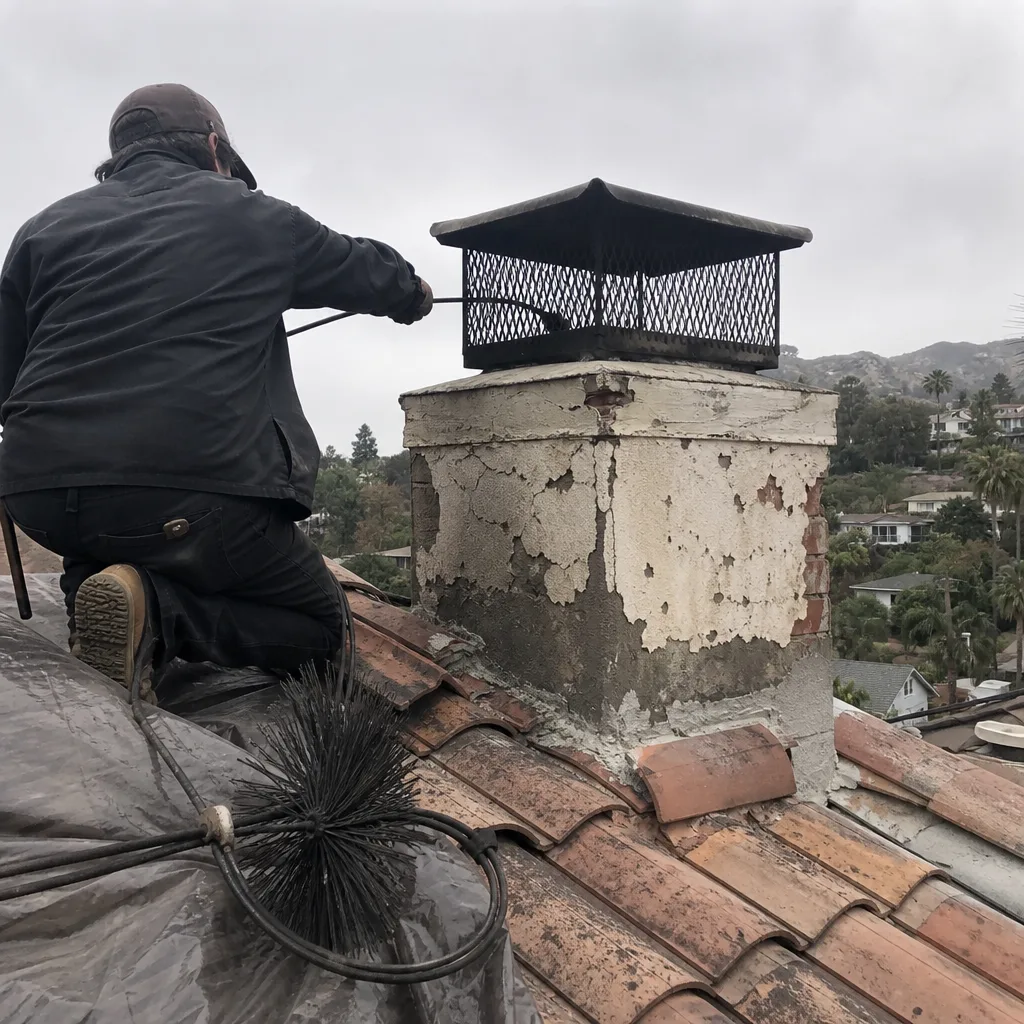 Before
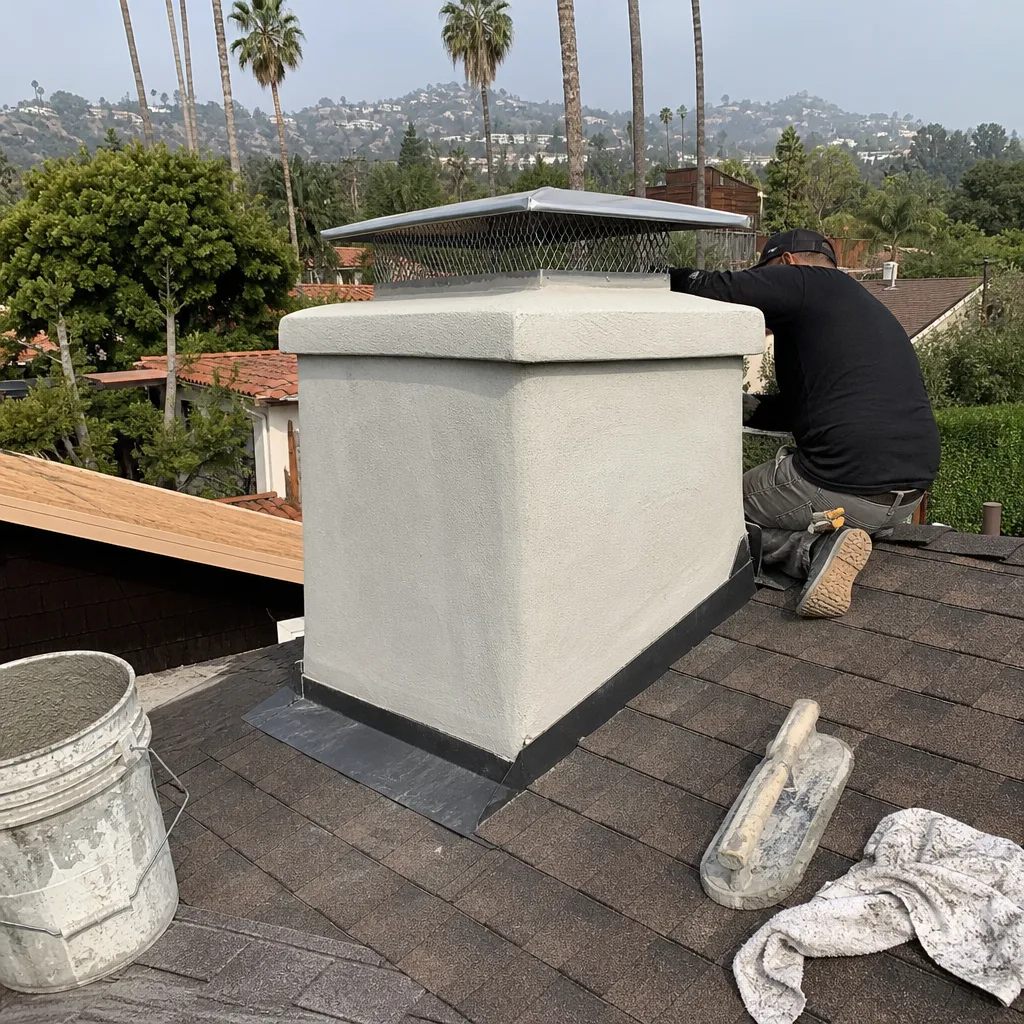 After
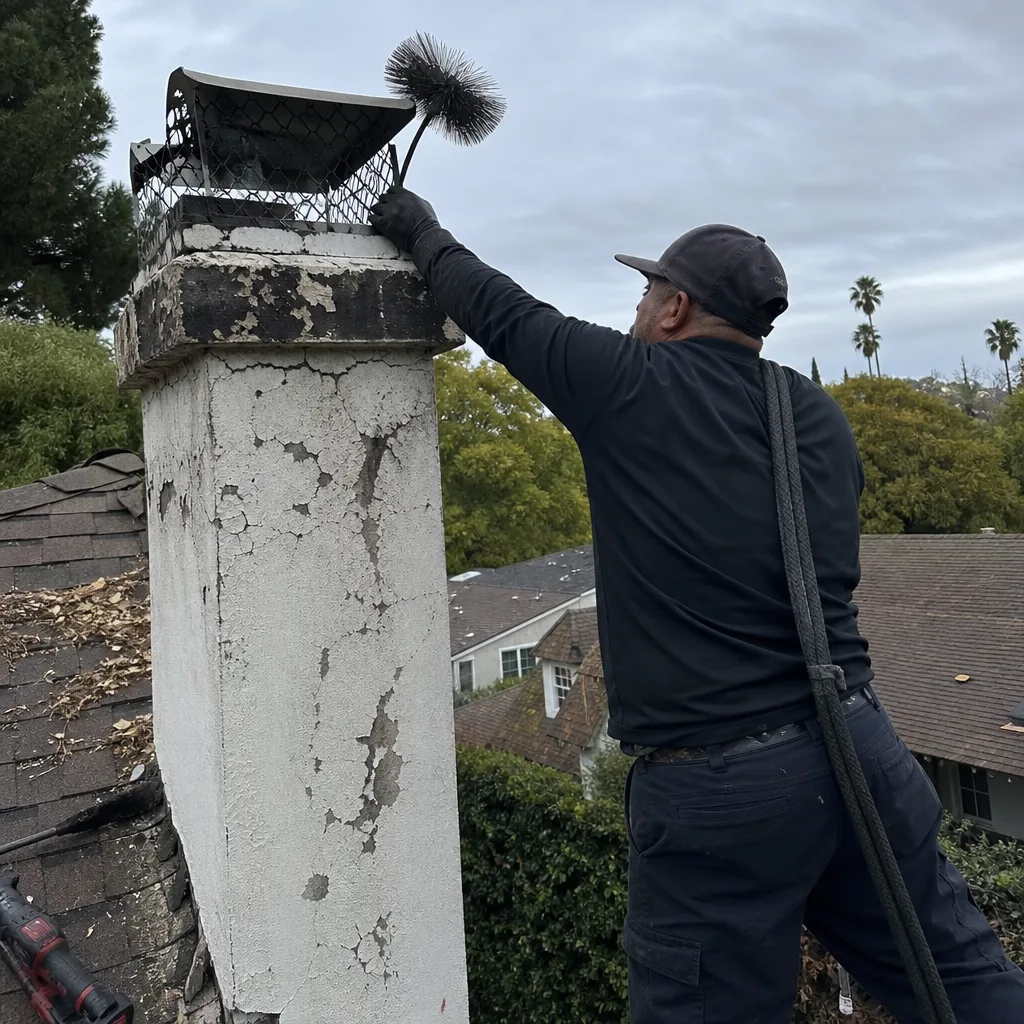 Before
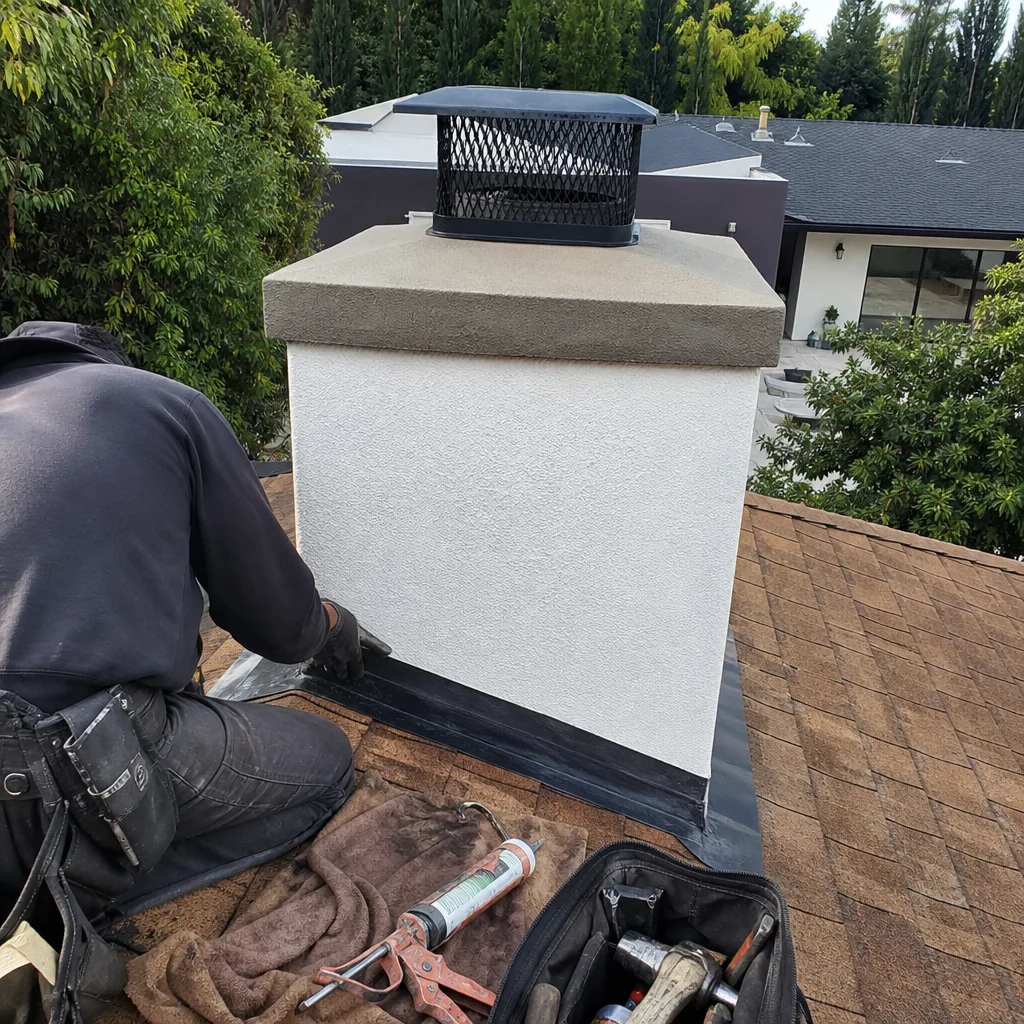 After
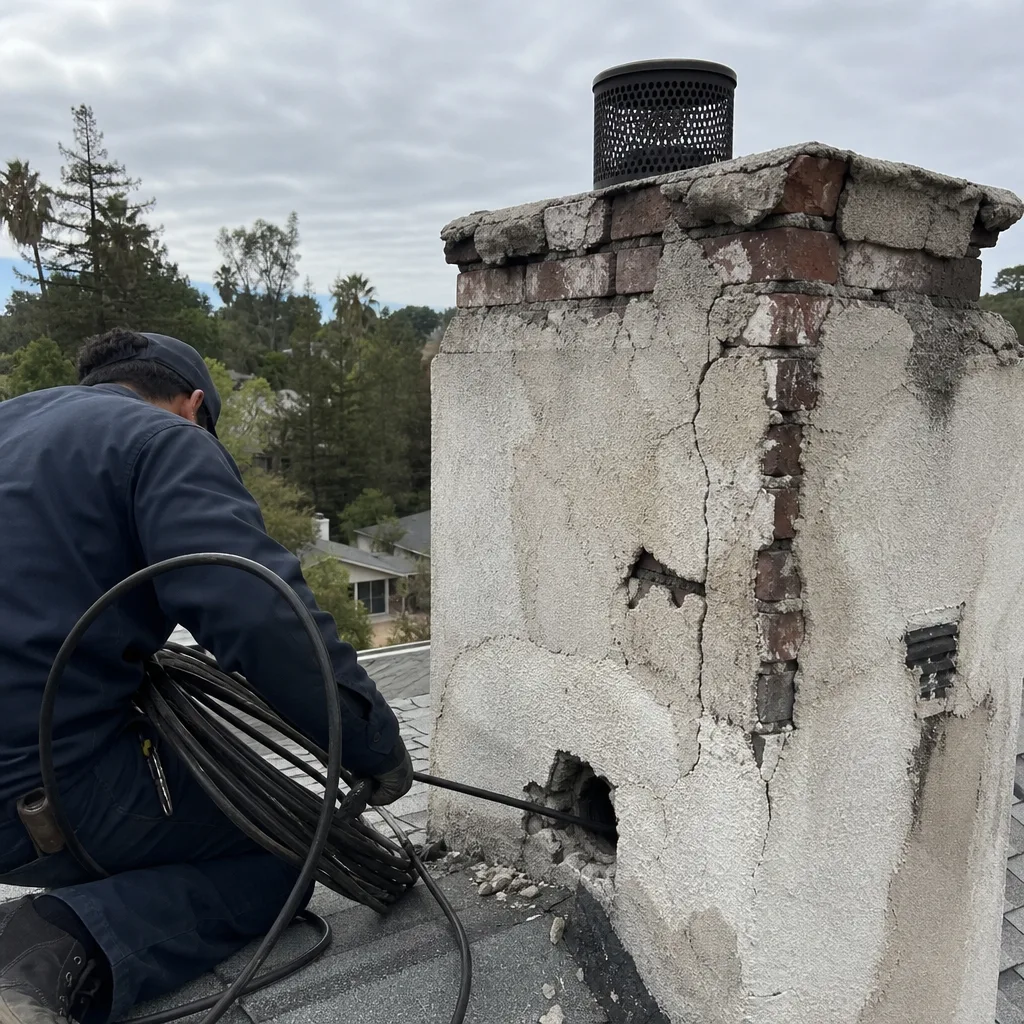 Before
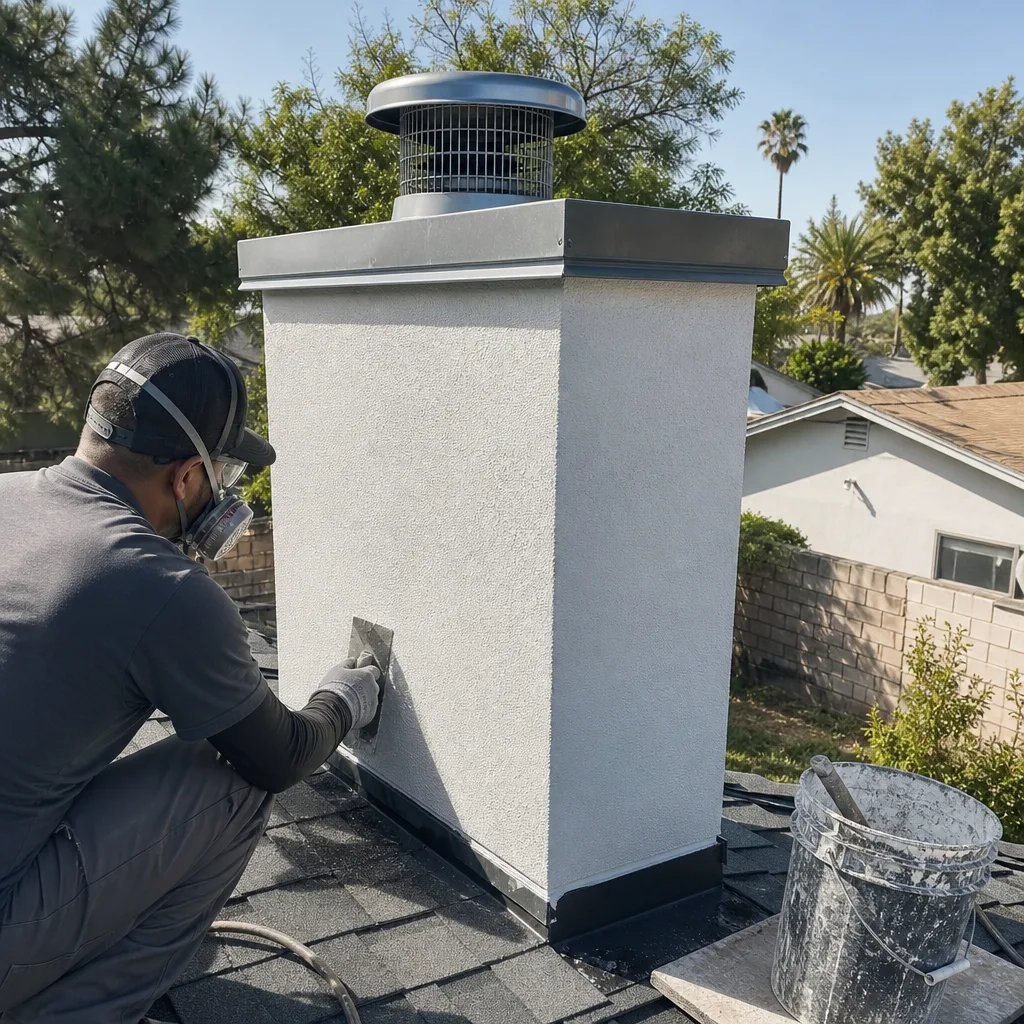 After