
Last updated October 30, 2026
 Sweep & inspection
 Caps & crowns
 Flue relining
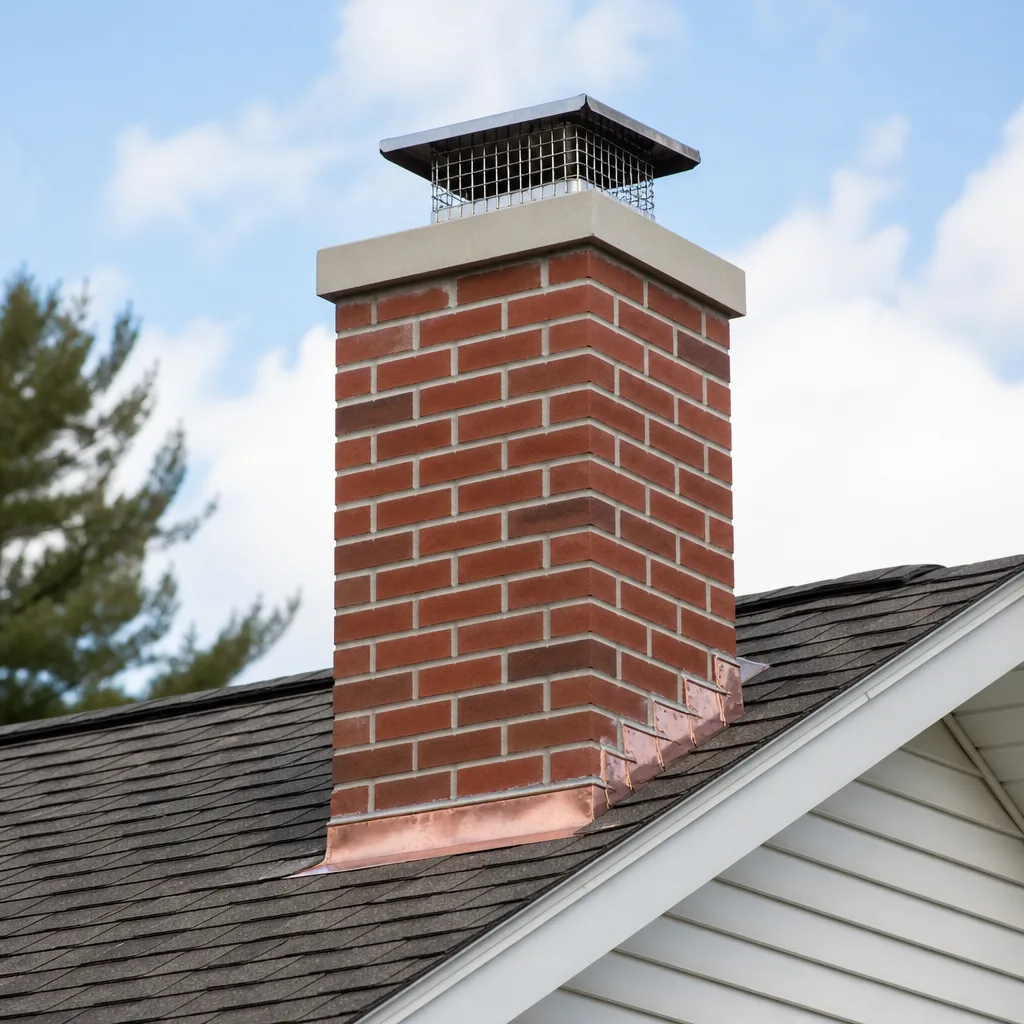 Masonry repair
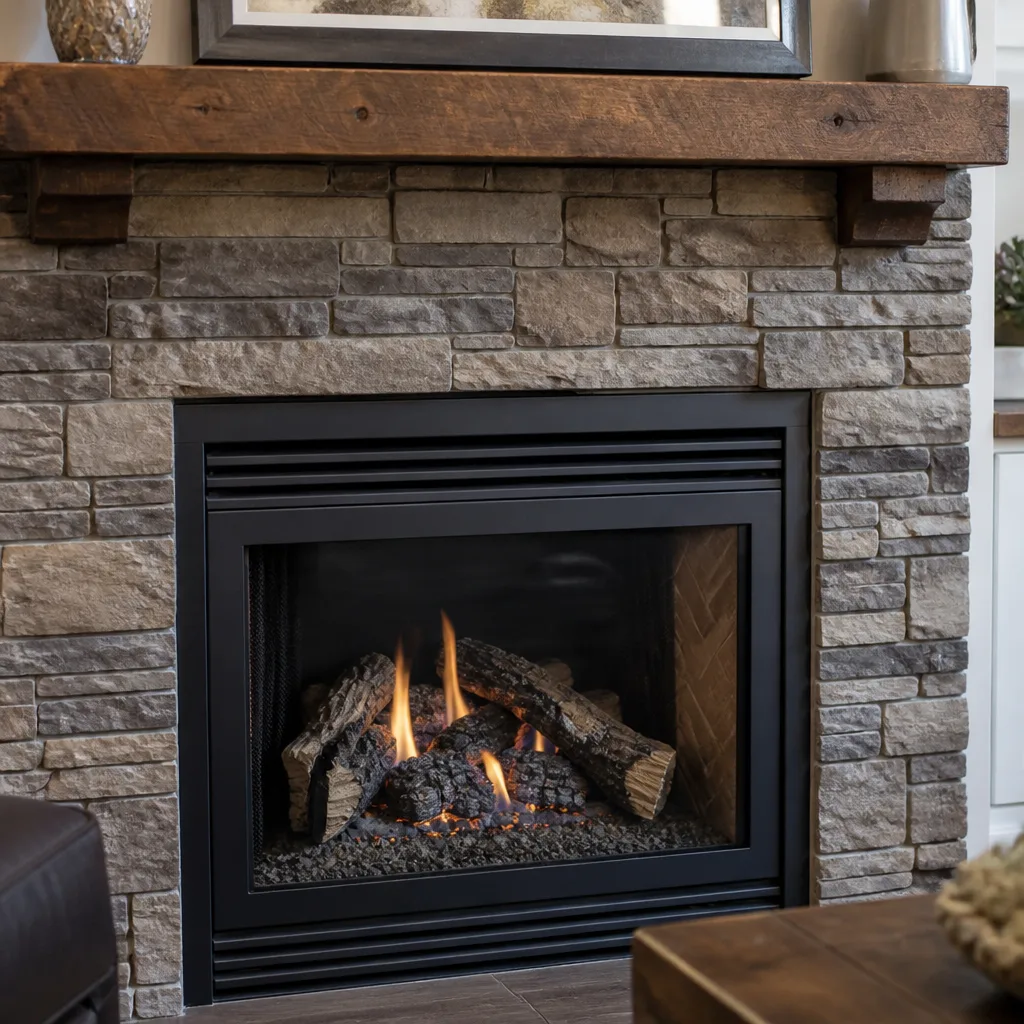 Gas fireplace service
Level 1 sweep and inspection to the NFPA 211 annual standard - flue, crown, cap, and flashing checked and photographed
Chimney sweep logs do not sweep chimneys. They loosen some creosote - which then falls where a brush and vacuum still have to collect it.
Chimney Sweep Maintenance Checklist for Hollywood Homeowners
Most chimney maintenance guides read like they were written for a house in Ohio. They assume you’re burning cordwood every weekend from October through March, that freeze-thaw cycles are your biggest enemy, and that your chimney sees heavy seasonal use. That’s not Hollywood. In our experience working on chimneys across this city, the Hollywood fireplace has its own failure patterns, mostly driven by the opposite problem: neglect punctuated by sudden, intense use. This checklist is built around what we actually find when we open up a chimney in Hollywood, not what a trade association prints in a million-copy pamphlet.
Styles & brands we work with
Quick Answer
A Hollywood homeowner should inspect their chimney twice a year, schedule a professional sweep and inspection annually even if they rarely use the fireplace, and pay close attention to exterior masonry joints, the chimney crown, and the damper. The most important maintenance tasks are keeping the flue clean and obstruction-free, sealing any exterior cracks before the marine layer moisture gets in, and documenting every professional visit so you have a record when you sell. Most of what fails in Hollywood chimneys fails slowly and silently, which is exactly why a simple written checklist matters more here than in harsher climates.
Table of Contents
- The Low-Use Deterioration Problem: Why Fewer Than Five Fires a Year Is a Risk
- Exterior Masonry Checkpoints for Hollywood’s Marine Layer
- Interior Checklist by Component: Firebox, Smoke Shelf, Damper, Flue Liner, and Cap
- Seasonal Triggers for an Off-Cycle Inspection
- What to Document After Every Cleaning: Building a Maintainable Record
- Preventive Maintenance Steps You Can Do Yourself
- Gas Insert vs. Wood-Burning: Different Checklists for Different Systems
- Common Mistakes to Avoid
- When to Call a Professional
- Frequently Asked Questions
- The Bottom Line
The Low-Use Deterioration Problem: Why Fewer Than Five Fires a Year Is a Risk
It sounds counterintuitive, but a fireplace that barely gets used can be in worse shape than one that sees a fire every weekend. Heat cycling does something important for a chimney: it drives out moisture. When you light a fire, the flue gets hot enough to evaporate the dampness that has accumulated in the masonry and clay liner. In Hollywood, where fireplaces often sit unused for months at a time, that moisture has nowhere to go. It settles into the mortar joints, soaks into the clay tile liner, and slowly eats away at the structure.
We’ve opened chimneys in Hollywood Hills and Los Feliz that haven’t seen a fire in three years and found flue liners with hairline fractures, crumbling firebox mortar, and dampers rusted into a half-open position. None of these were dramatic failures. They were slow, patient deteriorations that no one noticed because no one was looking. The homeowner’s assumption, which is perfectly reasonable on its face, is that an unused fireplace can’t break. The reality is that an unused fireplace breaks differently.
Here’s what accumulates during low-use periods:
- Moisture in the flue liner: The marine layer that rolls through Hollywood in the morning doesn’t stop at your roofline. Humidity works its way into the flue and stays there when there’s no heat to drive it out. Clay tile liners, common in older Hollywood homes, are especially vulnerable because they’re already brittle from decades of thermal stress.
- Spalling firebox mortar: Firebrick is porous. When moisture sits in it and the temperature swings between cool nights and warm afternoons, the surface of the brick can start to flake off. This is spalling, and it’s one of the most common things we see in Hollywood fireplaces that are used rarely.
- Rusted dampers: A steel damper sitting in a damp chimney for months at a time will rust. Once a damper is seized, it’s either stuck open, which lets conditioned air escape and outside air in, or stuck closed, which is dangerous if someone does light a fire.
- Nesting animals: A quiet chimney is an inviting chimney. Birds, squirrels, and raccoons don’t need much time to build a nest in an unused flue. We’ve pulled out nests that filled a five-gallon bucket, and the homeowners had no idea anything was living up there.
This is why the annual inspection rule applies even if you burn fewer than five fires a year. The inspection isn’t about cleaning soot buildup. It’s about catching the slow failures before they become expensive structural problems. In Hollywood, a chimney that’s ignored for five years can easily need chimney repair that a $300 annual inspection would have prevented.
Exterior Masonry Checkpoints for Hollywood’s Marine Layer
Hollywood has a specific micro-climate problem that generic checklists miss entirely. The marine layer rolls in most nights, often leaving rooftops and chimney crowns damp until mid-morning. Silicon dioxide, the main component of Portland cement, is highly reactive with moisture. Your chimney crown and mortar joints are Portland cement. Every night, moisture is finding its way into tiny cracks and doing microscopic damage. Over a decade, those tiny cracks become the kind of problems that require a mason.
When you’re checking your exterior masonry, here’s what to look for, in the order of importance:
- Chimney crown cracks: The crown is the angled concrete slab at the top of the chimney, and it’s your first line of defense against water intrusion. Check for visible cracking, especially hairline fractures that spiral outward from the flue opening. A cracked crown will let water run down the inside of the chimney, and that water will destroy the flue liner and the firebox. We see more crown failures in Hollywood than in any other part of the chimney system, simply because the marine layer keeps the crown damp for hours every night.
- Spalling bricks: Look for bricks whose faces are flaking off, leaving a powdery or crumbly surface. Spalling is the visible symptom of moisture penetration and temperature cycling. Once a brick starts spalling, it’s lost its protective outer skin, and it will continue to degrade unless the brick is replaced and the water source is addressed.
- Mortar joint erosion: Run your finger along the mortar joints between the bricks. If it comes away with sand, the joint is deteriorating. This is called repointing territory, and it’s a normal maintenance item, but it’s not something you want to let slide for five years. In Hollywood, mortar joints that look thin at eye level are often nearly gone at the roofline, because the roofline gets the brunt of the marine layer.
- Efflorescence: White, chalky deposits on the brick face. Efflorescence is salt that water has pulled out of the mortar as it evaporates. It’s not dangerous by itself, but it’s a clear sign that water is moving through the masonry. If you see efflorescence on your chimney exterior, water is getting in somewhere and it needs to be tracked down and sealed before the next rainy season.
One thing that surprises Hollywood homeowners is that chimney crowns on older homes are often made of a thin layer of concrete with no expansion joint to accommodate the flue tile. That joint between the crown and the flue, which should be sealed with a flexible sealant, is a common point of failure. When we inspect a chimney, we spend half our time looking at the crown and the flashing, because those are the two components that fail most predictably in this climate.
Interior Checklist by Component: Firebox, Smoke Shelf, Damper, Flue Liner, and Cap
If you’re going to do a homeowner-level inspection before calling in a professional, you need to know what each component looks like when it’s healthy and when it’s failing. Here’s a component-by-component breakdown with pass/fail criteria you can actually use.
Firebox
The firebox is the chamber where the fire burns, lined with firebrick and refractory mortar. In a healthy firebox, the bricks are intact, the mortar joints are full and even, and there are no cracks wider than the edge of a dime. What we see in Hollywood fireboxes, especially in Spanish Colonial and Mid-Century homes that have been through a few earthquakes, is horizontal cracking along the back wall and corners. These cracks happen because the firebox and the chimney structure settle at different rates. A failing firebox will show cracked or missing mortar, bricks that have shifted out of plane, or white staining on the brick faces, which is moisture being driven out from behind.
Pass: Mortar joints intact, no obvious cracks, no loose bricks.
Fail: Gaps in mortar, bricks you can wiggle, visible cracks through the firebox floor. This needs a professional chimney repair evaluation before the next burn.
Smoke Shelf
The smoke shelf is the flat area just above the firebox, before the flue narrows. Its job is to catch debris and downdrafts and to guide smoke up into the flue. In most Hollywood homes, the smoke shelf hasn’t been touched since the house was built. Over time, it accumulates a layer of fine, dusty creosote and, in low-use fireplaces, a surprising amount of rust and brick dust from above. The smoke shelf is not a pass/fail visual check for the average homeowner. It requires a mirror and a light. What you’re looking for is a thick layer of accumulated debris, more than about a quarter inch, or evidence of water staining, which suggests water is coming down the flue and pooling on the shelf before it drips into the firebox.
Damper
The damper is the steel or cast-iron plate that connects your living room to the outside world when it’s open. In a healthy chimney, the damper opens and closes smoothly with a firm resistance and seats tightly when closed. What we find in Hollywood is that dampers are consistently either rusted open or rusted closed. Rusted open means you’re losing conditioned air year-round. Rusted closed means the next fire will fill the living room with smoke. Check your damper twice a year by opening and closing it fully. If it resists, sticks, or won’t seat, it needs attention.
Flue Liner
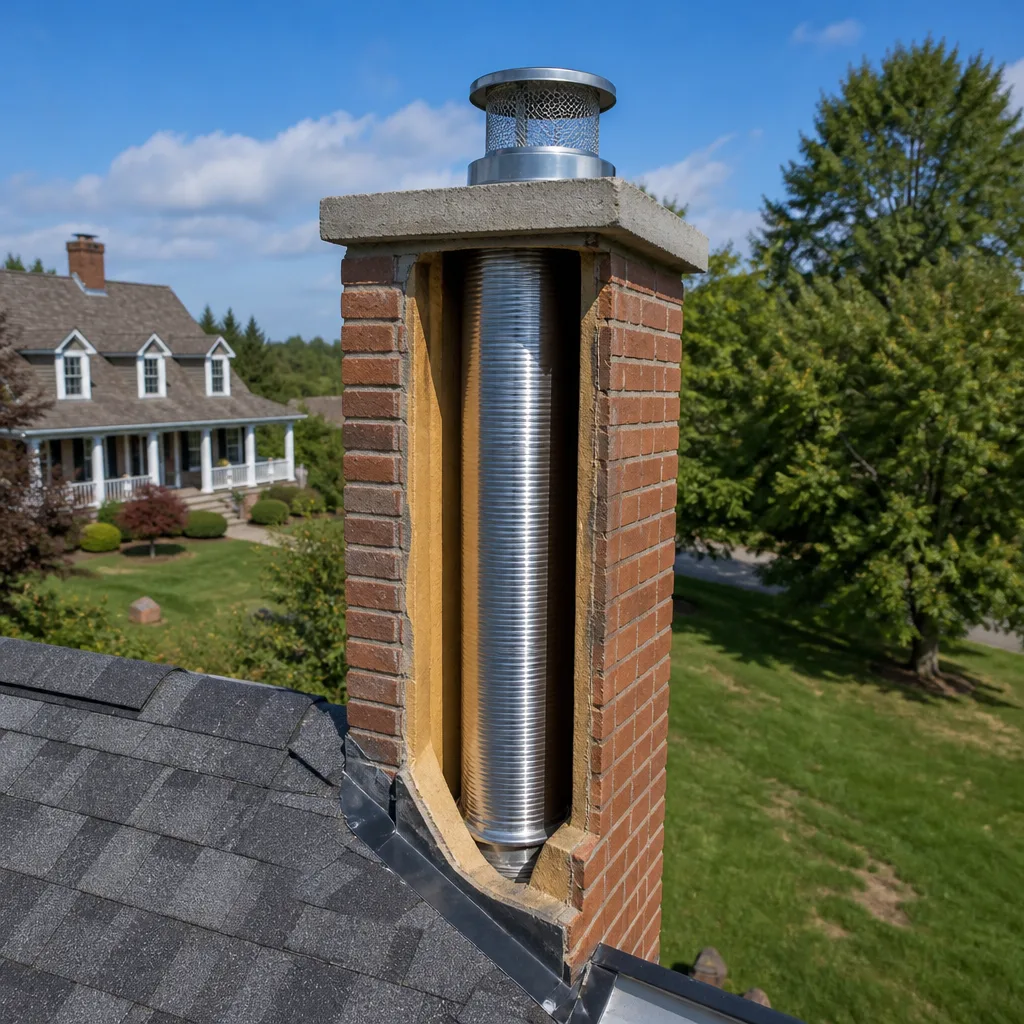
The flue liner is the vertical passage that carries smoke and gases from the firebox to the cap. In older Hollywood homes, the liner is clay tile stacked in sections. In newer homes or repaired systems, it’s often stainless steel from a brand like Firebrick Chimney Sweep‘s inventory, which includes Copperfield and Olympia Chimney components. The liner is the single most important safety component in the entire chimney system. If it cracks, the interior heat isn’t contained, and the crack becomes a path for carbon monoxide to enter the living space. What you’re looking for from the ground is flaking clay, visible gaps between tile sections, or a white staining on the tile faces. Many homeowners can’t see enough of the liner to make a confident assessment. That’s normal. The professional inspection uses cameras for a reason. But if you can see obvious damage, you’re looking at a relining or chimney repair conversation.
Chimney Cap
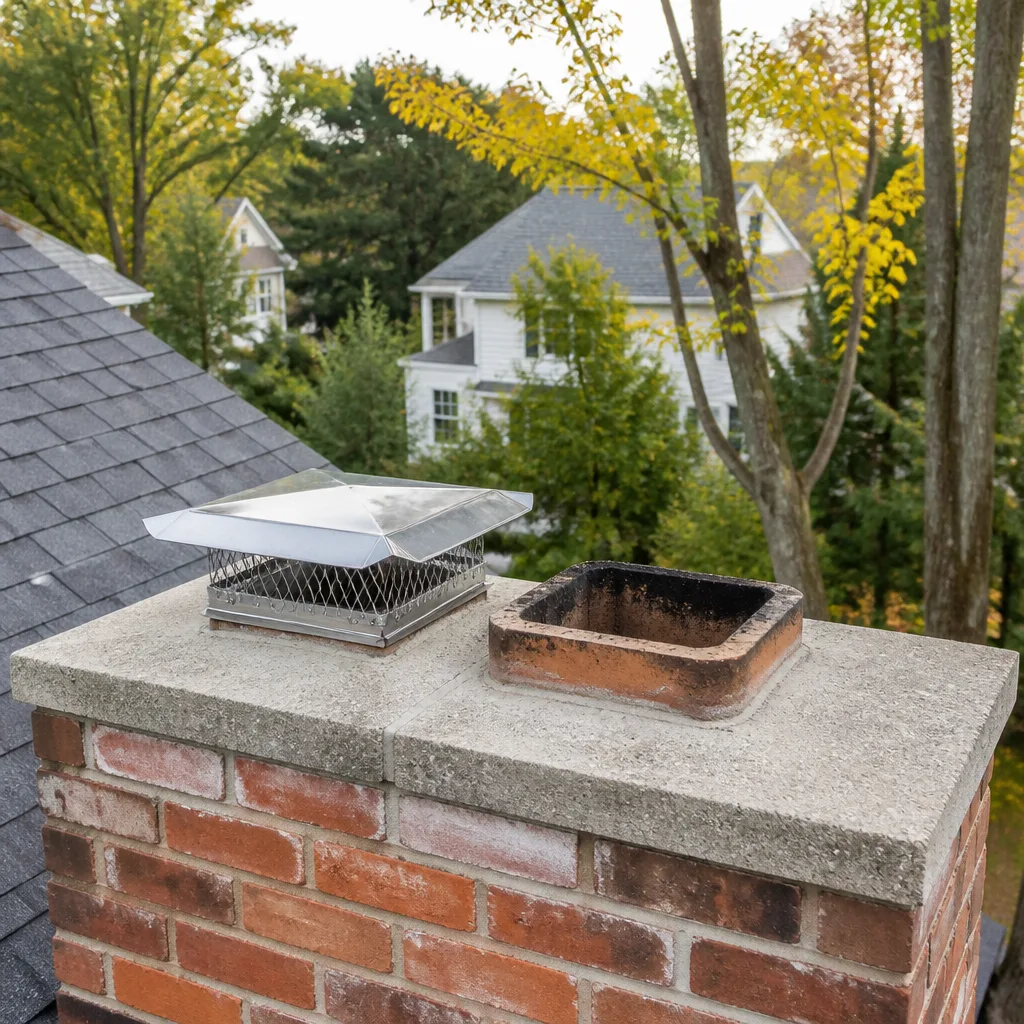
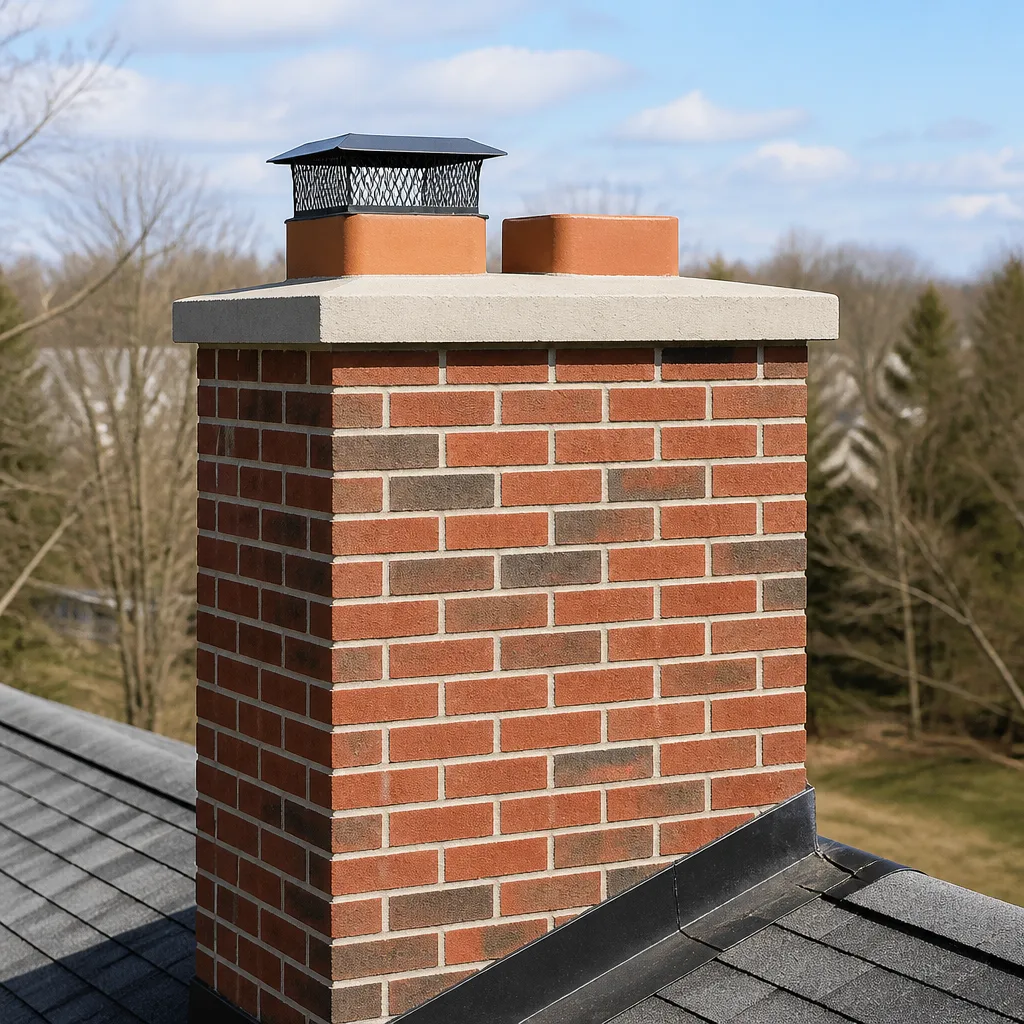
The cap is the steel or copper lid at the very top, and its job is to keep rain, animals, and debris out of the flue. What we find on Hollywood chimneys is a surprising number of missing caps. The cap rusts, it comes loose in high wind, and then it’s gone. Without a cap, the flue is an open pipe to the sky. Check for a cap from the ground. If you don’t have one, get one installed before the next rainy season. It’s one of the lowest-cost chimney improvements you can make, and it prevents most of the damage we see.
Seasonal Triggers for an Off-Cycle Inspection
There are a few events specific to the Hollywood climate and geography that should prompt an inspection outside your normal yearly rhythm. These triggers are not part of the national checklist because most of the country doesn’t experience them.
- After a Santa Ana wind event: Santa Anas create a negative pressure condition at the roofline, which can pull debris and fine dust down into an uncapped chimney. More significantly, sustained high winds can loosen a cap that was already marginal, or shift a chimney crown that was already cracked. After a week of strong Santa Anas, take a look at your roofline for any obvious change.
- After heavy rain following a drought: When Southern California goes through a long dry period, the soils around the foundation contract. When heavy rain finally comes, the soils expand. That expansion and contraction cycle puts stress on the chimney structure, especially if your chimney is on the exterior face of the house. This is when we see new cracks appear in mortar joints, often starting at the top of the chimney and running down. An inspection after a drought-breaking rain is a smart investment.
- After seismic activity: Even a small earthquake can shift masonry. Hollywood sits in an active seismic zone, and a magnitude 4.0 that you barely notice can still create hairline fractures in a clay flue liner. If you felt the earthquake, your chimney felt it too. Most Hollywood homeowners never think to inspect their firebox after a quake, but the firebox is often where the first visible cracks show up.
- If you smell smoke inside when a neighbor has a fire: This is a classic sign that your damper is failing or your chimney is experiencing a downdraft condition. The air pressure difference between your living room and your neighbor’s chimney can actually be pulling their smoke into your space. If it happens more than once, it’s worth investigating.
What to Document After Every Cleaning: Building a Maintainable Record
Here’s the part of chimney maintenance that most people skip, and it’s the part that costs them real money later. When you sell a home in Hollywood, the buyer’s inspector is going to ask about the fireplace. If you can produce a stack of receipts and inspection reports showing annual maintenance going back a decade, that’s a selling point. If you can’t produce anything, the inspector will flag the fireplace as an unknown and the buyer will demand a professional inspection, at best, or a credit at worst. In a competitive Hollywood real estate market, a documented maintenance history can be worth a few thousand dollars.
After every professional cleaning or inspection, you should have the following in your file:
- The inspection report: A written summary of what was checked and what was found. If the company uses camera inspection, ask for the video file or screenshots of the flue condition.
- The cleaning receipt: This shows the date, the service, and the professional who did the work.
- Any repair recommendations: If your sweep recommended a chimney repair, even if you didn’t do it, keep that in your file. It shows that you were aware of the condition and made a decision about it.
- The product or material used: If you had a liner replaced or a crown sealed, note the brand. A future buyer or inspector will want to know that a professional-grade liner like an Olympia Chimney or Copperfield product was used, not a hardware-store substitute.
This record matters for insurance, too. If you ever file a claim related to a chimney fire or water damage, your insurance carrier will ask for maintenance records. A homeowner who can show a decade of annual inspections is in a much stronger position than one who can’t produce anything.
Preventive Maintenance Steps You Can Do Yourself
Not every chimney maintenance task requires a professional. There are a few things you can do as a Hollywood homeowner to extend the life of your system. But let’s be clear about the boundary: anything involving the flue liner, the firebox structure, or the crown should be left to someone who works on chimneys every day. The following tasks are the homeowner-level items that don’t require getting on the roof.
- Check the damper every spring and fall: Open it fully, close it fully, and check that it seats. If you feel resistance or hear grinding, note it and have it addressed at your next professional visit. Don’t force a stuck damper. A broken damper handle is a more expensive repair than a seized damper itself.
- Look at the firebox with a flashlight monthly during fire season: You’re looking for new cracks, falling mortar, or white staining. If you see any of those, stop using the fireplace and call for an inspection before the next burn.
- Keep the cap visible from the ground: You can’t inspect the cap from below, but you can check that it’s still there. A missing cap is a problem you can spot from the street.
- Don’t burn unseasoned wood or wrapped materials: Wet wood creates more creosote, and burning paper with colored inks or synthetic materials deposits chemicals that are hard on the flue liner. In a low-use fireplace, that buildup doesn’t get burned off the way it would with regular use, so it accumulates faster than you’d expect.
- Test your carbon monoxide detector: This is the cheapest maintenance you can do. A chimney obstruction or a failing liner can put carbon monoxide into your living space, and the detector is the last line of defense. Test it monthly, and replace the batteries twice a year.
Gas Insert vs. Wood-Burning: Different Checklists for Different Systems
A gas fireplace does not need the same cleaning schedule as a wood-burning one. But it still needs maintenance, and the maintenance is specific to the system type.
Gas inserts and gas logs
- Check the glass for cracks or chips. A cracked glass panel on a gas insert can leak carbon monoxide into the room, not just heat.
- Look at the logs for carbon buildup. If the flame is yellow and sooty, the air-to-fuel ratio is off, and the burner needs adjustment. Soot buildup on gas logs can clog the burner ports.
- Test the pilot light and the burner. A lazy orange flame is a sign that something isn’t burning cleanly. These systems should be serviced every one to two years by a professional who understands gas ventilation, because the flue gas path is still a safety-critical component even if you’re not burning wood.
- Inspect the venting. Many Hollywood homes have direct-vent gas inserts that run through the existing chimney. The liner for a gas insert is typically stainless steel, and it needs to be checked for corrosion and blockages just like a wood-burning flue.
Wood-burning fireplaces
- After every fire, wait for the ashes to cool completely, then remove them. A thick ash bed reduces airflow and makes the fire burn less efficiently.
- Check the andirons and grate for rust, especially if you’ve been burning infrequently. A rusted grate is more likely to sag, and a sagging grate puts fire too close to the firebox floor.
- Watch for smoke that comes into the room when you first light a fire. This is often a cold flue problem, but if it persists after the flue warms up, it’s a sign of an obstruction or a draft problem that needs professional attention.
Common Mistakes to Avoid
- Assuming an unused fireplace doesn’t need attention. In Hollywood’s damp marine layer, an unused fireplace is often the one that deteriorates fastest. Without periodic heat cycles to drive out moisture, the structure holds water for months at a time, and that’s what breaks down mortar and liners. Annual inspection is non-negotiable, even if you never light a fire.
- Ignoring small exterior cracks because they don’t look like much. A hairline crack in a chimney crown will widen with every moisture cycle. What looks like a cosmetic issue in February is a water-intrusion problem by December. Seal small crown cracks early, or expect to pay for much bigger chimney repair later.
- Failing to look for a cap. A surprising number of Hollywood homeowners don’t know whether they have one or not. If your chimney has no cap, every rainstorm is dumping water directly down the flue. This is the single most preventable source of damage to the firebox and damper.
- Using a chimney sweep that can’t repair what they find. If your sweep identifies a liner problem and then refers you to a mason, you’re now coordinating two contractors. That’s the old model. The newer, simpler one is a full-service company like Firebrick that handles both the sweep and the repair, including liner work with materials like HeatShield and DuraFlex. One company, no referrals.
- Skipping documentation because it feels bureaucratic. Your chimney maintenance record is leverage. It’s what you show a buyer, an insurance adjuster, or a follow-up inspector. A homeowner who keeps receipts and reports for a decade is a homeowner who gets the benefit of the doubt.
- Trying to inspect the flue liner by looking up from the firebox with a phone flashlight. You can’t see the flue from below. You’re seeing the smoke shelf at best. The flue is a vertical tube that requires a camera dropped from the top or pushed up from the bottom. This is exactly why professional inspections exist.
When to Call a Professional
There are moments when a checklist isn’t enough. If you see cracked or missing mortar in the firebox, a visibly damaged or missing chimney cap, or water staining anywhere in the system, it’s time to bring someone in. If you smell smoke indoors when no fire is burning, or if your carbon monoxide detector goes off and you can’t explain why, call a professional before you do anything else. These are not conditions that resolve themselves. Chimney sweep in Century City and surrounding areas are part of our regular service region. Firebrick Chimney Sweep offers free estimates in Hollywood, so there’s no cost to having a condition assessed. Call (866) 520-4943 and describe what you’re seeing. We’ll tell you honestly if it can wait.
Frequently Asked Questions
Wood-burning chimneys need a sweep and inspection once a year, regardless of how often you use them. Gas inserts can typically go two years between services, but the venting should be checked annually. Hollywood’s marine layer moisture makes even low-use chimneys vulnerable to gradual deterioration, so the annual visit is more about catching structural issues than removing soot.
In Hollywood, a standard residential chimney sweep and inspection typically runs between $180 and $350, depending on the height of the chimney and the accessibility of the roof. If the sweep finds a problem that requires repair, that’s quoted separately, and you should expect to see camera evidence before agreeing to any work. Estimates from Firebrick are free, so call (866) 520-4943 for an exact quote.
Yes, and if anything, a rarely used fireplace needs a cap more than one that sees regular use. An unused flue is a quiet, empty tube that invites animals and collects rain. A cap is the cheapest insurance you can buy for a chimney, and most of the firebox and damper damage we see in Hollywood homes traces back to a missing or damaged cap.
You can remove ashes from the firebox and check the damper yourself, but cleaning the flue requires getting on the roof, opening the cap, and running a brush the full length of the liner. That’s dangerous work on a pitched roof, and it’s also the kind of job where doing it wrong gives you a false sense of safety. A professional sweep uses a camera to verify the flue is clean and undamaged, which is something a homeowner-level cleaning can’t do. Call (866) 520-4943 to schedule an inspection and sweep.
Efflorescence is a white, chalky residue that appears on masonry when water moves through it and evaporates, leaving salt behind on the surface. It means water is penetrating the brick or mortar somewhere and then drying out through the face. In Hollywood, where the marine layer keeps chimneys damp overnight, efflorescence is a common early sign that the crown or the mortar joints need sealing before the problem becomes more serious.
Not necessarily before selling, but you should have a documented maintenance history ready to show buyers. If you’ve been keeping up with annual inspections and addressing repairs as they came up, you’re in a good position. If you haven’t had the chimney looked at in years, a pre-listing inspection is a smart move, because a chimney repair issue that comes up during escrow becomes a negotiation point that costs you money.
The Bottom Line
The Hollywood chimney fails differently than a chimney in a cold-weather city, and that means the maintenance checklist has to be different too. Moisture is the main enemy here, not creosote. Low-use fireplaces are not low-risk fireplaces. Annual inspection, a solid cap, a working damper, and a written maintenance record are the four legs that keep your fireplace safe and sale-ready. Firebrick Chimney Sweep handles the whole lifecycle, from cleaning to structural repair, using professional-grade materials like Copperfield, Olympia Chimney, and Gelco. We sweep it, we repair it. One company, no referrals.
Written by the team at Firebrick Chimney Sweep, serving Hollywood since 2012.
See the difference
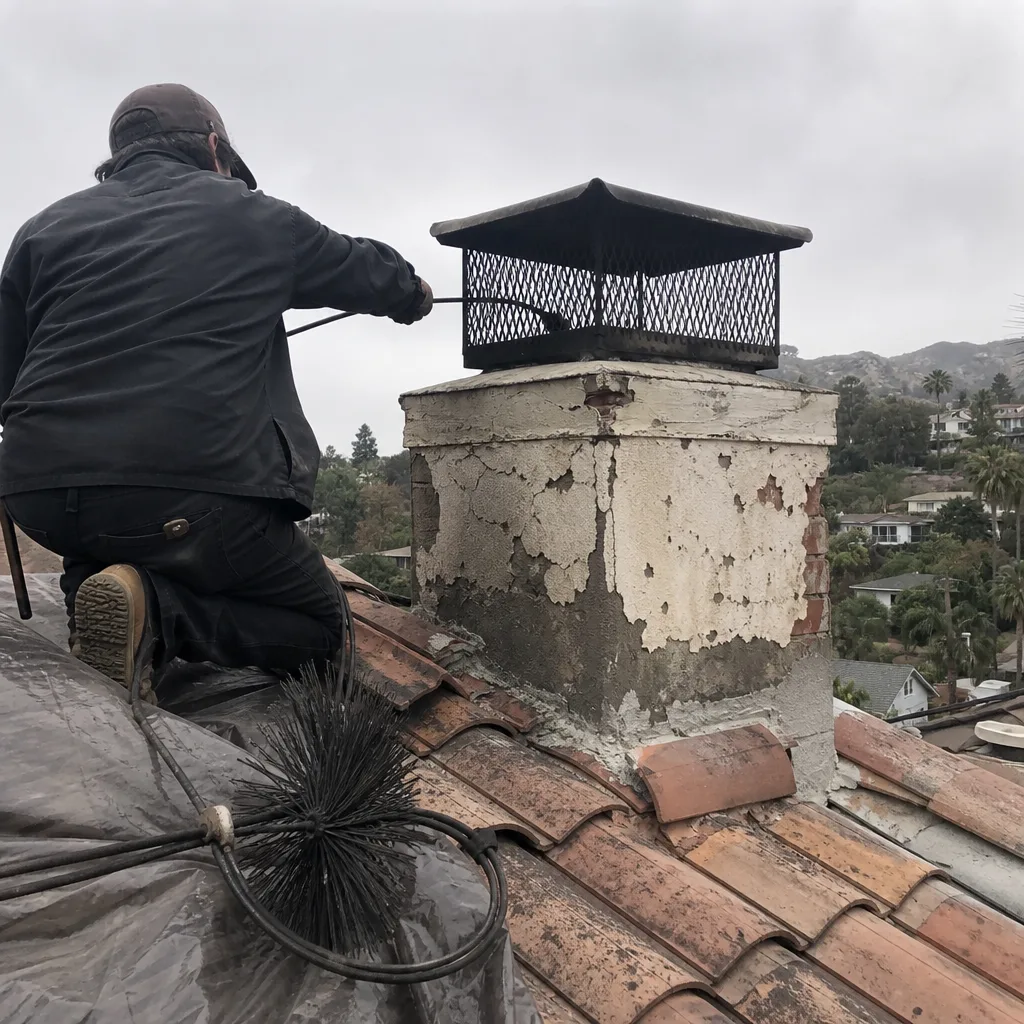 Before
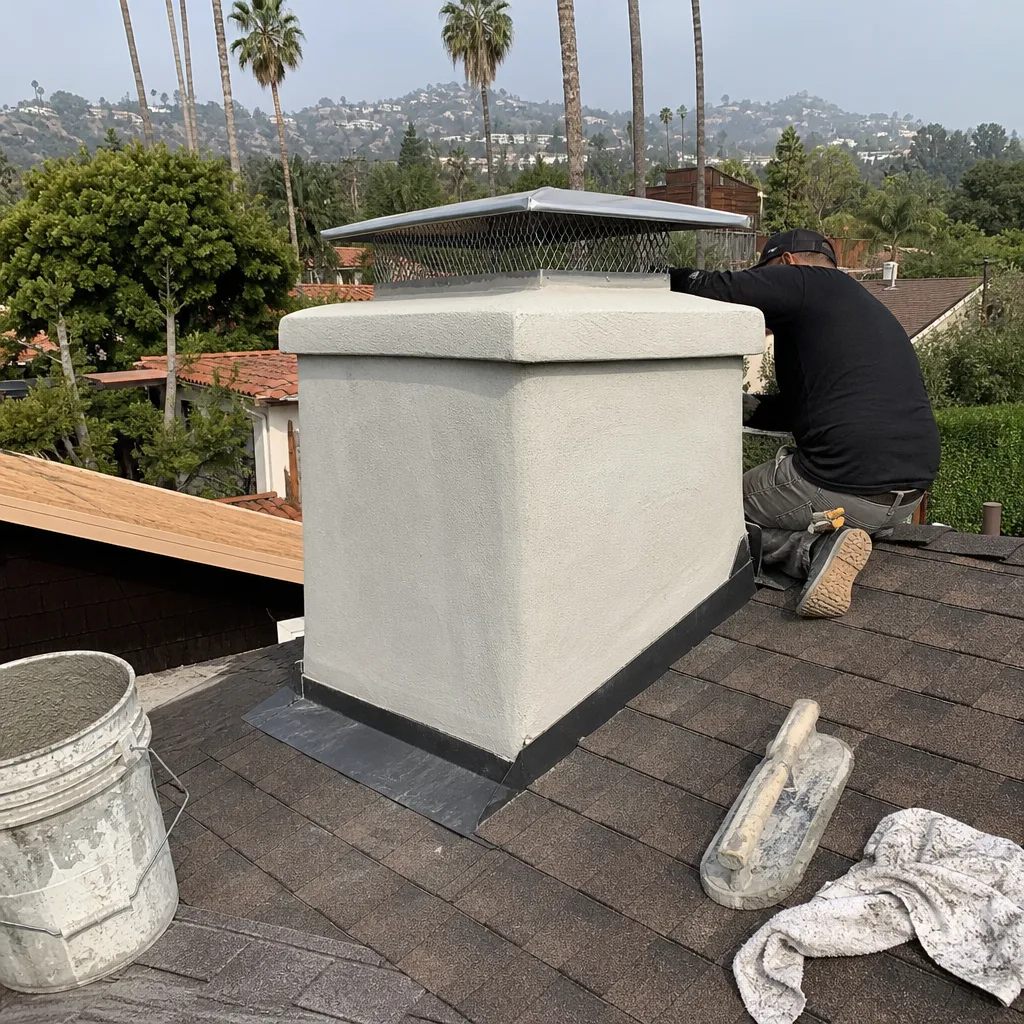 After
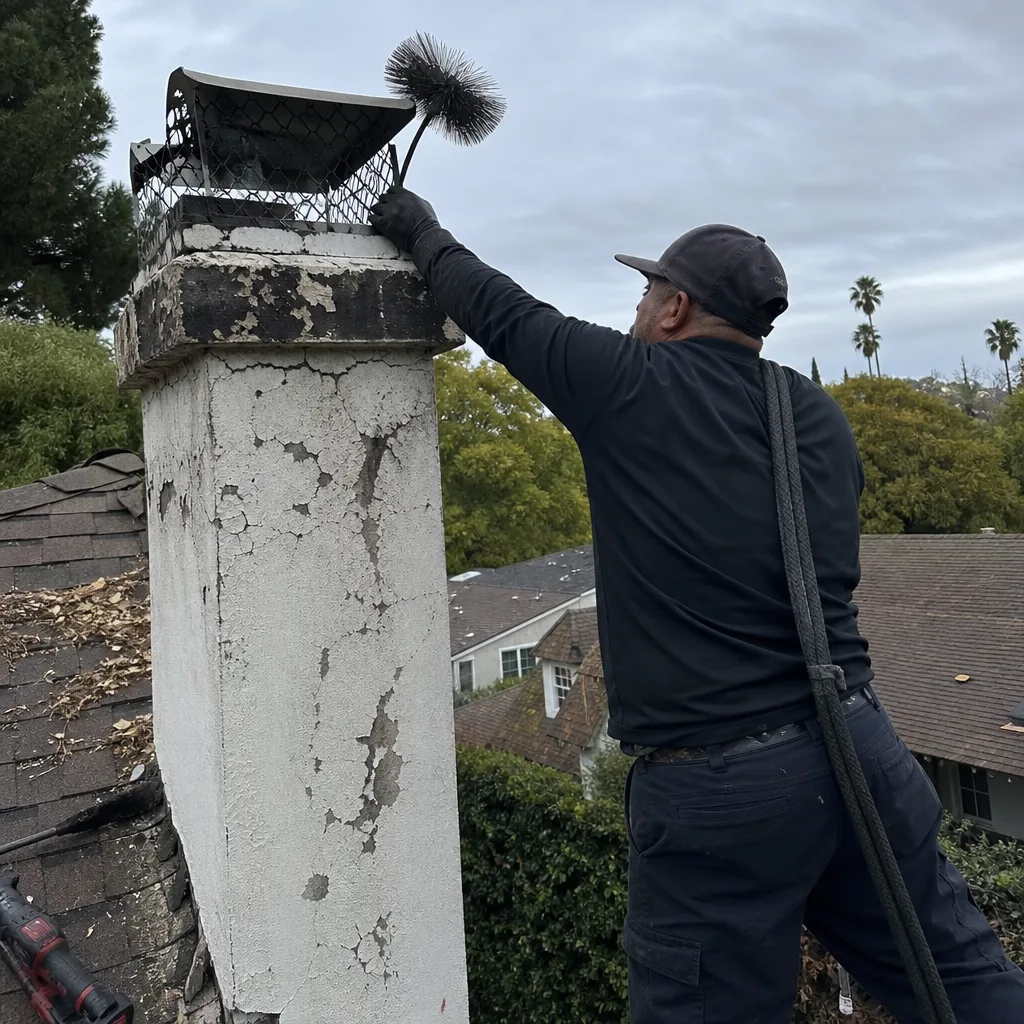 Before
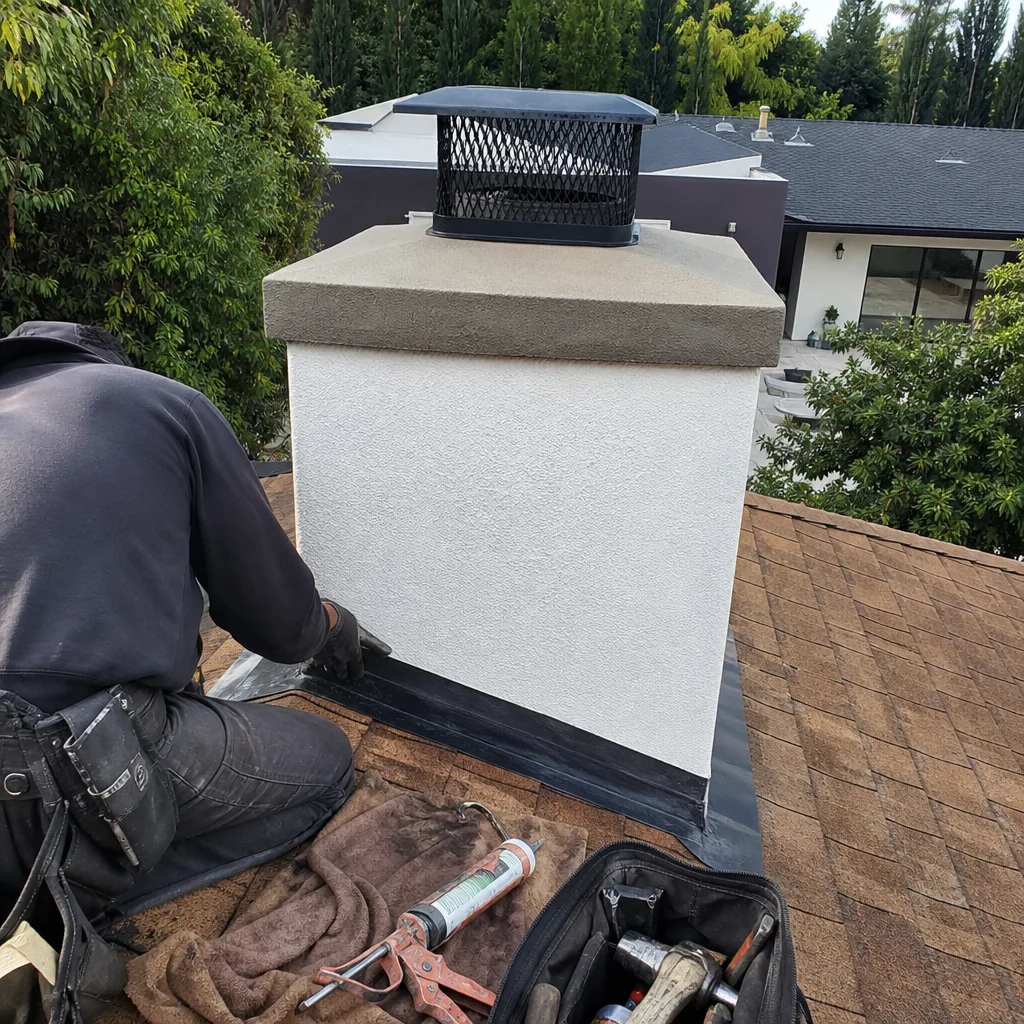 After
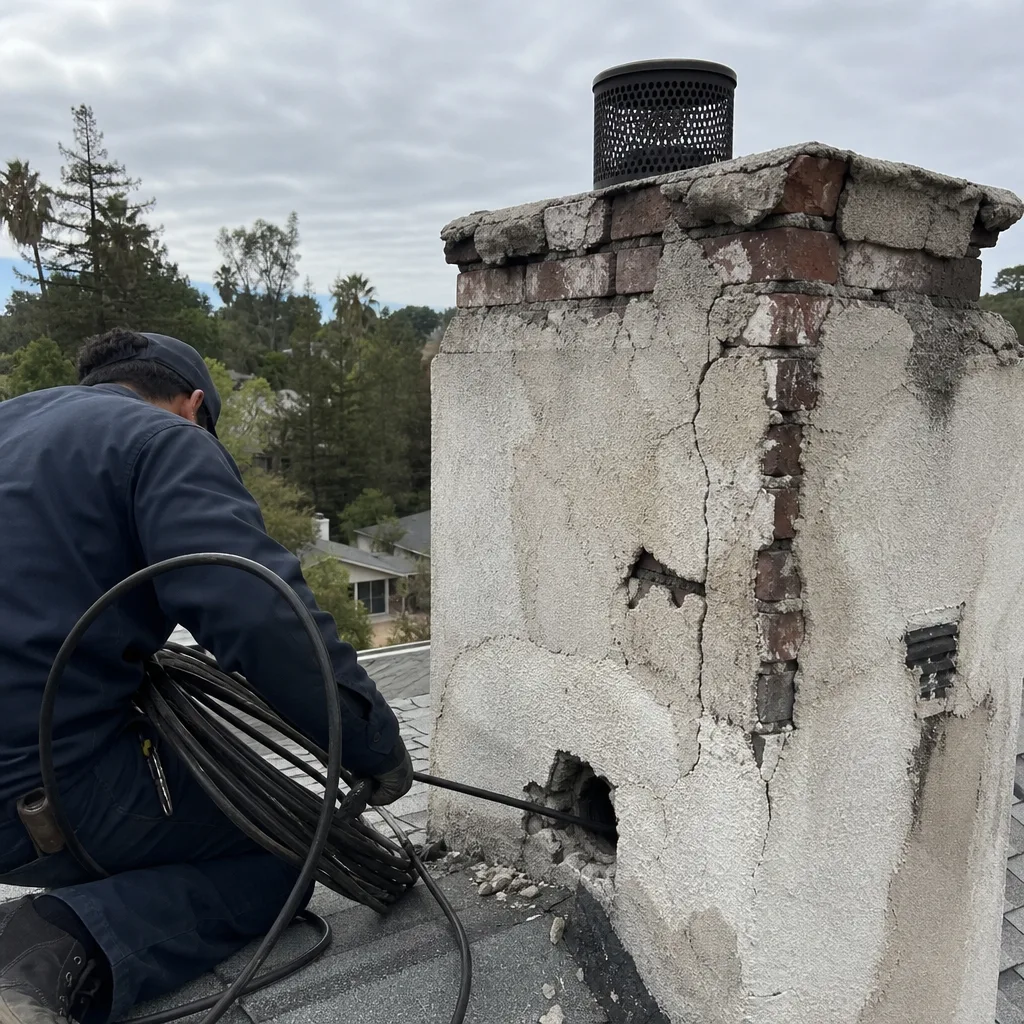 Before
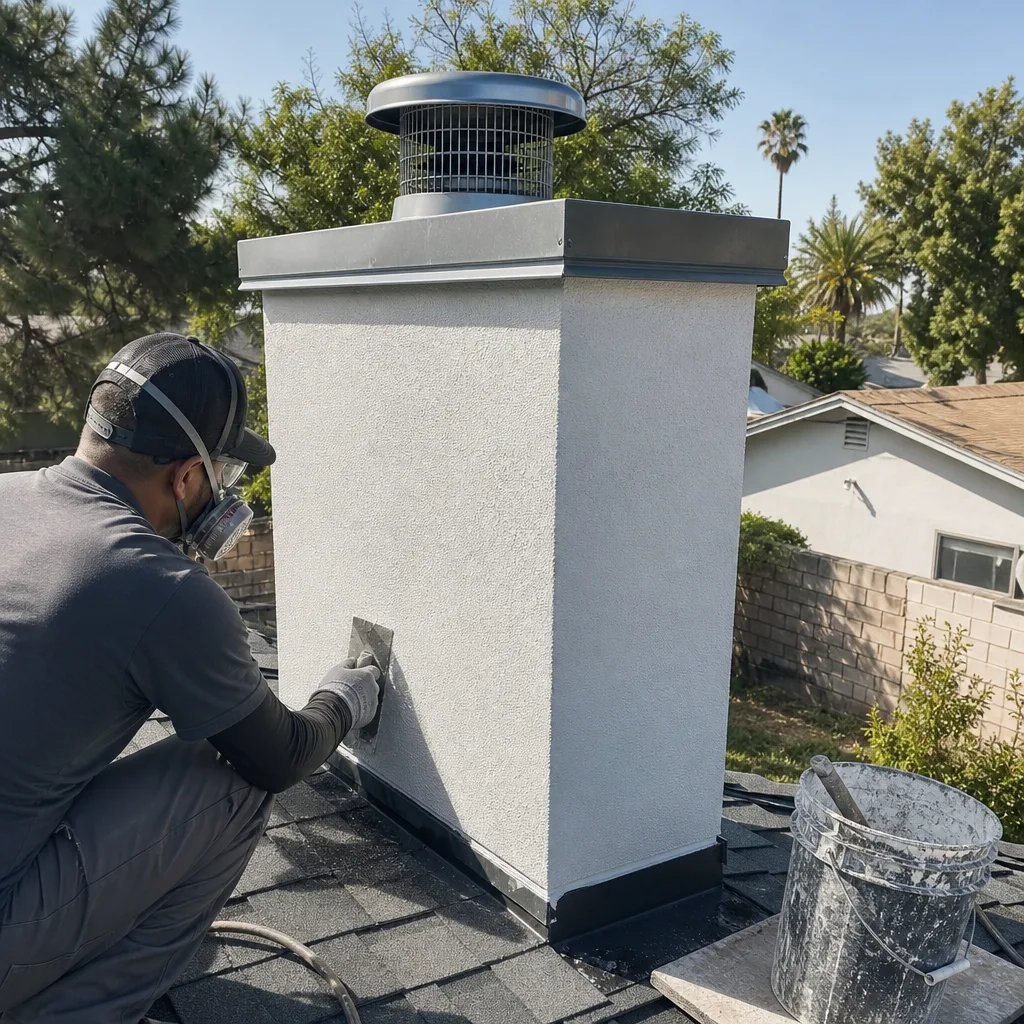 After