Last updated October 30, 2026
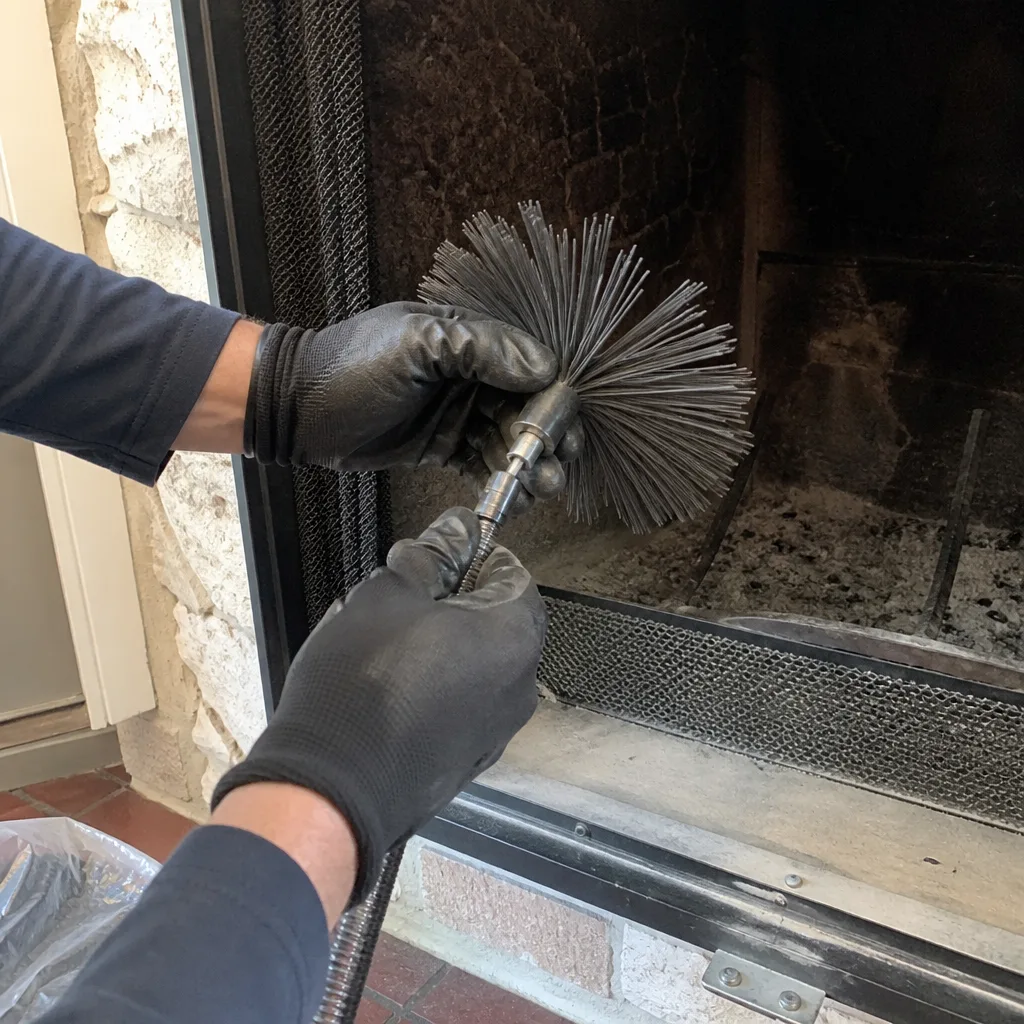
 Sweep & inspection
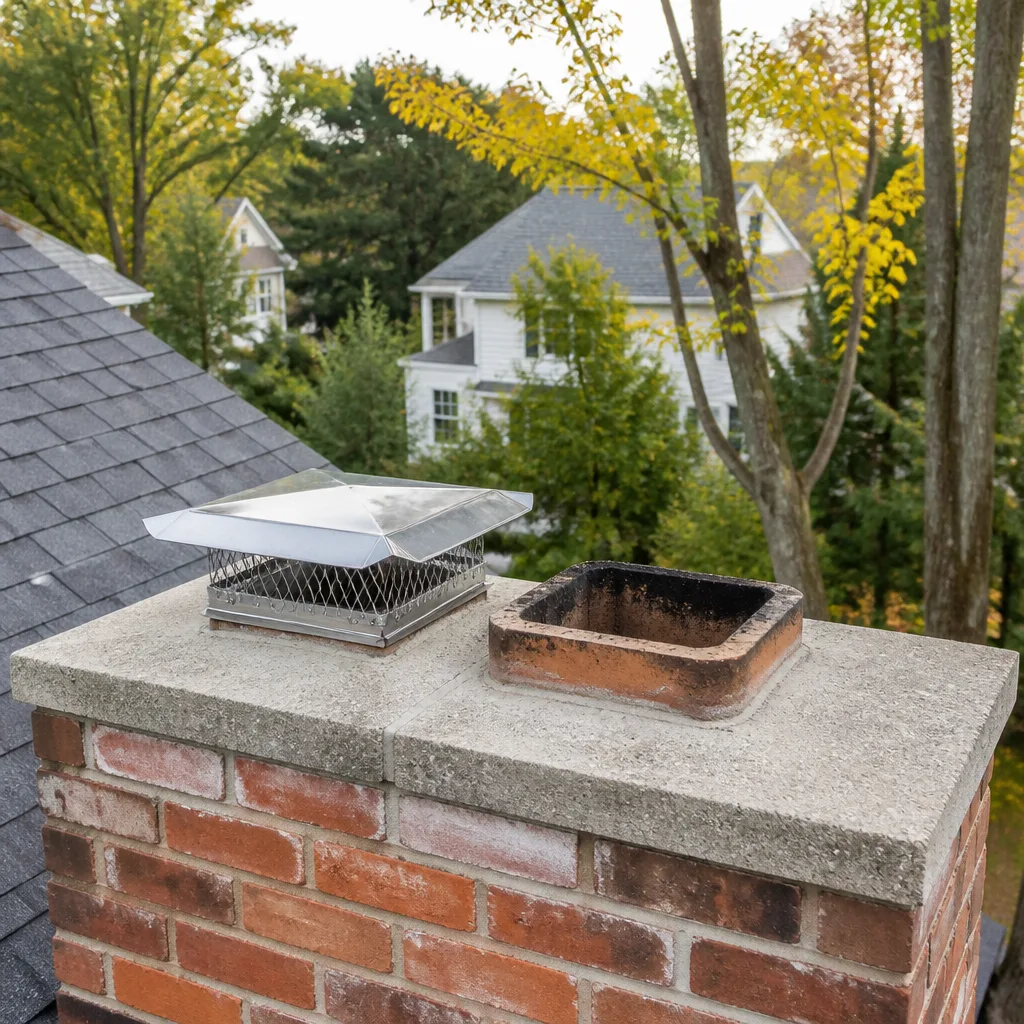
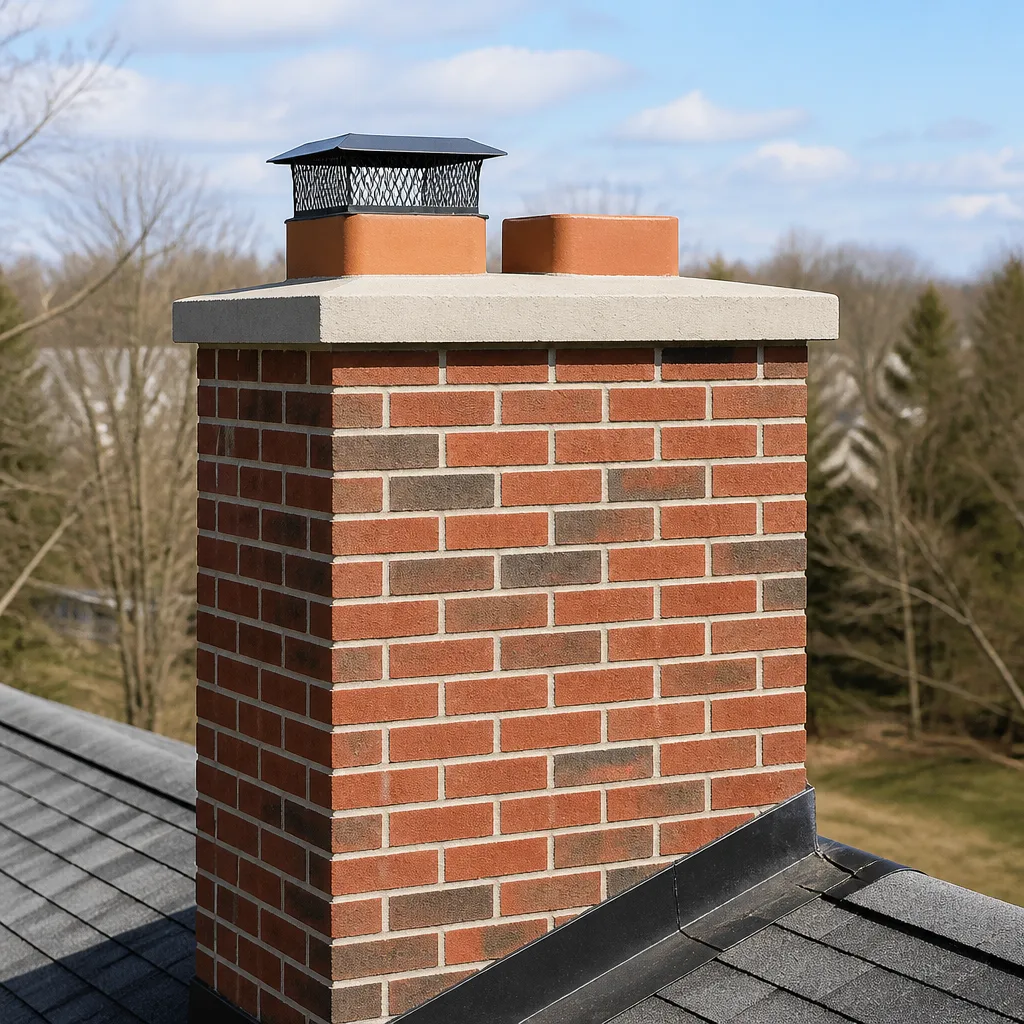 Caps & crowns
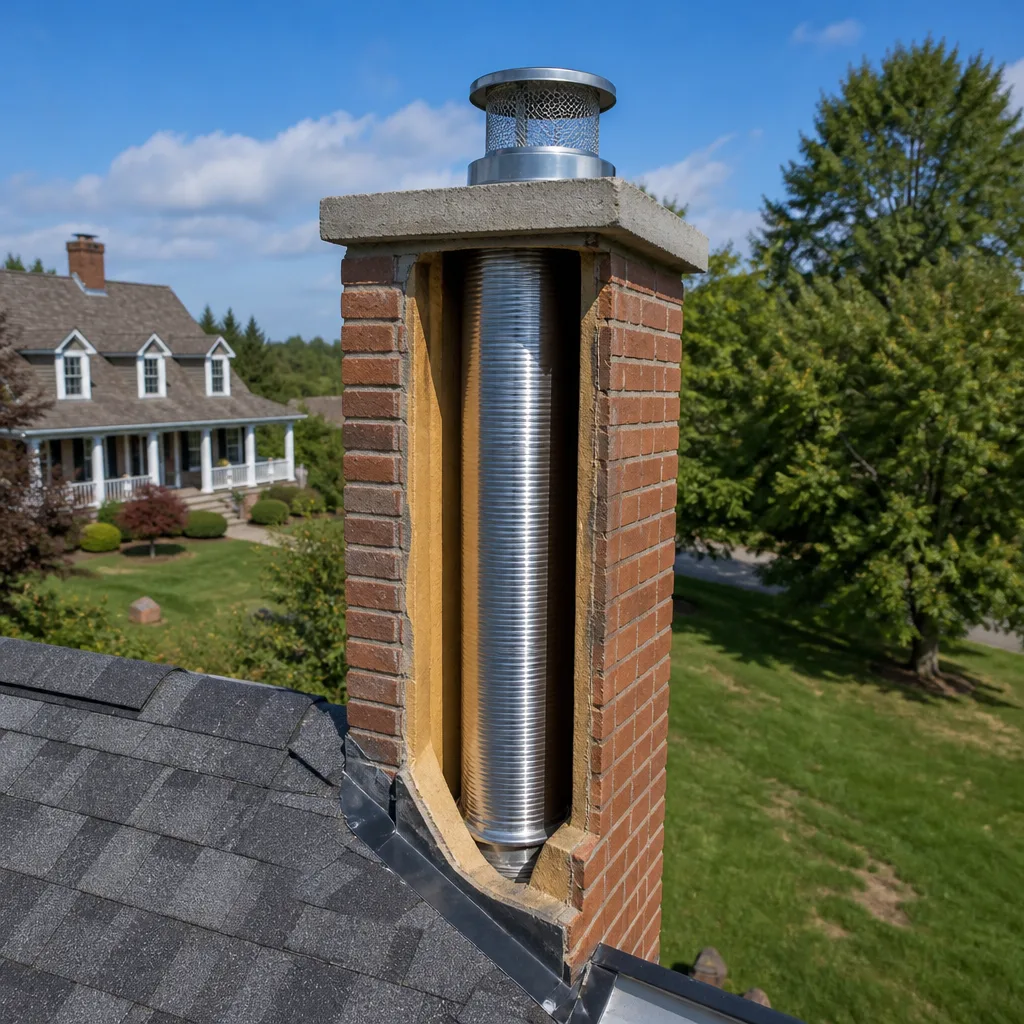 Flue relining
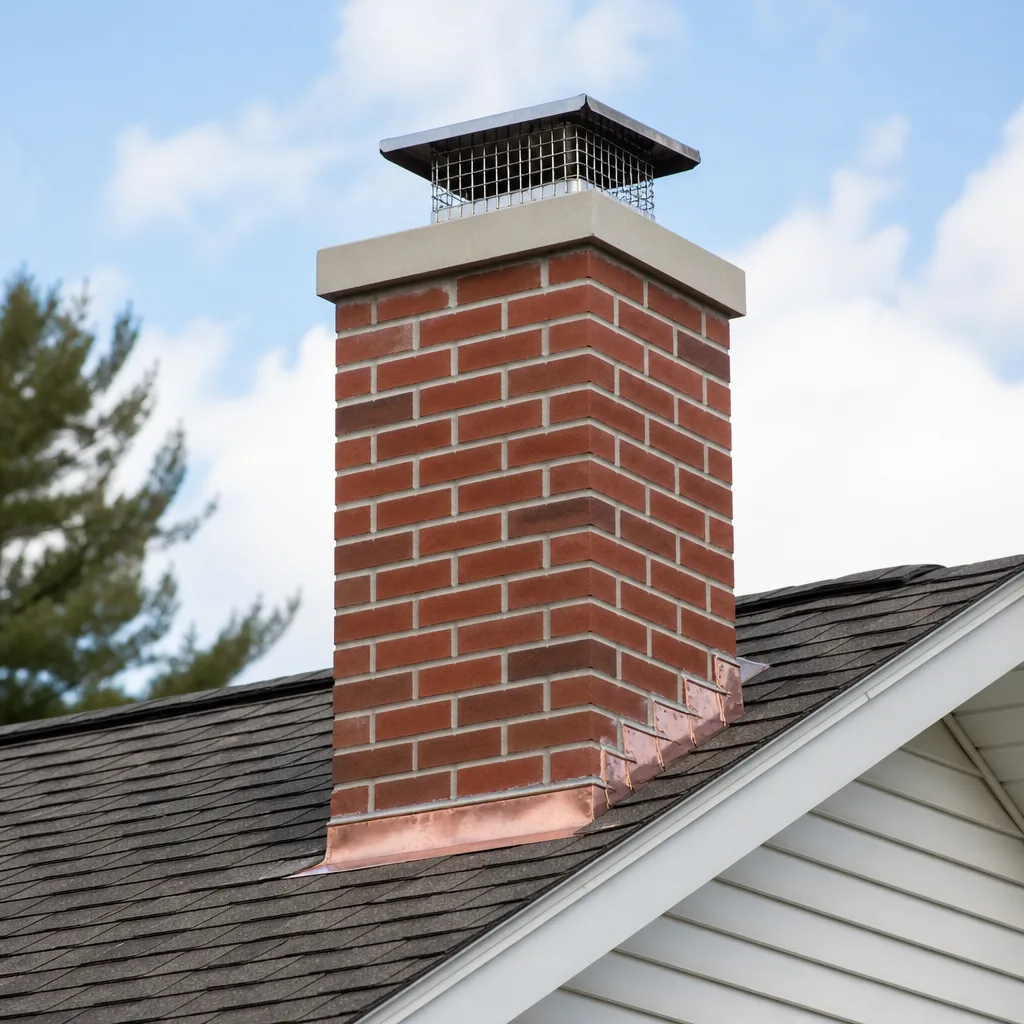 Masonry repair
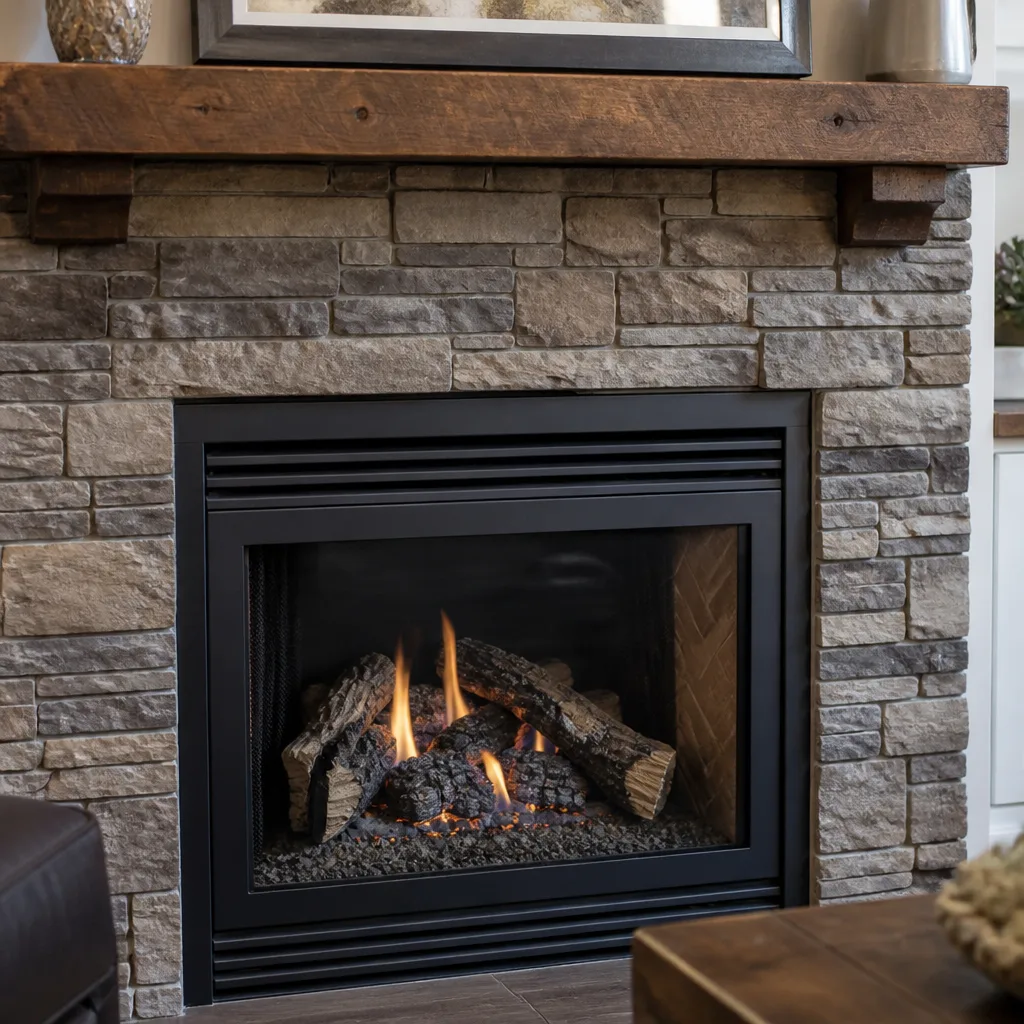 Gas fireplace service
Level 1 sweep and inspection to the NFPA 211 annual standard - flue, crown, cap, and flashing checked and photographed
Chimney sweep logs do not sweep chimneys. They loosen some creosote - which then falls where a brush and vacuum still have to collect it.
Chimney Cleaning Warning Signs: A Hollywood Homeowner’s Reference Guide
Most homeowners in Hollywood learn to read their chimney the way a driver reads a dashboard: they wait for the warning light. That light is usually smoke rolling into the living room or the acrid smell of creosote thick enough to taste. The problem is that by the time those signals appear, the chimney has been degrading for months, sometimes years. The early indicators are not dramatic. They are structural, visual, and quiet. A hairline crack in the firebox, a faint white bloom on the brick, a damper that takes real effort to move. This guide and our Chimney Sweep Maintenance Checklist for Hollywood Homeowners explain what those early signs mean at the level of the masonry and ventilation system itself, so a Hollywood homeowner can act before a nuisance becomes a fire hazard or a repair bill with five figures in it.
Styles & brands we work with
Quick Answer
Chimney cleaning warning signs in Hollywood include white efflorescence or dark staining on exterior brick, rust on the damper or firebox, a damper that is hard to open, visible flaky or shiny creosote inside the flue, and fireplace odors that persist when the fire is out. Hairline cracks in firebox panels and crumbling mortar joints are structural warnings that indicate moisture or seismic movement and require professional assessment, not just a sweep, as covered in our Chimney Sweep Troubleshooting: Common Problems and How to Fix Them.
Table of Contents
- Reading the Exterior: Spalling, Efflorescence, and Rust Streaks
- The Damper Test: What a Stiff Damper Is Actually Telling You
- Identifying Stage 1 vs. Stage 2 Creosote with a Flashlight
- Odor Mapping: What Different Smells Reveal About Failed Components
- Firebox Cracks and Seismic Movement in Hollywood
- Gas Fireplace Warning Signs That Get Missed
- Mortar Joint Deterioration and What It Means Inside the Flue
- Clearance to Combustibles: The Hidden Fire Hazard
- Common Mistakes to Avoid
- When to Call a Professional
- Frequently Asked Questions
- The Bottom Line
Reading the Exterior: Spalling, Efflorescence, and Rust Streaks
The outside of a chimney in Hollywood is a weather gauge, a moisture meter, and a structural report all at once. Most homeowners glance at it and see brick. We look at it and see a history of what has been happening inside the flue for the past several seasons. Three visual signals on the exterior of a chimney are reliable early warnings that something inside is failing.
Spalling brick is brick that has begun to flake, chip, or shed its outer face. The face of a brick is its densest, most weather-resistant layer. Once it is gone, the softer interior of the brick is exposed and erodes quickly. Spalling does not happen because brick gets old. It happens because water has entered the masonry and is freezing, expanding, or chemically breaking down the clay. In Hollywood, where winter temperatures rarely drop below freezing in most neighborhoods, the more common cause of spalling is a damaged chimney crown or missing cap that allows rainwater to saturate the brick. When we see spalling on the exterior, the first thing we want to know is what the flue liner looks like inside. The two are almost always connected, because the same water that is destroying the face of the brick is also attacking the mortar joints and liner from the inside.
White efflorescence is a crystalline, powdery deposit that forms on brick and mortar. It is salt. As groundwater or rainwater moves through masonry, it dissolves natural salts from the brick, mortar, and soil. When that water reaches the surface and evaporates, it leaves the salt behind. Efflorescence on a chimney exterior means water is moving through the chimney system in volumes that exceed what the masonry can absorb and release without damage. A light dusting after a rainy season is not necessarily a crisis. But efflorescence that returns, spreads, or is accompanied by crumbling mortar is evidence of water intrusion that will not fix itself. The fix usually involves sealing the crown, repairing flashing at the roofline, or repointing the mortar joints. If efflorescence is visible near the base of the chimney inside the home, the water is traveling deeper into the system, and the liner may be deteriorating as you read this.
Rust streaks running down the exterior of a chimney are not a cosmetic issue. They indicate metal components inside the chimney are corroding. The most common sources are the metal cap, the damper assembly, or a steel liner. When a steel liner rusts, it is losing structural integrity. Rust streaks below the chimney cap often mean the cap itself is failing and allowing water into the flue. Rust at the firebox level inside the home indicates the damper is oxidizing. In either case, rust means a component is in the process of failing. By the time you can see rust staining on brick, the metal piece has been corroding for a while.
In our experience across Hollywood, spalling and efflorescence appear most often on chimneys built between the 1940s and 1960s, when masonry techniques were sound but water management details such as crown overhangs and cap designs were often minimal. Homeowners who notice these exterior signals early can often resolve them with repairs measured in the hundreds of dollars. Those who wait typically face liner replacement or partial rebuilds measured in the thousands.
The Damper Test: What a Stiff Damper Is Actually Telling You
Most homeowners think of the damper as a simple mechanical flap. Open it to let smoke out. Close it to keep cold air from coming down the flue. When it gets hard to move, the instinct is to lubricate it or force it. That misses the point.
A damper that is hard to operate is a ventilation warning, not a mechanical inconvenience. Dampers in Hollywood chimneys fail for two primary reasons: rust and warping. Both are caused by what is moving through the chimney, not by the damper hardware itself.
Rust on a damper comes from moisture. That moisture arrives either from the top of the chimney, through a failed cap or cracked crown, or from inside the home, as a byproduct of combustion. Every fire produces water vapor. In an efficient, properly drafting chimney, most of that vapor exits the flue. In a chimney that is not drafting well, or one that is used infrequently, that vapor condenses on the metal damper blade and accelerates oxidation. A rusty damper is therefore an early signal that either the chimney is not venting properly or water is entering from above. The stiffness is secondary. The rust is the actual warning.
Warping is caused by high heat. A damper that has been repeatedly exposed to temperatures beyond its design range will deform slightly. That deformation makes the blade bind against its frame. Warping suggests the homeowner has burned fires hot enough to stress the damper, which also means the flue and any clay liner have been stressed by the same heat. If the damper is warped, we want to inspect the flue with a camera before we do anything else. Excessive heat in a masonry chimney can crack clay liner tiles, and those cracks are what allow heat and combustion gases to reach combustible framing.
Here is a simple test any Hollywood homeowner can do. Open the damper fully. Close it fully. Do this several times. The movement should be smooth and consistent, with no grinding, catching, or sudden resistance. Then examine the blade with a flashlight. Look for rust pitting, scaling, or a blade that no longer seats evenly against its frame. If the damper will not open fully or close completely, the chimney is not under your control. You are venting a fire through a system you cannot regulate. That is a cleaning and inspection priority, and it may indicate the smoke shelf and flue above the damper are clogged with creosote or debris.
Chimney work is all we do, and the damper is one of the first components we check on every visit. A damper that is hard to move is never just a damper problem. It is a message about what is happening above and below it.
Identifying Stage 1 vs. Stage 2 Creosote with a Flashlight
Creosote is not one substance. It is a family of combustion byproducts that forms as wood smoke cools and condenses on the walls of the flue. The form creosote takes tells you how urgent the cleaning is. You do not need professional equipment to identify the difference between stage 1 and stage 2 creosote. You need a flashlight, a cool chimney, and the willingness to look up the flue from inside the firebox.
Stage 1 creosote is a fine, dusty, soot-like layer. It resembles ground black pepper or very fine ash. It brushes off easily and has a flat, dull texture. Stage 1 creosote is present in every wood-burning chimney after any number of fires. It is not inherently dangerous in small amounts, but it is not harmless either. Stage 1 creosote accumulates faster when fires are burned at low temperatures, when green or unseasoned wood is used, or when the flue is oversized for the fireplace. A thin layer of stage 1 creosote that has accumulated over a season means the chimney is ready for its annual sweep. It does not require emergency intervention.
Stage 2 creosote is a different material. It appears as shiny, black, brittle flakes or hard, crunchy deposits that look like dried tar. Sometimes it forms in curled, ribbed patterns that follow the airflow inside the flue. Stage 2 creosote is the result of restricted airflow causing smoke to linger in the chimney long enough for volatile gases to condense into heavier compounds. It is a concentrated fuel coating the inside of your chimney. If stage 2 creosote is visible with a flashlight, the chimney needs cleaning before the next fire. No exceptions. The flue has entered the range where a chimney fire becomes possible.
Stage 3 creosote, which we will mention briefly, is thickened, glossy, tar-like creosote that can drip and run down the flue. It is highly concentrated fuel. At stage 3, the chimney is a genuine fire hazard, and standard mechanical brushing may not be sufficient to remove it. Chemical treatments or specialized removal methods may be required.
The flashlight inspection is straightforward. Wait until the fireplace has been cold for at least 24 hours. Open the damper completely. Shine a bright flashlight up into the flue from inside the firebox. Look for the texture and appearance of the creosote layer. Dusty and flat is stage 1. Shiny, flaky, or bubbled is stage 2 or worse. In our line of work, we work with professional-grade equipment and techniques for creosote removal, but we also believe a homeowner who can accurately describe what they see in their flue on the phone is a homeowner we can serve better and faster.
Odor Mapping: What Different Smells Reveal About Failed Components
Smell is the most underused diagnostic tool a homeowner has. Chimney odors are not random. They follow predictable paths based on what has failed. Mapping the smell to the room and the conditions tells you a lot about which component is responsible.
Mildew or damp basement smell in the living room near the fireplace indicates standing water somewhere in the chimney system. The most common sources are a failed chimney cap that allows rain into the flue, a cracked crown that saturates the masonry, or a blocked flue that prevents moisture from drying. In Hollywood, where the rainy season is concentrated and intermittent, chimneys often sit damp for weeks between storms. That dampness absorbs into the brick, the mortar, and any creosote deposits, producing a distinct organic odor. A mildew smell means the chimney needs a water intrusion evaluation, not just a sweep. The sweep will remove the creosote, but if the water path is not corrected, the smell returns.
Smoke smell when the fire is out is a drafting problem or a downdraft condition. The trapped combustion gases are finding their way back into the home instead of exiting the flue. Common causes include a dirty chimney restricting the draft, a chimney too short to overcome air pressure in the home, a damper that does not close tightly, or negative air pressure created by exhaust fans, a tight building envelope, or a rival ventilation system competing for air. In older Hollywood homes with updated windows and doors, negative pressure problems are common. The house gets tight, and the chimney cannot pull enough makeup air to draft properly. A smoke odor that persists after the fire is a sign the chimney is not venting when it is cold, which means it is not venting well when it is hot either.
Sulfur or rotten egg smell is the most serious odor. It indicates a gas leak or the presence of hydrogen sulfide, which can be produced by decomposing organic material in a blocked flue. In a home with a gas fireplace or a gas log set, sulfur odor should be treated as a gas safety concern until proven otherwise. If the smell is strong, leave the immediate area and call the gas utility or a qualified technician. In a wood-burning chimney, sulfur can also come from an animal that has died in the flue or from anaerobic decomposition in a badly clogged chimney. Either way, do not burn a fire until the source is identified and cleared.
One reliable approach is to note which rooms the odor appears in and when. A smell that worsens with the heat on suggests a different path than a smell that appears when the wind blows. A smell that is strongest near the chimney chase or wall voids suggests a crack or gap in the flue allowing gases to enter the home structure. When a homeowner maps the odor for us over the phone, it often cuts the diagnostic time on site by half. We sweep it, we repair it. One company, no referrals.
Firebox Cracks and Seismic Movement in Hollywood
Hollywood sits in one of the most seismically active basins in North America. The ground moves. Not always in dramatic, headline-breaking earthquakes. Often in small, persistent vibrations from fault activity, construction, and traffic. Chimneys feel every bit of that movement because they are the tallest, most rigid masonry structures attached to a house. A chimney is an accelerometer made of brick.
The firebox refractory panels, the heat-resistant panels that line the firebox, are among the first components to show signs of this movement. Hairline cracks in refractories are not always a fire hazard by themselves, but they are a structural indicator. They tell you the firebox has been subjected to movement that the masonry is absorbing. In a seismically quiet area, a hairline crack might mean settling. In Hollywood, it more often means the chimney has been flexing in response to ground vibration, and the rigid refractory material has cracked because it cannot flex.
Why this matters is that firebox panel cracks are rarely isolated. The same movement that cracked the refractory has been transmitted through the mortar joints in the firebox, the smoke chamber, and the flue above it. When we see cracked refractory panels in a Hollywood chimney, we expect to find corresponding mortar joint movement in the flue. That movement creates gaps. Gaps become pathways for heat and combustion gases to escape the flue and reach combustible framing. Gaps also allow water and air to enter the system, accelerating deterioration of any clay liner and accelerating creosote buildup in the disrupted airflow.
We do not recommend that homeowners try to repair refractory panels themselves. The panels are engineered for specific heat ratings, and the mortar used in a firebox is a specialized refractory mortar, not a hardware store product. The proper response to visible firebox cracks is a professional inspection that includes a camera scan of the flue. The goal is to determine whether the firebox crack is an isolated cosmetic issue or evidence of movement that has compromised the flue above. In our work with materials from Gelco, Olympia Chimney, and other trade-specific suppliers, we use refractory replacements and mortar matches that are rated for continuous high heat, not consumer-grade substitutes. The distinction matters, because a panel that fits but is not rated for the heat of a wood fire is a liability, not a repair.
Gas Fireplace Warning Signs That Get Missed
Gas fireplaces get treated as maintenance-free by a lot of homeowners in Hollywood. Nothing could be further from the truth. A gas fireplace burns cleaner than wood, but it still vents combustion gases, it still produces water vapor, and it still relies on a ventilation path that must be clear. The warning signs are quieter than in a wood-burning chimney, but they are just as real.
White or blue-gray residue on the glass of a gas fireplace is a ventilation and combustion balance issue. Gas combustion produces water vapor and small amounts of mineral residue. In a properly adjusted, properly venting unit, most of that vapor exits through the flue. When the fireplace glass persistently hazes over with a white film, the unit is either burning with an improper air-to-gas mixture or the venting is restricted enough that combustion byproducts are lingering in the firebox. It is a signal that the flame is not burning exactly as designed, and the chimney or vent path needs attention.
Yellow, lazy flames in a gas fireplace are a combustion problem. Natural gas or propane should burn with a blue, defined flame. A yellow, flickering, soft flame indicates incomplete combustion, which produces carbon monoxide. It can be caused by dirty burners, a blocked air intake, or a venting restriction that is starving the fire of oxygen. This is not a cleaning delay. It is a safety inspection priority. Gas inserts and gas fireplace chimneys still require periodic cleaning and inspection, even if the homeowner never burns a single log of wood.
Rust on the gas burner or inside the firebox tells you moisture is entering the vent system. Gas fireplaces produce moisture, but it should vent out. Rust forming on the burner assembly or the metal liner means the moisture is condensing inside instead of exiting. The root cause is usually a blockage in the vent, an improperly installed termination cap, or a corrosion issue in the liner itself.
For homes that have both a gas fireplace and continue to use the original masonry chimney, the system should be treated as a chimney that needs the same inspection discipline as a wood burner. Gas liners corrode. Caps fail. Nests get built in unused flues. The fact that the flame is cleaner does not reduce the need to inspect the path that flame’s exhaust takes. We work with liners from Copperfield and other professional-grade chimney suppliers because gas liners and wood liners are not interchangeable, and the material choice affects how the entire system drafts and performs, a topic we explore in Choosing the Right Chimney Cleaning Brand: A Buyer’s Guide for Hollywood.
Mortar Joint Deterioration and What It Means Inside the Flue
Mortar is the fingernail of the chimney. It is the first material to show stress, the first to absorb moisture, and the first to fail when the structure is moving. When a homeowner notices crumbling mortar between the bricks on the exterior of the chimney, or sand-like grit collecting at the base of the chimney inside the firebox, the same deterioration is typically present inside the flue, where it matters more.
The mortar joints in a masonry chimney do more than hold bricks together. They are part of the structure’s expansion and contraction system. Brick expands slightly when heated and contracts when cooled. Mortar is slightly softer than brick, so it absorbs that movement. Over time, mortar erodes, and the chimney loses its ability to flex without cracking the brick or the liner.
Inside the flue, deteriorated mortar joints between clay tiles create gaps. Those gaps are pathways for heat transfer, smoke leakage, and water intrusion. A single missing mortar joint between two flue tiles can allow enough heat through to char framing members over years of repeated fires. That char is not visible. It builds up in the wall cavity until a chimney fire or a hot fire finally ignites it. This is one of the reasons a professional chimney assessment in Hollywood should include a camera inspection of the flue when mortar deterioration is visible on the exterior.
The repointing process, which replaces eroded mortar with fresh material of matching compressive strength, is a standard repair. It is not a cosmetic treatment. Properly done, it restores the chimney’s ability to manage heat and weather. Done incorrectly, with the wrong mortar type, it can accelerate damage by creating joints that are harder than the surrounding brick, forcing all movement stress into the brick face. That is how chimneys begin to spall after a repointing job. The material specification matters. This is exactly the kind of chimney repair work we handle in-house, using material standards that match the original masonry rather than whatever is on the shelf at the supplier that week.
Clearance to Combustibles: The Hidden Fire Hazard
Most Hollywood homeowners have never heard the phrase “clearance to combustibles.” That is a problem, because it is one of the most common code violations found in existing chimneys, and it is a fire hazard that no amount of sweeping will fix by itself.
Clearance to combustibles is the mandated distance between a heat-producing chimney component, such as the flue, firebox, or chimney wall, and any material that can burn, such as framing, drywall, insulation, or siding. Building codes specify these distances based on the type of chimney and the temperatures it is expected to contain. A conventional masonry chimney, for example, is generally required to have a 2-inch air space between the masonry structure and any combustible framing. Many older Hollywood chimneys do not meet this requirement. They were built before modern codes, or they were modified during renovations without an inspection.
Why this matters is simple. A chimney flue that is dirty, damaged, or overloaded can radiate enough heat through the masonry to ignite framing that is in direct contact with the chimney structure. The fire does not start in the firebox. It starts inside the wall, invisible and slow, often hours after the fire has gone out. This is not hypothetical. It is a documented failure pattern in older homes.
The warning signs are difficult for a homeowner to identify directly, which is why this guide exists. The indirect signs include warm wall surfaces near the chimney chase, cracking in drywall or plaster adjacent to the chimney, or paint that discolors near the fireplace wall. If the wall next to the fireplace feels warm to the touch during a fire, the clearance may be inadequate, or the flue may be radiating more heat than the masonry can handle. That is a professional inspection priority.
We do not offer a definitive clearance assessment without an on-site inspection. What we do offer is a systematic evaluation of the entire chimney path from firebox to termination, using the inspection experience of a company that works on chimneys every single day. When clearances are insufficient, the solutions vary: sometimes reconfiguring framing, sometimes installing a listed liner systems such as chimney repair in Century City work we handle as part of the same service relationship, sometimes repairing the flue to reduce heat transfer. The point is that a chimney that has never had a clearance evaluation is a chimney with an unknown risk profile, and in an older home, that risk profile deserves to be known.
Common Mistakes to Avoid
- Waiting for visible smoke to trigger a cleaning. Smoke entering the living room means the flue is significantly obstructed or the draft has failed. By that point, the chimney has been building toward this failure for months. Annual cleaning based on use, not symptoms, is the only reliable schedule.
- Painting over efflorescence or spalling brick. Paint traps moisture inside the masonry and accelerates decay. The white bloom or flaking face is a symptom of water movement. Covering it makes the problem invisible while it continues to progress inside the brick.
- Using a hardware store creosote log as a substitute for a sweep. Creosote removal logs break down some stage 1 deposits, but they do not remove stage 2 or stage 3 creosote, and they do not inspect the flue. A chimney that has been “cleaned” with a log has not been cleaned at all.
- Ignoring a damper that is hard to move. Forcing a stiff damper risks breaking the blade or its linkage, leaving the chimney unusable. More importantly, the stiffness is usually caused by rust or warping, both of which indicate conditions that need professional attention.
- Believing a gas fireplace needs no chimney maintenance. Gas combustion still produces exhaust, moisture, and corrosive byproducts. Venting systems for gas fireplaces clog, corrode, and fail. An annual inspection is appropriate for gas units too.
- Assuming an outside chimney smoke smell is normal. It is not. A properly drafting chimney should not spread smoke odor through the home. If you can smell the fireplace in rooms away from the hearth, the ventilation system has a failure path somewhere.
- Hiring a sweep who cannot handle the repair. Many chimney cleaning companies are sweep-only operations. When they find a cracked liner, deteriorated mortar, or a failed cap, they refer the work to a mason or a liner specialist. The homeowner is left coordinating multiple contractors, and the repair often gets deferred. Find a company that can handle the full diagnostic and repair lifecyle in one relationship.
When to Call a Professional
Call a chimney professional when you see stage 2 creosote, rust on the damper or firebox, cracks in the refractory panels, efflorescence that returns after cleaning, crumbling mortar, or any odor that persists when the fire is out. Call immediately if you smell sulfur or gas, if the wall near the chimney is warm during a fire, or if you suspect an animal is trapped in the flue. A camera inspection is the minimum standard for any chimney that has not been assessed in several years or that shows multiple of the signs in this guide. Firebrick Chimney Sweep offers free estimates in Hollywood; call (866) 520-4943 to schedule an inspection. We will tell you plainly what needs to happen now, what can wait, and what is already in good shape.
Frequently Asked Questions
A standard chimney sweep and inspection in Hollywood typically runs between $180 and $350 depending on the size of the flue, the amount of creosote, and the accessibility of the roof. Additional repairs, such as cap replacement, flashing repair, or liner work, are quoted separately after inspection. Call (866) 520-4943 for a free estimate specific to your chimney.
A wood-burning chimney should be swept and inspected at least once per year if the fireplace is used regularly, and more often if the homeowner burns unseasoned wood, operates the fireplace as a primary heat source, or notices any of the warning signs in this guide. Gas fireplaces should receive an annual inspection even if they appear to be functioning normally.
Not necessarily. A cracked or deteriorated liner can sometimes be restored with a resurfacing material such as HeatShield rather than fully replaced. Before agreeing to any liner recommendation, ask for a camera inspection you can review yourself. We do not recommend liner work without visual evidence, and we give homeowners the images so they understand what we are seeing.
Creosote continues to accumulate in the flue, increasing the fuel load for a potential chimney fire. Moisture problems worsen as crowns, caps, and mortar joints degrade. Flue gases and heat can migrate into wall cavities if liner cracks develop. The risk is not theoretical; it is compounding. Skipping a year of cleaning is often survivable. Skipping several years while burning regularly is how five-figure repairs and avoidable fires happen.
Yes, for a basic creosote assessment. Let the fireplace cool completely, open the damper, and shine a strong light up the flue. You can identify whether creosote is dusty and fine or shiny and flaky. What you cannot do from that position is see the upper flue sections, the smoke chamber, the cap, or the exterior masonry condition. A full assessment requires a professional chimney inspection, often with camera equipment.
Most home inspectors will note visible chimney issues in their reports, but home inspectors are not chimney specialists. A Level 1 or Level 2 chimney inspection from a professional chimney company is often recommended after a home inspection flags a chimney issue, or when a home buyer wants a full assessment of the flue before closing. Some insurance carriers will require a chimney inspection before issuing or renewing a policy.
Hollywood’s mix of coastal moisture, warm days, and cooler evenings creates a condensation cycle that affects chimneys differently than drier inland areas. Moisture that enters the chimney from morning marine layer exposure or rain can condense on creosote deposits and accelerate their hardening into stage 2 material. Chimneys in Hollywood neighborhoods with older housing stock also benefit from more frequent inspection because many were built before current cap and crown standards.
The Bottom Line
A chimney in Hollywood does not fail suddenly. It announces its decline in stages, through the face of the brick, the stiffness of the damper, the shine of the creosote, and the smell of the fireplace when it is cold. Homeowners who learn to read these signals can act before a firebox crack becomes a flue leak and before stage 2 creosote becomes a chimney fire. The discipline is simple: look at the exterior, test the damper, check the flue, map the odor. When any of these signals points to a problem, call a professional who can inspect the entire system and repair what needs repairing in the same visit. Chimney cleaning is where every good chimney company starts. Understanding the structure behind the cleaning is what separates a sweep from a specialist.
Written by the team at Firebrick Chimney Sweep, serving Hollywood since 2012.
For more on our full range of services, see Chimney Sweep in Century City, Dryer Vent Cleaning in Century City, and Chimney Repair in Century City. Call (866) 520-4943 for a free estimate.
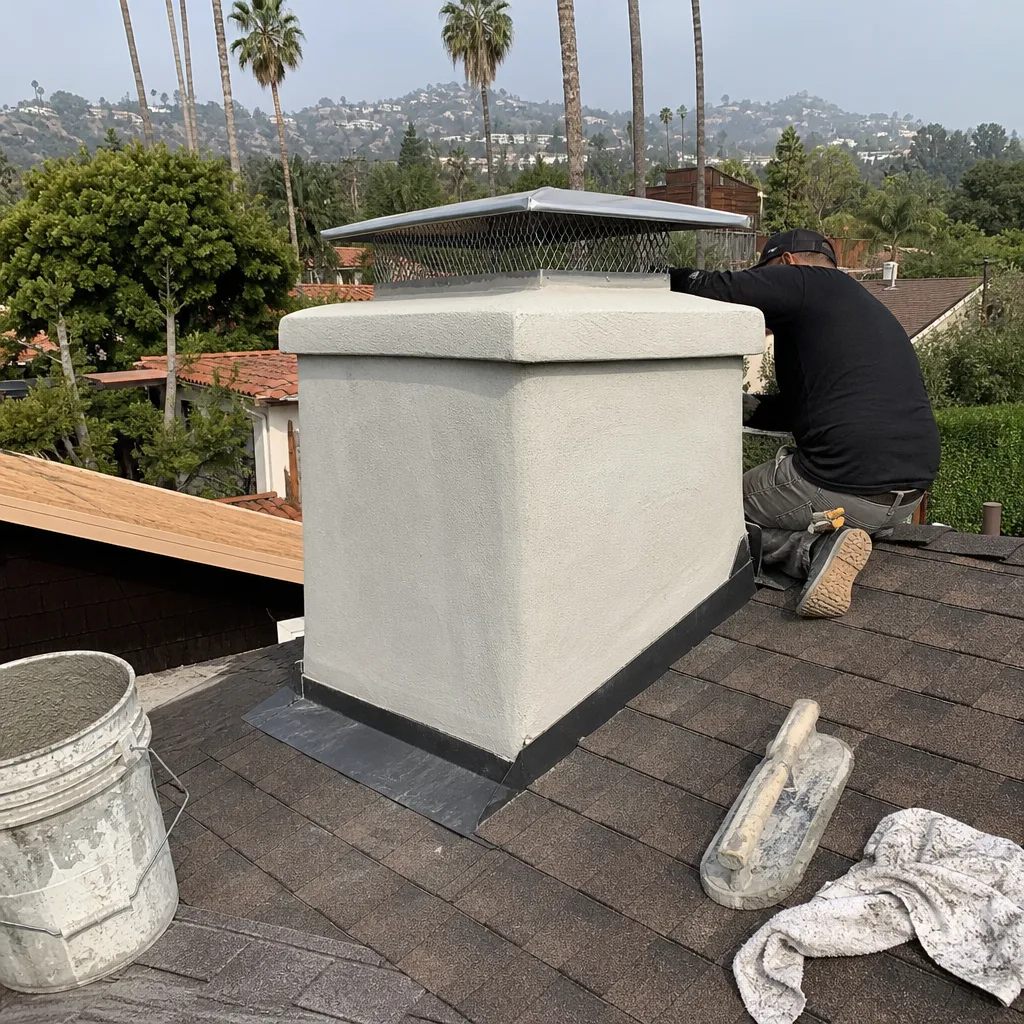
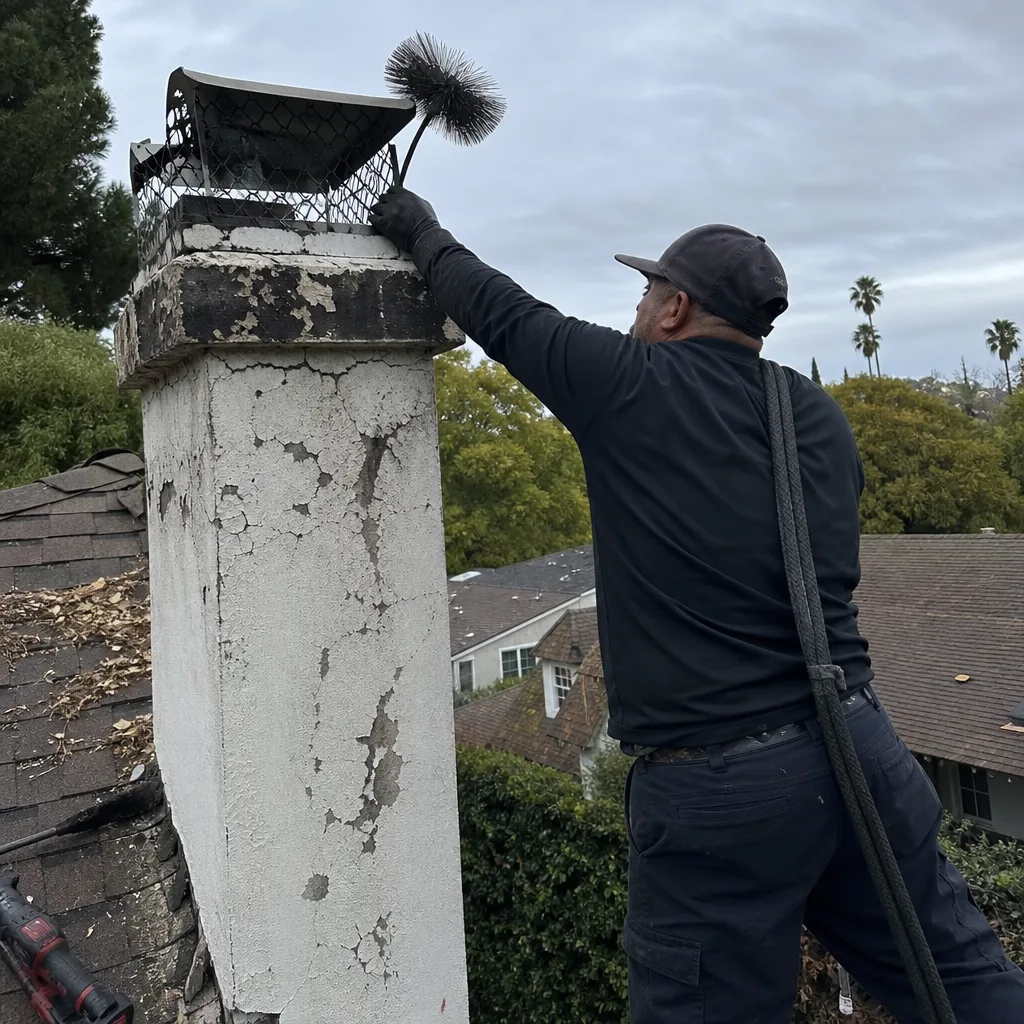
See the difference
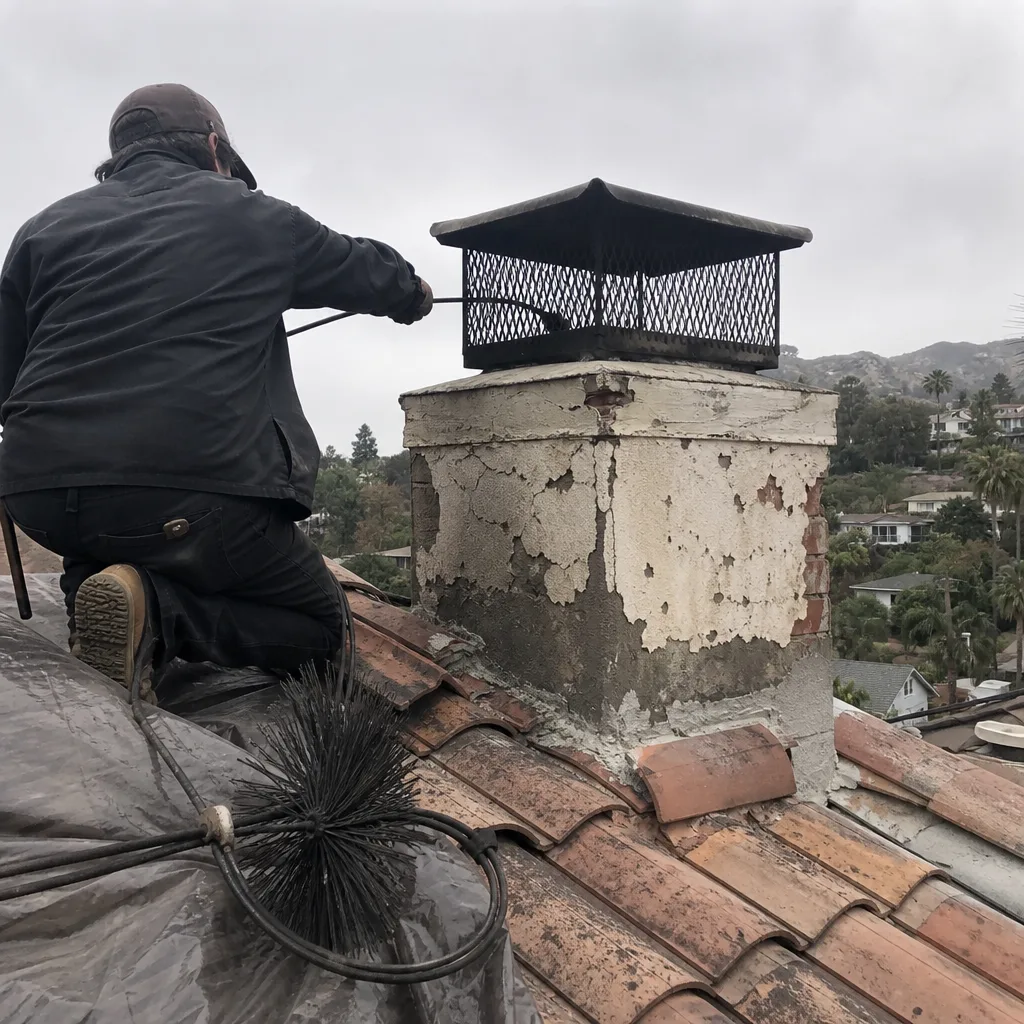 Before
 After
 Before
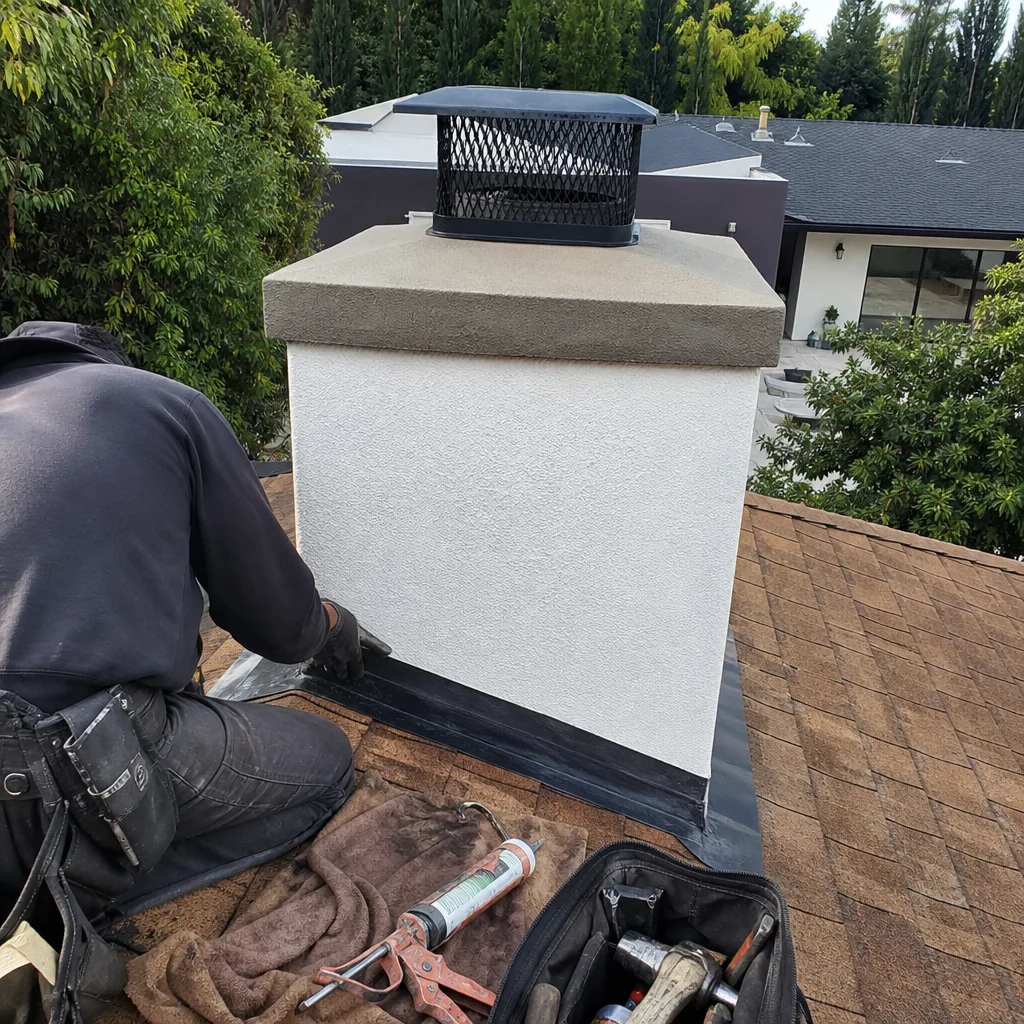 After
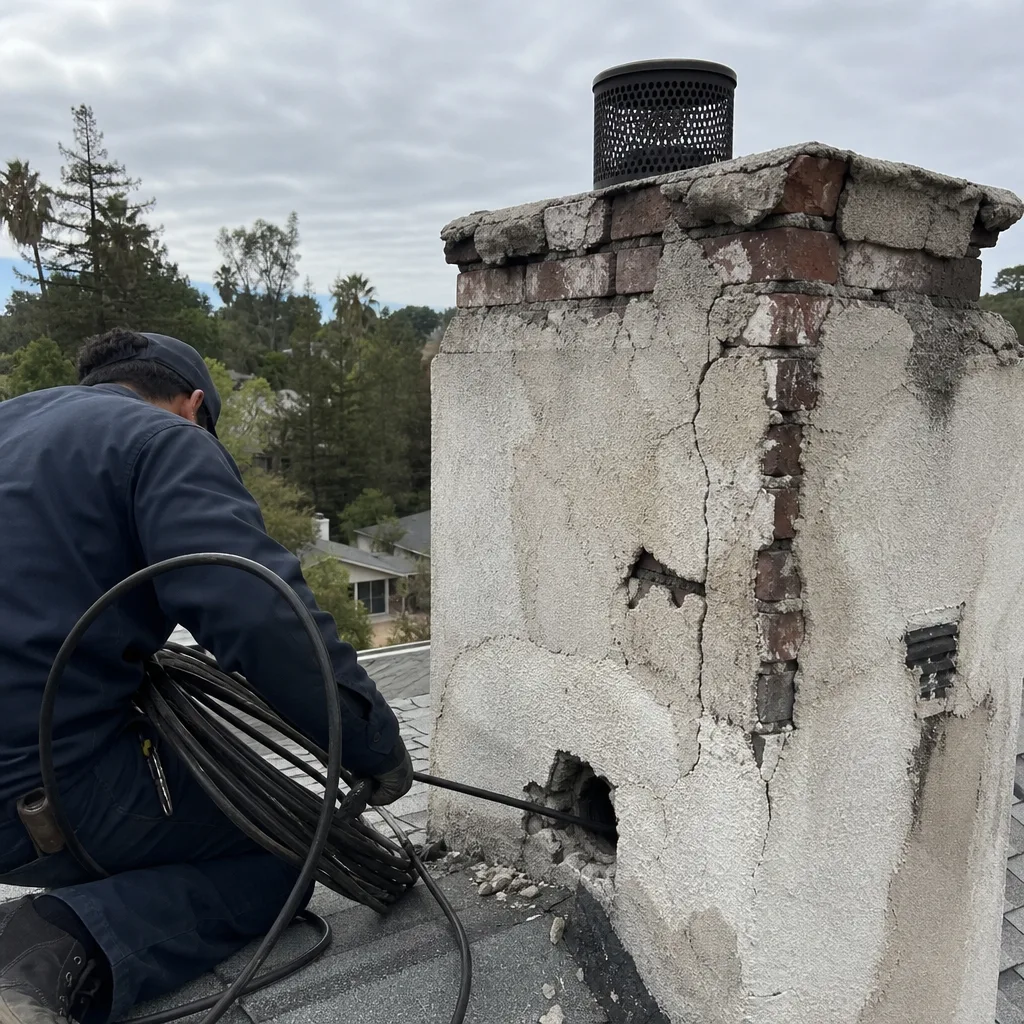 Before
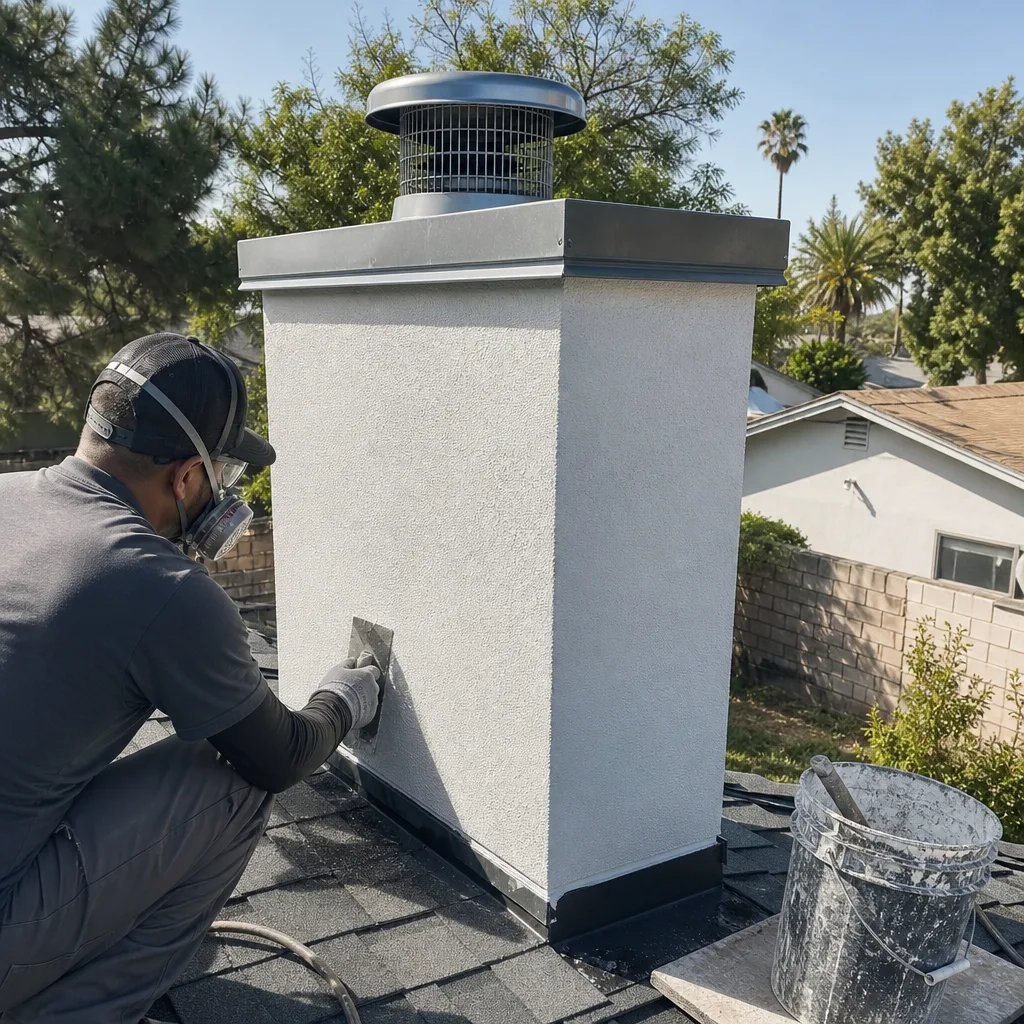 After