Last updated October 30, 2026
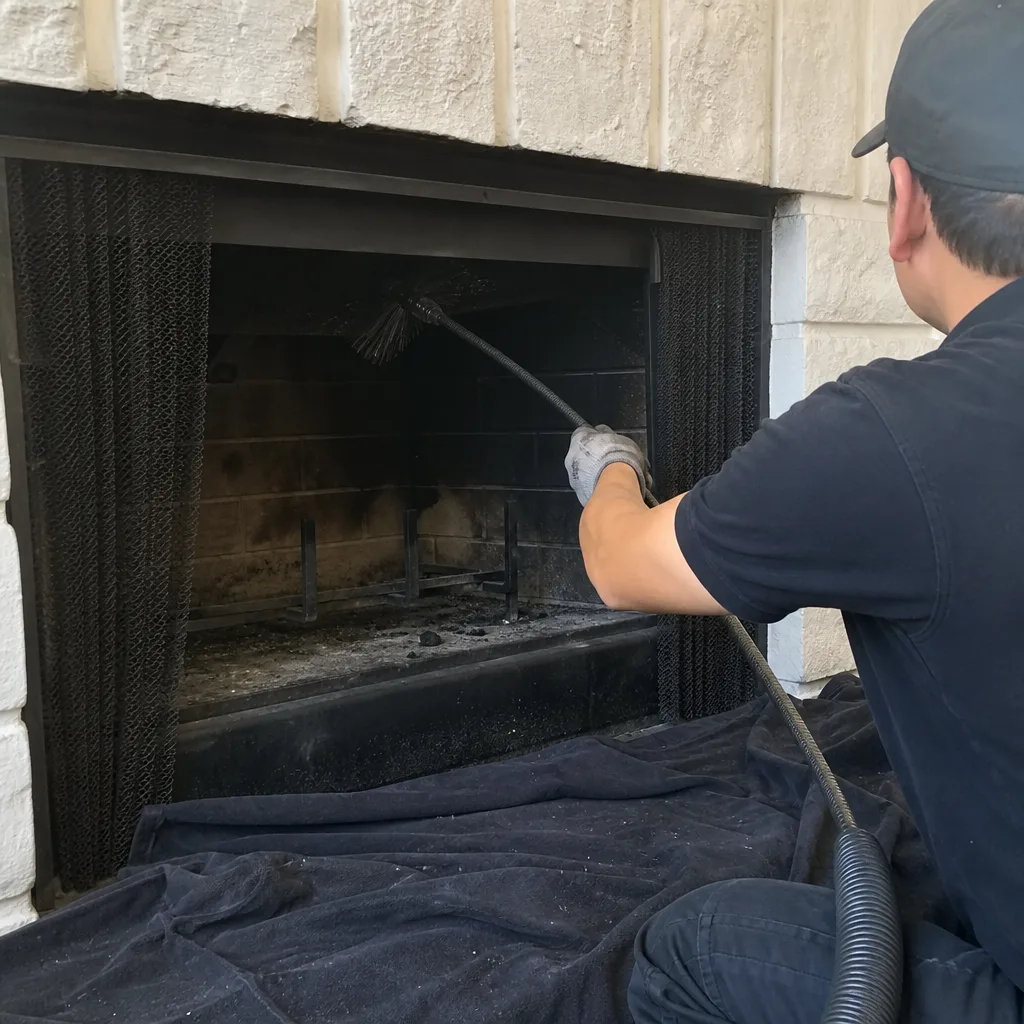
 Sweep & inspection
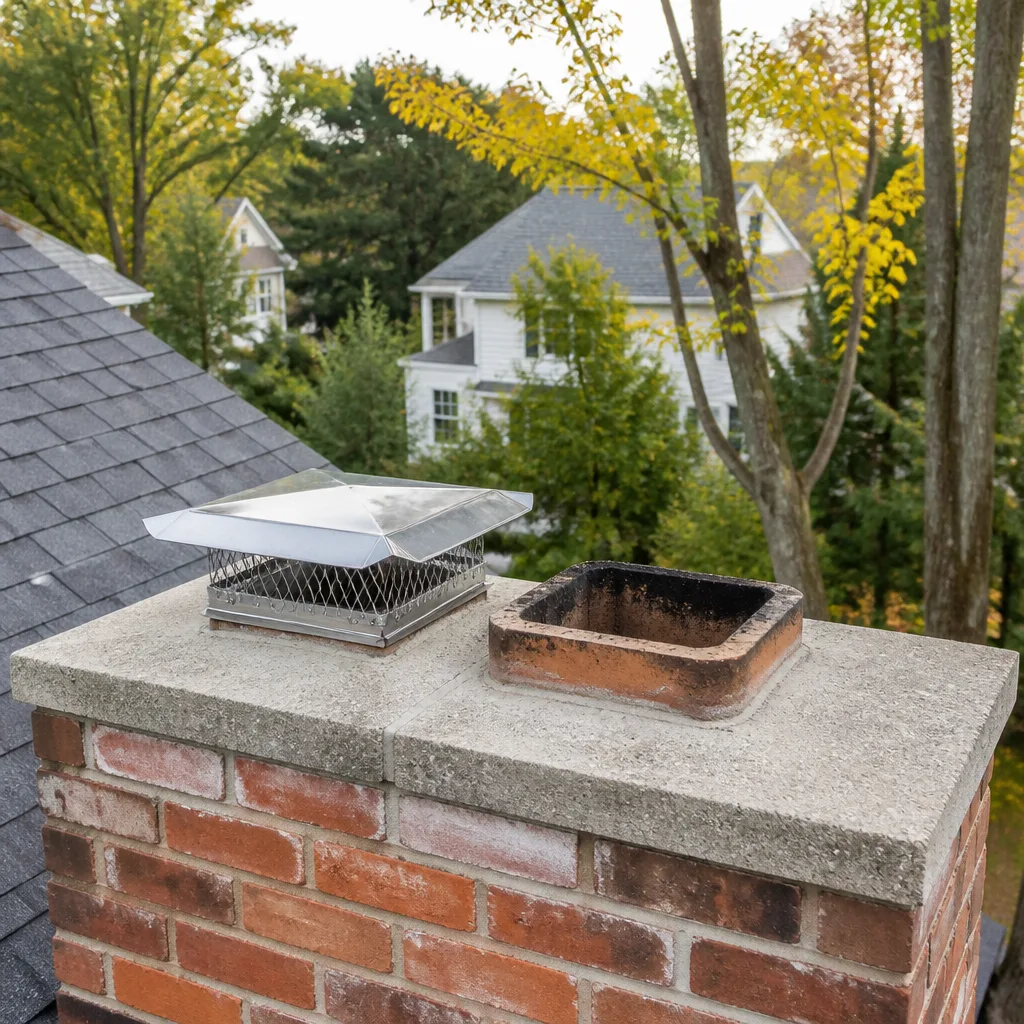
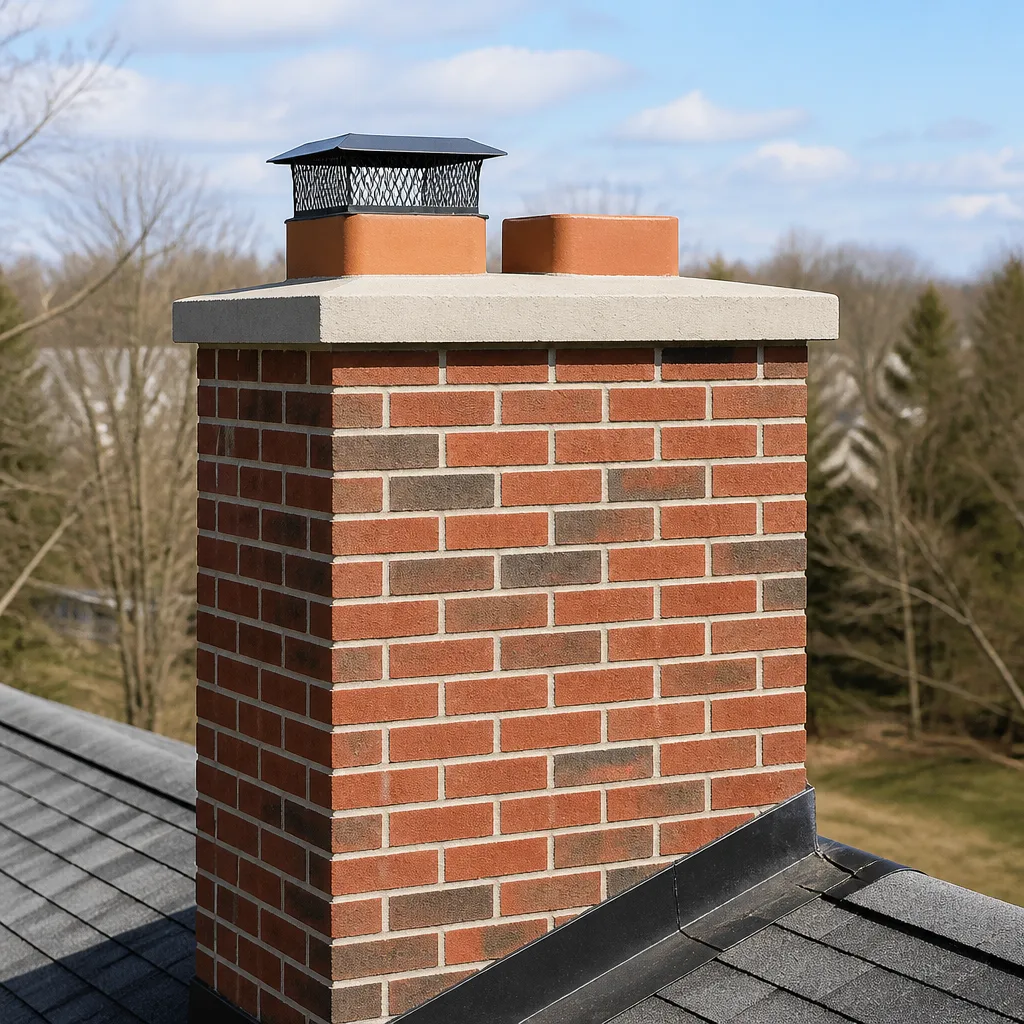 Caps & crowns
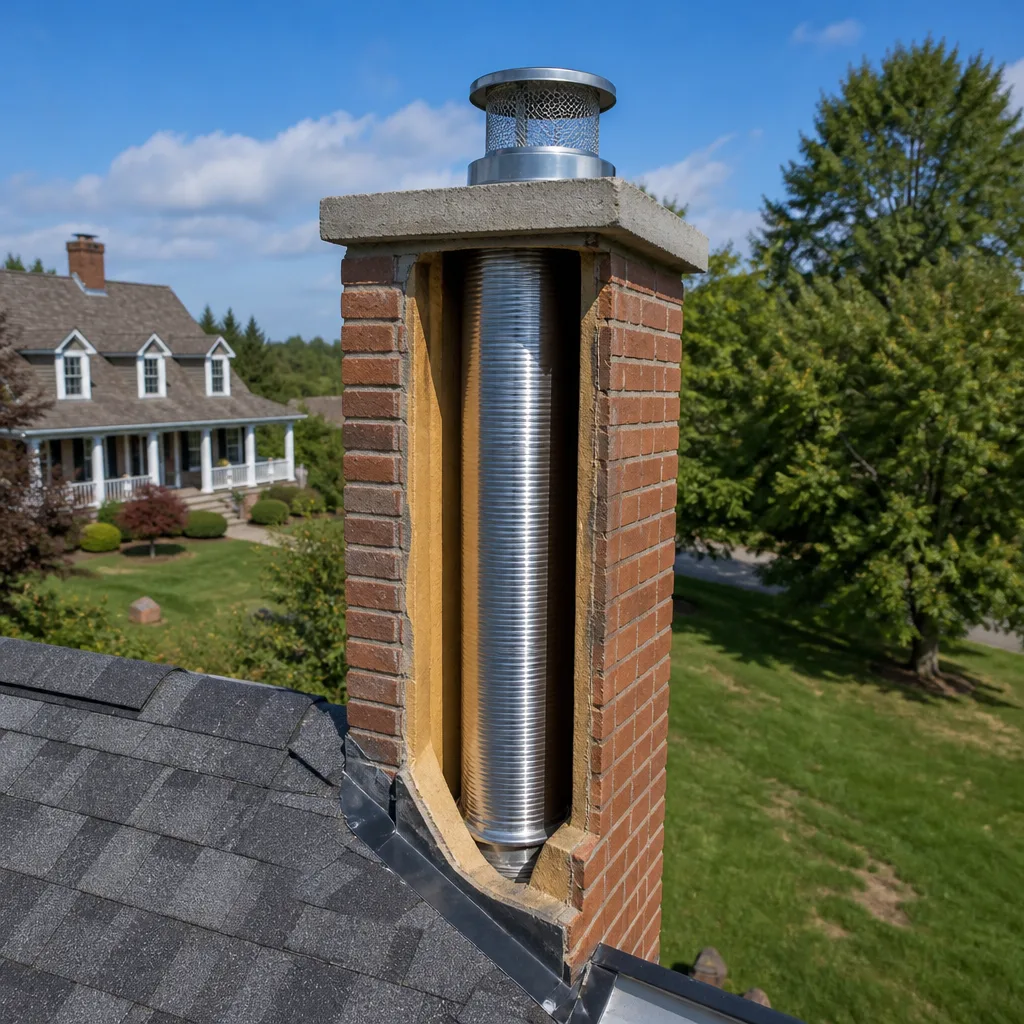 Flue relining
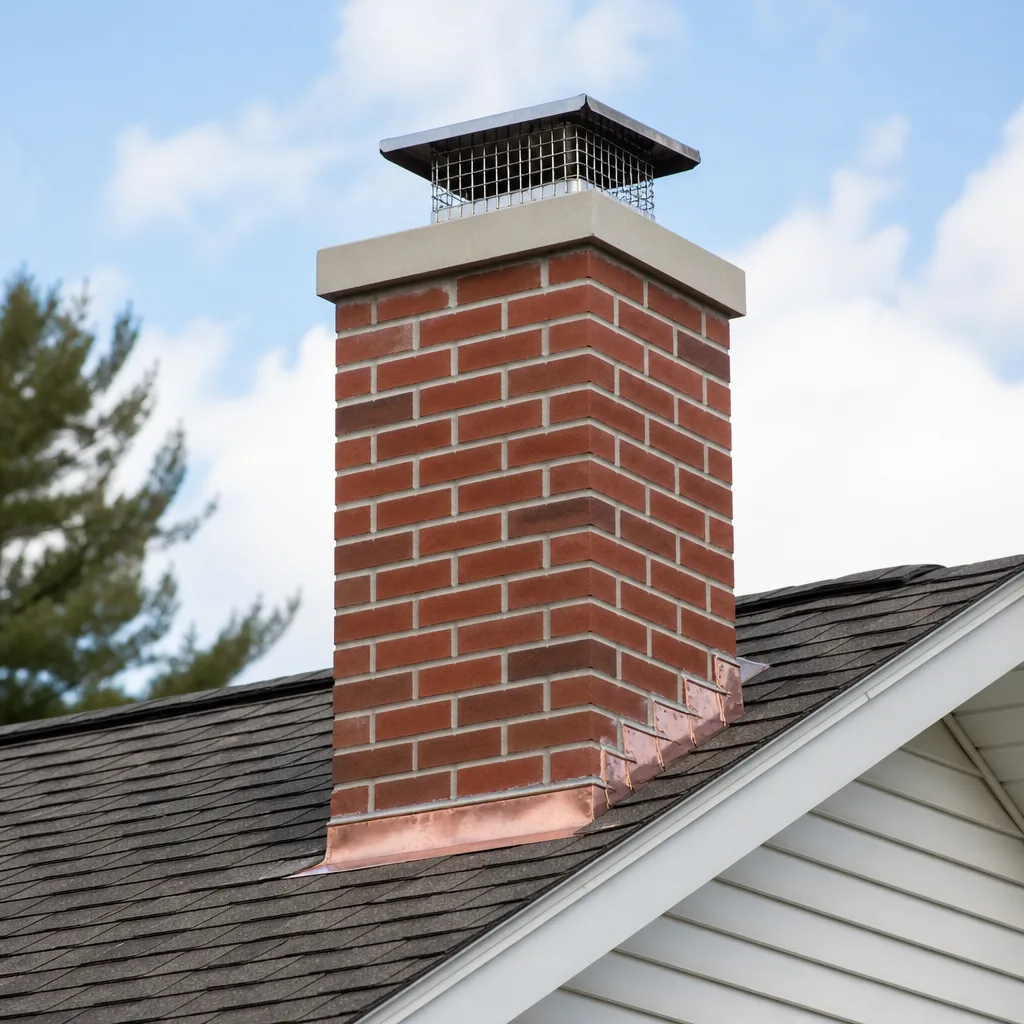 Masonry repair
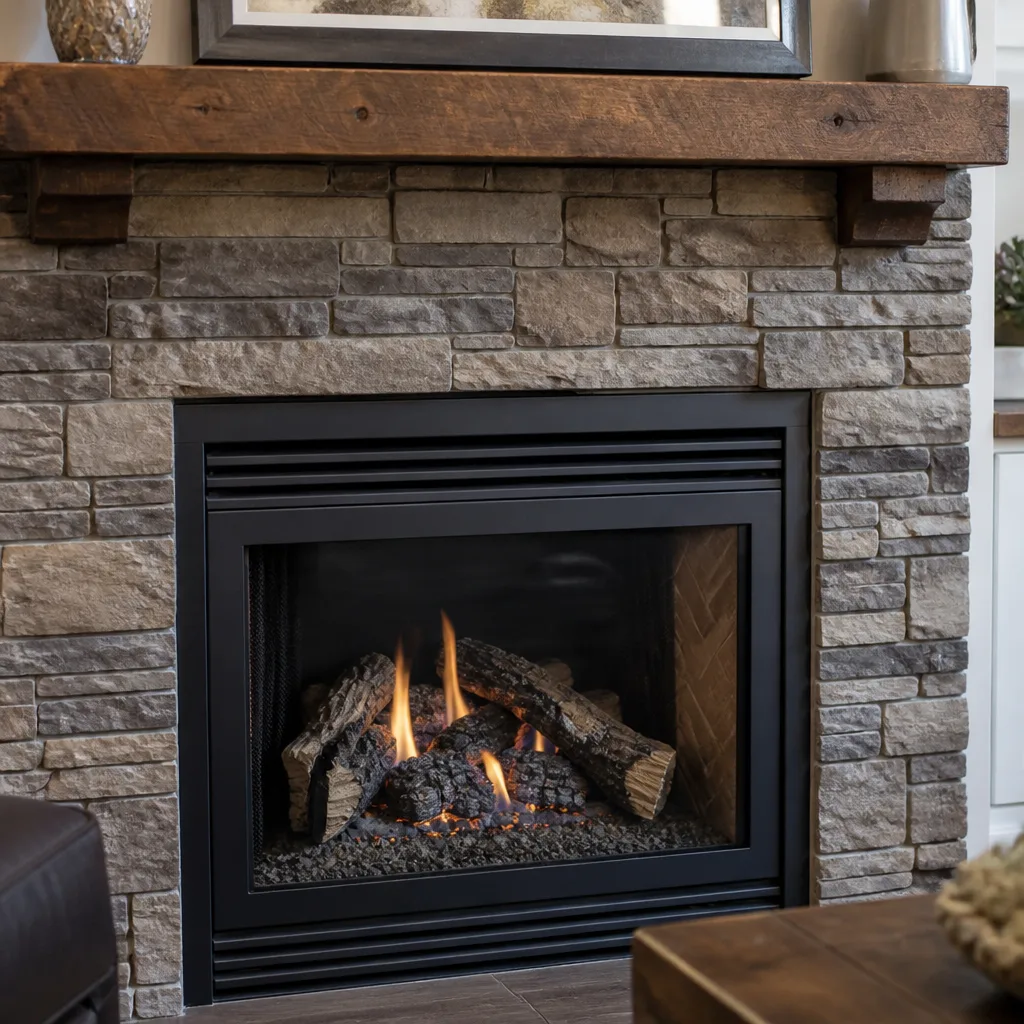 Gas fireplace service
Level 1 sweep and inspection to the NFPA 211 annual standard - flue, crown, cap, and flashing checked and photographed
Chimney sweep logs do not sweep chimneys. They loosen some creosote - which then falls where a brush and vacuum still have to collect it.
Chimney Cleaning Emergency Preparedness Guide for Hollywood Homes
In the 2025 LA fire events, embers traveled well over a mile ahead of the main fire front. Homes with intact spark arrestors and sealed chimney crowns had a meaningful structural advantage over those with gaps, rusted caps, or cracked flue liners. That is not a fire-safety platitude. It is a specific, physical fact about how fire finds its way into a house. This guide connects chimney maintenance to Hollywood’s three defining emergency scenarios: wildfire season, seismic events, and Santa Ana wind conditions. You will learn exactly what to inspect before and after each, how to document your chimney for insurance purposes, and what to do in the immediate moments of an active chimney emergency.
Styles & brands we work with
Quick Answer
Chimney cleaning warning signs every Hollywood homeowner should know start with keeping your flue free of creosote buildup, verifying that your spark arrestor and chimney cap are intact, and knowing your chimney’s structural and repair history before fire season, after any earthquake above 4.0, and following extended absences from your home. A properly maintained chimney reduces ember intrusion risk during wildfire events, prevents chimney fires from accumulated creosote, and gives you documented evidence for insurance claims if wind, seismic, or fire damage occurs.
Table of Contents
- The Ember Intrusion Risk Most Hollywood Homes Don’t Know About
- Post-Seismic Chimney Protocol: What to Check After Any Quake Above 4.0
- Santa Ana Wind Events: Structural Stress and What It Does to Chimneys
- Verifying Your Chimney Before the First Fire After a Long Absence
- What to Document Now for Insurance Claims After Fire, Wind, or Earthquake
- The Emergency Shut-Off Scenario: What to Do Right Now
- How Often Hollywood Chimneys Actually Need Cleaning
- Common Mistakes to Avoid
- When to Call a Professional
- Frequently Asked Questions
- The Bottom Line
The Ember Intrusion Risk Most Hollywood Homes Don’t Know About
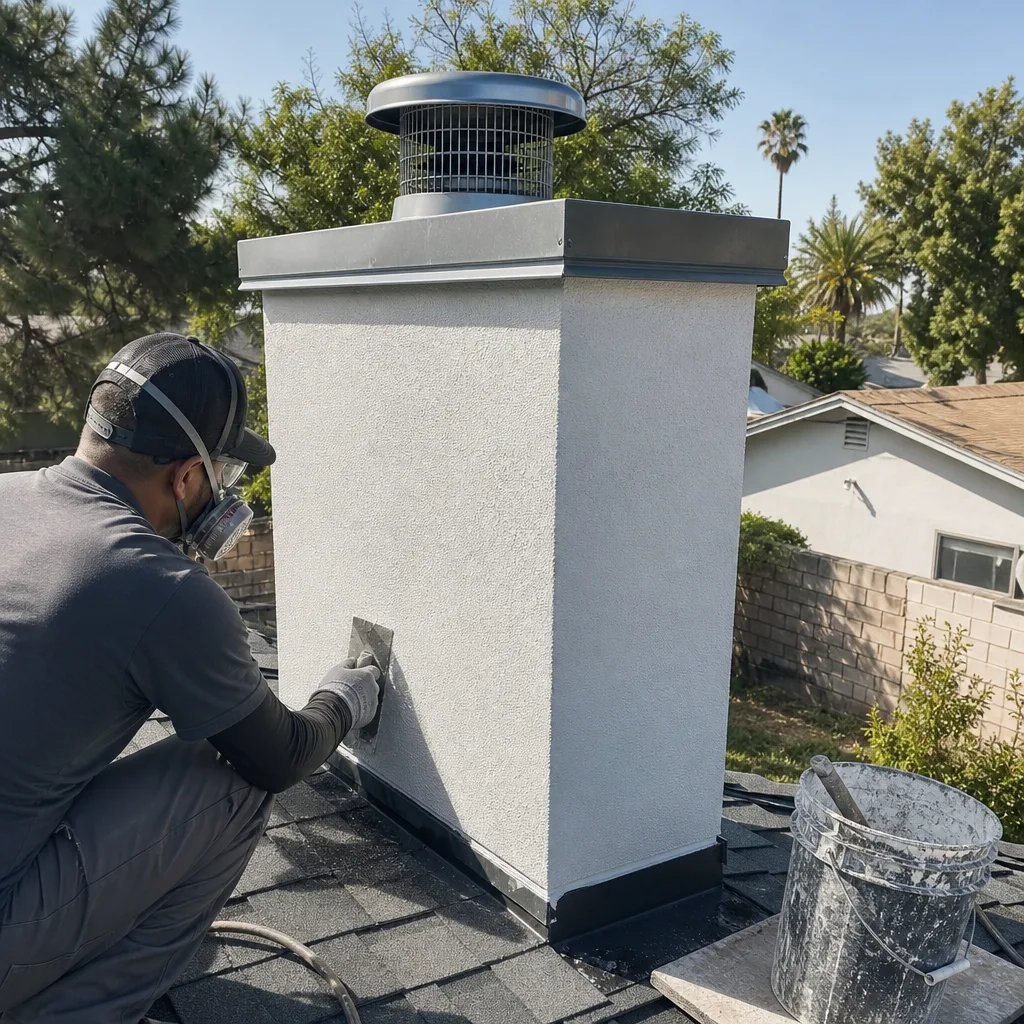
During a Wildland-Urban Interface fire event, embers do not need an open flue to enter your home. A chimney with a damaged spark arrestor, a missing chimney cap, or a cracked crown creates a direct pathway. Embers land on the roof, roll toward the chimney, and drop into any opening wider than a quarter inch. The spark arrestor, a metal mesh screen that sits inside or atop the chimney cap, is the single most important piece of wildfire defense hardware on your roof. When that mesh corrodes, gets torn by debris, or was never installed in the first place, the interior of your chimney becomes a wind tunnel that draws embers directly down toward your fireplace and into your living space.
In Hollywood, where homes in the Hills sit directly against brush-covered terrain, this risk compounds. The canyon geography funnels wind and fire in predictable corridors, and homes at higher elevations receive more airborne ember load than flatland properties. We have inspected chimneys in Hollywood after wind events where the spark arrestor had been torn partially away from the cap, leaving a gap large enough to admit a thumb. The homeowner had no idea because the damage was on the roof, invisible from ground level.
What to check before fire season:
- Chimney cap and spark arrestor condition: Look for rust-through, missing mesh sections, or a cap that sits loose. From the ground, binoculars help. A professional chimney inspection uses a camera.
- Crown integrity: The concrete or mortar crown at the top of the chimney seals the gap between the flue liner and the outer masonry. Cracks wider than hairline admit water, which weakens the structure, and create ember entry points.
- Flue liner condition: A cracked clay tile liner or a deteriorated mortar joint allows embers and heat to reach combustible framing. If your chimney predates the 1990s, you may have a terracotta liner that has never been inspected.
- Chase cover on prefab chimneys: For manufactured fireplaces, the metal chase cover on top of the chimney housing rusts through over time. This is a common Hollywood issue given the marine-layer moisture and salt air influence from the coast.
This is where the trade matters. A sweep-only company can clean out ash and creosote but cannot repair a compromised crown or replace a damaged cap with a professional-grade unit. Firebrick Chimney Sweep handles the full scope, from sweeping to structural repair, and works with Copperfield chimney caps and components rather than big-box substitutes. That distinction becomes critical when the part standing between your home and an ember storm is a $300 cap, not a $50 generic one.
Post-Seismic Chimney Protocol: What to Check After Any Quake Above 4.0
Earthquakes above magnitude 4.0 are common enough in Southern California that most residents barely pause. But lateral ground movement stresses masonry chimneys in ways that are invisible from the ground and dangerous to ignore. A chimney is a vertical cantilevered structure made of rigid materials. When the ground moves sideways, the chimney flexes at its weakest points: the mortar joints, the connection between the chimney and the roofline, and the flue liner inside. Damage from one quake may be hairline. The next quake widens it. By the time you light a fire, the interior may have shifted enough to allow exhaust into the attic or wall cavities.
After any quake above 4.0 in Hollywood, use our chimney sweep maintenance checklist for Hollywood homeowners and perform this protocol before the next fireplace use:
- Visual check from the ground or street. Look for new cracks in the exposed chimney above the roofline. Pay attention to stair-step cracking along mortar joints, which indicates lateral movement. Also look for loose or missing bricks or stones near the crown.
- Check the flashing and roofline connection. The metal flashing where the chimney penetrates the roof often separates during seismic events. A gap here admits water, which degrades the masonry and eventually the framing around the chimney.
- Inspect the firebox and damper. Inside the home, open the damper and look for fallen debris, cracked firebrick, or a damper that now sits askew. A damper that no longer opens or closes smoothly after an earthquake is a signal the chimney structure has shifted.
- Look for dust or debris in the firebox that was not there before. This indicates crumbling mortar or a cracked flue liner above the firebox.
- Schedule a camera inspection if you see anything unusual. A Level 2 chimney inspection uses a video camera to examine the full flue interior. This is the only way to see a cracked flue liner that is invisible from either end of the chimney.
We see post-seismic chimney damage in Hollywood frequently after moderate quakes, particularly in older masonry chimneys that were built before modern seismic reinforcement standards. A chimney that has already been compromised by water intrusion or years of thermal cycling will fail faster under lateral stress. The repair scope varies. Some chimneys need repointing of the mortar joints. Others need a stainless steel liner installed, which is where a system like DuraFlex comes in. It restores a safe exhaust path without rebuilding the entire masonry stack. The point is that the damage gets identified and addressed before the next fire. Not after.
Santa Ana Wind Events: Structural Stress and What It Does to Chimneys
Santa Ana winds are not just a fire weather condition. They are a direct physical stressor on chimney systems in Hollywood. Sustained winds of 40 to 60 mph, with gusts higher, exert lateral pressure on the chimney above the roofline. Over decades, this repeated loading loosens mortar joints, shifts chimney caps, and accelerates the deterioration of any crack that already exists. A chimney that was structurally marginal before a Santa Ana event can become hazardous during one.
There is a secondary effect that gets less attention: negative air pressure inside the home during high wind events. When wind blows across the top of a chimney, it creates a draw that pulls air up and out. If the damper is open or poorly sealed, this pulls conditioned air from your home, and in some cases, pulls smoke or embers back down into the living space when the fireplace is in use. A properly installed top-sealing damper or a well-fitted throat damper prevents this. Many Hollywood homes we inspect still have original dampers that have warped from decades of heat cycling and no longer seal.
What to consider when Santa Ana conditions are forecast:
- Verify that your chimney cap is secure. Loose caps have been ripped off entirely in high gust conditions, leaving an open flue to weather and embers.
- If you have not used the fireplace in months, delay the first fire until after the wind event passes. Ash and debris inside the flue become airborne in strong drafts and can be distributed through the home.
- Check that the damper closes fully. A damper that does not seat correctly allows wind-driven air to enter the home, which can also pressurize the firebox and push smoke into the room if you attempt a fire.
- Be aware of creosote buildup. High winds increase draft intensity, which can make a marginal creosote situation worse by drawing flames further up the flue during a chimney fire.
The connection between chimney maintenance and Santa Ana preparedness in Hollywood is direct. A clean, well-sealed, structurally sound chimney handles wind events without incident. A neglected one becomes a liability during the exact conditions when fire risk is highest.
Verifying Your Chimney Before the First Fire After a Long Absence
Hollywood has a significant number of vacation properties and rental homes, particularly in the Hills. A fireplace that sits unused for six months or a year develops issues that an actively used fireplace does not. Birds, rodents, and insects build nests in uncapped or poorly capped flues. Debris accumulates. Moisture condenses and accelerates mortar deterioration. The first fire after a long absence is statistically when many chimney fires occur, because the homeowner assumes that an unused chimney is a clean chimney. The opposite is often true.
Before lighting the first fire in a chimney that has been dormant for more than a few months:
- Visually inspect the firebox. Look for animal droppings, nesting material, fallen mortar, or a pile of debris at the base of the flue. If you see any of these, do not light a fire until the chimney has been professionally swept and inspected.
- Open the damper fully and listen. If you hear debris falling or shifting when you move the damper, that is a sign of buildup above the firebox.
- Look up the flue with a flashlight. From inside the firebox, shine a light up the flue and look for obstructions, visible cracks, or a shiny, tar-like glaze on the walls. That glaze is third-degree creosote, which is the most concentrated and flammable form.
- Check for any new odor. A strong, acrid smell from the fireplace when the damper is open often indicates creosote buildup or moisture inside the flue. In some cases, it indicates an animal that has died in the chimney.
- If anything is questionable, schedule a sweep before use. One hour of chimney sweeping costs a fraction of what a chimney fire or smoke damage restoration costs.
Property managers in Hollywood who handle multiple rental units should adopt this protocol as standard practice between tenants. A rental guest will not know to check for chimney obstructions. They will simply light a fire and assume the system is functional. The liability for that assumption lands on the property owner.
What to Document Now for Insurance Claims After Fire, Wind, or Earthquake
The single most common gap we see in Hollywood insurance claims involving chimneys is a lack of documentation proving the system was maintained before the event. Insurance adjusters frequently deny or reduce chimney-related claims by arguing that the damage was pre-existing or resulted from deferred maintenance. A homeowner who cannot produce inspection records, repair invoices, or material specifications is in a much weaker position. A homeowner who can show a documented history of professional maintenance has leverage.
We recommend keeping the following documentation for your chimney:
- Annual or biennial inspection reports. A written report from a chimney professional that includes the date, the condition of the flue, any issues noted, and photographs. Camera inspection footage is even stronger.
- Repair history with material specifications. If you have had a liner installed, record the brand and model. A DuraFlex stainless steel liner, for example, is a specific material with a documented lifespan. “Had the chimney repaired” with no detail is not useful in an insurance discussion.
- Cleaning records. A sweep service receipt that shows the date, the amount of creosote removed, and the condition of the system. This proves you were maintaining the chimney, which matters in chimney fire claims.
- Photographs of the chimney from all angles. Take photos of the cap, crown, flashing, firebox, and damper before any weather event or earthquake. In the aftermath, these before-photos prove whether damage was new or existed previously.
- Any heat shield or fireblocking installations. If you have had HeatShield ceramic resurfacing applied to your flue, that is a specific repair that indicates a restored liner system. Document it. It matters in claims involving liner failure.
Keep these records in a cloud drive or a fireproof safe. A paper file in a kitchen drawer is the first thing lost in a house fire. If you are a rental property owner in Hollywood, provide a copy of the inspection report to your insurance carrier annually. It costs nothing and strengthens your position in any future claim.
The Emergency Shut-Off Scenario: What to Do Right Now
There are three immediate, no-delay chimney emergencies. Each has a specific first response. The wrong response makes the situation worse.
1. You smell gas near a gas fireplace
Do not light anything. Do not flip any electrical switch, including a light switch. Do not use a phone inside the home. Evacuate the building immediately, then call your gas utility’s emergency line from outside, then call the fire department. Gas leaks near a fireplace can come from a failing gas valve, a cracked gas log connection, or a compromised flex line inside the chimney chase. This is not a chimney sweeping issue, but the chimney and the gas system share the same chase in many Hollywood homes. Once the utility has shut off the gas and the source is identified, a chimney professional can inspect the chase for damage that may have contributed to the leak.
2. You see active smoke backing up into the room
If smoke is entering the living space from the fireplace, the draft is blocked or reversed. Close the damper if it is safe to reach, extinguish the fire if possible with a fire extinguisher rated for Class A fires, and open windows to ventilate. Do not open doors rapidly, which can change air pressure and make the draft worse. Once the fire is out and the area is ventilated, do not use the fireplace again until a professional has swept and inspected the flue. Smoke backup is a symptom of restricted airflow, which means creosote buildup, an obstruction, or a structural problem inside the chimney.
3. You find structural damage to the chimney exterior after a weather event
If you discover fallen bricks, a leaning chimney stack, or a chimney cap that has been torn off, cordon off the area below and keep people away from the roof and the ground area beneath the chimney. A damaged chimney can continue to shed masonry. Shut off the fireplace or any gas appliance that vents through that chimney and do not use it until a professional has assessed the structural condition. In Hollywood, wind damage to chimney caps and crowns is common during Santa Ana events, and the urgency is not just about the fireplace. For chimney cleaning permits, codes and inspections in CA, here is what you need to know. A damaged crown admits water into the masonry, which accelerates deterioration through the next rain cycle.
In all three scenarios, the correct sequence is the same: stop using the appliance, mitigate the immediate hazard, document what happened with photos, and call a professional who can assess the full system. Something the Firebrick Chimney Sweep home page makes clear: chimney emergencies are not just about one component. They are about the system, and system problems need a system-level evaluation.
How Often Hollywood Chimneys Actually Need Cleaning
The National Fire Protection Association standard, NFPA 211, says chimneys should be inspected at least once a year and swept when creosote accumulation reaches 1/8 inch or more. In practice, Hollywood homes vary widely in how quickly creosote builds up. The factors that accelerate buildup here include:
- Wood type. Hollywood’s mild climate means many homeowners burn soft woods like pine or fir because they are cheap and readily available. Soft woods produce more creosote than hardwoods.
- Burning habits. The occasional-use pattern common in Los Angeles, where the fireplace is used 20 to 30 nights a year rather than every night in winter, means lower total creosote volume but more opportunity for buildup to harden between burns. Fresh creosote is easier to remove than aged, hardened creosote.
- Flue temperature. The short, intense fires typical of Southern California use, where homeowners build a fire for ambiance rather than sustained heat, create more condensation in the flue. Condensation accelerates creosote adhesion.
- Marine layer influence. Homes in the Hollywood Hills closer to the coast experience more ambient moisture, which affects the chemical structure of creosote and can make it glaze over faster.
Our recommendation for Hollywood homeowners is an annual inspection, with sweeping performed when the inspection shows meaningful buildup or when you notice any of the common indicators: smoke backup, reduced draft, a strong odor from the fireplace when it is not in use, or visible black flakes in the firebox.
For homes with a documented history of light use and hardwoods, an inspection every other year may be adequate. But here is the practical problem: the only way to know whether you are in the “light use” category is to have someone look inside the flue. Guessing wrong on creosote buildup is how chimney fires happen. The cleanest approach is an annual check, even if it does not always result in a full sweep. For homeowners who also have a gas appliance venting through the same flue, the inspection becomes more important because gas appliance exhaust creates acidic residue that attacks mortar and clay tile liners.
If you need a point of reference for how a thorough sweep is performed, our Chimney Sweep in Century City page walks through the process. The standards are the same wherever the home is located.
Common Mistakes to Avoid
- Assuming an unused chimney is a safe chimney. The opposite is often true. Animals, debris, and moisture create hazards in dormant chimneys that active use would have revealed. Always inspect before the first seasonal fire, especially after a long absence.
- Skipping the spark arrestor check because the cap “looks fine from the ground.” Spark arrestor mesh rusts through from the topside, where ground-level visibility is zero. A camera inspection is the only reliable verification.
- Using a hardware store chimney cleaner as a substitute for a professional sweep. Chemical creosote removers can loosen light soot but do not remove heavy creosote or third-degree glazed creosote. They also do not inspect the flue. You get a false sense of security and an uninspected system.
- Ignoring a post-earthquake crack because “it is small.” Cracks do not self-heal. Water enters, freezes and thaws only on rare Hollywood winter nights, but still expands the crack through thermal cycling. A small crack becomes a structural issue within a few seasons.
- Not documenting maintenance before you need to file a claim. If the first time you think about proving chimney maintenance is after a fire or earthquake, you have already lost the documentation game. Insurance adjusters reward proactive record-keeping and penalize its absence.
- Assuming a gas fireplace does not need chimney maintenance. Gas fireplaces vent combustion byproducts that create acidic deposits. The flue still needs periodic inspection, and the venting system still requires a working cap and intact liner.
- Hiring a generalist handyman to “patch” chimney damage. Chimney systems involve fire, gas, and structural loads. A bricklayer who does not understand flue dynamics can create a situation worse than the original damage. Specialist work requires specialist knowledge.
When to Call a Professional
Call a professional when you see any of these conditions: visible cracks in the chimney masonry above the roofline, a damaged or missing chimney cap or spark arrestor, smoke entering the living space during normal fireplace operation, a strong odor from the fireplace when it is not in use, visible creosote flakes or a shiny tar-like glaze inside the flue, debris falling into the firebox, or any structural change following an earthquake or wind event. If you have not had an inspection in over a year and you plan to use the fireplace, that is also the threshold for a call. Firebrick Chimney Sweep offers free estimates in Hollywood. Call (866) 520-4943 to schedule a sweep, inspection, or repair consultation. We handle the full scope, from the initial sweep to liner installation, so the problem gets fixed rather than referred elsewhere.
Frequently Asked Questions
A standard chimney sweep in Hollywood typically ranges from $150 to $300 depending on the size of the flue, the amount of creosote buildup, and whether the chimney has been recently maintained. Heavy buildup, animal removal, or a flue that has not been swept in years will raise the cost. Call (866) 520-4943 for a free estimate specific to your chimney.
You need a new liner if the existing flue liner has cracks, gaps, or deterioration that allows heat or exhaust to reach combustible materials around the chimney. A camera inspection shows the exact condition. In some cases, a HeatShield ceramic resurfacing can restore a compromised liner without a full relining, which costs less and preserves the original structure. If the liner can safely wait, we will tell you plainly. If it cannot, delaying creates a fire risk that no amount of sweeping addresses.
At least once per year according to NFPA 211, with the actual frequency depending on how often you burn and what you burn. Hollywood homes with occasional use and soft woods should be inspected annually and swept whenever creosote reaches 1/8 inch. The only way to know your specific schedule is to have the flue examined. Call (866) 520-4943 to book an inspection and get a straight answer on your chimney’s condition.
Creosote builds up on the flue walls until a hot fire ignites it, creating a chimney fire that reaches temperatures over 2,000°F and can crack the flue liner, spread to the roof, or allow heat into the attic. Alternatively, a cracked liner quietly vents carbon monoxide into the home, which is invisible and odorless. Neither scenario announces itself in advance. They are the reasons the maintenance schedule exists.
You can brush a chimney from the roof with the right equipment, but the risk is significant and the quality of the inspection is zero. Professional sweeping includes a camera inspection of the flue, which catches problems that no amount of brushing reveals. If you decide to DIY, you are cleaning without diagnosing. In Hollywood’s fire-prone environment, that is a gamble with real consequences.
Treat it as unknown. Schedule a Level 2 inspection with a camera before using the fireplace at all. The previous owner’s assurance that “the chimney is fine” is not a substitute for a documented inspection. In Hollywood, many home sales are driven by relocation or estate situations where the chimney has been unused for years. Unknown history means unverified safety. Call (866) 520-4943 to request an inspection and establish a baseline.
The Bottom Line
Chimney emergency preparedness in Hollywood comes down to three concrete practices. First, maintain the system annually: an inspection and sweep when needed keeps creosote under control and identifies deterioration before it becomes structural failure. Second, verify your spark arrestor, cap, and crown before fire season and after any earthquake, wind event, or long absence. Third, document everything. Inspection reports, repair details, material brands. That documentation is what protects you in an insurance claim and what tells a professional exactly what they are working with. This is not an abstraction. It is a physical system attached to your house, and in Hollywood’s threat environment, its condition directly affects how your home performs in an emergency.
Written by the team at Firebrick Chimney Sweep, serving Hollywood since 2012.
See the difference
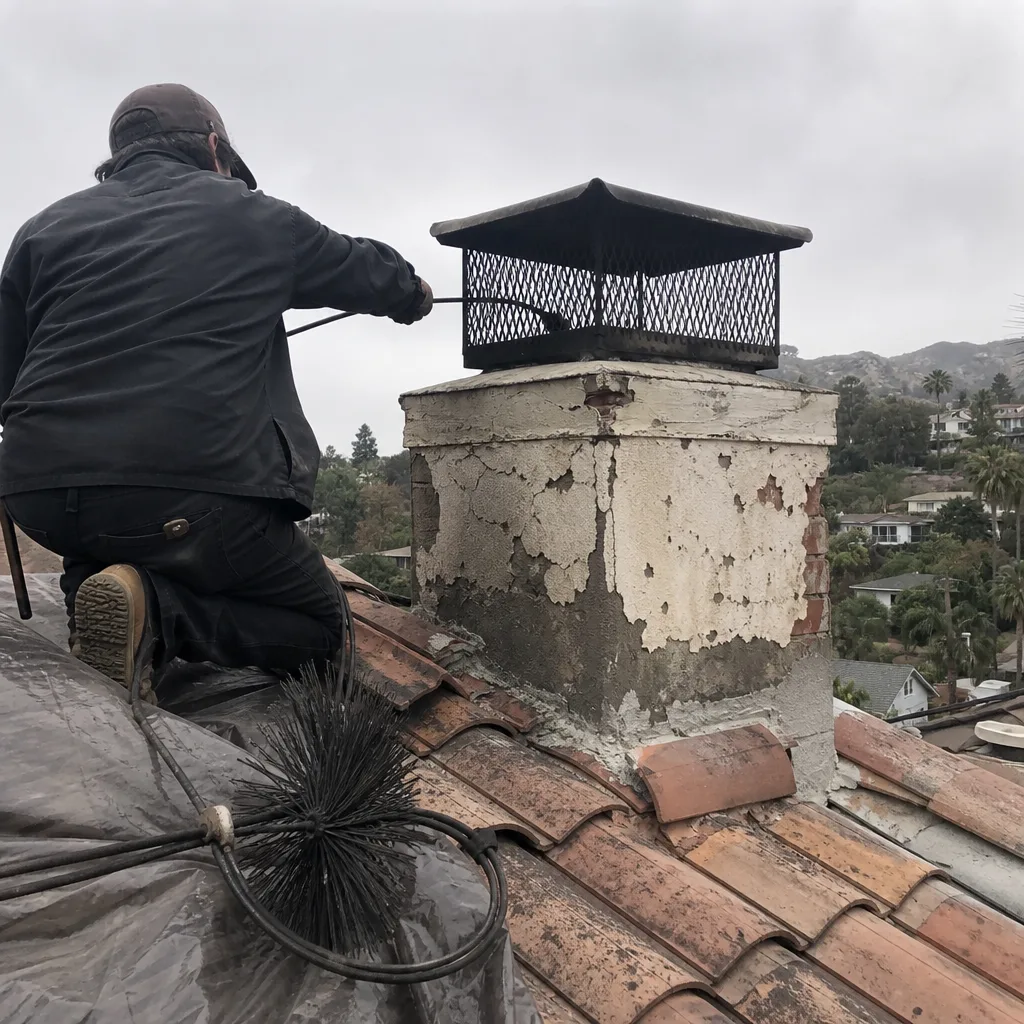 Before
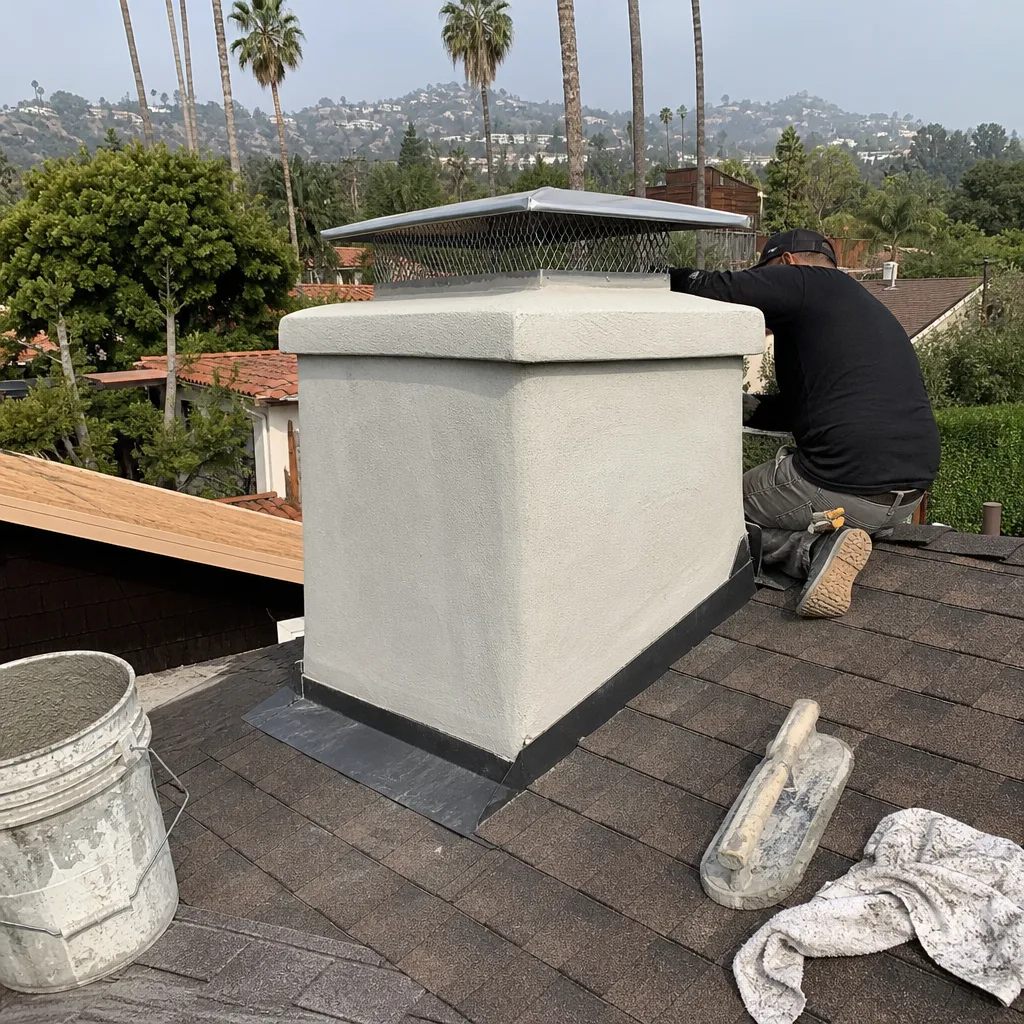 After
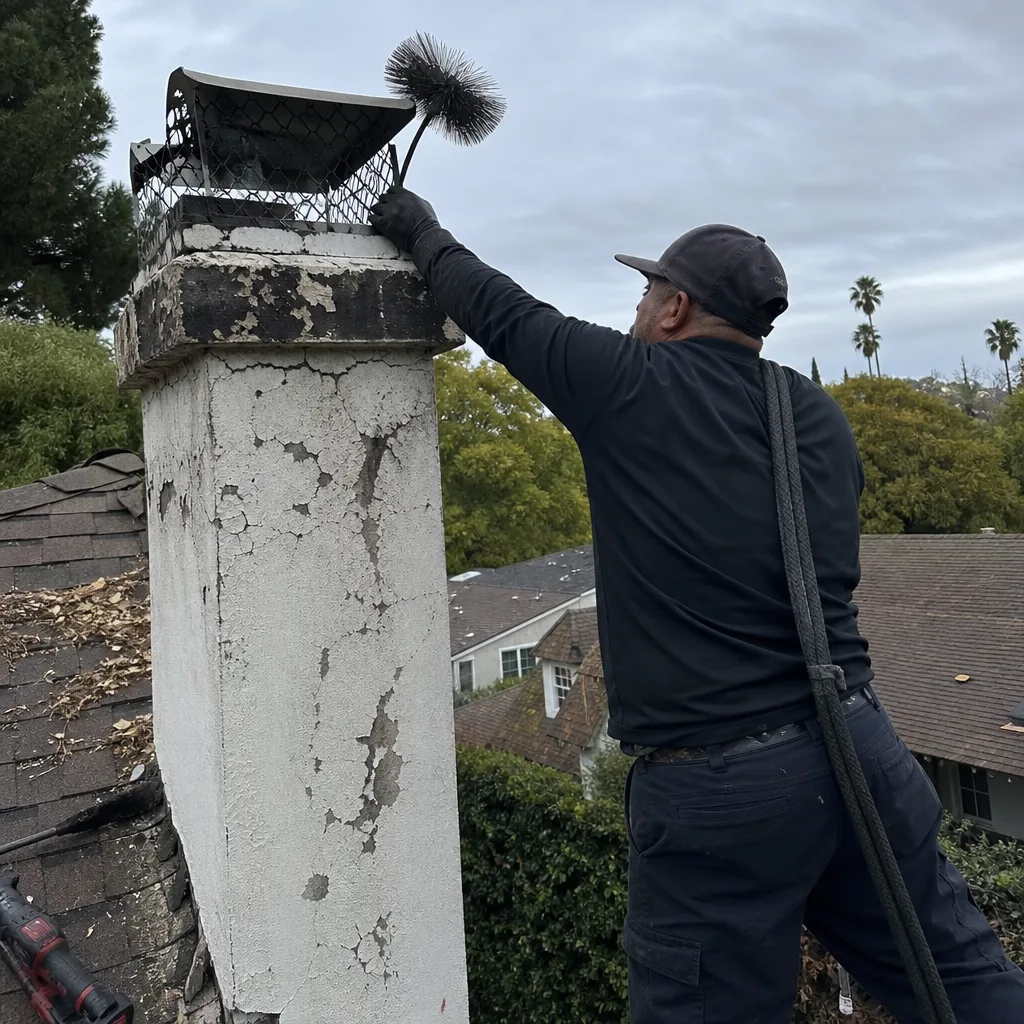 Before
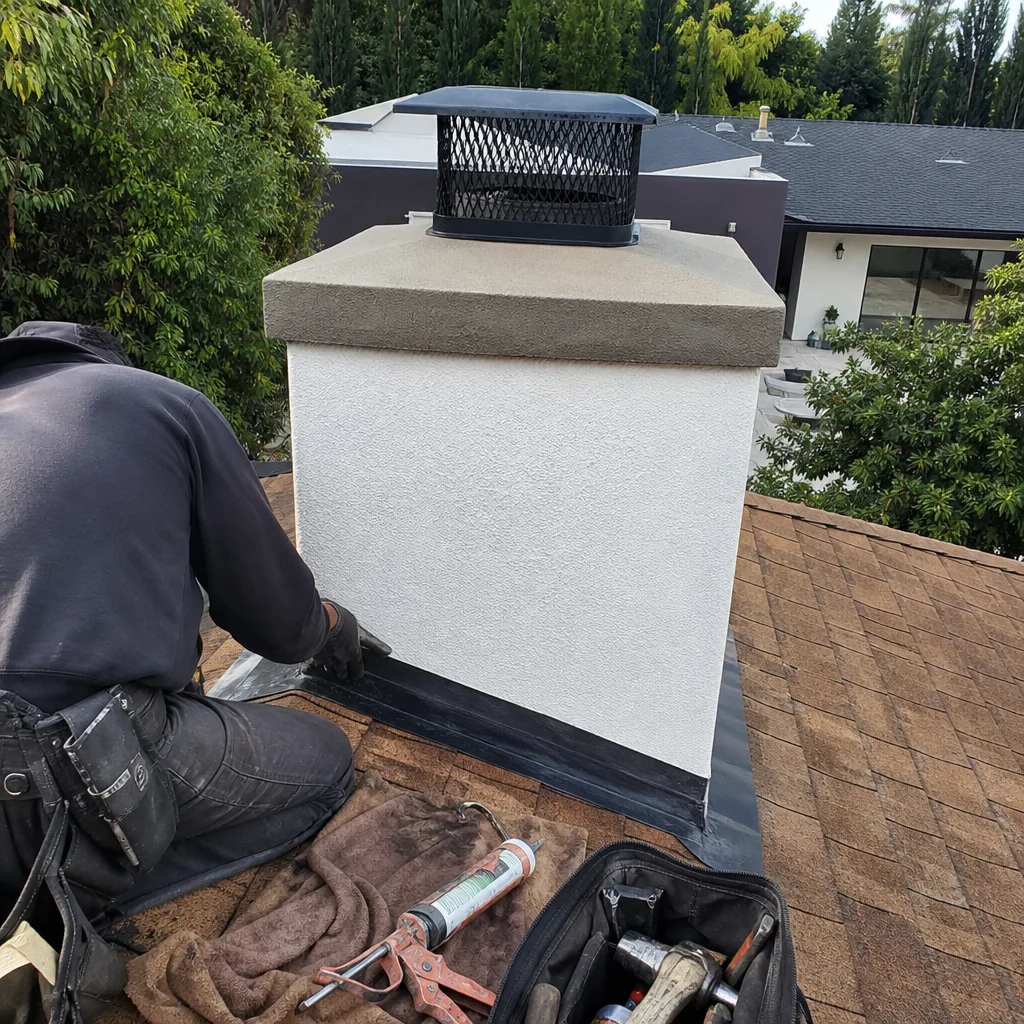 After
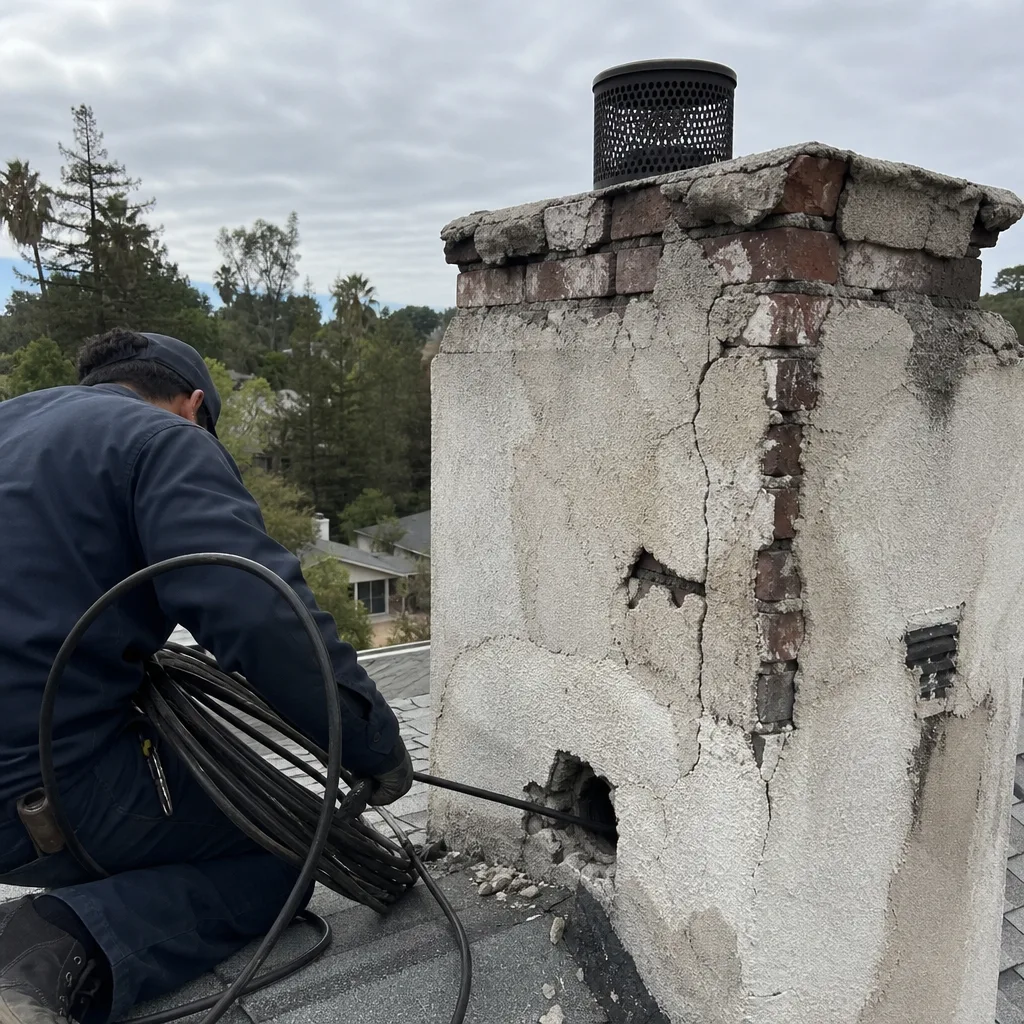 Before
 After