
Last updated October 30, 2026
 Sweep & inspection
 Caps & crowns
 Flue relining
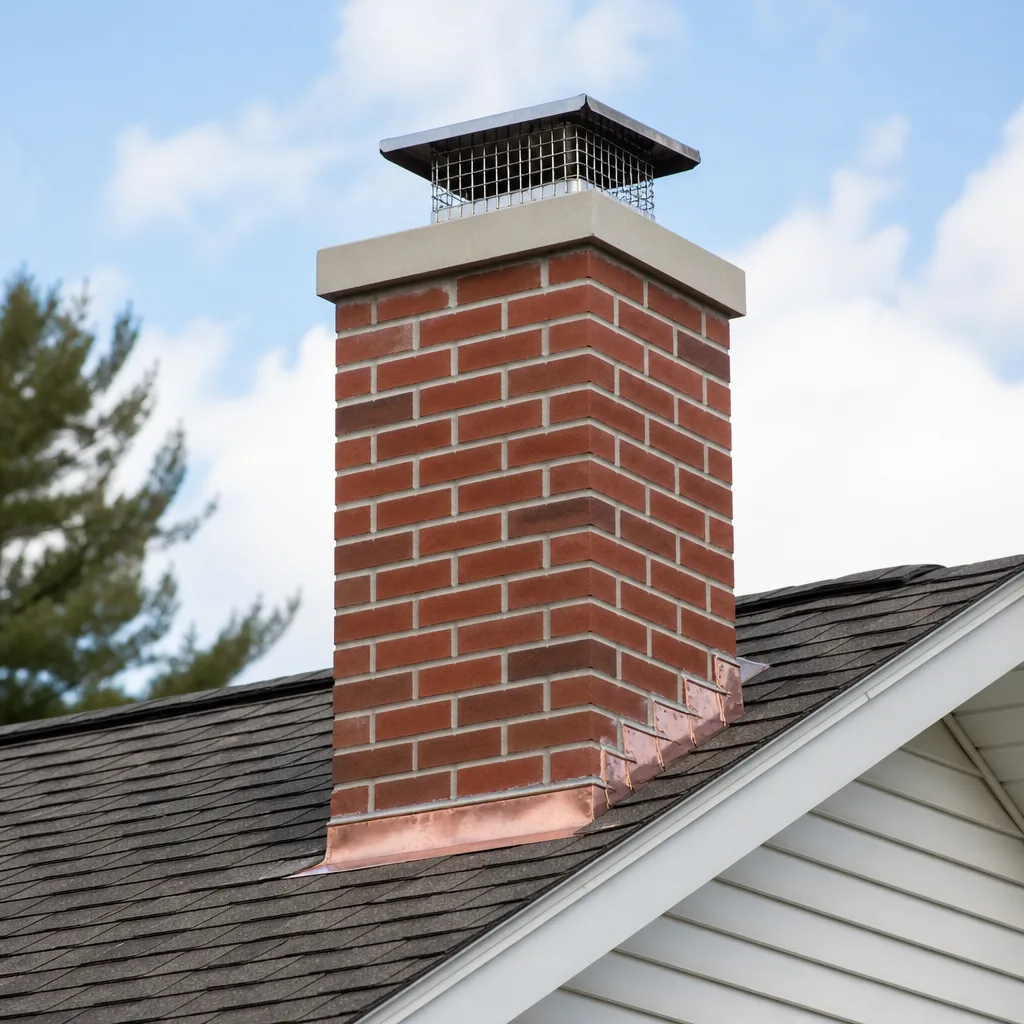 Masonry repair
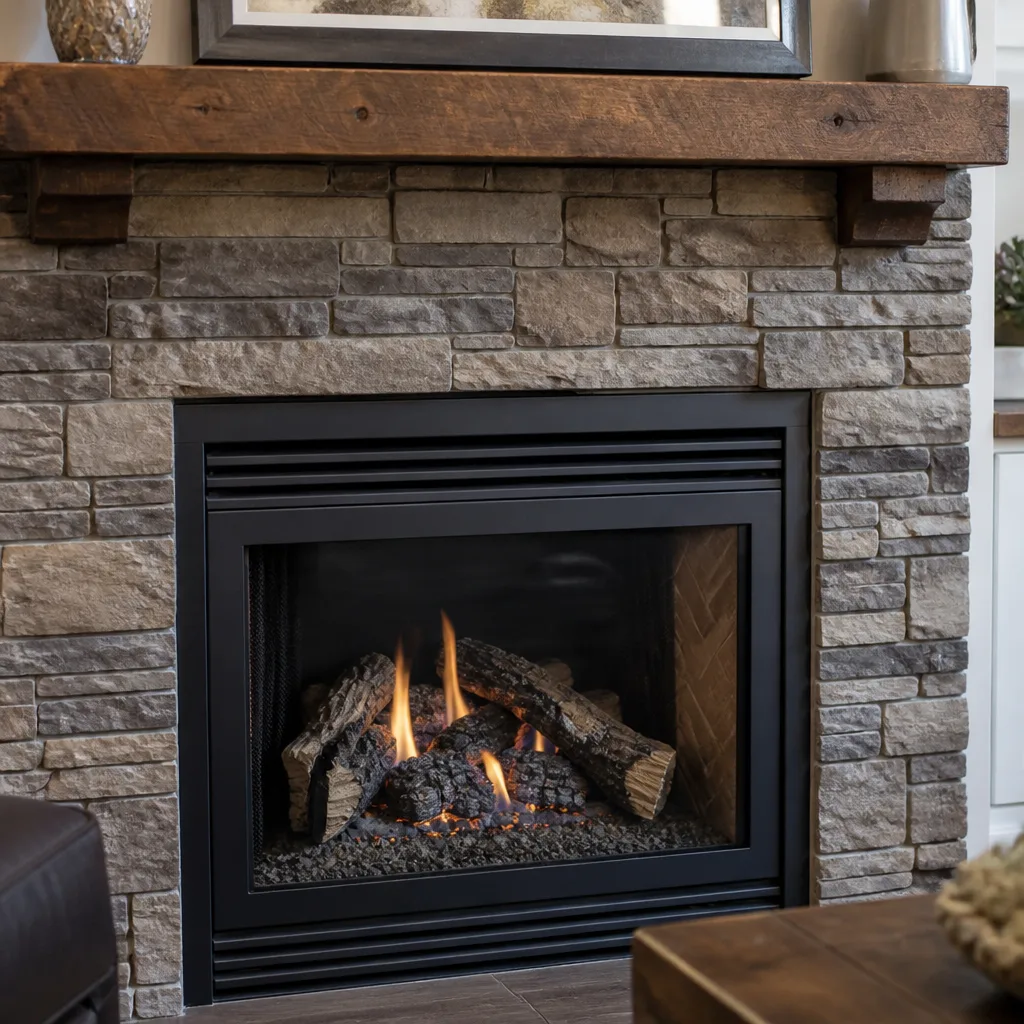 Gas fireplace service
Level 1 sweep and inspection to the NFPA 211 annual standard - flue, crown, cap, and flashing checked and photographed
Chimney sweep logs do not sweep chimneys. They loosen some creosote - which then falls where a brush and vacuum still have to collect it.
Seasonal Chimney Cleaning Care for Hollywood: Year-Round Homeowner’s Guide
The standard advice to “schedule your chimney cleaning before winter” was written for Chicago, not Hollywood. Here, a Santa Ana event in October can push temperatures into the 90s one week and have you lighting the first fire of the season the next, often before any sweep has visited. In a climate where the marine layer saturates masonry all summer and fire season chokes the air in fall, the timing calculus for chimney maintenance is completely different. This guide maps chimney care to Hollywood’s actual weather patterns, not a national calendar, so you know exactly what to do in each stress period and when to do it. For emergency preparedness tips specific to Hollywood homes, see our dedicated guide.
Styles & brands we work with
Quick Answer
Hollywood homeowners should schedule chimney sweeping in late September or early October, before Santa Ana wind season and the December-to-February burn window, rather than waiting for November when national advice suggests. The city’s four distinct chimney stress periods – Santa Ana winds in fall, marine layer moisture in summer, fire season air restrictions in late summer and fall, and the concentrated winter burn season – each create specific maintenance needs that a generic seasonal guide never addresses.
Table of Contents
- Hollywood’s Four Chimney Stress Periods: A Calendar That Actually Fits
- Why September Is the Real Sweep Month in Hollywood
- Santa Ana Wind Season: Cap, Crown, and Downdraft Protocol
- Marine Layer Summer: What Six Months of Moisture Does to Masonry
- Fire Season Overlap: Air Quality, Fireplace Use, and Smart Timing
- The December-February Burn Window: Creosote Reality in Hollywood
- Building a 12-Month Chimney Maintenance Calendar for Hollywood
- Common Mistakes to Avoid
- When to Call a Professional
- Frequently Asked Questions
- The Bottom Line
Hollywood’s Four Chimney Stress Periods: A Calendar That Actually Fits
Hollywood doesn’t do four seasons in the New England sense. What it does is cycle through four distinct environmental conditions that each stress a chimney system in a different way. Understanding these periods is the difference between maintaining a chimney that lasts decades and chasing repairs every few years.
First comes the marine layer season, running roughly from May through August. Morning overcast and coastal moisture push inland through the Cahuenga Pass, and that damp air sits against exposed masonry for hours at a time. Chimneys absorb this moisture. When the afternoon sun hits the brick hard, the surface dries faster than the interior, and that differential creates the kind of micro-cracking that eventually opens mortar joints. We see the cumulative effect every summer in Hollywood’s 1920s and 1930s chimneys, which were built with lime mortar that handles moisture poorly compared to modern cement-based mixes.
Then comes fire season, with its own set of problems. Ash and particulate matter in the air settle onto chimney caps, into crown cracks, and across damper assemblies. Air quality restrictions mean many Hollywood homeowners avoid using their fireplaces entirely during September and October, even on cooler evenings. That’s actually the right instinct for air quality, but it creates a scheduling crush when the first genuinely cold night hits.
Santa Ana wind season typically arrives in October and can extend through March. These winds don’t just test chimney caps and crowns; they create negative pressure inside the home that pulls air down the chimney. If your damper doesn’t seal properly, every Santa Ana event forces dust, ash, and the smell of old creosote back into the living room. We also see cap dislodging and crown cracking accelerate dramatically during sustained wind events.
Finally, the burn season runs December through February, when Hollywood’s occasional cold snaps drive fireplace use. Because the burn season is short and intermittent, creosote buildup happens differently than in colder climates. Fires tend to be smaller, often built with whatever wood is on hand, and are more likely to smolder at low temperatures, which produces the sticky, glazed creosote that’s hardest to remove and most flammable.
- Marine layer season (late spring through summer): moisture absorption into masonry, mortar softening, efflorescence, damp musty smells
- Fire season (late summer through fall): ash and particulate accumulation, restricted fireplace use, scheduling delays for sweeps
- Santa Ana season (fall through early spring): cap and crown damage, downdrafts, damper seal failures, accelerated masonry drying and cracking
- Burn season (winter): concentrated creosote accumulation from intermittent fires, glazed creosote from low-temperature burns
Each period feeds the next. Marine layer moisture softens mortar. Santa Ana winds exploit those softened joints and widen cracks. Ash from fire season settles into those cracks. And the winter burn deposits creosote on top of it all. A chimney that skips maintenance in one period enters the next period weaker.
Why September Is the Real Sweep Month in Hollywood
The national chimney industry pushes fall cleanings, usually meaning October or November. In Hollywood, that’s late by a full month, sometimes six weeks. Here’s why scheduling in September specifically matters for this market.
First, the Santa Ana season doesn’t wait for November. The first strong Santa Ana events of the year routinely happen in October, and they frequently coincide with temperature drops that send people to their fireplaces. If your chimney hasn’t been inspected, you’re lighting a fire in a system that may have spent six months accumulating moisture damage and wildlife intrusion. We’ve seen October Santa Ana events that caused more chimney damage in a single weekend than an entire mild winter.
Second, September is typically after the worst of summer heat has passed but before the fire season scheduling crunch begins. By mid-October, chimney sweeps across the LA basin are booked out three to five weeks. The homeowner who calls in September gets their choice of dates. The homeowner who calls after the first cold snap in late October may wait until December, and by then they’ve either burned in an unswept chimney or gone without heat.
Third, September’s weather makes for optimal sweep conditions. The flue is dry, which means creosote and soot release more completely. Roof access is safer without the slick morning condensation that builds up through October. And the results of the sweeping and inspection are more accurate: you’re seeing the chimney at its baseline, not after it’s been stressed by wind and rain.
There’s also a fire season angle. By September, your chimney has accumulated an entire summer of settled ash, spider webs, leaf litter, and possibly animal nesting. Clearing that out before fire season smoke adds another layer of obstruction means your chimney goes into the restricted-use period clean, not dirtier.
- Book in early September for dates in the last two weeks of the month
- Ask for a combined sweep and Level 1 inspection, not just a sweep
- Request photos of any findings, especially in the crown and cap areas
- If the sweep identifies a repair need, you still have October and early November to schedule it before burn season
- Store a half-cord of properly seasoned hardwood now, not in December when everyone else is scrambling
Santa Ana Wind Season: Cap, Crown, and Downdraft Protocol
Santa Ana winds are Hollywood’s most destructive chimney force, and they operate differently than any weather pattern in the national chimney playbook. These winds blow from the northeast, descending through the passes and accelerating as they compress. Gusts hitting ridge lines and canyon areas around Hollywood routinely exceed 50 miles per hour, and periodic events push past 70.
That force acts on your chimney in three specific ways: cap stress, crown erosion, and downdraft pressure.
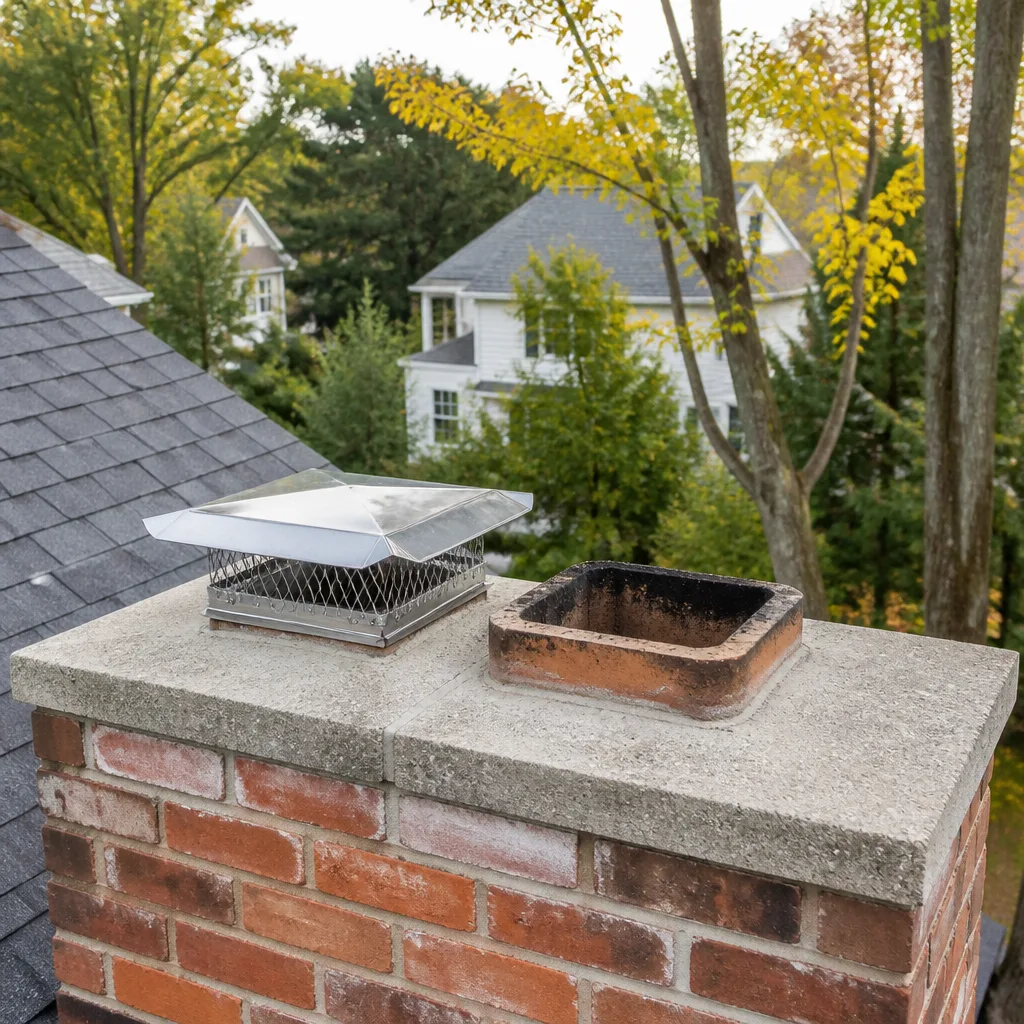
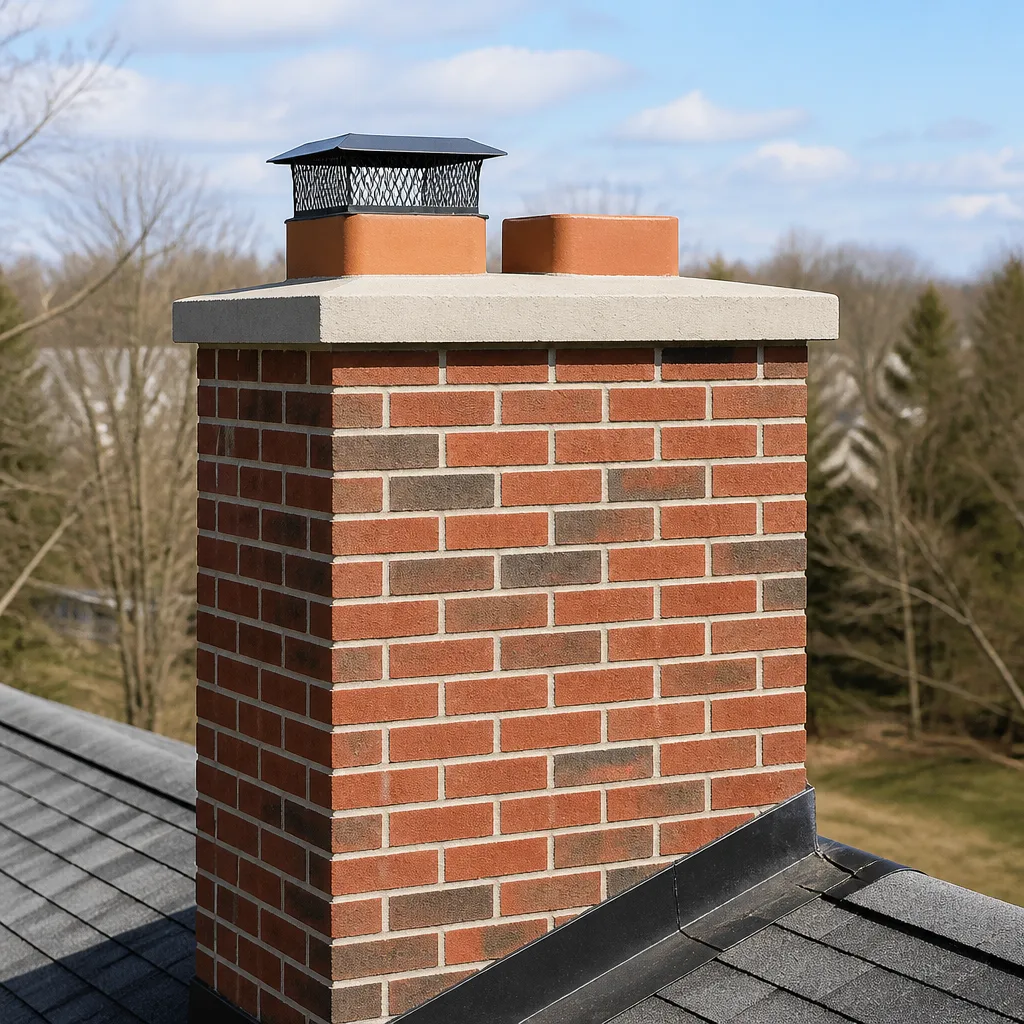
Cap stress: A chimney cap is a metal assembly that sits atop the flue and prevents rain, animals, and debris from entering. Santa Ana winds hit caps at odd angles, loosening mounting hardware and bending screens. A cap that survives years of normal weather can fail in one prolonged wind event. After any Santa Ana event with sustained winds over 40 miles per hour, check for visible cap movement from the ground. If it’s shifted, it’s no longer sealing the flue.
Crown erosion: The crown is the concrete slab that runs across the top of the chimney, around the flue. Santa Ana winds carry fine dust and grit that sandblast crown surfaces over time, widening hairline cracks into channels for water. The dry heat between wind events causes the concrete to contract, which deepens existing cracks. We routinely see Hollywood chimneys where the crown looks fine from the ground but has significant cracking visible only from the roof.
Downdraft pressure: When Santa Ana winds hit, they create a negative pressure zone inside your home. That pressure difference pulls air down through the chimney opening. If your damper doesn’t seal completely, you’ll smell old creosote, dust, and sometimes smoke from the previous season. You may also hear a whistling sound as wind travels across the damper opening.
In our experience, the average Hollywood homeowner is aware that Santa Anas exist and do nothing about them. The smart move is a pre-wind-season check and a quick post-event assessment.
- Before Santa Ana season: verify the damper seals completely when closed. Shine a flashlight up from the firebox to check for visible gaps.
- After each significant Santa Ana event: check for cap displacement from ground level using binoculars. Look for tilting or shifting.
- After the season: have a professional inspect the crown for new cracks and the cap for loosened hardware.
Most of what fails during Santa Ana season fails because it was already weakened. A crown with minor cracks entering the season leaves with major cracks. A cap with slightly loose bolts leaves with missing bolts. The pre-season inspection is the leverage point.
Marine Layer Summer: What Six Months of Moisture Does to Masonry
June through August in Hollywood means morning overcast and elevated humidity that sits against chimneys for hours before burning off. That marine layer is the single most underrated chimney hazard in this city, because it works slowly and invisibly.
The mechanism is straightforward. Brick and mortar are porous. They absorb moisture from humid air, not just from rain. Over a six-month period of morning saturation, the outer surfaces of your chimney take on water at a rate that surprises most homeowners. When the afternoon sun hits and temperatures rise into the 80s or 90s, that moisture evaporates from the surface faster than from the interior. The result is thermal and moisture differential stress, which manifests as efflorescence, spalling brick faces, and crumbling mortar joints.
Hollywood’s older chimneys are particularly vulnerable. Homes built before the 1960s in neighborhoods like Whitley Heights, Larchmont Village, and Beachwood Canyon frequently have chimneys constructed with softer, older brick and lime-based mortar. Lime mortar breathes more than modern Portland cement mixes, which makes it more susceptible to moisture cycling. We see summer moisture damage in these older chimneys every year, often in the form of mortar that can be scraped away with a fingernail.
The summer also brings animal activity. Dry heat forces animals to seek cooler, shaded spaces, and an uncapped chimney with a damaged or missing screen is an invitation. Raccoons, squirrels, and birds all build nests in chimneys during the summer months in Hollywood. Those nests create blockages, and blockages create both fire risk and carbon monoxide risk.
Summer is also when damper assemblies tend to seize. The damper sits inside the firebox, exposed to whatever moisture the chimney absorbs. As the damper’s metal parts rust and the frame shifts, the mechanism becomes harder to operate. By the time burn season arrives, a damper that was sluggish in July may be frozen in August.
The summer maintenance tasks that matter in Hollywood are less about what you do to the fire, since there is no fire, and more about what you prevent:
- Cap and screen inspection (once, mid-summer): Look for animal entry, missing screens, or visible damage from above. Most wildlife entry happens between June and September.
- Damper exercise (monthly through summer): Open and close the damper fully two or three times per session. Keeps the mechanism from seizing and reveals stiffness early.
- Crown waterproofing check (once, early summer): A crown with existing cracks will absorb more moisture during marine layer season. If you see cracks by early June, schedule waterproofing before the humidity peaks.
- Flue smell test (on humid mornings): A strong campfire smell when the flue is closed often indicates moisture activating old creosote deposits. That’s a signal to have the flue swept sooner rather than later.
Summer chimney care in Hollywood isn’t glamorous, which is exactly why most homeowners skip it. But it’s the cheapest season to prevent the damage that shows up in November.
Fire Season Overlap: Air Quality, Fireplace Use, and Smart Timing
Fire season in Southern California now runs essentially year-round, but the most acute period for Hollywood falls between August and November. Wildfire smoke drifts into the basin, air quality index readings spike, and health advisories recommend limiting outdoor activity and keeping windows closed. Fireplace use during these periods is contraindicated in two ways: adding smoke to already degraded air, and pulling that degraded air into the home through the chimney’s draft.
There’s a surprising connection between Firebrick Chimney Sweep home services and fire season preparedness that most homeowners don’t consider. When air quality is bad, the instinct is to close everything up. But a chimney is essentially an open pipe from the outside into your living room. If your damper doesn’t seal properly, wildfire smoke and particulate matter drift down the flue and into the house even when there’s no fire. This is one of the most common complaints we hear in September and October: a smoky smell inside the house during fire season with no fireplace use, caused by an inadequately sealed damper.
Fire season also creates scheduling pressure. As air quality worsens and the first Santa Ana events arrive, demand for chimney sweeping spikes. Homeowners who postponed their annual sweep suddenly realize they may need the fireplace soon, and the entire LA basin is calling the same few weeks. Booking in September sidesteps this entirely.
The other fire season consideration is what’s already inside your chimney. A season’s worth of summer debris – leaves, twigs, animal nesting material, even just accumulated dust and cobwebs – is combustible material sitting above your firebox. If a fire does start in the flue, that debris accelerates the spread. This is why the annual cleaning before fire season is a defensive measure, not just a convenience.
If you have a gas fireplace or gas insert, fire season dynamics are different. Gas systems don’t produce creosote, but they still need annual inspection for carbon monoxide integrity, log placement, and venting. During heavy smoke periods, gas fireplaces don’t add particulate to indoor air, but they do draw outdoor air in for combustion, which means your home’s air quality could degrade even with a gas system running. The takeaway is the same: make sure your chimney system is inspected and sealed properly before fire season peaks.
The December-February Burn Window: Creosote Reality in Hollywood
Hollywood’s burn season is short, intermittent, and idiosyncratic. There’s no sustained winter. Instead, there are cold snaps where temperatures dip into the 40s at night, and people build fires for a few consecutive evenings, then stop for two weeks, then fire up again. This intermittent pattern has a specific implication for creosote.
When a fire burns hot and steady, creosote forms relatively slowly. When a fire burns low, smolders, or goes through frequent start-and-stop cycles, creosote forms much more quickly – and the resulting deposits are denser and stickier. Hollywood’s burn pattern, with fires lit on cold nights and allowed to die out overnight, produces exactly the kind of cool-surface, high-condensation conditions that create glazed creosote. Glazed creosote is the most difficult type to remove and the most hazardous because it concentrates the flammable compounds.
Adding to the problem: many Hollywood homeowners use whatever firewood is available, and not all of it is properly seasoned. Wet wood burns at lower temperatures and produces more creosote and more smoke. Mixing types of wood, using construction scraps, or burning pine all change the combustion profile in ways that increase the creosote load.
What an unswept chimney looks like after one Hollywood burn season, based on our inspections, is a flue with a light layer of dusty creosote in the upper third and a denser, tar-like accumulation around the smoke shelf and the damper area, where the flue gases cool most rapidly. The smoke shelf in particular is a collection point for creosote because the smoke makes a turn there and loses velocity.
The practical implications for homeowners:
- If you burned regularly during the December to February window, the fireplace should be swept before the following burn season, regardless of how light usage felt
- If you smell a strong creosote odor in the room whenever the damper is closed, the deposits are heavy enough to warrant an immediate sweep
- Burning artificial logs marketed as “creosote removers” does not replace a proper mechanical sweeping; it may alter the chemical composition of deposits but does not remove them
- The best fuel to minimize creosote in Hollywood’s burn pattern is properly seasoned hardwood with a moisture content under 20%
Building a 12-Month Chimney Maintenance Calendar for Hollywood
Most chimney maintenance calendars you’ll find online are built for places with actual winters. For a detailed cost breakdown for Hollywood homeowners, see our 2026 reference guide. Here’s one built for Hollywood’s actual climate, month by month, with the specific tasks that matter in each window.
January-February: This is peak burn season, if you use the fireplace. Be attentive to how the fire behaves. Rolling smoke into the room, difficulty establishing a draft, or popping noises from the flue are warning signs. Keep an eye on the chimney cap for any Santa Ana displacement. This is also a good time to check that the damper still operates smoothly.
March: Burn season winds down. Make note of any creosote odor you experienced during the winter and schedule a sweep early, before the spring rush. If you notice efflorescence on the exterior masonry, it’s a sign moisture has been penetrating – likely during the winter rain plus marine layer combination.
April-May: Marine layer season begins in earnest. This is the window to have the crown inspected and waterproofed if it has been several years. April is also when wildlife starts looking for nesting spots; confirm your cap and screen are intact. With temperatures still moderate, these months are ideal for roof-access work.
June-July: Peak marine layer period. Exercise the damper monthly. Watch for musty smells coming from the fireplace, which indicate moisture saturation in the masonry. If you see any bricks flaking or mortar crumbs on the hearth, that’s spalling and it’s accelerating in the humid conditions.
August: Fire season typically intensifies late in the month. Check the damper seal by closing it and noting whether smoke smells from outside are entering. If you haven’t had a sweep in the last 12 months, this is the time to book the September appointment.
September: Book and complete your annual sweep and inspection. After the sweep, test a small fire on a clear-air night to confirm draft and damper function. Purchase or restock seasoned firewood before the fall rush. Confirm the cap is secure heading into Santa Ana season.
October: Santa Ana season begins in earnest. After the first significant wind event, do a visual check of the cap and crown from ground level. Test the damper seal again. If you haven’t scheduled your sweep yet, you’re now competing with the entire basin; book as early as possible.
November: If air quality permits, this is the month for the first real fires of the season. If your chimney has been swept and inspected, you’re good to go. If not, hold off until you can schedule service. Never light a fire in an uninspected chimney after a windy, dry fall.
December: Burn season peaks. Use properly seasoned hardwood, keep fires moderate, and don’t let fires smolder unattended overnight. A chimney that’s been swept and maintained through the year will perform cleanly through the holidays.
This calendar assumes an annual sweep. If you burn more than three nights per week through the winter, or if you burn any amount of green wood, consider a second sweep mid-season. The cost of a second sweep is negligible compared to the cost of a flue fire or a collapsed liner.
Common Mistakes to Avoid
- Waiting until November to schedule a sweep, following national advice. By November, the LA chimney service market is saturated, and you may burn unswept for weeks. Schedule in September.
- Treating the Santa Ana season as a weather event rather than a chimney event. Cap damage, downdrafts, and accelerated crown cracking are all Santa Ana consequences. Inspect after significant wind events.
- Ignoring the damper all summer and expecting it to work in December. Dampers seize in Hollywood’s humid summer and dry fall. Exercise them monthly during the off-season.
- Burning construction lumber, pine, or unseasoned wood. These fuels accelerate creosote formation and shorten the life of the flue liner. Seasoned hardwood is the only appropriate fuel.
- Assuming a gas fireplace requires no maintenance. Gas systems still need annual inspection for carbon monoxide integrity, venting function, and log placement. More importantly, a gas fireplace in an old masonry chimney that hasn’t been inspected is still a carbon monoxide risk.
- Ignoring animal entry signs during summer. A cap with a missing screen leads to nests, and nests lead to blockages. Check the cap in June, not October.
- Relying on creosote-sweeping logs. These products alter creosote but don’t remove it. A mechanical sweep is the only reliable method of clearing the flue.
When to Call a Professional
Annual sweeping and inspection should always be done by a professional crew with roof access experience and the right equipment. But there are specific situations where you should call immediately, not at the next annual appointment. If you see any visible cap displacement or crown cracking after a Santa Ana event, call for an assessment. If you smell smoke or creosote when the fireplace is not in use, the damper may be failing or the flue may be obstructed. If you notice efflorescence, spalling brick, or crumbling mortar on the exterior of the chimney, moisture is already entering the structure and will accelerate without intervention. If animals have entered – you’ll hear sounds or see debris in the firebox – the nest must be removed before the next burn. And if a home inspector, insurance carrier, or fire marshal has flagged any chimney condition, address it before the next fire season. Firebrick Chimney Sweep offers free estimates in Hollywood – call (866) 520-4943.
Frequently Asked Questions
Once per year at minimum, scheduled in September or early October, regardless of how many fires you burned last season. The marine layer, Santa Ana winds, and fire season each introduce debris and damage that accumulate annually. If you burn more than three nights per week through the winter, or if you burn any unseasoned wood, a second mid-season sweeping is appropriate. Call (866) 520-4943 to schedule your seasonal sweep before the fall rush.
Chimney sweeping in the Hollywood area typically ranges from $180 to $295 for a standard sweep with a basic visual inspection, depending on the flue height, roof access difficulty, and the amount of creosote present. A Level 1 inspection is often included or bundled for an additional $75 to $125. Repairs found during the process, such as cap replacement or crown waterproofing, are priced separately. For an exact quote, call (866) 520-4943 – estimates are free.
Yes. Even occasional use deposits creosote, and the six months of marine layer moisture, animal activity, and Santa Ana wind debris that accumulate in an idle chimney are independent of fire usage. A chimney that’s used twice per year still needs the same annual inspection because the risks – moisture intrusion, animal entry, cap damage – don’t stop when the fireplace does.
The immediate consequence is maintained creosote buildup that increases the risk of a chimney fire, which can reach temperatures above 2,000 degrees and crack flue liners or ignite surrounding framing. The slower consequence is accelerated deterioration from moisture and debris that sits in the chimney all year. We inspect Hollywood chimneys that have gone two or three years without service, and the typical findings are heavy creosote at the smoke shelf, animal nesting material, and crown cracking that could have been sealed earlier. Call (866) 520-4943 if you’ve skipped a year or more.
Gas fireplaces don’t produce creosote and therefore don’t require sweeping for combustion byproducts. However, they still need annual inspection for carbon monoxide integrity, venting function, log placement, and any debris that may have entered the flue. Gas systems in old masonry chimneys are a specific concern because any blockages in the flue can cause carbon monoxide to back up into the living space – and carbon monoxide is odorless and invisible.
Yes. Santa Ana winds stress caps, crowns, and the damper seal regardless of whether you ever light a fire. Sustained winds dislodge cap hardware, sandblast crown surfaces, and push against the damper from the top down. We see significant cap and crown damage after every prolonged Santa Ana event, including on homes where the fireplace gets lit once a year or never. The damage is structural, not combustion-related, and it needs the same professional attention.
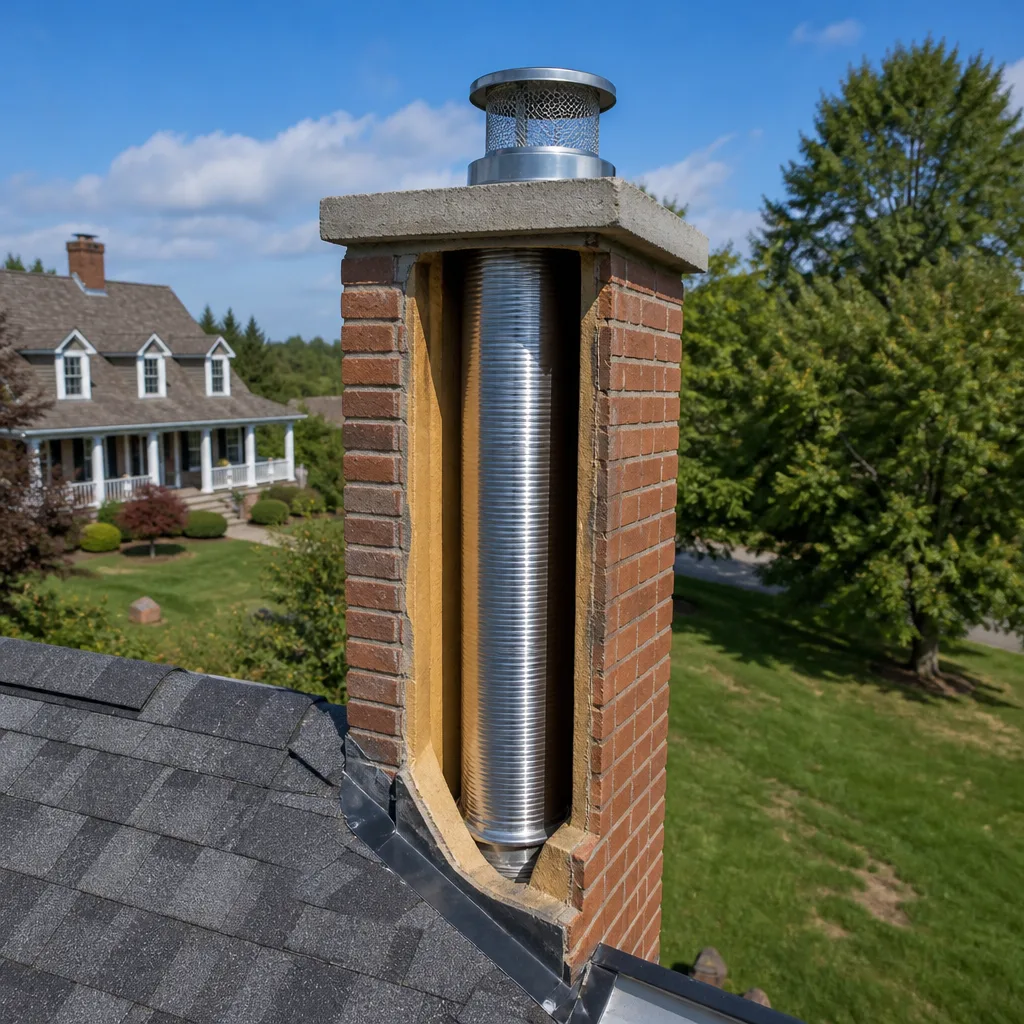
You don’t, and neither does anyone else without a camera inspection. The only way to assess a liner’s condition is to run a camera up the flue and look at the surface. Minor cracking can sometimes be addressed with ceramic resurfacing using HeatShield, which restores the liner surface without full replacement. More extensive damage may require a new liner, and for that we use professional-grade DuraFlex systems rather than consumer-grade alternatives. For chimney repair in the Century City area, the process is the same: camera first, recommendation second, and the photos accompany the quote. Call (866) 520-4943 to schedule an inspection with camera documentation.
A proper mechanical sweep removes the bulk of creosote from the flue walls by running rotary or brush tools against the surface at controlled pressure. What remains after a competent sweep is a thin residue that’s not dangerous and will eventually be removed by subsequent cleanings. If you’ve used creosote-sweeping logs, those chemically alter the deposits but don’t remove them, and the mechanical sweep is still required. The difference is visible in before-and-after photos from the sweep, which is why we document every cleaning.
The Bottom Line
The question isn’t whether to maintain your chimney in Hollywood; it’s whether to maintain it on Hollywood’s calendar or a calendar built for another climate. The marine layer attacks masonry all summer. Fire season restricts use and demands a clean flue heading into fall. Santa Ana winds stress every exterior component. And the burn season deposits creosote that compounds year after year. A September sweep and inspection, monthly damper exercise through summer, cap checks after wind events, and properly seasoned hardwood through the winter cover the bulk of what goes wrong. For Hollywood homeowners who want to handle the full lifecycle – chimney sweeping, inspection, and structural repair – dryer vent cleaning to address the other major combustion risk in the home, Firebrick Chimney Sweep provides the continuity of one company that understands the entire system.
Written by the team at Firebrick Chimney Sweep, serving Hollywood since 2012.
See the difference
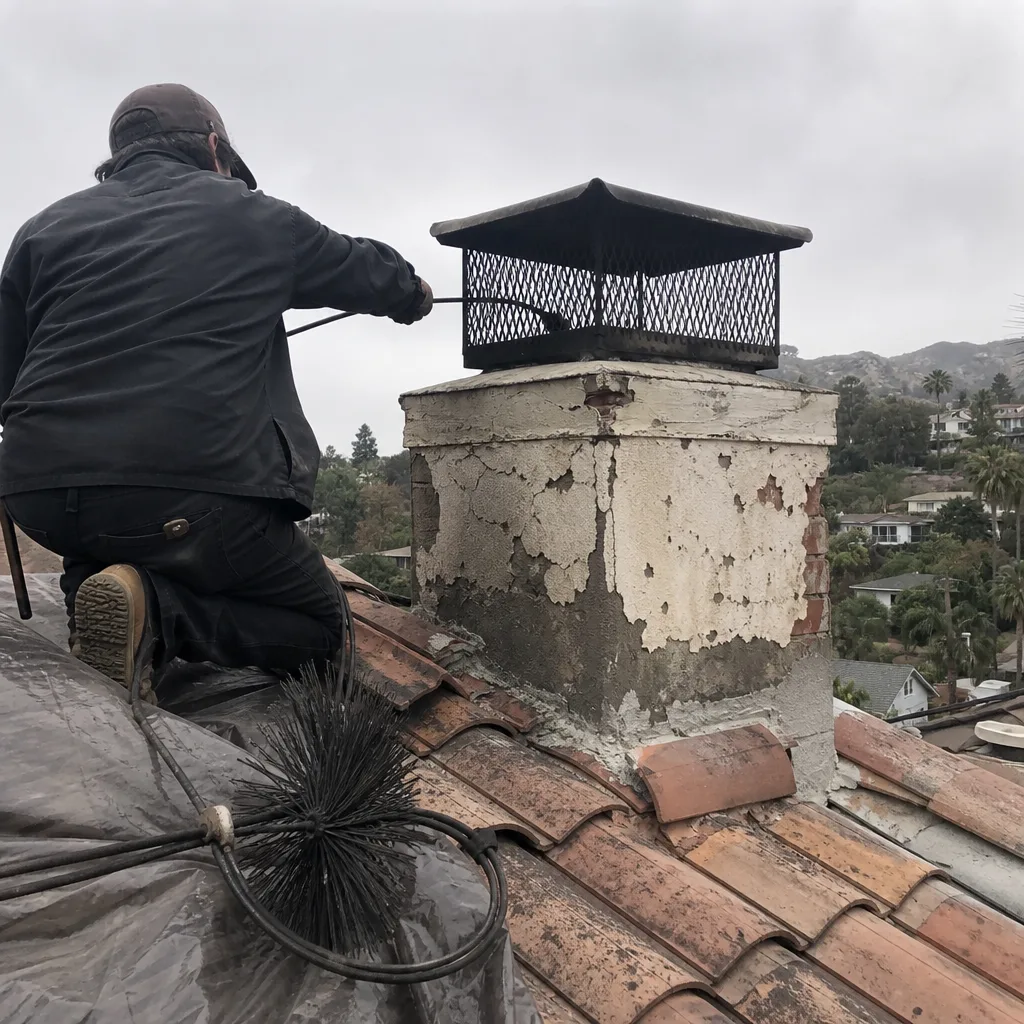 Before
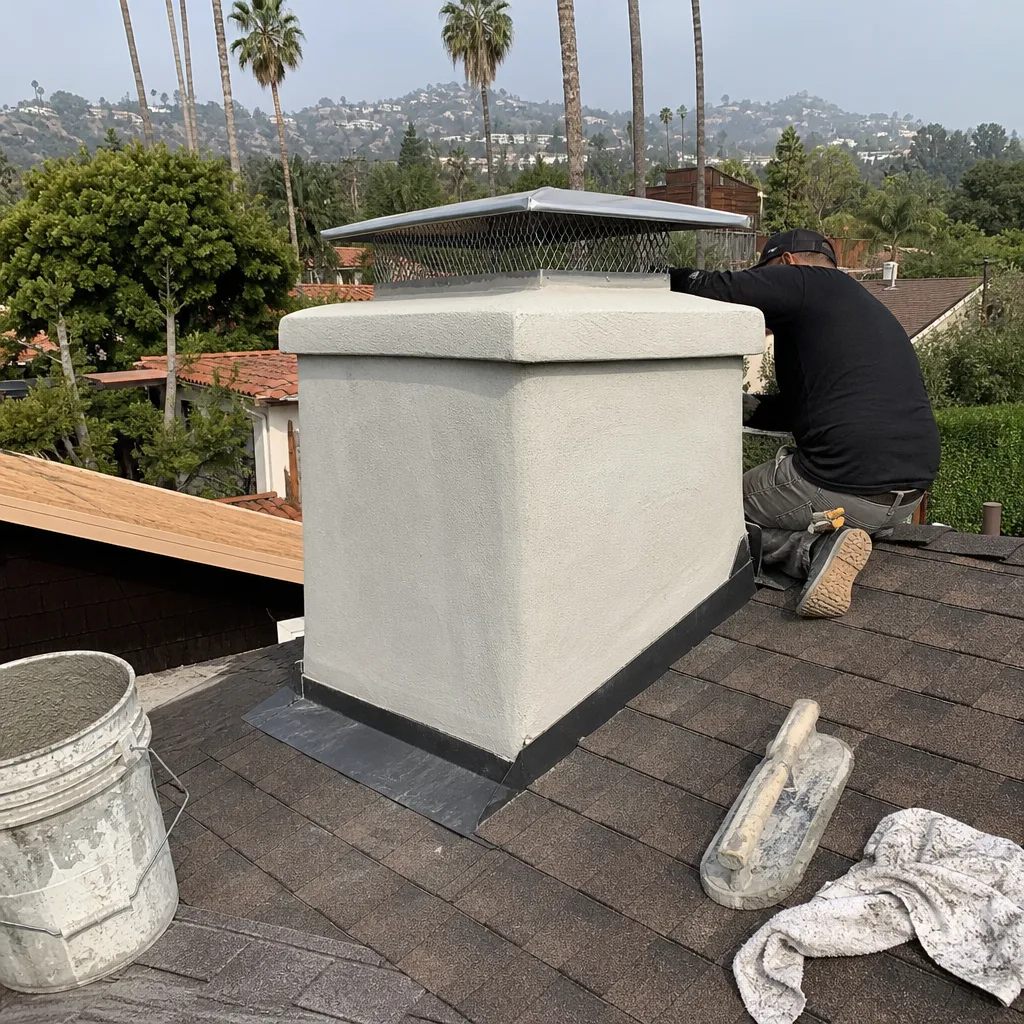 After
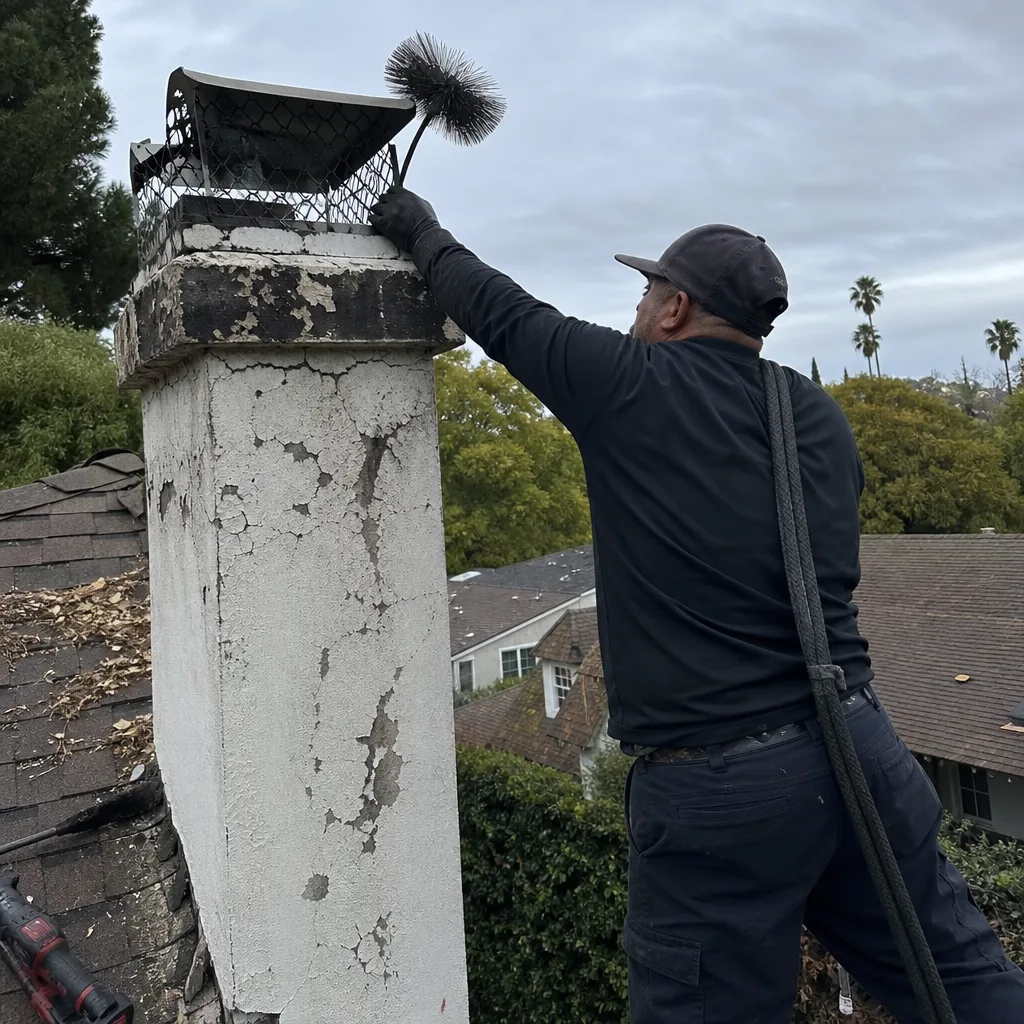 Before
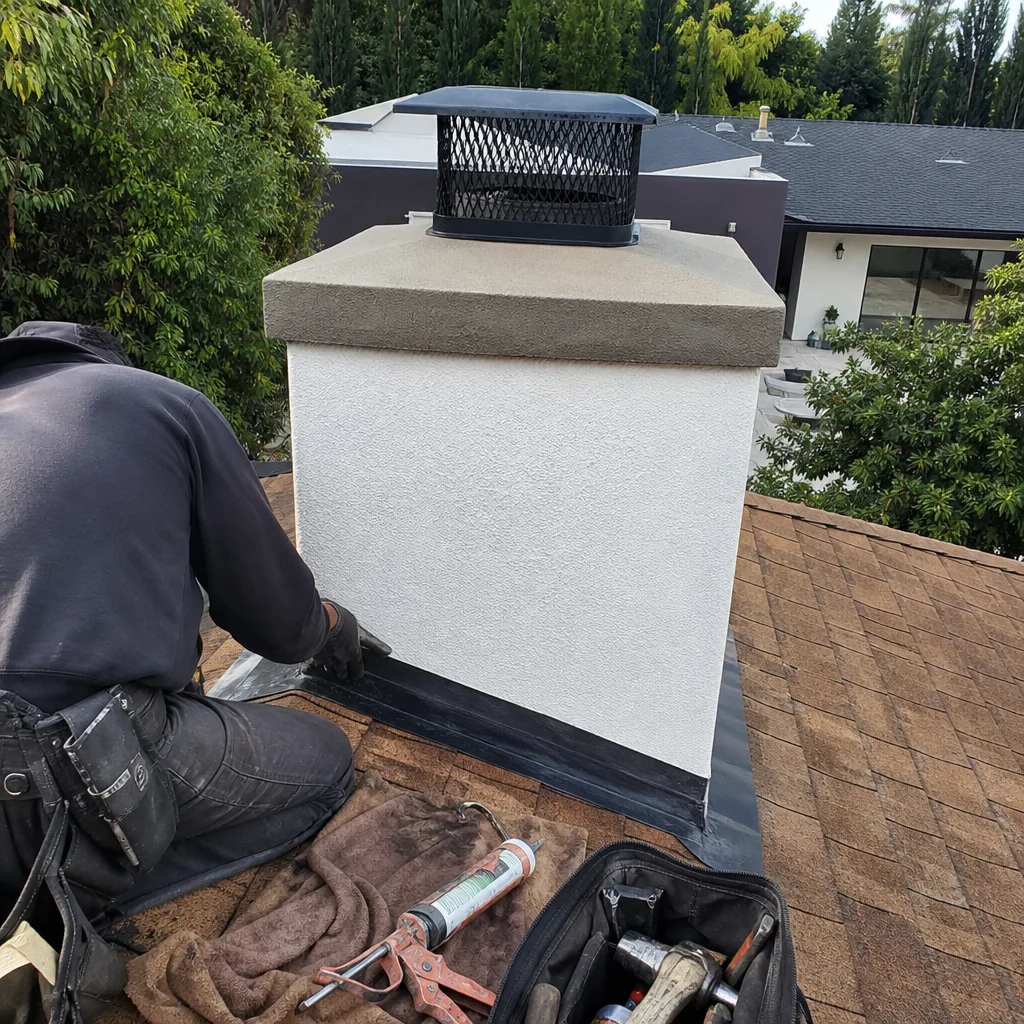 After
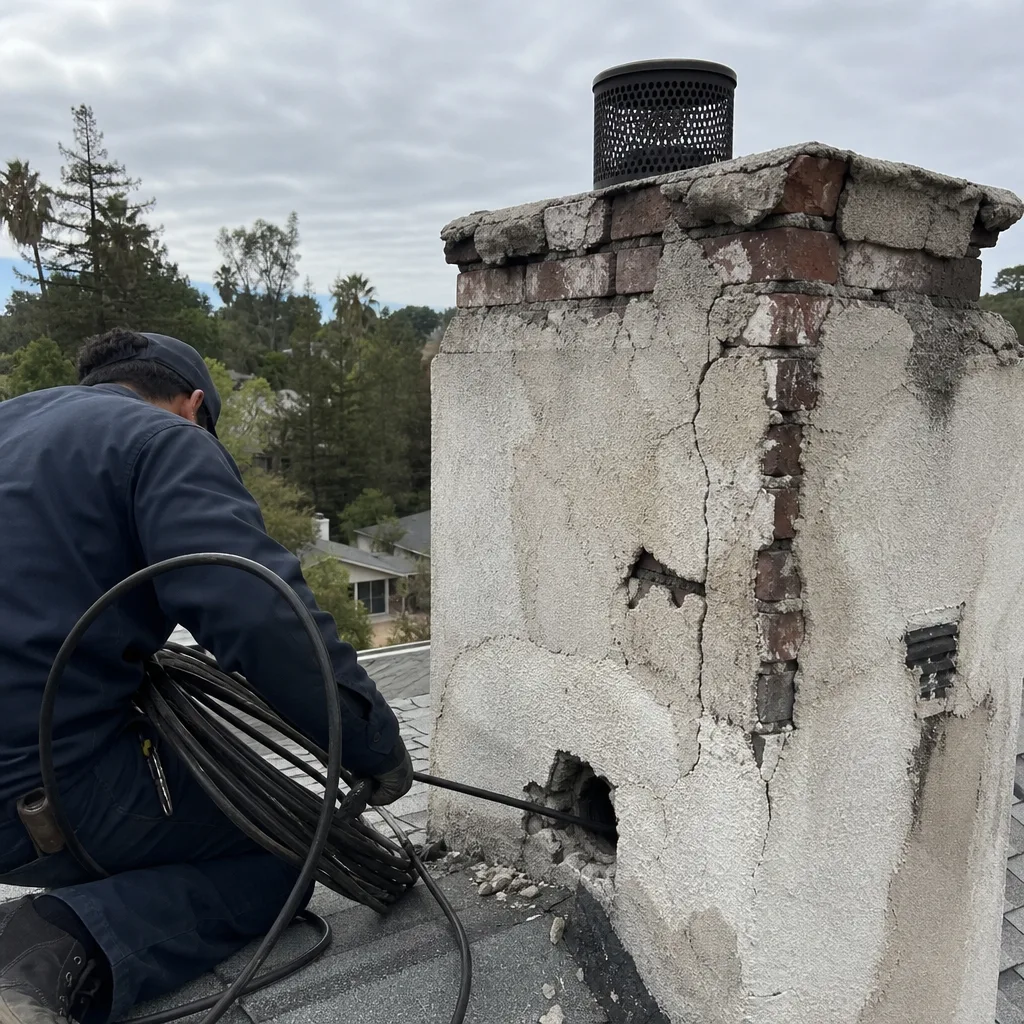 Before
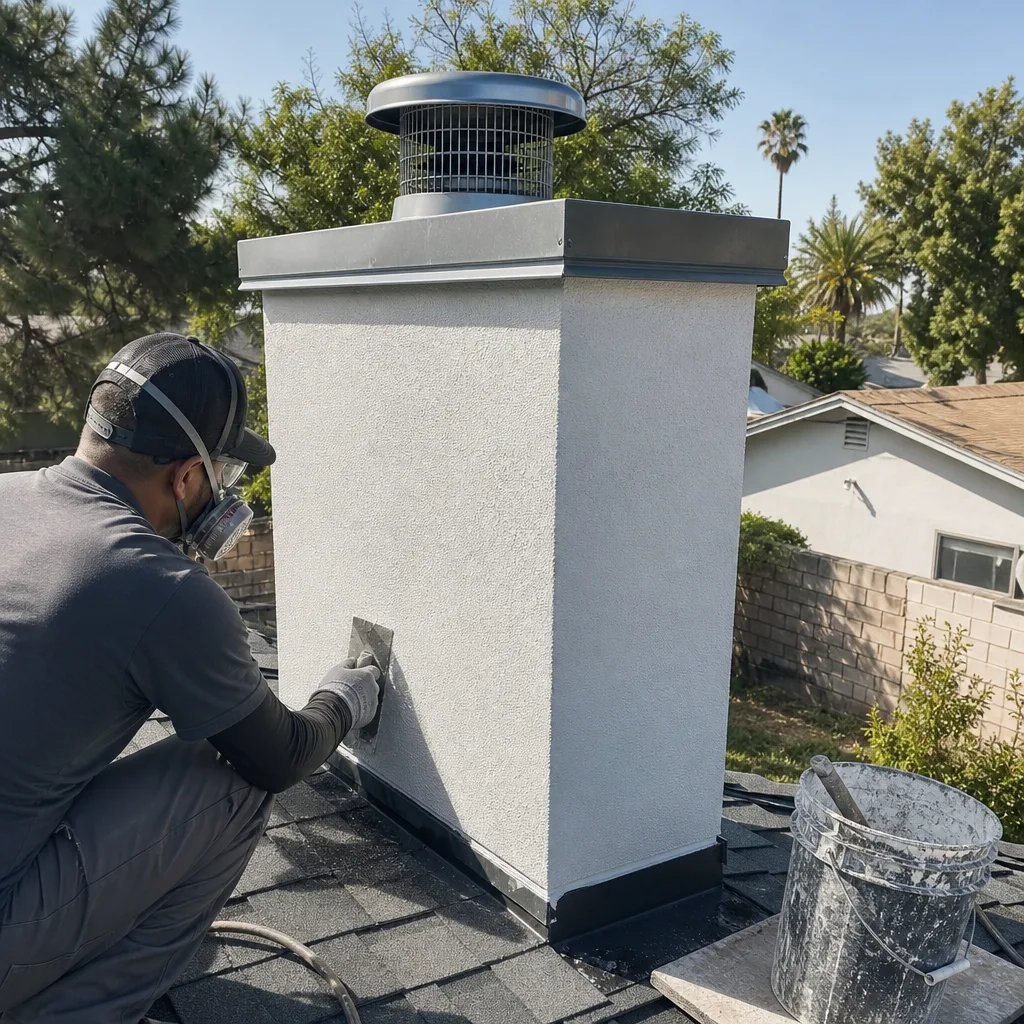 After