
Last updated October 30, 2026
 Sweep & inspection
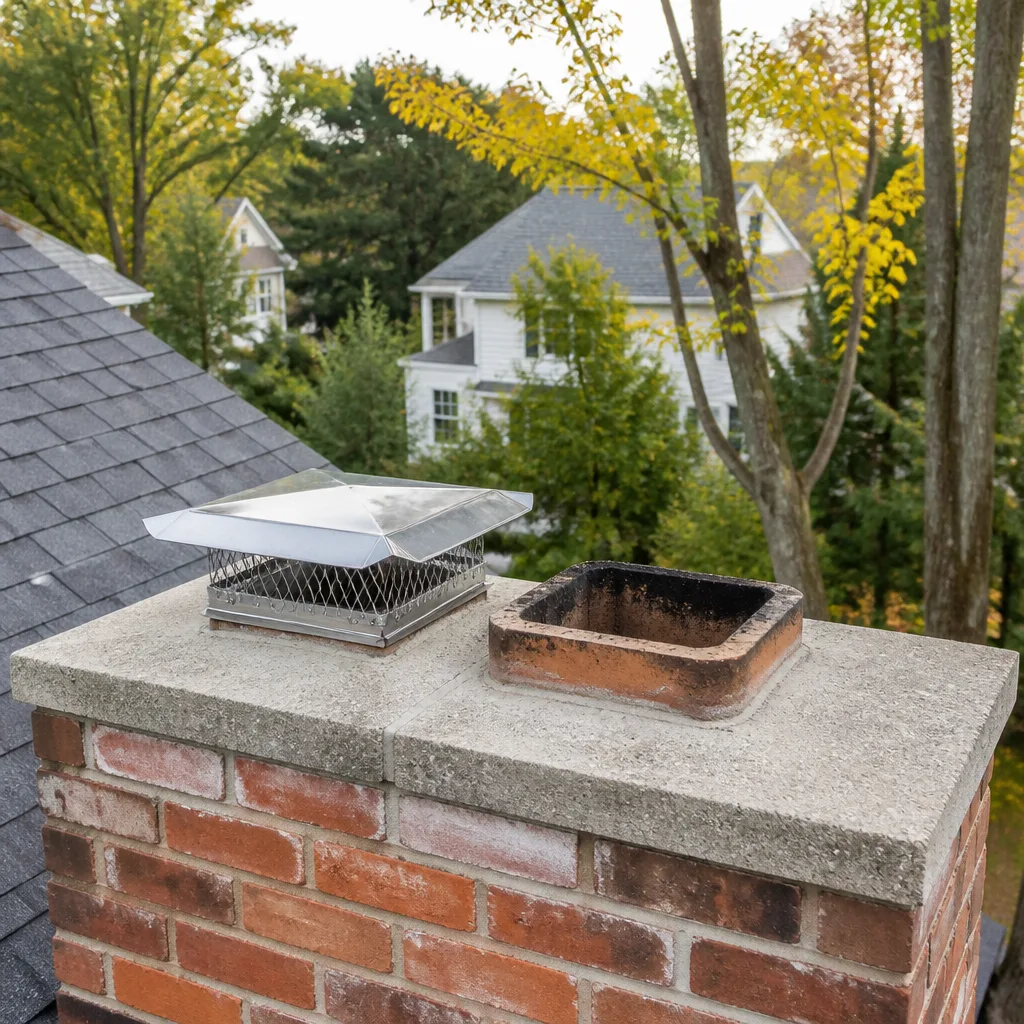
 Caps & crowns
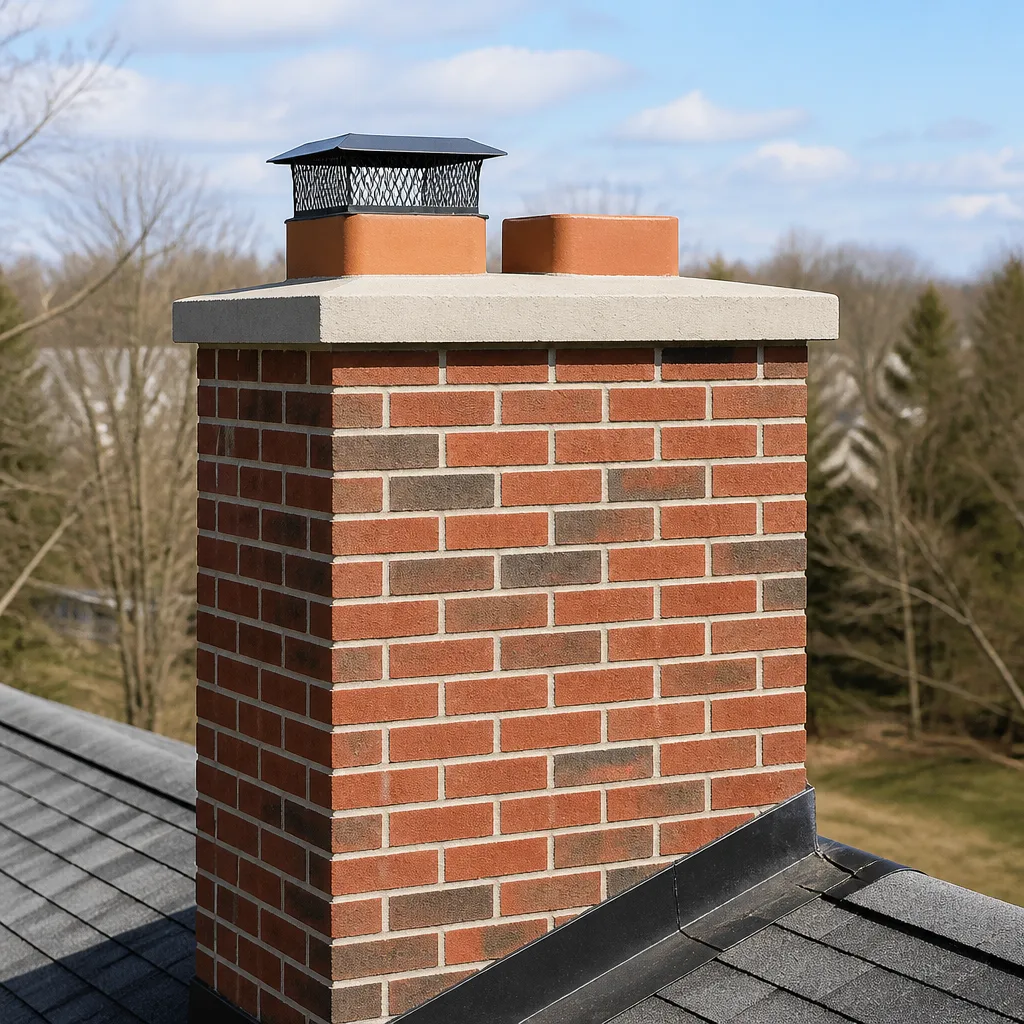
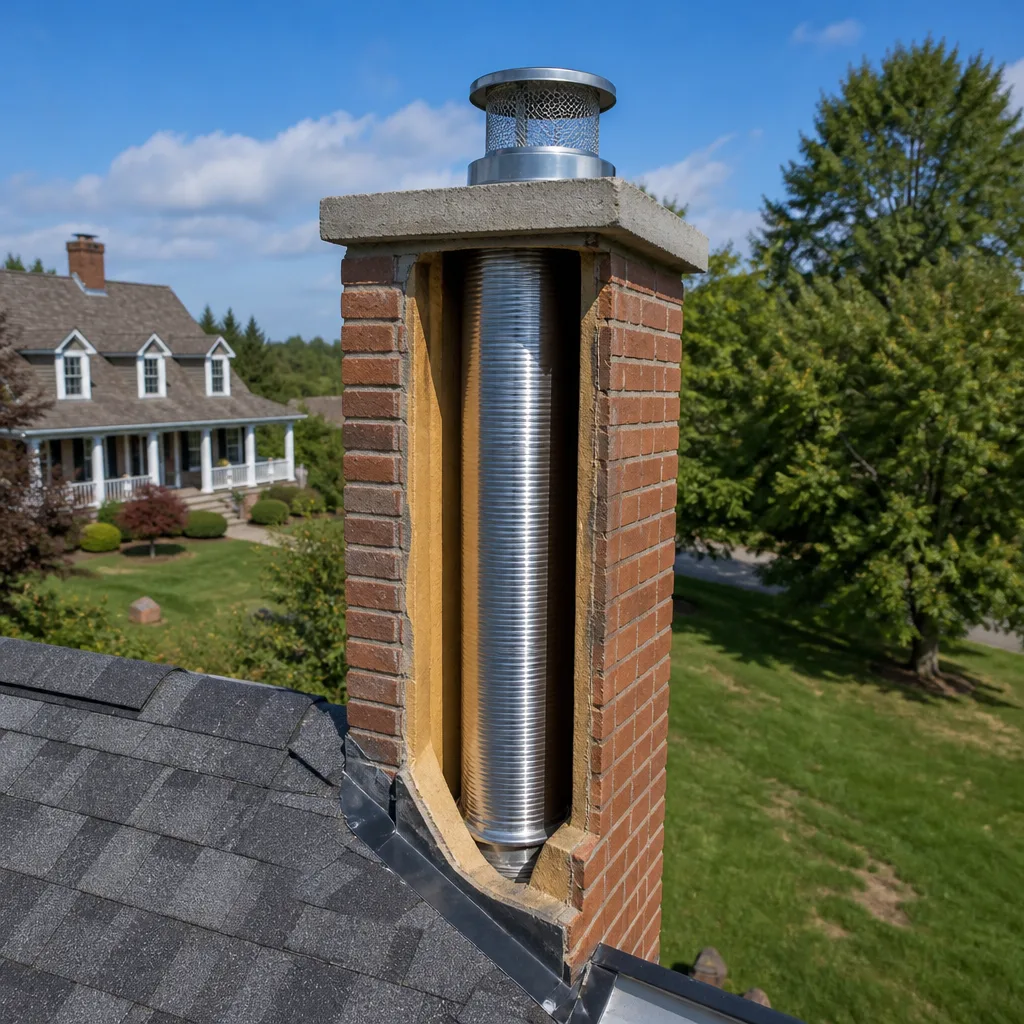 Flue relining
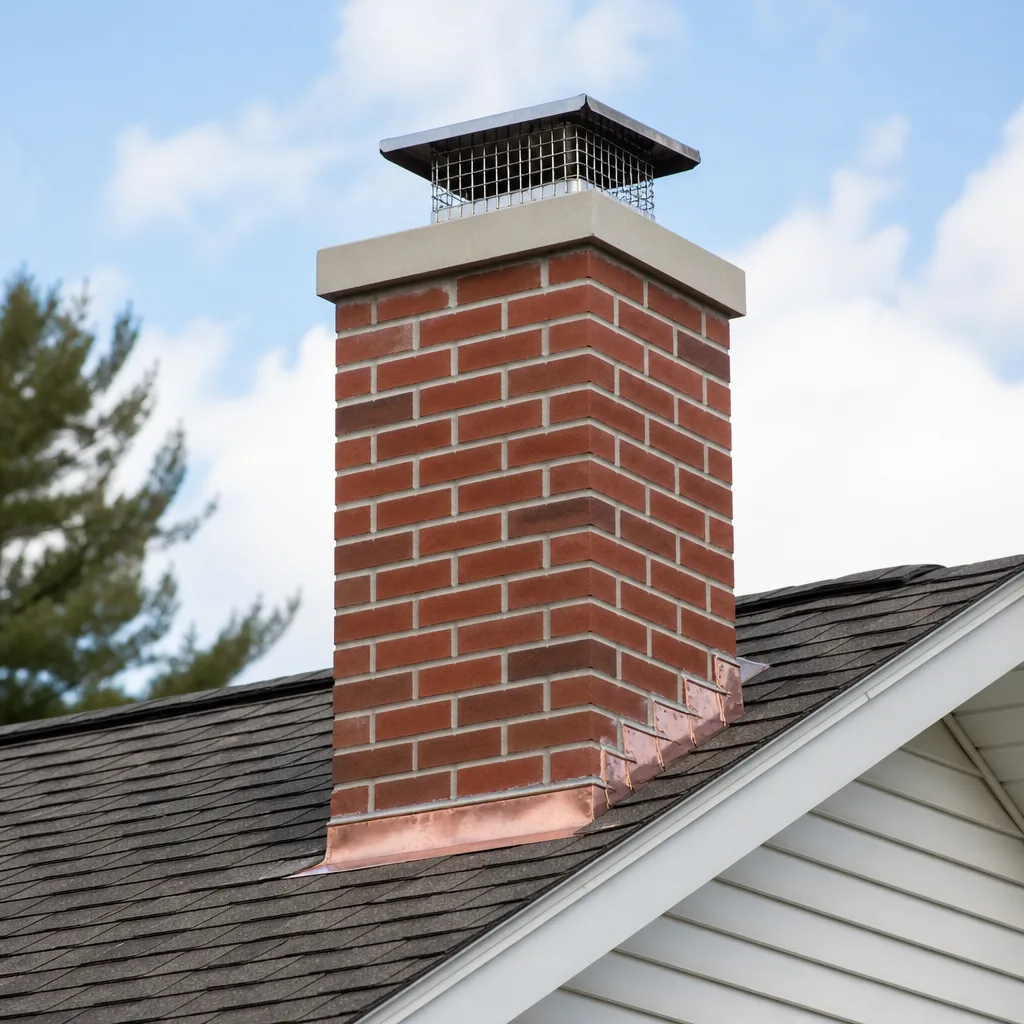 Masonry repair
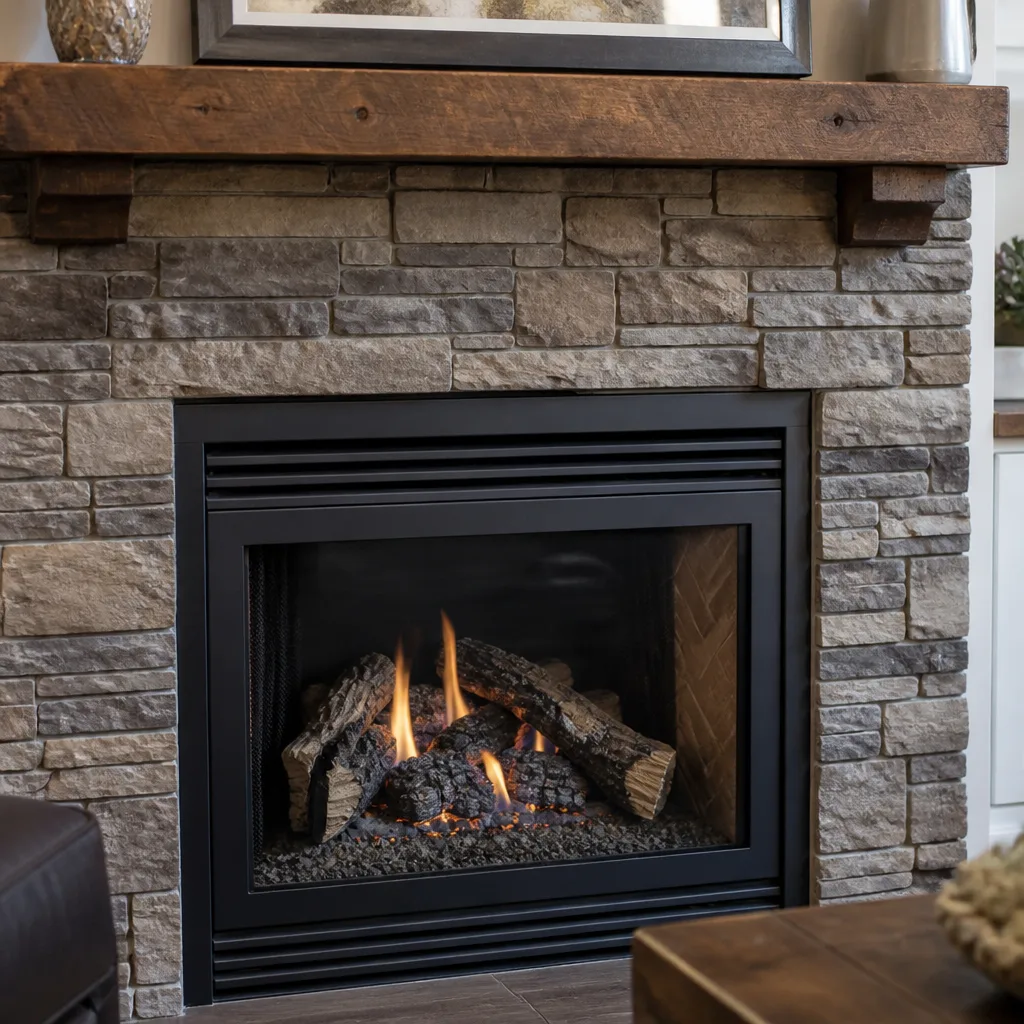 Gas fireplace service
Level 1 sweep and inspection to the NFPA 211 annual standard - flue, crown, cap, and flashing checked and photographed
Chimney sweep logs do not sweep chimneys. They loosen some creosote - which then falls where a brush and vacuum still have to collect it.
The Complete Chimney Sweep Guide for Hollywood Homeowners
Most Hollywood homeowners use their fireplace fewer than 15 times a year, and they assume that means their chimney needs less attention. It actually means their chimney faces a different set of problems that standard sweep schedules aren’t designed to catch. This guide explains what those problems are, how to spot them early, and what a real inspection in Hollywood should cover that Chimney Sweep services focused on generic schedules skip.
Quick Answer
A chimney sweep in Hollywood costs between $180 and $400 for a standard cleaning and inspection, with most homeowners paying around $250. But in this specific climate, DIY vs Professional Chimney Cleaning isn’t the real question—the inspection that comes with the sweep matters more. Low-use fireplaces in coastal Southern California develop moisture damage and mortar cracks faster than heavily used chimneys in cold climates, which means Hollywood homeowners need a sweep who understands structural inspection, not just creosote removal.
Styles & brands we work with
Table of Contents
- Why Hollywood Chimneys Fail Differently
- The Hollywood Era Problem: 1920s-1960s Construction
- What a Chimney Sweep Actually Does
- Level 1 vs. Level 2 Inspections: When Hollywood Requires Each
- Earthquake Damage: The Hidden Threat in Every Hollywood Flue
- How to Verify a Sweep Company Before They Touch Your Flue
- What a Hollywood Chimney Sweep Should Cost
- Common Mistakes to Avoid
- When to Call a Professional
- Frequently Asked Questions
Why Hollywood Chimneys Fail Differently
Chimney guides written for Minnesota or New England focus on creosote: the tar-like residue that builds up from frequent wood burning in cold winters. Hollywood is different. Our chimneys get used maybe a dozen times between December and February, often just for ambiance while the central heat does the real work. That low usage means creosote builds slowly. What accelerates instead is moisture damage.
Hollywood sits close enough to the Pacific that marine air moves through the hills year-round. Fog, morning condensation, and the occasional winter rain all work their way into chimney masonry. When a chimney goes months without a fire drying it out, that moisture stays trapped. Mortar absorbs it. Bricks absorb it. And every time the temperature swings, the absorbed water expands and contracts, slowly turning mortar joints to sand and spalling the faces off bricks.
We’ve pulled apart Hollywood chimneys where the flue was nearly clean of creosote but the mortar joints had degraded to the consistency of graham cracker. A sweep who only measures creosote would call that chimney fine. A sweep who knows Hollywood construction would flag it for immediate repointing.
The second differentiator is the air itself. Sea air carries salt. Salt accelerates corrosion on metal components: damper assemblies, chimney caps, and especially the steel inner liners of prefabricated fireplaces. Homes in the Hollywood Hills with sweeping canyon views get hit hardest, because they sit in the marine layer’s path for more hours of the day.
If you own a fireplace in Hollywood and you’ve been skipping annual sweeps because “we barely use it,” you’ve been skipping the wrong service—see The Complete Guide to Chimney Cleaning in Hollywood for why. The sweep is your annual opportunity to have a trained eye check the parts that are quietly degrading whether you burn or not.
The Hollywood Era Problem: 1920s-1960s Construction
Hollywood’s housing stock tells a specific story. The bungalows and Spanish-style homes built between the 1920s and 1960s share a common chimney construction method: unlined or clay-tile-lined masonry built with lime-based mortar. That era of construction has two failure patterns we see constantly.
First, the clay flue tiles. These terracotta sections were stacked inside the chimney during construction, sealed together with mortar at each joint. After sixty to a hundred years of thermal cycling, seismic movement, and moisture exposure, those tiles crack. The cracks start hairline, invisible from the rooftop. A camera pushed down the flue sees them clearly: vertical fractures running through multiple tile sections, or joints where the mortar has completely disintegrated.
Second, the lime mortar itself. Pre-1930s Hollywood construction used high-lime mortar, which is softer and more breathable than modern Portland cement mortar. That breathability was intentional. It lets moisture escape. But after decades of exposure, lime mortar erodes. We see chimneys in Beachwood Canyon and the Hollywood Dell where the mortar has receded an inch deep between bricks, leaving the entire stack structurally loose.
Here’s the checklist we run on any Hollywood chimney from that era:
- Clay tile condition: Looking for cracks, spalled edges, or offset sections that indicate the stack has shifted.
- Mortar joint depth: Running a probe along joints at the top, middle, and accessible interior sections to check for receded or crumbly mortar.
- Crown integrity: The concrete crown at the top of the chimney takes direct weather. On older Hollywood homes, crowns are often cracked, sloped wrong, or missing entirely.
- Flashing condition: Where the chimney meets the roof, flashing failures let water into both the chimney and the roof deck.
- Damper operation: Original dampers from the 1940s are often rusted open or seized shut, which affects both efficiency and safety.
If your home falls in this era and you don’t know the last time anyone actually entered the flue with a camera or eyes, that’s a gap worth closing. A standard visual sweep from the roof can’t see tile fractures halfway down the stack.
What a Chimney Sweep Actually Does
There’s a common assumption that a chimney sweep is just a guy with brushes. In reality, a proper sweep in Hollywood performs three distinct functions in one visit: mechanical cleaning, code compliance observation, and structural triage.
Mechanical cleaning is the visible part. The sweep runs brushes, rods, and a vacuum system through the flue to remove creosote, soot, and any debris: bird nests, leaves, tennis balls, the occasional bee hive. In Hollywood, we’re more likely to find dried leaves and spider webs than heavy creosote, because the fires are infrequent and the damper often stays open between seasons.
Code compliance observation is where a trained sweep earns their fee. As the brush moves through the flue, a competent sweep is noting clearances, looking for damaged components, checking that the damper closes properly, and identifying anything that would fail an inspection if you sold the house tomorrow. This happens in real time as the brush moves through the system.
Structural triage is the part that separates a sweep from a sweep company. When the brush hits a rough spot, a pro knows whether that’s creosote buildup or a failed mortar joint. When the brush snags on a tile lip, a pro knows that’s a shifted flue tile, not just friction. We use professional-grade chimney materials from companies like Olympia Chimney and Copperfield, which matters because the components we recommend are the same ones we install, not whatever’s stocked at the hardware store.
The sweep is where we start. Understanding the system behind it is what we actually do. That’s the difference between a cleaning service and a chimney company.
Level 1 vs. Level 2 Inspections: When Hollywood Requires Each
The chimney industry defines three inspection levels through the National Fire Protection Association’s NFPA 211 standard. Hollywood homeowners should know the difference between the first two, because the wrong inspection can leave you legally exposed.
A Level 1 inspection is what happens during a standard annual sweep. The sweep examines the readily accessible portions of the chimney: the firebox, the damper, the flue from above, and the exterior stack from the roof. It’s visual, it’s structural on the surface, and it’s adequate when the chimney has not changed use and no event has potentially damaged it.
A Level 2 inspection is required under three specific conditions:
- Real estate transactions: When a home is sold or transferred, California home inspectors typically flag the chimney for a Level 2. Lenders and insurance carriers often require documentation before closing.
- After any seismic event: This is the part Hollywood homeowners miss. If the house has been through a shaker, big or small, the chimney needs a Level 2 before the next fire. No exceptions.
- After a chimney fire or other damaging event: Any burn event inside the flue, any impact, any visible change in performance.
A Level 2 inspection adds interior flue evaluation, typically with a camera. The sweep examines the entire length of the flue from the roof down to the firebox, looking for cracks, gaps, offset tiles, and hidden damage that a Level 1 cannot see. If you’re buying a 1950s bungalow in Hollywood, a Level 2 is not optional. If you felt an earthquake and haven’t had the chimney checked, it’s not optional either.
We’ve seen the difference firsthand. After moderate seismic activity, a Level 1 on a Hollywood chimney often looks fine: the exterior brick is intact, the crown hasn’t shifted, the damper still opens. The camera inside tells a different story: hairline tile fractures, separated mortar joints, sometimes a flue that has physically shifted a quarter inch inside the stack. That’s the gap a Level 2 closes.
Earthquake Damage: The Hidden Threat in Every Hollywood Flue
Hollywood sits on a seismically active corridor. The Hollywood Fault runs through the area, and the Newport-Inglewood and Santa Monica faults are close enough that even moderate events elsewhere transmit movement through our soil. For a masonry chimney, every earthquake is a structural stress test.
Here’s what seismic movement does to a chimney that visual inspection from the ground cannot detect:
- Mortar joint hairline cracks: The mortar between brick courses, and between flue tile sections, develops micro-cracks under lateral movement. These are invisible from outside and often invisible from a quick rooftop look. A brush passing through the flue will sometimes catch on these cracks, which is one reason physical sweeping remains valuable even in the camera era.
- Flue tile offset: Clay tiles can shift slightly out of alignment, creating a lip or gap inside the flue. A camera inspection sees this. A brush snags on it. A standard Level 1 misses it entirely.
- Chimney-to-house separation: The point where the chimney attaches to the roofline takes the most stress during shaking. Hairline separation here lets water in and, in a severe event, creates a fall hazard.
- Crown cracking: The concrete cap at the top of the chimney is rigid. Seismic movement is not. Crowns crack under stress, and those cracks admit water directly into the masonry below.
Here’s the critical point about camera inspections that most guides miss: a camera alone does not catch every seismic issue. A small camera pushed down the flue sees the interior surface, but it cannot feel joint recession, cannot detect the subtle looseness that a physical brush or probe detects, and cannot assess how much mortar has turned to powder inside a joint that still looks intact on the surface. This is why the best inspection in Hollywood combines camera work with physical entry and brush contact. We do both.
If you’ve felt an earthquake in the last five years and neither you nor the previous homeowner had the chimney inspected afterward, assume the inspection hasn’t happened. Book a Level 2 before you light the next fire.
How to Verify a Sweep Company Before They Touch Your Flue
The chimney industry has a credentialing body: the Chimney Safety Institute of America, or CSIA. A CSIA-certified sweep has passed a written exam covering codes, standards, and inspection procedures. But certification alone doesn’t tell you everything. Here’s the verification list we recommend for Hollywood homeowners:
- Ask for the CSIA number. A certified sweep should provide their certification number without hesitation. You can verify it on the CSIA website. If they deflect, move on.
- Ask what Level inspection is included. A standard sweep includes a Level 1. If you need a Level 2, confirm they perform it in-house with a camera. Not every company does.
- Ask what they find and what happens next. This is the question that separates sweep-only operations from chimney companies. If they find a cracked tile or a deteriorated liner, can they repair it? Or will they hand you a referral and a phone number? Keeping the inspection and repair under one roof means no finger-pointing between a sweep and a mason about who missed what.
- Ask about materials. When a company recommends a repair, the material matters. Names like DuraFlex for liners, HeatShield for ceramic resurfacing, and Copperfield for components indicate a company working with the same professional-grade supplier network that certified industry professionals use. Consumer-grade parts from a big-box store are not the same thing.
- Ask about dryer vents. This is a good litmus test. A company that treats dryer vents and chimneys as the same class of fire hazard demonstrates working knowledge of combustion risk across the home. Dryer vents and chimneys share the same core risk: restricted, dirty ventilation that becomes a fire. We treat both with the same seriousness.
A credible company answers all five questions directly. If you get vague answers or pressure to book immediately without inspection details, that’s information too.
What a Hollywood Chimney Sweep Should Cost
Pricing in Hollywood runs slightly above the national average due to the age of the housing stock and the inspection depth required. Here’s a realistic breakdown based on the Los Angeles market in 2026:
| Service | Typical Hollywood Range | What It Includes |
|---|---|---|
| Standard sweep + Level 1 inspection | $180 – $350 | Mechanical cleaning, basic visual inspection, damper check |
| Sweep + Level 2 inspection with camera | $300 – $550 | Full interior flue evaluation, documented findings, repair recommendations |
| Chimney cap replacement | $150 – $450 | Depends on flue size and material (galvanized vs. copper vs. stainless) |
| Mortar repointing (partial) | $400 – $1,200 | Cost varies with access, height, and extent of joint damage |
| Full clay tile relining | $2,500 – $8,000 | Depends on flue height, access, and whether the old tiles must be broken out |
| HeatShield ceramic resurfacing | $1,800 – $4,500 | In-place liner restoration, avoids full relining in many cases |
Two notes on those numbers. First, a sweep that quotes $79 or $99 is running a loss-leader, and in Hollywood, that usually means a minimal sweep with the inspection upsold separately. Know what’s included before you book. Second, the mid-range repair options exist for a reason. HeatShield ceramic resurfacing, for instance, restores a deteriorating clay liner by applying a ceramic coating from the inside, often avoiding the demolition and cost of full relining. A company that offers this option signals they can evaluate the full range of repair paths, not just recommend the most expensive one.
If you’re comparing quotes, compare the inspection scope, not just the dollar amount. A $350 sweep with a camera inspection may be cheaper in the long run than a $200 sweep that misses a cracked liner.
Common Mistakes to Avoid
- Skipping inspections because the fireplace gets little use. In Hollywood, the danger with low-use fireplaces isn’t creosote accumulation. It’s moisture damage and structural deterioration that go unobserved for years. The annual visit is your only routine window into the flue’s condition.
- Assuming a home inspector checked the chimney. A general home inspector looks at the chimney from the roof and from the firebox. They don’t run brushes, they don’t push cameras, and they don’t enter the flue. Their finding almost always reads “recommend evaluation by a qualified chimney professional.” That evaluation is the sweep’s job.
- Not knowing the difference between Level 1 and Level 2. After an earthquake, a real estate transaction, or any change in use, a Level 2 is required by NFPA 211. Paying for a Level 1 under those circumstances is a false economy and may not satisfy a lender or insurer.
- Waiting until fall to book. Every chimney company’s calendar fills from September through January. Book your sweep in spring or summer, when availability is open and the weather makes rooftop access safer. You’ll get the same service without the four-week wait.
- Choosing a sweep based on price alone. The cheapest quote in Hollywood is usually a sweep-only operation using generic components and referring out every repair. You’ll pay more in the long run when the repair quote comes back from a different company without shared inspection context.
- Ignoring the dryer vent. Dryer vents collect lint, which is more flammable than creosote by weight. A home that handles chimney care but never cleans the dryer vent has a fire hazard running behind the wall every laundry cycle. If your chimney company doesn’t offer dryer vent cleaning, ask why not.
For more on what a full chimney service relationship should look like, start with the Firebrick Chimney Sweep home page. We built this company around the idea that a sweep and a repair should never be two separate phone calls.
When to Call a Professional
Call a professional if you see any of these conditions: white staining on the exterior brick (efflorescence, which signals active moisture intrusion), crumbling mortar joints that shed grit when touched, a damper that won’t open or close fully, smoke backing into the room during fires, a strong odor coming from the fireplace on humid days, or any visible brick spalling. Call immediately if you’ve felt an earthquake and haven’t had a Level 2 inspection, if you’re buying or selling the property, or if a home inspector, insurance carrier, or fire marshal has flagged the chimney. Firebrick Chimney Sweep offers free estimates in Hollywood, and we handle both the inspection and any repair it reveals. Call (866) 520-4943.
If you’re in the broader Westside area and want a sense of how we approach chimney work in that part of town, see our Chimney Sweep in Century City page. Dryer vent concerns are handled with equal depth; details are on our Dryer Vent Cleaning in Century City page. And when an inspection points to structural work, our Chimney Repair in Century City page covers how we close the loop from finding to fix.
Frequently Asked Questions
Once a year, even if you use the fireplace fewer than a dozen times. In Hollywood, the annual visit is less about creosote removal and more about catching moisture damage, seismic stress, and masonry deterioration before they become structural problems. Call (866) 520-4943 to schedule, and ask for a Level 2 if it’s been more than a year since the last inspection.
Yes. Low-use fireplaces in Hollywood’s marine air are more prone to moisture retention and mortar degradation than heavily used chimneys in cold climates, because they never dry out from regular fires. The sweep is your annual structural check, not just a cleaning. Call (866) 520-4943 for an inspection that accounts for Hollywood’s specific climate.
Most Hollywood homeowners pay between $180 and $350 for a standard sweep with a Level 1 inspection. A sweep with a Level 2 camera inspection typically runs $300 to $550. Prices vary with the home’s era, the flue’s accessibility, and whether any repairs are identified. Call (866) 520-4943 for an exact quote; estimates are free.
A Level 2 inspection includes everything in a Level 1 plus interior flue evaluation, typically with a camera, covering the entire length of the flue from roof to firebox. It’s required after any seismic event, during real estate transactions, and after any chimney fire or structural change. If you’re unsure whether your chimney needs one, call (866) 520-4943 and describe your situation.
Sometimes. HeatShield ceramic resurfacing restores a deteriorating clay liner in place, without the demolition and cost of full relining, in cases where the structural wall of the chimney is still sound. A camera inspection is the only way to know whether resurfacing is viable or whether a new liner like a DuraFlex system is required. Call (866) 520-4943 for an evaluation.
Yes, without exception. Any seismic event, even one that caused no visible damage to your home, should be followed by a Level 2 chimney inspection. Hairline flue tile cracks and mortar joint separation from lateral movement are invisible from the ground and often invisible from a rooftop Level 1 look. Call (866) 520-4943 to schedule yours before the next fire.
The Bottom Line
Hollywood chimneys fail differently than chimneys anywhere else in the country. The marine air attacks the mortar, the earthquakes attack the structure, and the infrequent fires mean no one notices until a problem is well advanced. The annual sweep is your only routine access point to the inside of the system. Make it a Level 2 when the situation calls for it, verify the company’s credentials and material choices, and accept that a proper inspection in Hollywood costs more than a national chain’s loss-leader price because it covers more ground. For more guides & resources on keeping your system safe, explore our blog. The alternative is discovering a failed liner or a compromised stack the week before you host a winter fire.
Written by the team at Firebrick Chimney Sweep, serving Hollywood since 2012.
See the difference
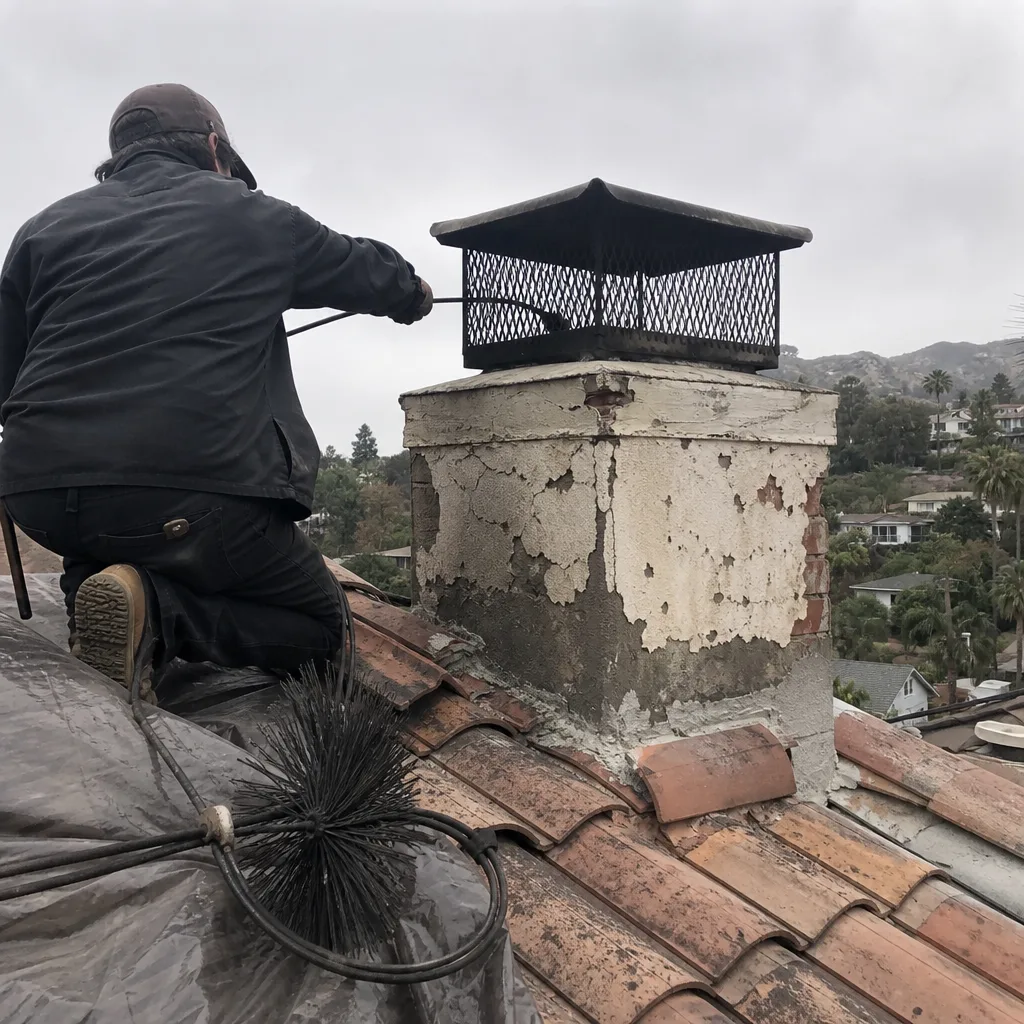 Before
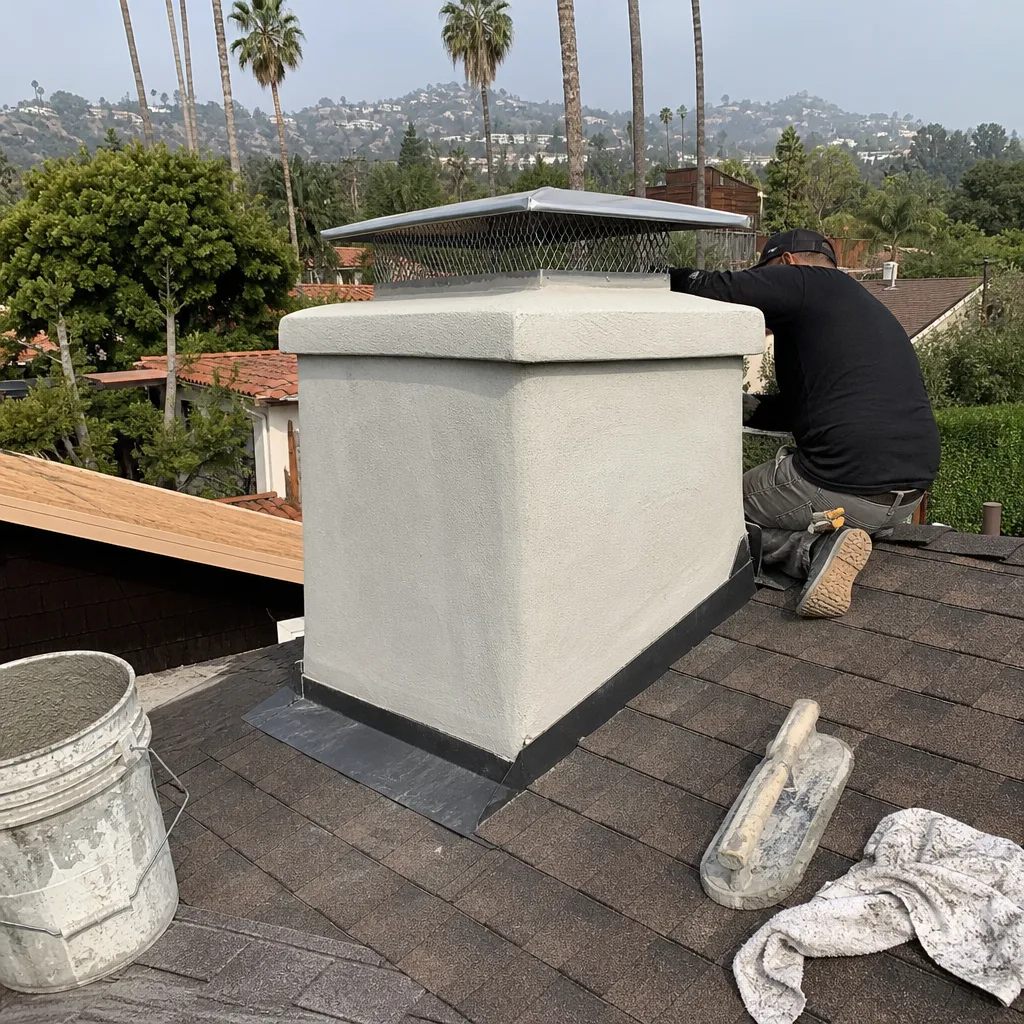 After
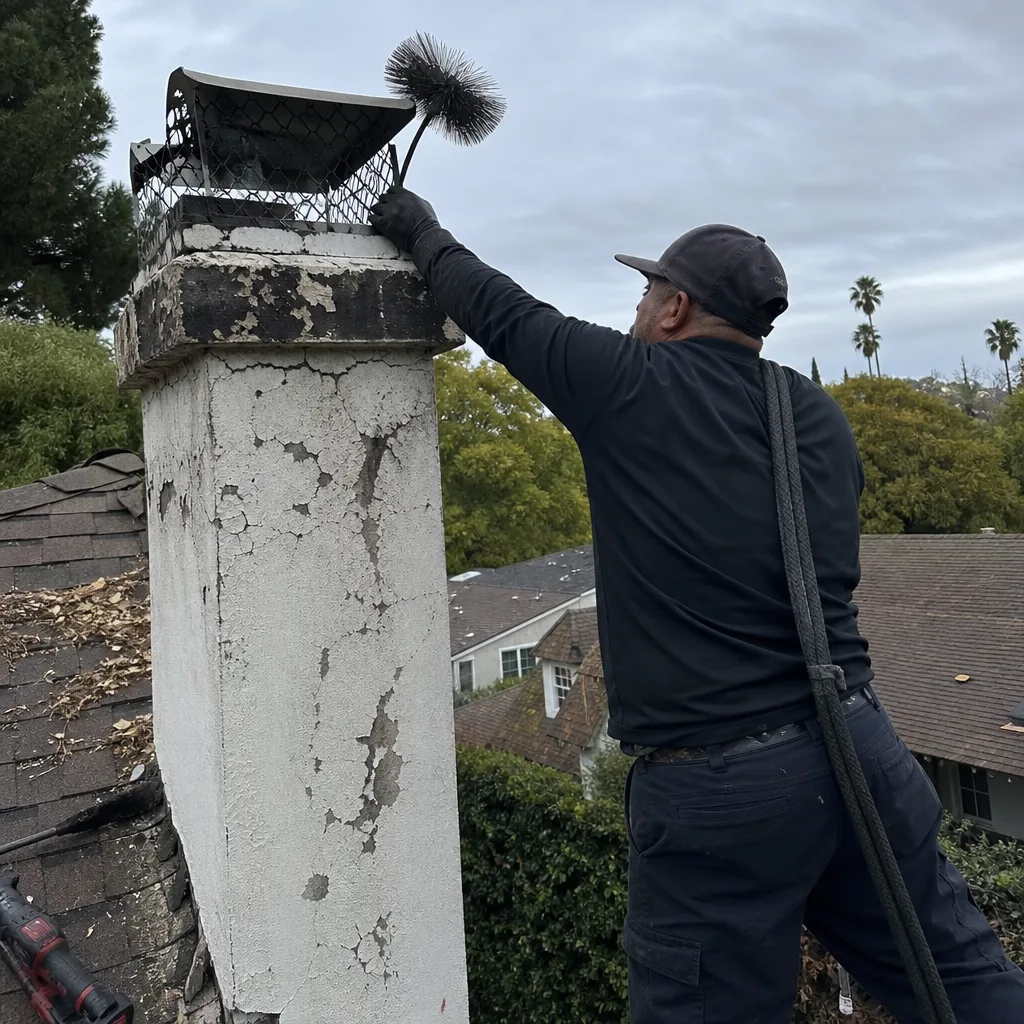 Before
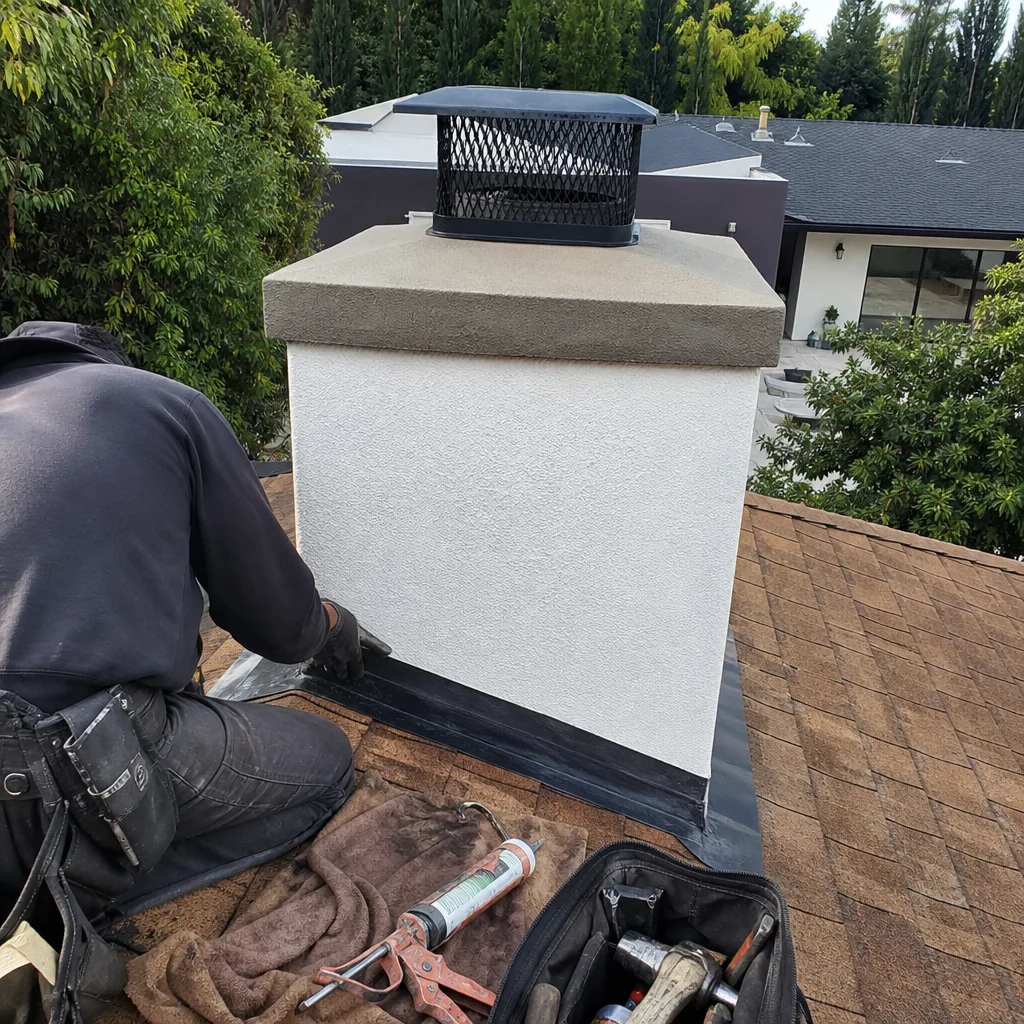 After
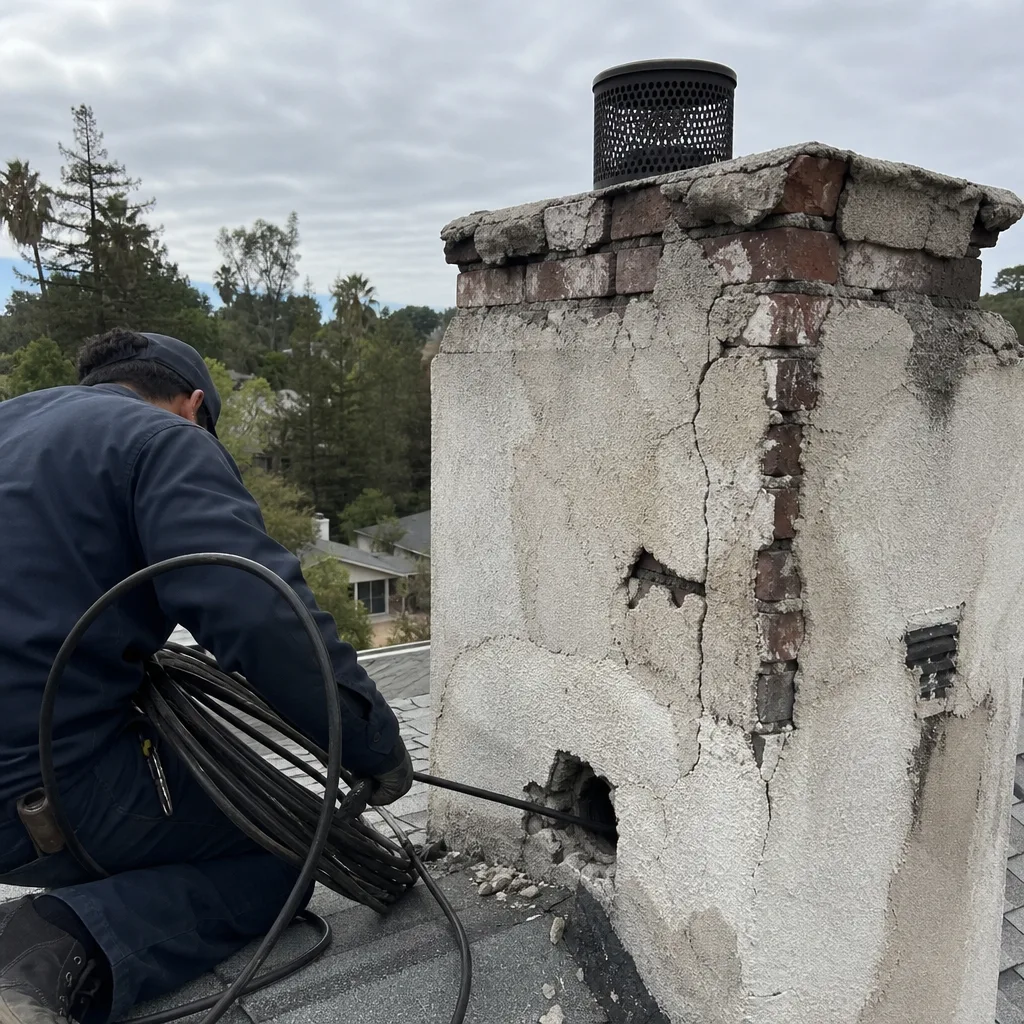 Before
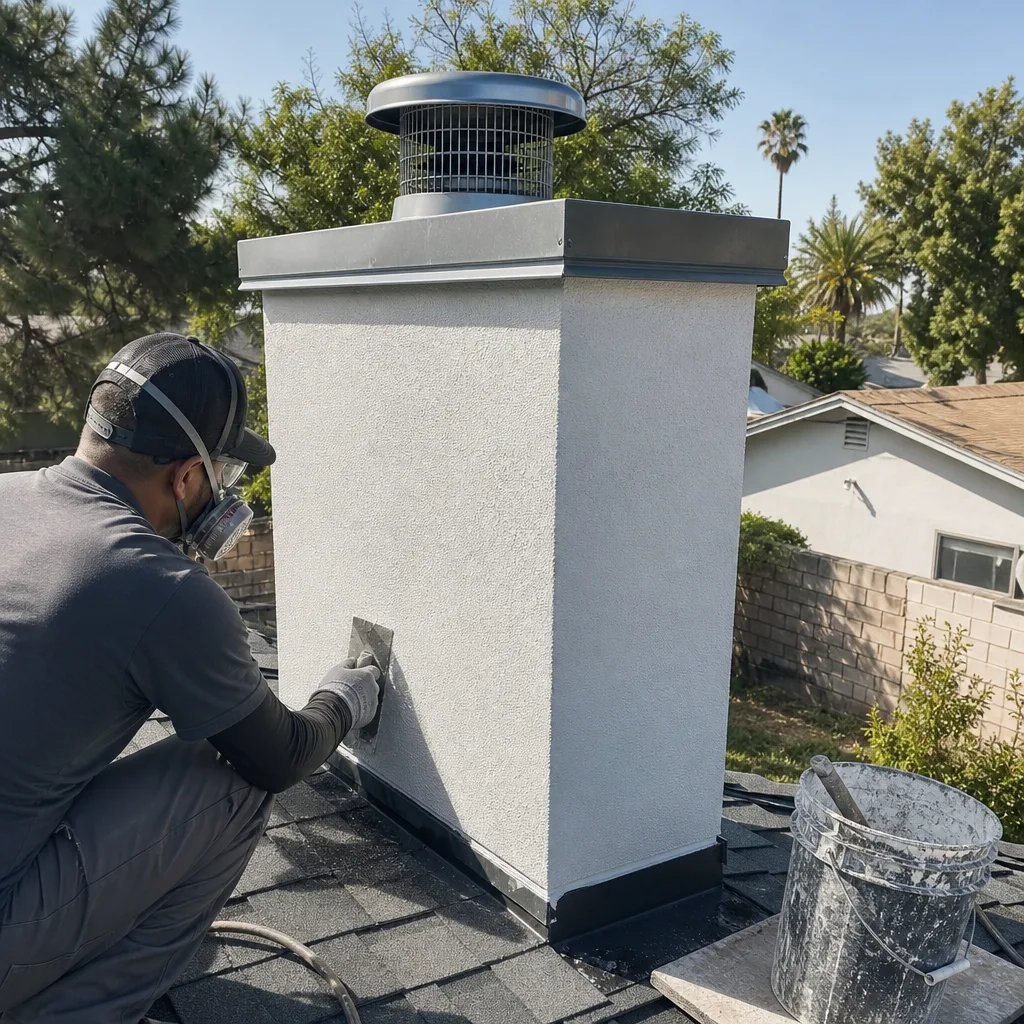 After