
Last updated October 30, 2026
 Sweep & inspection
 Caps & crowns
 Flue relining
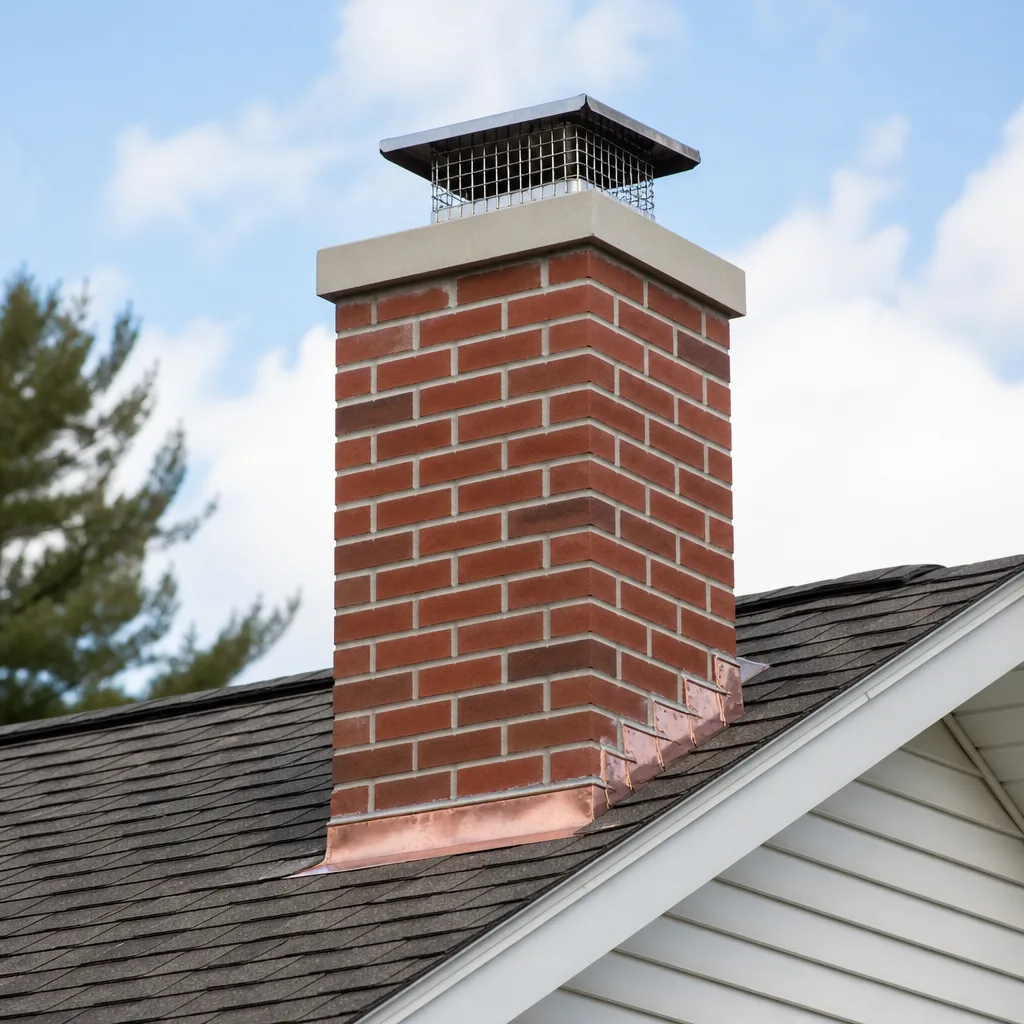 Masonry repair
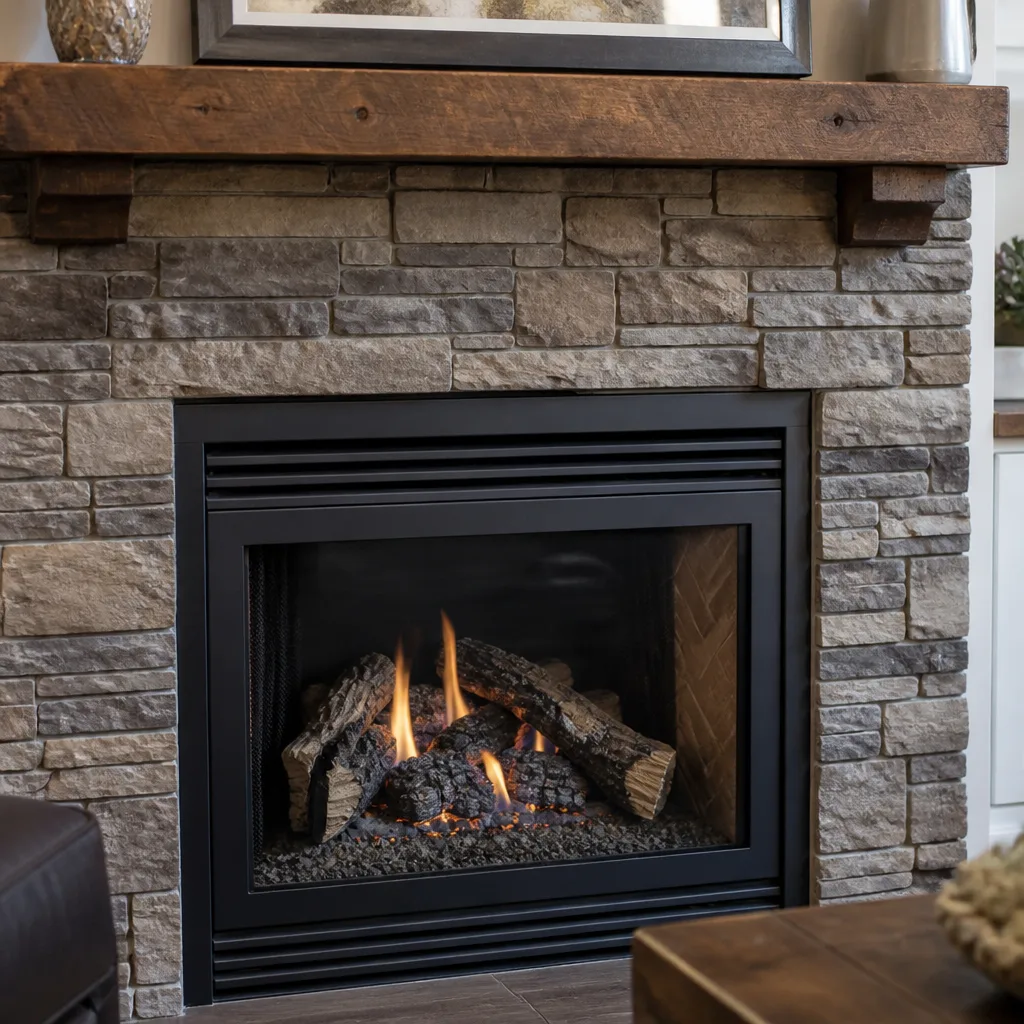 Gas fireplace service
Level 1 sweep and inspection to the NFPA 211 annual standard - flue, crown, cap, and flashing checked and photographed
Chimney sweep logs do not sweep chimneys. They loosen some creosote - which then falls where a brush and vacuum still have to collect it.
Choosing the Right Chimney Cleaning Brand: A Buyer’s Guide for Hollywood
When a contractor replaces your chimney cap or applies a crown sealant, you probably don’t know what brand went on your chimney, and most won’t tell you unless you ask. The difference between a professional-grade product and a hardware-store substitute isn’t visible on installation day. It shows up 18 months later when one holds and the other doesn’t. This guide tells you what to ask, what the answers mean, and how to evaluate the materials a contractor in Hollywood puts on your chimney. You’ll learn which product categories actually matter, which brands indicate trade-level supply chains, and why the material conversation matters more than the cleaning conversation—though you can also explore our The Complete Guide to Chimney Cleaning in Hollywood for the full picture.
Quick Answer
Choosing the right chimney cleaning brand in Hollywood means looking past the sweep itself and into the materials the contractor uses—something we break down further in DIY vs Professional Chimney Cleaning: The Hollywood Homeowner’s Decision Guide. Professional-grade brands like DuraFlex, HeatShield, Gelco, Olympia Chimney, Famco, and Copperfield signal that a contractor buys from chimney-industry supply chains, not retail shelves. Ask what brand goes on your chimney before you sign anything. If the contractor can’t answer, that’s your answer.
Styles & brands we work with
Table of Contents
- The Product Tier Problem: Why Brands Are Invisible
- Chimney Caps: Stainless vs. Galvanized Isn’t a Debate
- Liner Systems: HeatShield, DuraFlex, and What the Names Mean
- Crown Sealants and the Elastomeric Shortcut
- What to Ask a Contractor and What Correct Answers Sound Like
- Inspection Equipment: Why the Camera Brand Matters More Than the Brush
- The Warranty Transfer Problem
- How Firebrick Chimney Sweep Approaches Brands and Materials
The Product Tier Problem: Why Brands Are Invisible
Most homeowners in Hollywood can name the brand of their water heater, their refrigerator, and their car. Almost none can name the brand of their chimney liner. That’s not an accident. The chimney industry has a quiet tier system that separates professional supply chains from consumer retail, and most contractors would prefer you never ask which one they use. The replacement cap on your chimney costs somewhere between $85 and $400. The difference isn’t labor. It’s material composition, gauge, and coating. A stainless cap from Olympia Chimney or Copperfield is manufactured to a specification that expects decades of exposure to creosote-laden flue gases. A galvanized cap from a hardware store is manufactured to a price point. Both go on the same way. One will corrode through in three to five Hollywood winters. The other won’t. When we talk about chimney cleaning brands, we’re really talking about what a contractor installs when the cleaning reveals a problem, because every cleaning in Hollywood eventually reveals a problem. The question is whether the fix uses trade-grade materials or whatever was cheapest that week.
Chimney Caps: Stainless vs. Galvanized Isn’t a Debate
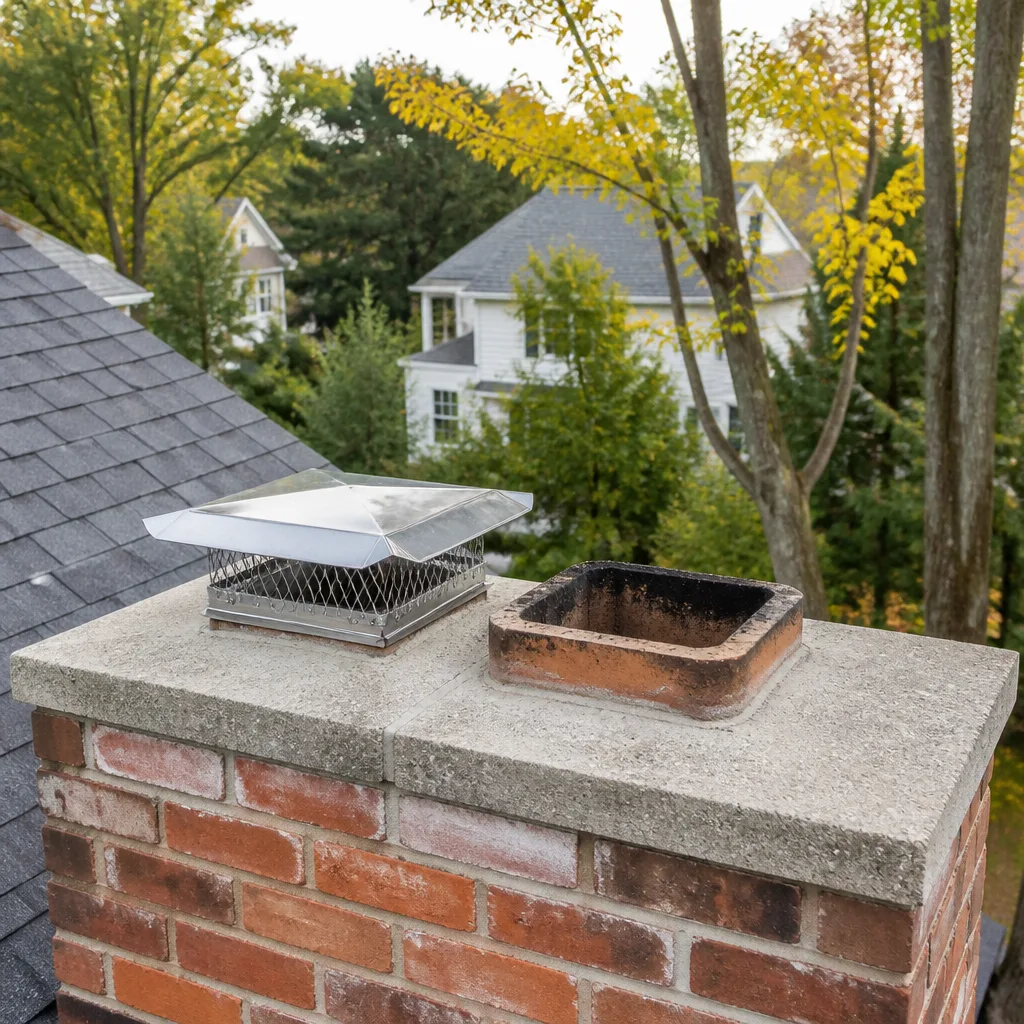
The chimney cap is the first line of defense for the entire system. It keeps rain out of the flue, which prevents liner corrosion. It keeps animals out, which prevents blockages and methane buildup from nesting material. It contains sparks, which is not a small thing in a city as dry as Hollywood. And it gets exposed to flue gas condensate, which is mildly acidic and eats galvanized steel. Stainless steel caps, particularly the 304-alloy models from Olympia Chimney and Copperfield, resist that corrosion. Galvanized caps get a zinc coating that eventually sacrifices itself, then the steel underneath goes. The visual difference at installation is zero. The performance difference 18 months later is a rust ring at the base and a hole through the mesh. So when a contractor hands you a quote for a new cap, ask one question: what grade of stainless? The correct answer is 304 or 316. If the answer is galvanized, or the contractor doesn’t know, that’s a signal about where they buy materials. In our work across Hollywood, we’ve replaced a lot of caps. We install stainless as the default because we know what the other option looks like when it comes off. It’s not a cosmetic choice. It’s a lifespan choice that determines whether you’re doing this again in five years or twenty.
Liner Systems: HeatShield, DuraFlex, and What the Names Mean
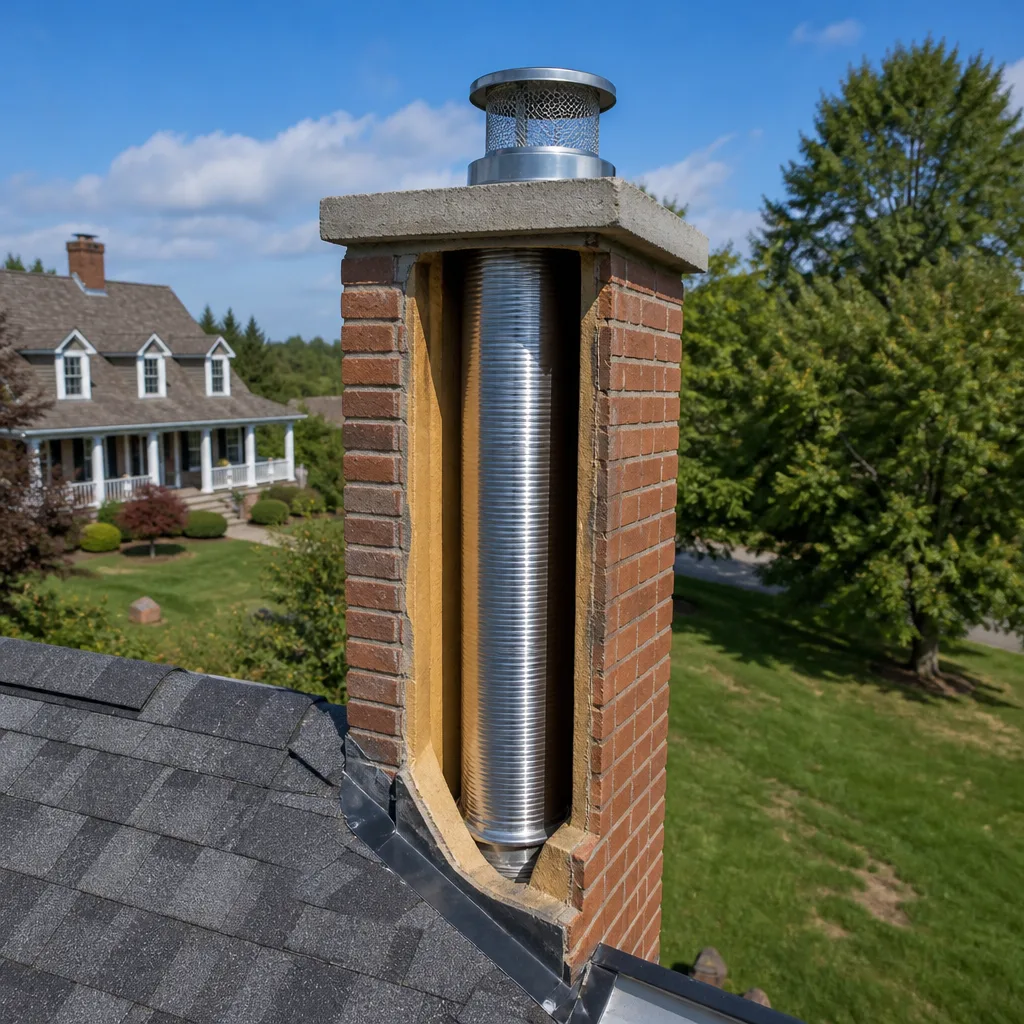
The flue liner is the most important safety component in the chimney. It’s the barrier between combustion gases and the masonry around them, and when a liner develops a crack or a gap, you’ve got a fire and carbon monoxide risk in the wall cavity. Liner repair and replacement are where the brand conversation matters most. Professional-grade liner systems fall into a few distinct categories. DuraFlex makes flexible stainless steel liners, typically 316Ti alloy for wood-burning systems, and their products are a standard in the chimney-relining trade. HeatShield makes a ceramic resurfacing system that repairs deteriorated clay tile liners from the inside, restoring the flue without tearing out the original masonry, which is a significant cost difference from full relining. HomeSaver is another recognized name in the relining space, with a range of flexible and rigid liner systems. Then there are the products that show up at retail: thin, unlabeled flex pipe, sold by the foot, with no manufacturer behind it and no testing documentation. That’s the tier that fails. When a contractor quotes you a liner job in Hollywood, the brand should be on the quote. Not just the material type, but the manufacturer. A contractor working with DuraFlex or HeatShield is buying from the same supply chains that certified chimney professionals use. That matters for warranty validity, installation method, and the long-term integrity of the system. It also tells you something about how the contractor thinks about the work. Liner products are not interchangeable. The alloy, the gauge, the flexibility rating, and the insulation requirements all change how the system performs over decades of heating seasons. No one sees the liner after installation. The brand is the only evidence of what went in.
Crown Sealants and the Elastomeric Shortcut
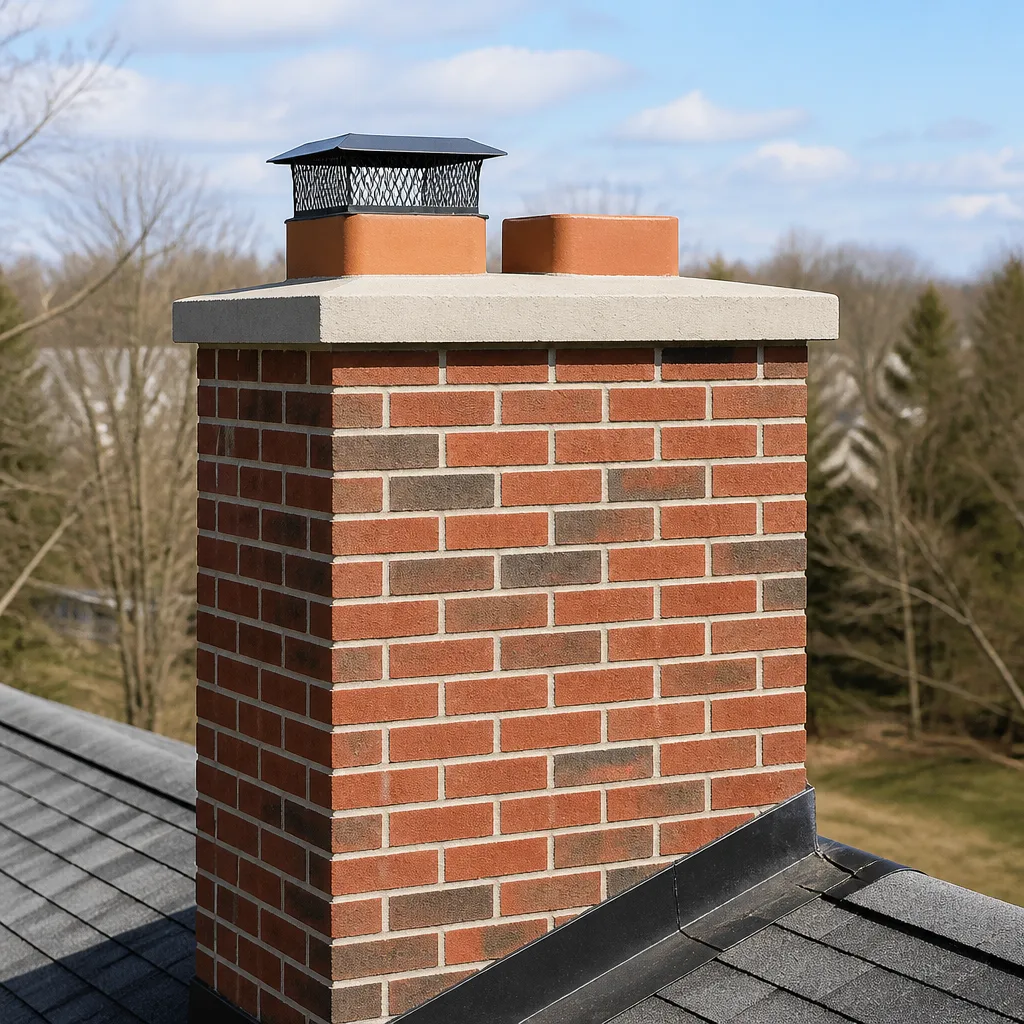
The chimney crown is the concrete slab at the top that sheds water away from the flue and the masonry below. It takes direct weather, day after day, in a climate like Hollywood’s where the temperature swings between warm daytime sun and cooler coastal nights. That thermal cycling causes the crown to develop hairline cracks. If those cracks aren’t sealed, water gets into the masonry, and the freeze-thaw cycle, even in a mild climate, slowly breaks the structure apart. The fix is a crown sealant. The product tier matters enormously here. There are professional-grade sealants designed specifically for chimney crowns, flexible compounds that bridge small cracks and move with the masonry. And then there are generic elastomeric roof sealants from the hardware store, which are cheaper, easier to get, and the wrong product. They don’t bond well to chimney masonry. They break down under the specific heat and chemical conditions of a working flue. And they look fine on day one. Eighteen months later, the water is getting through again. When we prepare a quote for crown sealing, we name the product, and the product is always a chimney-specific formulation, not a general-purpose caulk. That’s the same standard we apply to everything else: the material has to be built for the job, not adaptable to it. In Hollywood, where many homes have masonry chimneys exposed to direct sun and occasional heavy rain, a failed crown seal is one of the most common sources of water damage we diagnose. The product choice determines whether that crack stays sealed for two years or ten.
What to Ask a Contractor and What the Correct Answers Sound Like
Most homeowners don’t ask about materials because they don’t know they’re allowed to. You are. And the answers are more revealing than any online review. Here’s the five-question sequence that separates contractors who work with trade-grade chimney products from everyone else.
- “What brand of cap do you use?” The correct answer names a manufacturer: Olympia Chimney, Copperfield, Gelco. The wrong answer is a shrug, a big-box store name, or “whatever the supply house has.”
- “If I need a liner, what system do you install?” Correct answers: DuraFlex, HomeSaver, HeatShield for resurfacing. Wrong answer: “we use a standard liner” with no manufacturer named.
- “Do you stock these products, or are you ordering from a chimney supply distributor?” Trade supply chains deliver specific product lines. Retail supply chains deliver whatever fits a truck. The answer matters because it tells you whether the contractor has a standing relationship with a chimney-industry supplier.
- “What’s the warranty on the materials, and how is it activated?” Professional-grade liner systems and caps carry manufacturer warranties. The warranty is usually tied to certified installation. A contractor who can’t explain the warranty process probably can’t activate it either.
- “If the inspection shows a problem, can you fix it in-house, or do I need to find a mason?” If the answer is “we only clean,” you’re hiring a sweeper who refers out the actual repair work. That’s fine if all you need is a sweep. It’s not fine if the inspection finds something that matters.
The brand question is a filter. A contractor who names professional-grade products, explains why they use them, and can show you the actual product line is operating at a completely different level from one who treats materials as an afterthought. The brand is how you tell which one is standing in your living room in Hollywood.
Inspection Equipment: Why the Camera Brand Matters More Than the Brush
Chimney brushes and rods are the most visible tools of the trade, and they’re also the least important from a purchasing standpoint. A brush costs $30 to $80 and wears out. Rods are commodity items once you get above the junk tier. What actually determines whether a cleaning company can diagnose the condition of your chimney is the inspection equipment. Specifically, the camera. A proper chimney inspection requires a camera that can navigate the flue, show the crown and the firebox clearly, and record findings for the homeowner. The camera brands that certified chimney professionals use, such as systems from Chim-Scan or Industrial Chimney, are built for this environment: high resolution, heat-resistant housings, flexible probe heads that handle offsets in the flue. A contractor using professional inspection equipment is investing thousands of dollars in diagnostic capability. A contractor using a phone on a stick is not doing an inspection. They’re taking a picture. In our experience across Hollywood, the difference shows up in the report. A professional camera system catches hairline cracks in the flue tile, deteriorated mortar joints, hidden blockages, and animal intrusion at the top. That’s the information that determines whether a cleaning is all you need or whether there’s a structural problem to address. The brush cleans. The camera diagnoses. And when you’re deciding who to hire, the camera is the better question to ask about.
The Warranty Transfer Problem
Manufacturer warranties on liner systems and caps exist, but they come with a condition most homeowners never hear about: the warranty is often only valid when the product is installed by a contractor certified by the manufacturer or by the industry standards body that governs the work. A homeowner in Hollywood who buys a liner system at retail and installs it themselves, even correctly, frequently has no warranty coverage at all. The manufacturer has no way to verify the installation method. The same often applies when a general contractor without chimney-specific training installs the liner. The material might be the same. The warranty is not. That creates a hidden cost. When we install a liner system from a professional-grade manufacturer, we’re not just installing a product. We’re installing it in a way that activates the manufacturer’s coverage. If something fails, the warranty is there, tied to our installation. If the same product gets installed by someone who is not a certified chimney contractor, the warranty may be void before the first fire is lit. When you’re comparing quotes in Hollywood, ask whether the contractor’s installation qualifies for the full manufacturer warranty. Then ask how you’ll receive documentation of that warranty. If the answer is vague, the warranty is probably not enforceable. The brand on the box matters less than whether the installation qualifies for what the brand promises.
How Firebrick Chimney Sweep Approaches Brands and Materials
Firebrick Chimney Sweep works with professional-grade chimney products and materials from DuraFlex, HeatShield, Gelco, Olympia Chimney, Famco, and Copperfield. That’s not a list of suppliers. It’s a purchasing standard. We don’t use whatever’s stocked at the hardware store. The distinction matters because most of our work in Hollywood starts with a cleaning and becomes a repair conversation. The inspection finds a cracked crown, or a deteriorated liner section, or a cap that’s rusted through. At that point, the homeowner has two options: call a separate contractor for the repair, or have it handled by the same company that just looked at the chimney. Before calling us, many Hollywood homeowners have cycled through a sweep, then a mason, then a materials supplier, coordinating three schedules and three invoices. Our model is different. We sweep it, we repair it. One company, no referrals. That’s why the brand standard exists. We’re not choosing materials for a one-time job. We’re choosing materials that we’ll stand behind through the life of the system, because we’re the ones who’ll be back if something fails. The HeatShield ceramic resurfacing capability is a good example. When a flue liner has early-stage deterioration, HeatShield allows us to restore it without a full teardown relining, which saves the homeowner thousands and preserves the original chimney structure. That’s a treatment option that a sweep-only company cannot offer, because they don’t carry the product or the training. The same applies to dryer vent cleaning. Dryer vents and chimneys share the same core risk: restricted, dirty ventilation that becomes a fire. We treat both with the same seriousness. The brands we use are the material expression of how we think about that risk. Firebrick Chimney Sweep home is built entirely around this scope of work. Chimney work is all we do, and that depth shows in every inspection.
Common Mistakes to Avoid
- Not asking the brand question at all. If you don’t ask what product goes on your chimney, the contractor assumes you don’t care, and the default at the low end of the market is the cheapest material. Ask. The answer tells you everything.
- Assuming a galvanized cap is saved money. A galvanized cap in Hollywood’s coastal-adjacent air will need replacement within a few years. A stainless cap from a professional manufacturer lasts decades. The cheaper option costs more over the life of the home.
- Accepting “we can resurface that” without asking what product. Ceramic flue resurfacing is only as good as the material and the application method. A contractor using HeatShield is the standard. A contractor using an unspecified “sealer” is not doing the same job.
- Ignoring the inspection camera question. A chimney cleaning without a real inspection is a sweep with no diagnostic. You’re paying for a clean flue and learning nothing about the system’s safety. Ask what camera they use before you book.
- Buying liner products at retail for a DIY installation. The material might carry a brand name, but the warranty will not survive an uncertified installation. And if the insulation, support, or termination details are wrong, the liner itself becomes the hazard.
- Splitting the work across multiple contractors. A sweep identifies the problem. A mason fixes it. A supplier sells the parts. Nobody owns the outcome. The homeowner becomes the project manager for a specialized system they don’t understand. Chimney Repair in Century City doesn’t have to work that way.
- Choosing a contractor based on the cleaning price. The cleaning is the entry point. The materials they install when the cleaning reveals a problem are where the real cost difference lives. A cheap sweep is cheap because the contractor is buying cheap materials for the repair work too.
See the difference
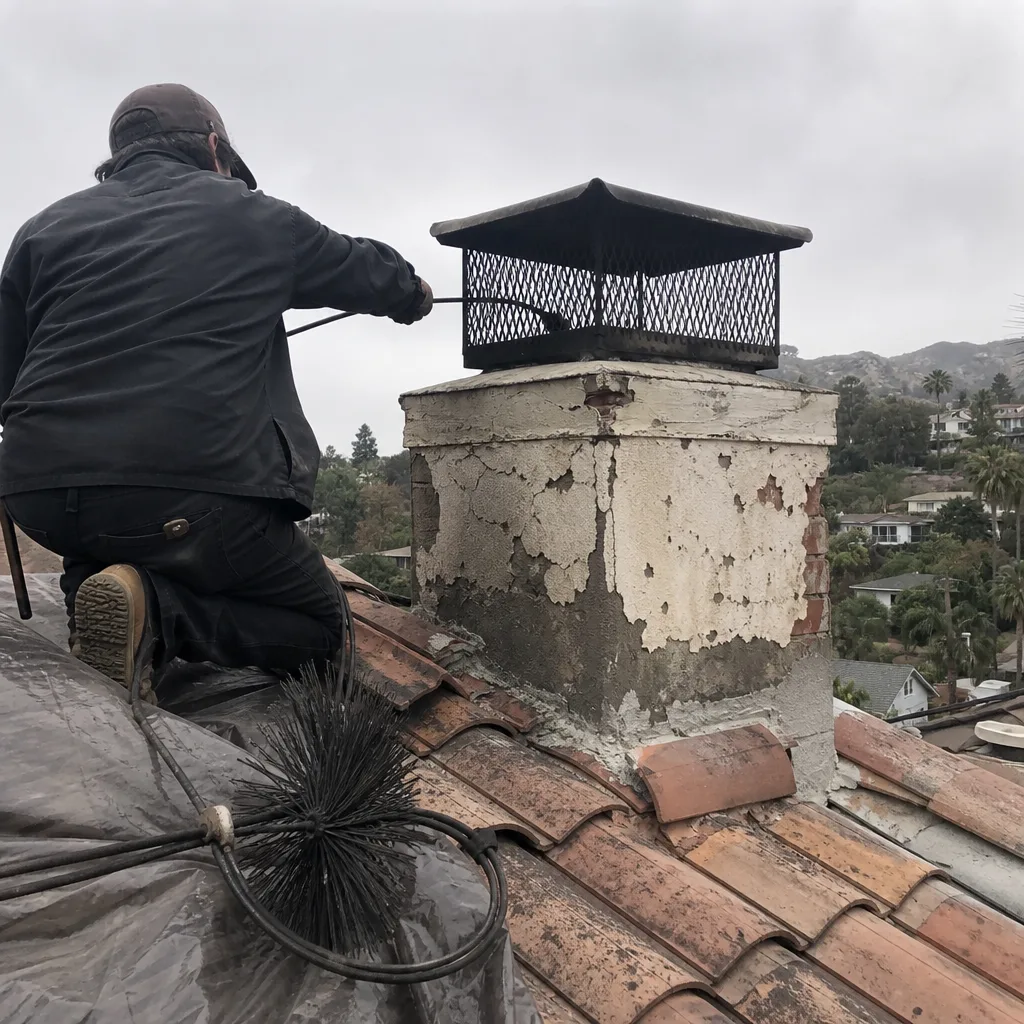 Before
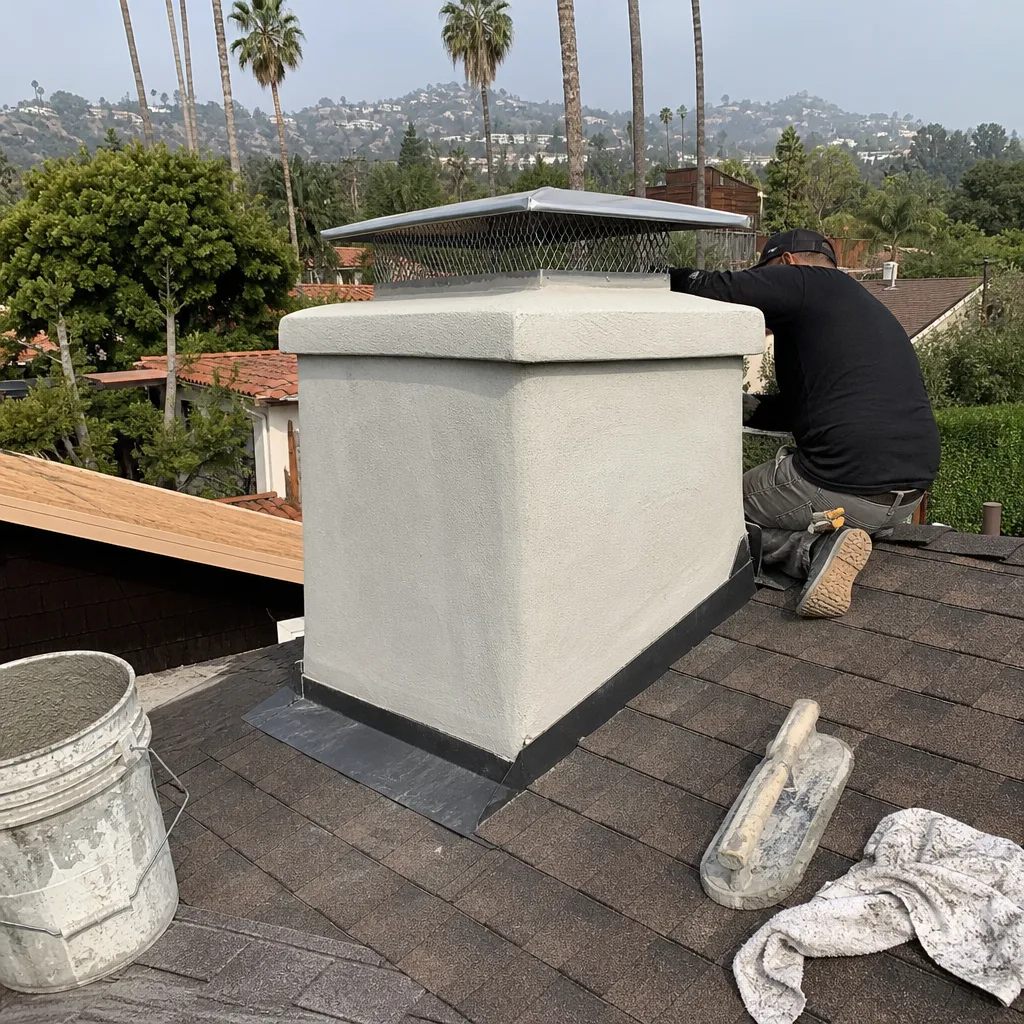 After
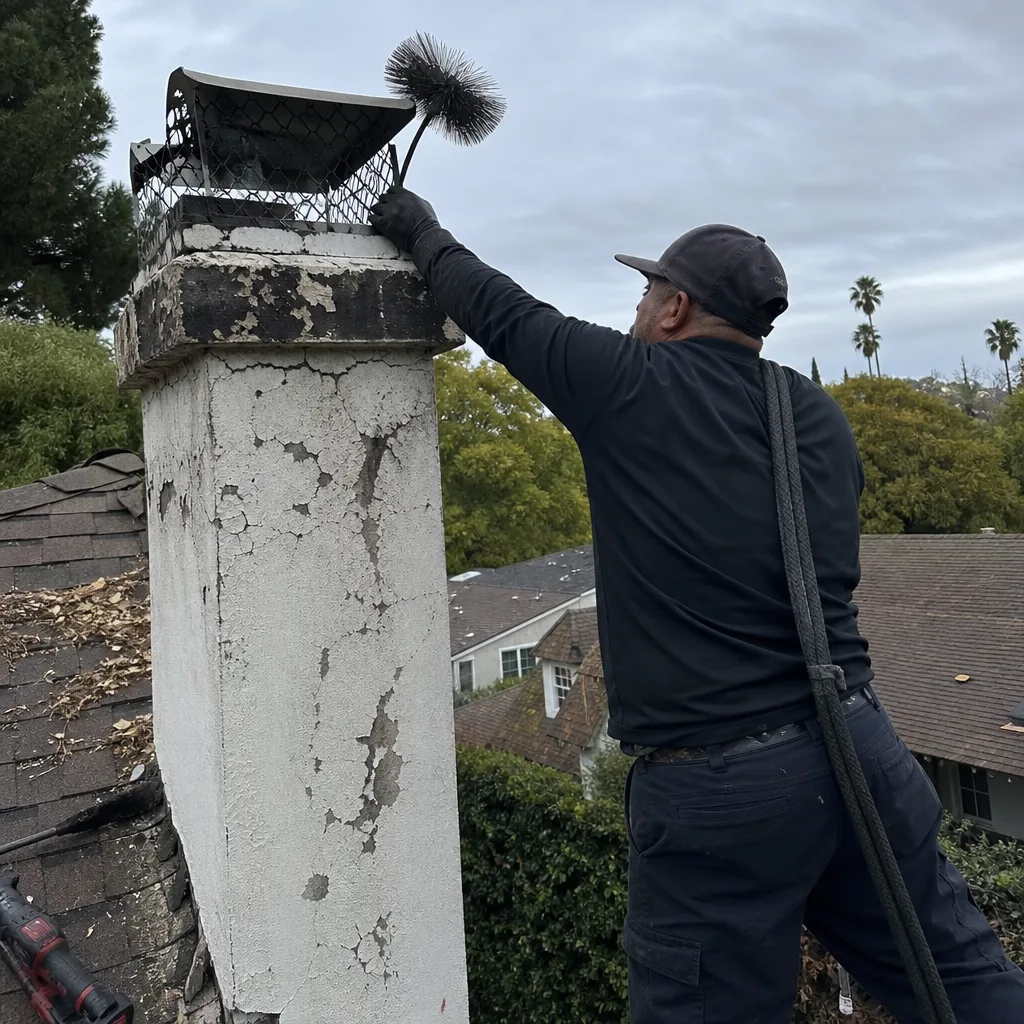 Before
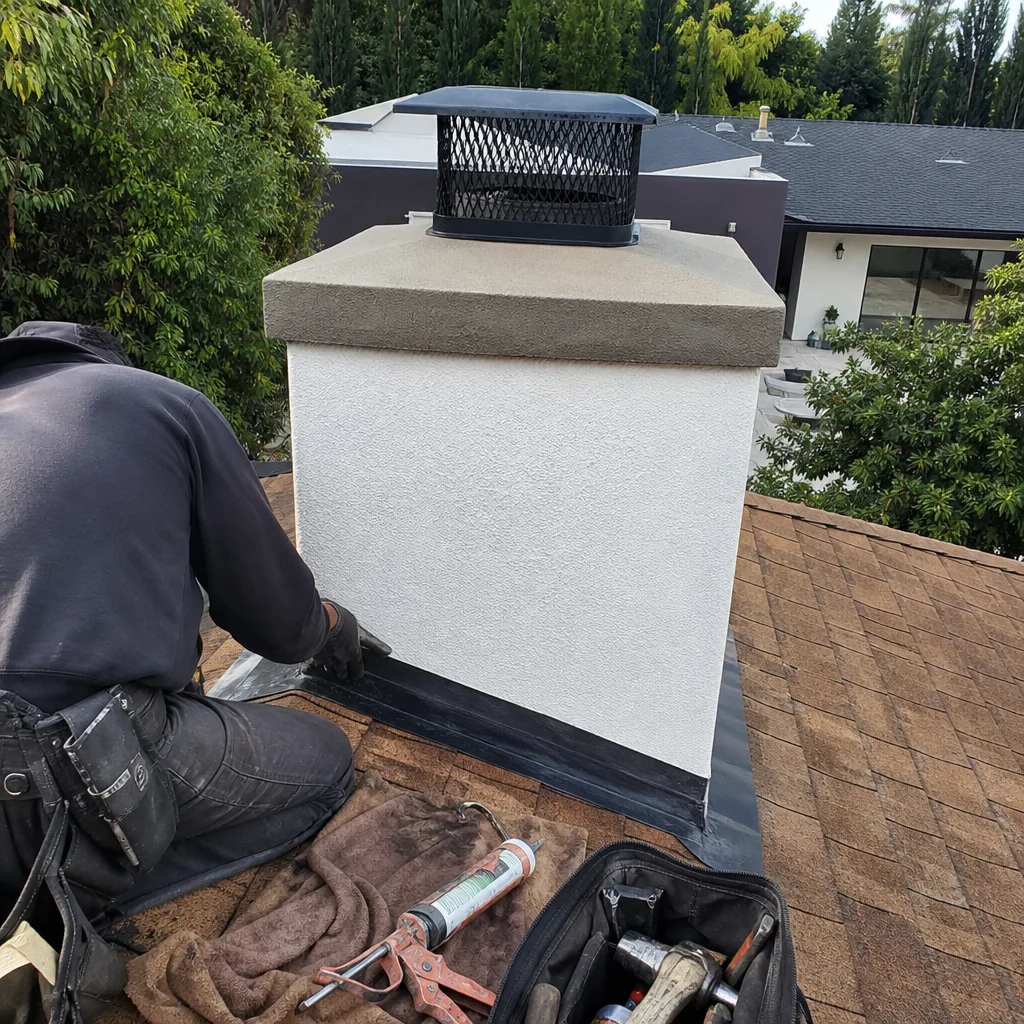 After
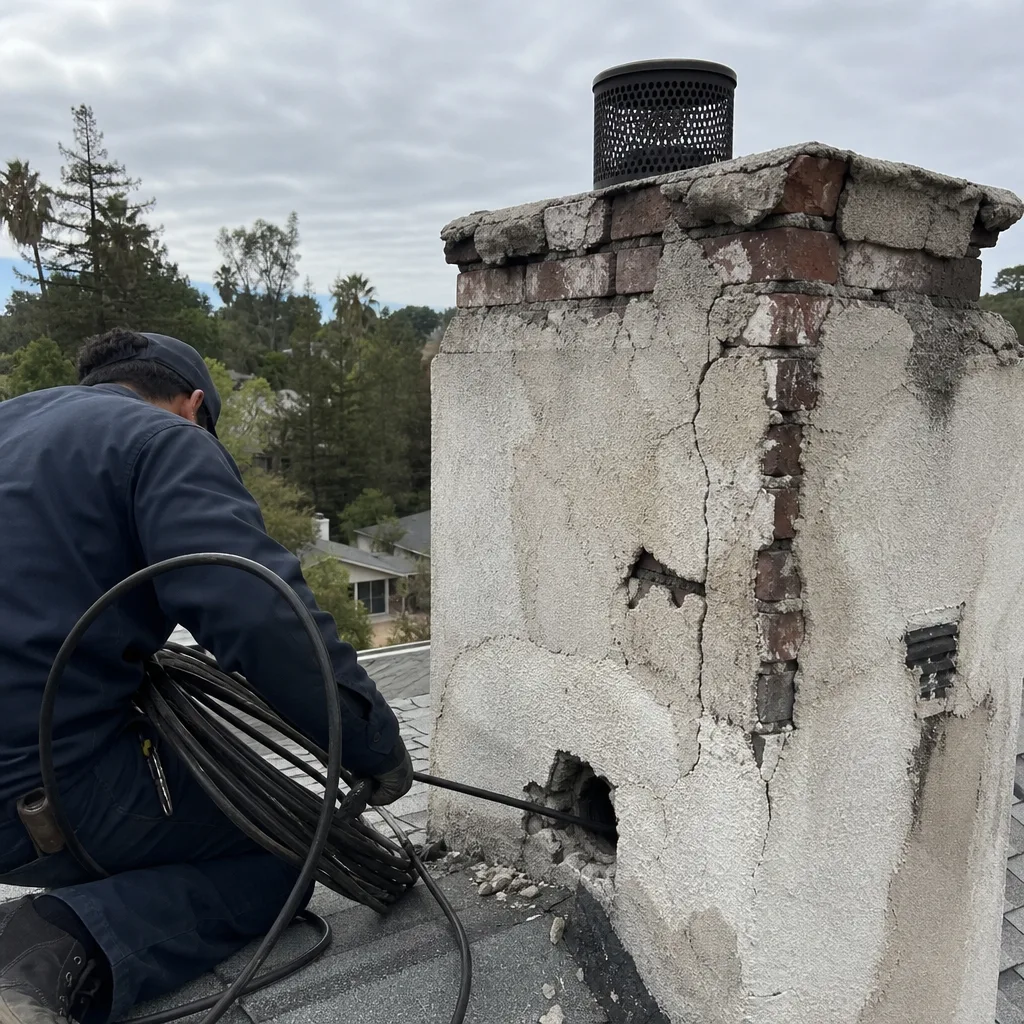 Before
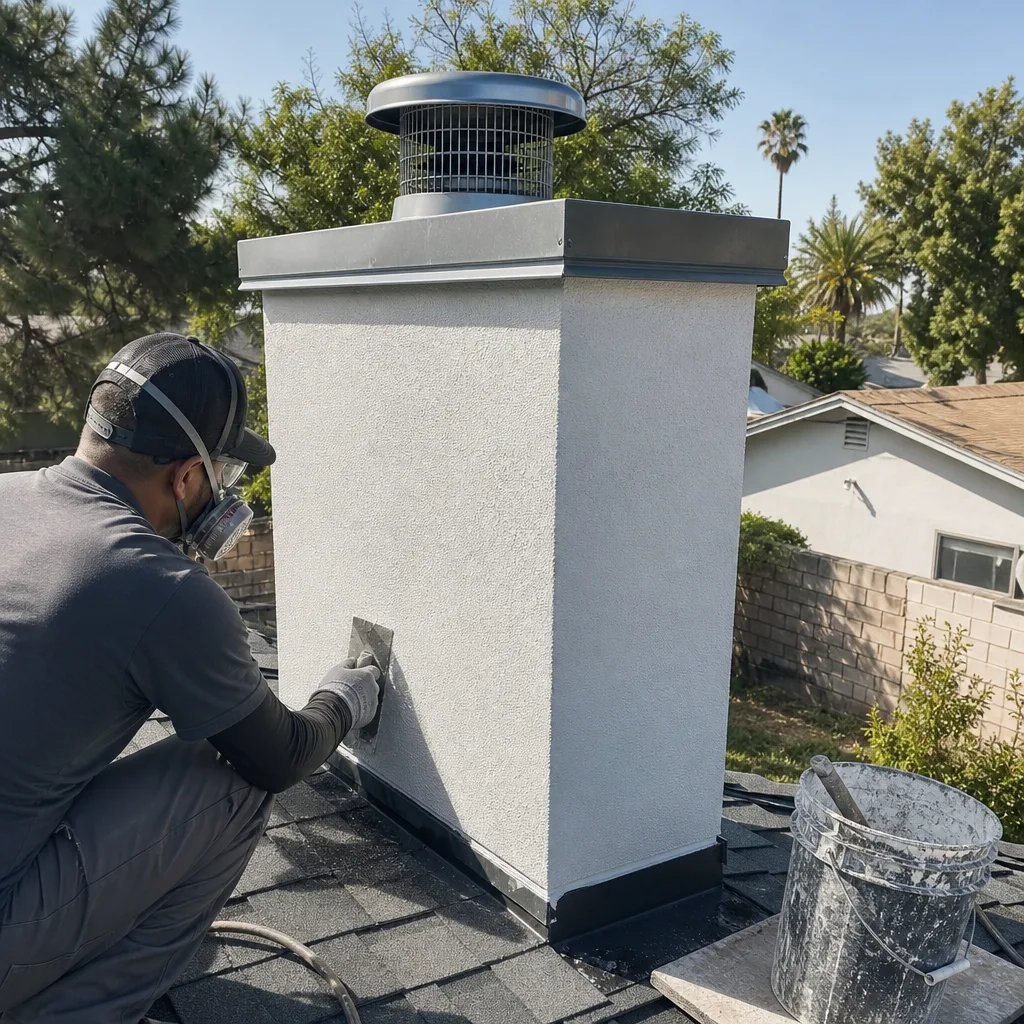 After
When to Call a Professional
If you haven’t had your chimney inspected by a camera-equipped professional in the past 12 months, you’re operating on assumptions, not information. If your home inspector flagged the chimney, or your insurance carrier asked for documentation, that’s a direct signal to have the system evaluated. If you’ve noticed a burning smell that has changed, water staining around the hearth, or visible rust on the cap, those are findings, not minor notes. And if your dryer has been running longer than it used to, the vent is the first place to look. Chimney and dryer vent systems are not visible enough to self-diagnose from the outside. The internal condition is what matters, and that requires the right equipment and the right training. Firebrick Chimney Sweep offers free estimates in Hollywood. Call (866) 520-4943. We’ll look at the system, tell you what’s there, and put the materials in writing before any work starts.
Frequently Asked Questions
For homeowners in Hollywood, the professional-grade brands that indicate a contractor works with trade supply chains include DuraFlex for stainless liner systems, HeatShield for ceramic flue resurfacing, and Olympia Chimney or Copperfield for caps and component parts. A contractor who names these manufacturers is buying from chimney-industry suppliers, not retail shelves.
Chimney cleaning in Hollywood typically runs between $180 and $350 for a standard residential fireplace, with additional cost if the system hasn’t been serviced in years or requires extra access—details you’ll also find in The Complete Chimney Sweep Guide for Hollywood Homeowners. The price should include a proper inspection. A quote that’s significantly lower usually means no real inspection is happening, or the materials for any repair work will come from the cheapest tier. Call (866) 520-4943 for an exact quote, and the estimate is free.
Yes. A stainless cap from Olympia Chimney or Copperfield is built from 304 or 316 alloy, which resists the acidic flue gas condensate that eats galvanized steel. In Hollywood’s climate, a galvanized cap from a hardware store will rust through within a few years. The brand is the spec difference. It’s the difference between a 5-year part and a 20-year part.
The National Fire Protection Association standard is an annual inspection with sweeping as needed, and that applies directly to Hollywood homes with wood-burning fireplaces. Even if you use the fireplace only a few times a year, the inspection is what catches water intrusion, animal nesting, and early liner deterioration. A cleaning without an inspection misses the point. Chimney Sweep in Century City follows the same standard.
Creosote, a tarry combustion byproduct, builds up on the flue walls with every wood fire. Over time it hardens into a glaze that is both flammable and corrosive. Add a stray spark in the flue and you have a chimney fire that can crack the liner and spread heat into the wall cavity. The other risk is carbon monoxide backdrafting when the flue is restricted. Neither is theoretical in Hollywood. Both are what regular professional cleaning prevents.
A real diagnosis comes from a camera inspection, and the images should tell the story. If the liner has a crack or a gap, the masonry around it is exposed to combustion gases, and that’s a legitimate fire and CO risk. If a contractor says you need a new liner without showing you the camera evidence, get a second opinion. Firebrick gives you the images. If the liner is in early deterioration, HeatShield resurfacing can restore it without a full relining. The camera is the proof. The brand is the fix. Call (866) 520-4943 to schedule an inspection and see the evidence for yourself.
Yes. Dryer vents and chimneys share the same core risk: restricted, dirty ventilation that becomes a fire. Lint buildup in dryer vents ignites more readily than most homeowners realize, and the fix is the same discipline applied to a different duct. Dryer Vent Cleaning in Century City is part of the same whole-home ventilation service. Same company, same standard, both systems handled.
The Bottom Line
The brand conversation is the material conversation, and the material conversation is the safety conversation. What goes on your chimney in Hollywood, the cap grade, the liner system, the sealant formulation, determines how the system performs over decades, not months. A contractor who names their product lines, works with professional supply chains, and can show you the camera evidence is operating at a completely different tier from one who treats materials as an afterthought. Ask the questions. Require the answers. If the contractor can’t tell you what brand goes on your chimney, someone else should be doing the work. Firebrick Chimney Sweep works with professional-grade industry brands, and when you call (866) 520-4943, you’ll get the material names in writing before any work starts. That’s how the trade should work, in Hollywood and everywhere else. For more guides & resources, visit our blog.
Written by the team at Firebrick Chimney Sweep, serving Hollywood since 2012.