
Last updated October 30, 2026
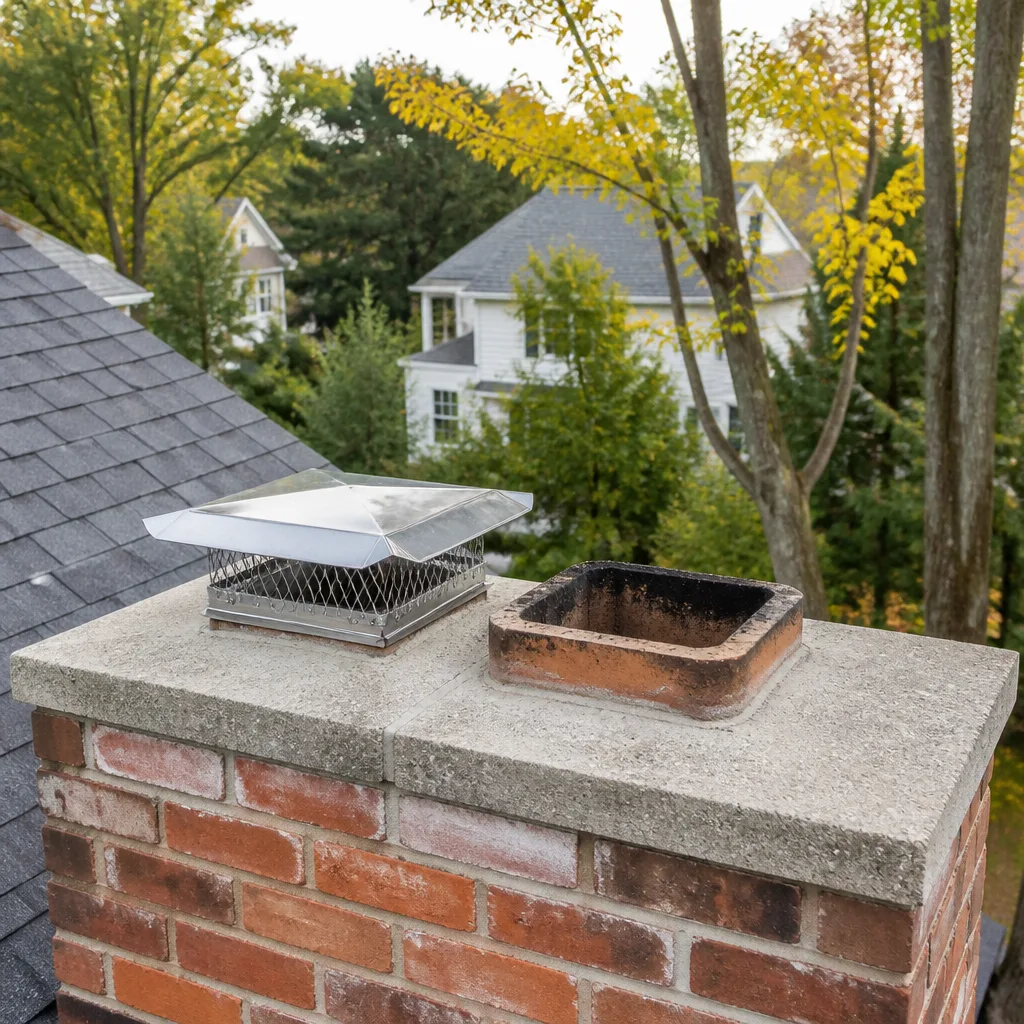 Sweep & inspection
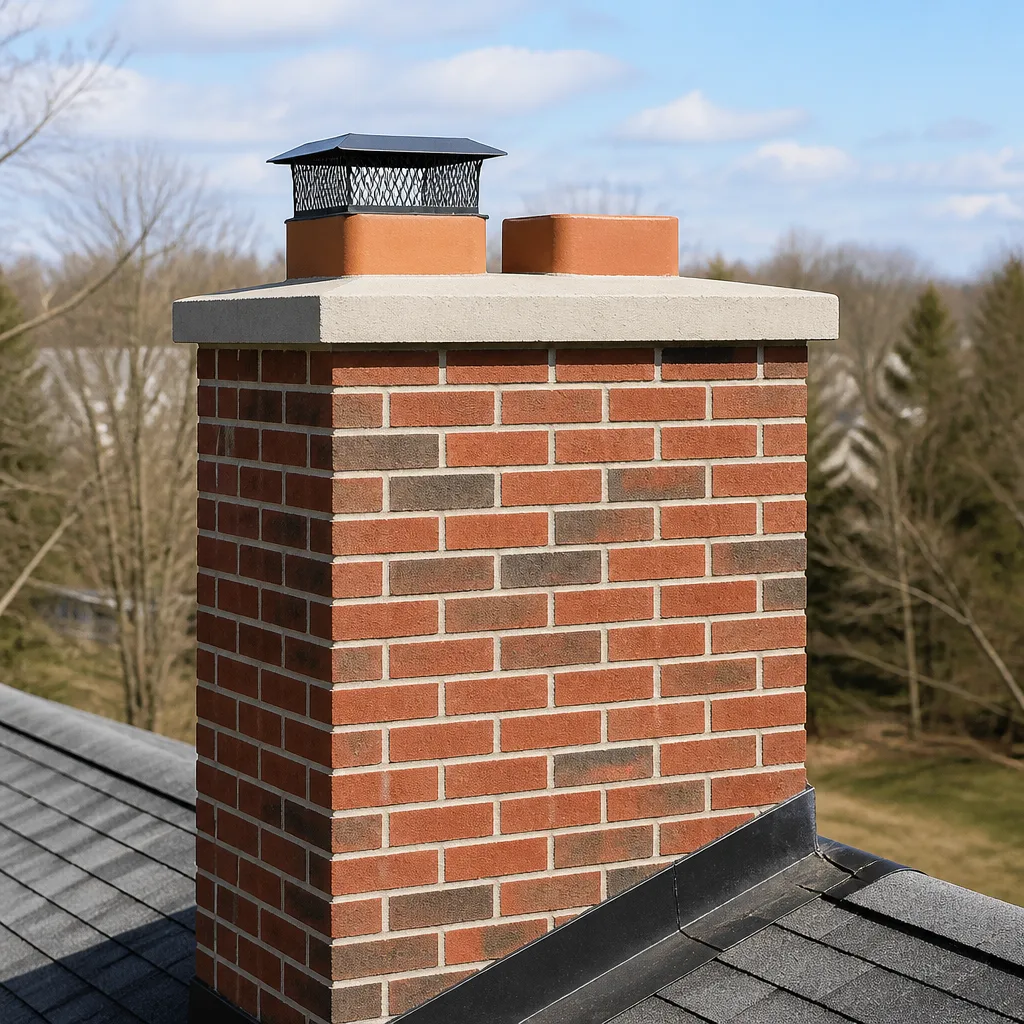 Caps & crowns
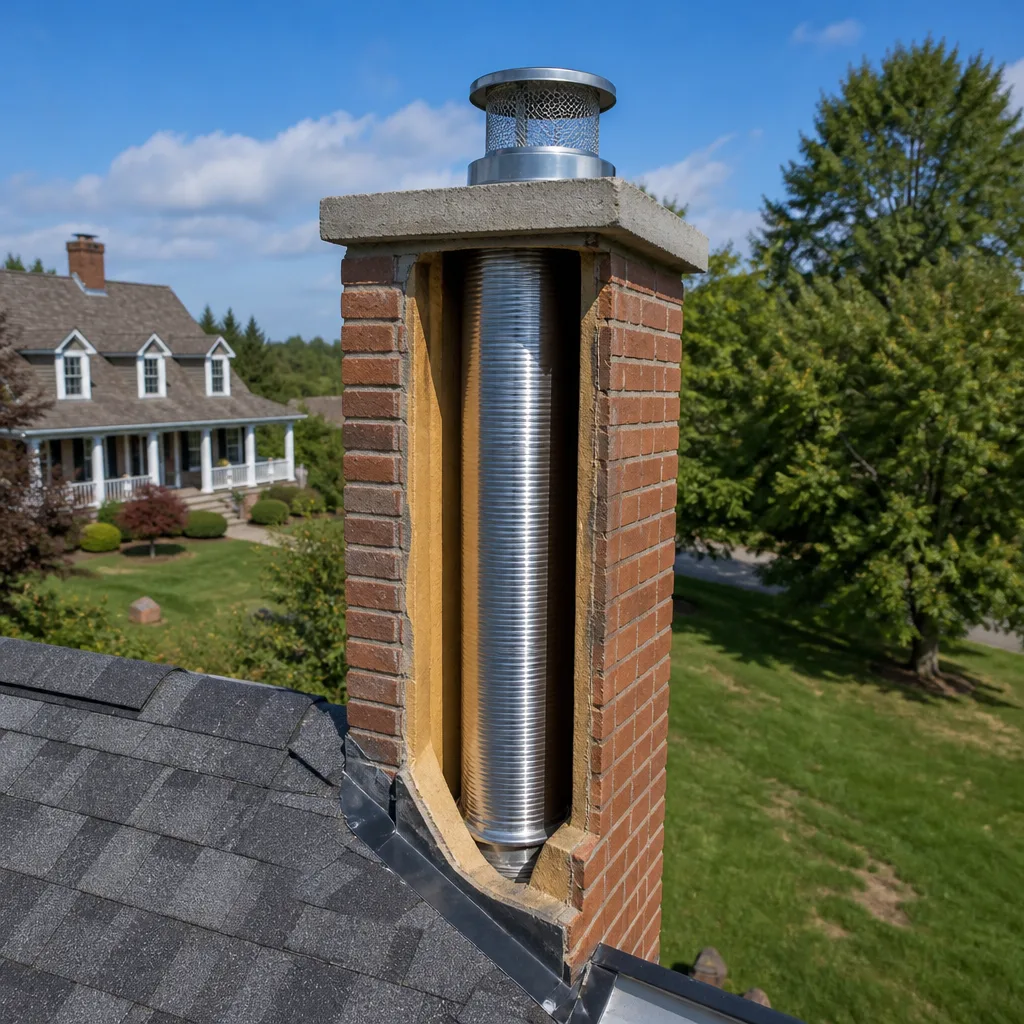 Flue relining
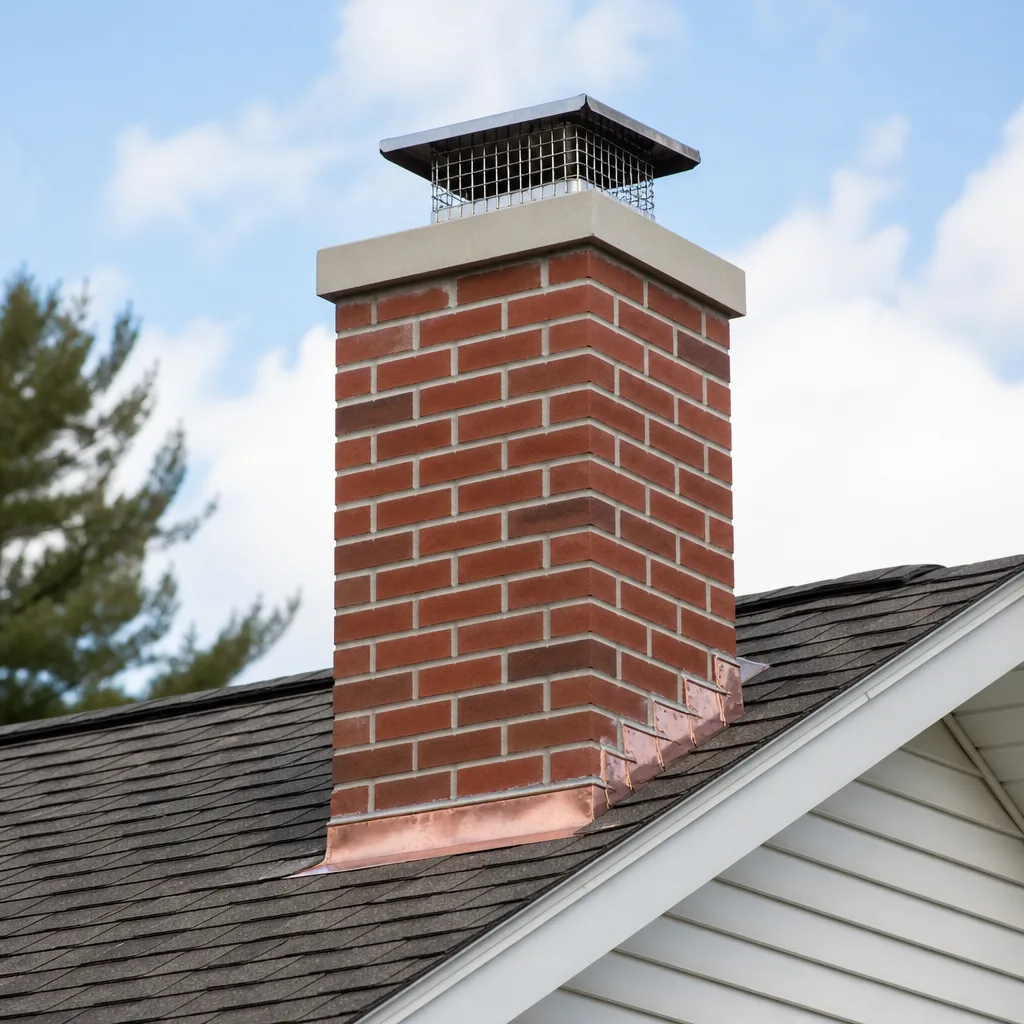 Masonry repair
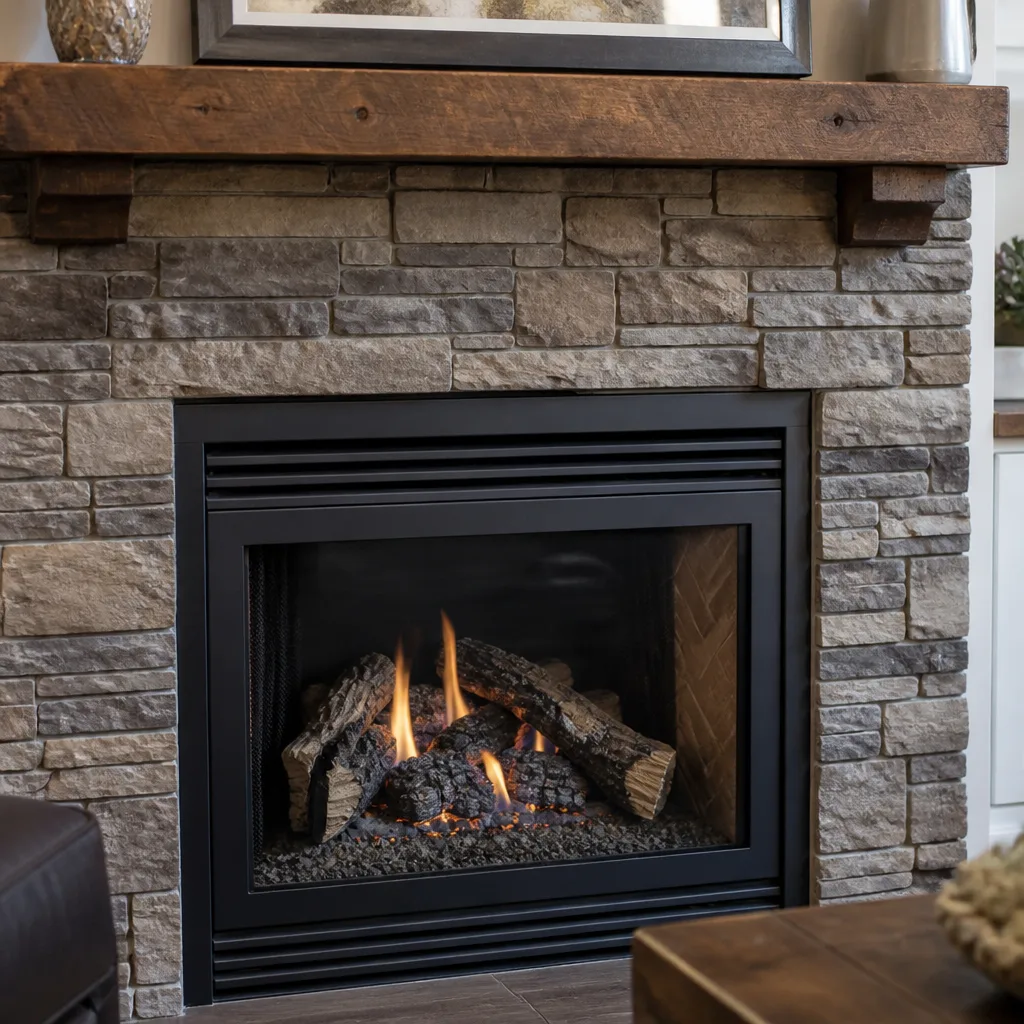 Gas fireplace service
Level 1 sweep and inspection to the NFPA 211 annual standard - flue, crown, cap, and flashing checked and photographed
Chimney sweep logs do not sweep chimneys. They loosen some creosote - which then falls where a brush and vacuum still have to collect it.
DIY vs Professional Chimney Cleaning: The Hollywood Homeowner’s Decision Guide
A chimney brush kit costs about $60 at any hardware store, and yes, it will pull stage 1 creosote off the walls of a straight flue. The kit works. What it doesn’t do is tell you whether the clay tile liner behind that creosote is cracked, spalled, or already failing, and in a neighborhood like Hollywood, where a large share of the housing stock dates to the 1920s through 1950s, that distinction is where house fires actually begin. This guide and our more guides & resources are written for the Hollywood homeowner standing in the fireplace aisle trying to decide whether to grab the brush or pick up the phone. By the end, you’ll know exactly which parts of chimney maintenance you can handle yourself, what you should never touch without a camera, and how insurance companies view the difference.
Quick Answer
DIY chimney cleaning is appropriate for removing loose ash, inspecting the firebox, and clearing surface-level creosote from a flue you can visually confirm is in good condition. Professional chimney cleaning becomes necessary the moment you need to assess liner condition, identify creosote stage, clean a smoke chamber, or document maintenance for insurance purposes. In Hollywood, where original clay tile liners are common and often cracked, the professional camera inspection is the part that actually protects the house, not the brushing itself.
Styles & brands we work with
Table of Contents
- What You Can Actually DIY (and How to Do It Safely)
- Where DIY Stops: The Structural Visibility Problem
- Why Hollywood’s Older Housing Stock Changes the Risk Math
- Creosote Stages: What a Brush Can and Cannot Remove
- The Insurance Reality: How Cleaning Records Get Evaluated After a Fire
- The Hybrid Approach: What to Maintain Between Professional Visits
- Common Mistakes to Avoid
- When to Call a Professional
- Frequently Asked Questions
What You Can Actually DIY (and How to Do It Safely)
Let’s be direct about this: there are legitimate maintenance tasks a Hollywood homeowner can handle without a professional, and doing them between scheduled sweeps keeps your fireplace running cleaner and your inspection costs down. The line is drawn by visibility. If you can see it clearly and reach it safely from floor level, it’s probably a DIY task. If you need specialized camera equipment or roof access to evaluate it, it isn’t.
Here’s what a homeowner with basic tools and reasonable caution can handle:
- Firebox ash removal: Wait at least 72 hours after the last fire, scoop ash into a metal container with a tight lid, and store it outside away from the house. Ash can hold live embers for days. Use a metal scoop, never a plastic one, and wear a dust mask. Hollywood’s dry air makes ash airborne faster than humid climates.
- Damper visual check: With a flashlight, look up from the firebox and confirm the damper opens and closes fully. A damper that’s stuck partially open or won’t seal properly means heated air escapes year-round and cold air drops in during winter. This is a visible, accessible check.
- Basic cap inspection from ground level: Walk outside and look up at the chimney cap. You can see if it’s rusted through, missing entirely, or visibly crooked. You cannot assess cap mesh condition or spark arrestor integrity from the ground, but you can spot obvious damage.
- Firebox brick inspection: Look for cracked bricks, missing mortar joints, or a firebox floor that has shifted. These are visible from the hearth. If you see damage, that’s a repair call, not a cleaning issue.
The common thread here is that these tasks require eyes and basic tools, not specialized knowledge. None of them involve touching the flue interior where the actual fire risk concentrates. We’ve never seen a homeowner cause damage by scooping ash into a metal bucket. We’ve seen plenty of damage from DIY flue cleaning. The distinction matters.
Where DIY Stops: The Structural Visibility Problem
A chimney brush removes creosote from the surface it contacts. That’s what it’s designed to do. What the brush cannot do is tell you whether the surface behind that creosote is structurally sound. The brush head is blind. You are the brush’s eyes, and you can’t see the inside of a flue from either end with a consumer-grade setup.
Professional chimney sweeping in Hollywood involves tools that provide visibility a brush kit simply lacks:
- Closed-circuit camera inspection: A camera lowered through the flue records liner condition inch by inch. It shows hairline cracks in clay tile that are invisible to the naked eye even from the roof. These cracks allow heat and combustion gases to reach the framing around the chimney.
- Creosote stage identification: Knowing whether you’re dealing with stage 1 (dusty soot) or stage 3 (glazed, tar-like creosote) determines whether brushing alone will work or whether chemical treatment and mechanical removal are required. Homeowners typically cannot identify stages accurately.
- Smoke chamber cleaning: The smoke chamber above the damper is the most commonly skipped area in DIY cleaning. It’s angled, hard to reach with standard brushes, and accumulates creosote at a rate that surprises most homeowners. Professional equipment is designed specifically to reach this geometry.
- Liner assessment for gas appliances: If your fireplace has been converted to gas or uses a gas insert, the liner requirements are entirely different than wood-burning. A liner sized for wood may be oversized for gas, causing condensation and accelerated deterioration. Only a professional can evaluate the compatibility.
We work exclusively with professional-grade chimney products from manufacturers like Copperfield and Olympia Chimney, the same suppliers used by certified chimney professionals nationwide. That’s not a branding detail; it’s the difference between a brush that cleans surfaces and a system that evaluates structures. When you hire a sweep-only operator, you get the brush. When the sweep and the repair capability live under one roof, the surface cleaning is just the entry point to a full structural evaluation. That’s what our Chimney Repair in Century City work is built around: finding the problem during the sweep, then fixing it without a second contractor.
Why Hollywood’s Older Housing Stock Changes the Risk Math
Hollywood isn’t a new construction market. Drive through the flats, Beachwood Canyon, or the neighborhoods around Franklin Village and you’re looking at homes built between 1920 and 1960, many with original masonry chimneys that have never been relined. That’s not a generalization; that’s the actual building stock. And original clay tile liners from that era fail in a specific, well-documented way: they crack from thermal stress, they spall from moisture intrusion, and the mortar joints between tile sections erode over decades of heating and cooling cycles.
Here’s what this means for the DIY question specifically: in a newer home with a modern stainless liner, a homeowner cleaning the flue with a brush kit is working against a smooth, intact surface. The risks are modest. In a Hollywood home with a 70-year-old clay tile liner, the brush head is passing over cracks that may already be present, pushing creosote into those cracks, and masking the evidence that a professional would see immediately on camera. The brush doesn’t fix the crack. It just cleans around it.
We see this pattern regularly in Hollywood’s older homes: surface-level creosote removed, fireplace “looks clean,” but the camera inspection reveals liner damage that has been there for years. The homeowner had no way of knowing because the DIY process wasn’t designed to reveal it. The fire risk was never visible from the firebox or the roof.
Hollywood’s climate adds another variable. The dry season desiccates mortar joints, and the few heavy rain events each year drive moisture into the chimney system from the top. That moisture expands and contracts, accelerating liner and mortar deterioration. A chimney that saw decades of use before the modern era of mandatory inspections is almost never in original condition, even if it looks fine from the hearth.
Creosote Stages: What a Brush Can and Cannot Remove
Creosote is not a single substance. It forms in stages as combustion byproducts cool and condense on flue walls, and the stage determines both the fire risk and the removal method. Understanding this breakdown is the most useful education a Hollywood homeowner can get before deciding between DIY and professional cleaning, and our Chimney Cleaning Cost Breakdown: The Hollywood Homeowner’s Reference for 2026 can help you plan for either path.
- Stage 1: Dusty or flaky soot. This is the earliest form, dry and loose. A chimney brush removes stage 1 creosote effectively from a straight flue. If this is all you have, DIY brushing can genuinely work. The problem: most homeowners cannot confirm they only have stage 1 without looking at the entire flue.
- Stage 2: Crunchy, granular tar flakes. This is stage 1 that has been heated and cooled repeatedly until it hardens into a flaky, tar-like crust. A standard brush struggles with stage 2. You’ll need more aggressive mechanical scraping, and in our experience, homeowners rarely have the right tool for this. Partial removal of stage 2 leaves hardened creosote behind that ignites at 451°F under the right conditions.
- Stage 3: Glazed, tarry creosote. This is the most dangerous form. It looks like tar, it can drip, and it burns at extremely high temperatures once ignited. Removing stage 3 requires chemical treatment, specialized rotary tools, and in some cases multiple passes. No homeowner brush kit touches stage 3. In a Hollywood chimney with restricted airflow from an old damper or improperly sized flue, stage 3 development is more common than most people expect.
The honest conclusion here: stage 1 DIY cleaning is defensible. Stages 2 and 3 require professional equipment and training. The problem is that determining the stage requires seeing the interior of the flue, which means either a camera or a well-trained eye on the roof. If you can’t identify the stage, you can’t rationally choose a method. That’s the argument for professional evaluation regardless of who ultimately does the cleaning.
The Insurance Reality: How Cleaning Records Get Evaluated After a Fire
Here’s the part of the DIY conversation that almost no one discusses until it’s too late: after a chimney fire, your insurance company will ask for your cleaning and maintenance records. They’re not asking to be difficult. They’re asking because chimney fires are almost always the result of deferred maintenance, and insurance policies require the homeowner to maintain the property in a condition that prevents foreseeable loss.
If your cleaning record is a receipt from Home Depot for a brush kit and an entry in your personal calendar, the adjuster has a clear path to deny or reduce the claim. The standard in the industry is a professional chimney sweeping with an inspection report, performed by a company that can document what was found and what was done. That documentation is your evidence that you maintained the chimney properly.
If you went the professional route and the sweep found stage 3 creosote or liner damage that you declined to address, that’s also a problem. The report will show the recommendation was made, and the insurance company will see that you knew and didn’t act. But a professional record showing a clean bill of health within the previous 12 months is the strongest position you can be in after an incident.
For Hollywood homeowners specifically, this matters more than in new build areas. Most insurers know that older chimneys carry higher risk. Some carriers will even require a chimney inspection before issuing or renewing a policy on a home with a wood-burning fireplace built before 1960. If your home was flagged by a home inspector, insurance carrier, or fire marshal for chimney deficiencies, the professional route isn’t optional anymore. The flagging already happened. What you do next is the part that matters.
This is also where the Firebrick Chimney Sweep home approach to documentation matters: every inspection includes a written record of what was found, what stage creosote is present, and what the recommendation is. If you need that record for insurance, you have it. If you don’t need it this year, you’ll be glad it exists next year.
The Hybrid Approach: What to Maintain Between Professional Visits
The practical reality for most Hollywood homeowners isn’t either/or. It’s both, in a sequence that respects the boundaries of each. You maintain what you can see. You pay for what you can’t. Here’s what that looks like in practice:
- You handle: Firebox ash removal, glass door cleaning (with a non-abrasive cleaner made for fireplace glass), damper operation checks, visible brick inspection, and basic cap observation from ground level. These are your monthly and seasonal tasks during burning season.
- We handle: Annual or semi-annual flue cleaning, camera inspection, creosote stage evaluation, smoke chamber access, liner condition assessment, and any repair work. These are the tasks that require professional equipment, roof or tall ladder access, and trained eyes.
- Never defer: A professional recommendation for repair. If a sweep identifies a cracked liner, the repair doesn’t improve with waiting. It gets worse, and the cost goes up, and the fire risk compounds. HeatShield ceramic resurfacing, for example, can restore a deteriorating flue liner at a fraction of full relining cost, but only if the deterioration is caught before the liner fails entirely.
The hybrid model is what we recommend for Hollywood homes because it matches the reality of the housing stock. You’re not maintaining a new build with a pristine stainless liner. You’re maintaining a vintage chimney that needs professional eyes on it annually, supplemented by owner-level attention between visits. The owner-level attention keeps the system cleaner between sweeps. It does not replace the sweep.
Common Mistakes to Avoid
- Assuming a clean-looking firebox means a clean flue. The firebox is the most visible part of the chimney and the least representative. Creosote concentrates in the upper flue where smoke cools, not in the firebox where temperatures stay high enough to burn it off. A clean firebox tells you almost nothing about flue condition.
- Using a fireplace cleaning log as a substitute for sweeping. These products, typically containing copper sulfate or similar chemical agents, can loosen light creosote, but they do not remove it. In some cases, they cause creosote to fall from flue walls and accumulate at the smoke shelf, creating a new blockage. We do not recommend relying on them.
- Attempting roof access without proper equipment on a steep Hollywood roof pitch. Many homes in the Hollywood Hills have roof pitches that are genuinely dangerous for anyone without fall protection training. A chimney inspection is not worth a hospital bill or worse. Hire the professional for anything requiring roof work.
- Ignoring a damper that doesn’t seal because it seems minor. A failing damper changes the draft characteristics of the entire system. It contributes to creosote formation during winter and costs you heated air every month of the year. It’s a visible problem, but fixing it properly often requires professional tools.
- Deferring a sweep because you “didn’t burn much” last season. Creosote formation depends on burn temperature, wood moisture, and airflow, not just volume. A single season of smoldering fires with wet wood can produce more stage 2 creosote than three seasons of hot, clean burns. Volume is not a reliable proxy for buildup.
- Treating a chimney as a standalone system that doesn’t affect the rest of the house. A leaking chimney crown wets the flue and the surrounding attic framing. A blocked flue pushes carbon monoxide into the living space. The chimney is connected to the house, and the stakes are larger than a dirty fireplace. We apply the same seriousness to dryer vents, which share the same core risk profile: restricted, dirty ventilation that becomes a fire. Our Dryer Vent Cleaning in Century City service exists because we see the same pattern in both systems.
When to Call a Professional
Call a professional chimney sweep when any of these apply: your home is over 40 years old with an original clay tile liner, you’ve burned more than a cord of wood in a season, you smell smoke inside the house after a fire, you see dark staining on the ceiling or walls near the chimney, your damper is stuck or corroded, you’ve noticed animals or debris in the chimney, you’re buying a home with an existing fireplace, or your insurance carrier has asked for a chimney inspection. If you’re in Hollywood and any of these descriptions match your situation, Firebrick Chimney Sweep offers free estimates. Call (866) 520-4943 and tell us what you’re seeing. We’ll give you a straight answer about what needs attention and what doesn’t. If you’re closer to Century City, our Chimney Sweep in Century City service covers that area as well.
Frequently Asked Questions
Professional chimney sweeping in Hollywood typically ranges from $180 to $340 for a standard wood-burning fireplace, with additional costs for camera inspection, cap replacement, or liner work if those are needed, as detailed in our Seasonal Chimney Cleaning Care for Hollywood: Year-Round Homeowner’s Guide. The final price depends on creosote stage, flue accessibility, and whether the chimney has been maintained regularly. Call (866) 520-4943 for an exact quote. Estimates are free.
You can remove stage 1 creosote from a straight, visibly sound flue with a brush kit, but in an older Hollywood home you cannot see whether the liner behind that creosote is cracked without a camera. The brush removes surface buildup. It does not evaluate structural condition. In our experience, most homeowners who DIY their first sweep without a prior professional inspection are cleaning a flue with unknown liner condition, which is the actual fire risk.
The National Fire Protection Association standard is an annual inspection, with sweeping performed whenever creosote reaches 1/8 inch of buildup or stage 2 appears. In Hollywood, where most homes have older chimneys and burn wood in the winter months, annual sweeping is the sensible baseline. If you burn heavily or consistently use unseasoned wood, twice per season may be appropriate. We’ll tell you what your chimney actually needs after the first inspection, and we won’t sell you a sweep your flue doesn’t require.
Not always. Minor cracking in clay tile can sometimes be addressed with HeatShield ceramic resurfacing, which restores the interior surface of the flue without demolishing the existing structure. Full relining with a DuraFlex stainless liner is the right call when the existing liner has failed extensively or the flue is improperly sized. The honest answer depends on what the camera shows. We use professional-grade products from manufacturers like Gelco and Copperfield because the material matters when the liner is the only barrier between fire and framing. Nobody should recommend a liner solution without showing you the camera footage.
Creosote accumulates, hardens, and eventually reaches stage 3 glazed condition, at which point it becomes fuel for a chimney fire that can exceed 2,000°F inside the flue. That kind of heat cracks liners, ignites surrounding framing, and turns a maintenance chore into a structural emergency. If the chimney doesn’t catch fire, the accumulated creosote still restricts draft, which pushes carbon monoxide into the living space. Skipping cleaning saves a few hundred dollars and risks a six-figure claim that may be denied for lack of maintenance records. Call (866) 520-4943 before the buildup compounds.
Yes, but the concerns are different. Gas fireplaces produce less creosote, but they still require flue inspections because the liner may be incorrectly sized for gas, causing condensation that deteriorates masonry from the inside. Gas appliances can also produce carbon monoxide if the venting is compromised. We inspect gas chimneys with the same camera equipment we use for wood-burning systems. Our Chimney Repair in Century City customers often call us after a home inspector flags a gas venting problem, and the fix is usually more straightforward than they expected.
The Bottom Line
A $60 brush kit works on stage 1 creosote in a flue you’ve already confirmed is sound. The problem is that confirmation requires a camera, and in Hollywood’s older housing stock, the flue is rarely sound even when it looks fine from the firebox. DIY maintenance has a legitimate place between professional visits: ash removal, damper checks, visible brick inspection, cap observation from the ground. What it cannot replace is the annual professional inspection that documents liner condition, identifies creosote stage, and creates the record your insurance company will ask for if something goes wrong. The smart Hollywood homeowner doesn’t choose between DIY and professional. They choose both, in the right sequence, with the professional evaluation defining the baseline that makes DIY safe.
Written by the team at Firebrick Chimney Sweep, serving Hollywood since 2012.
See the difference
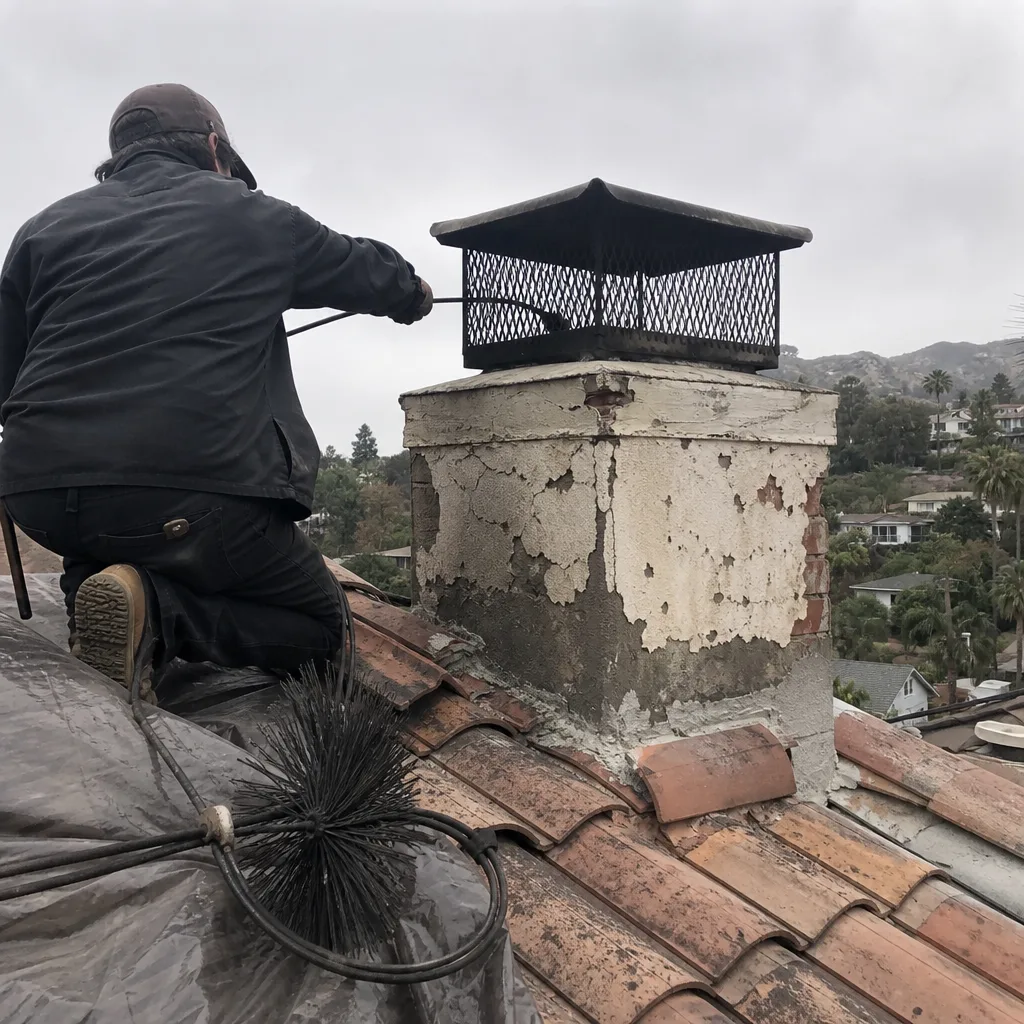 Before
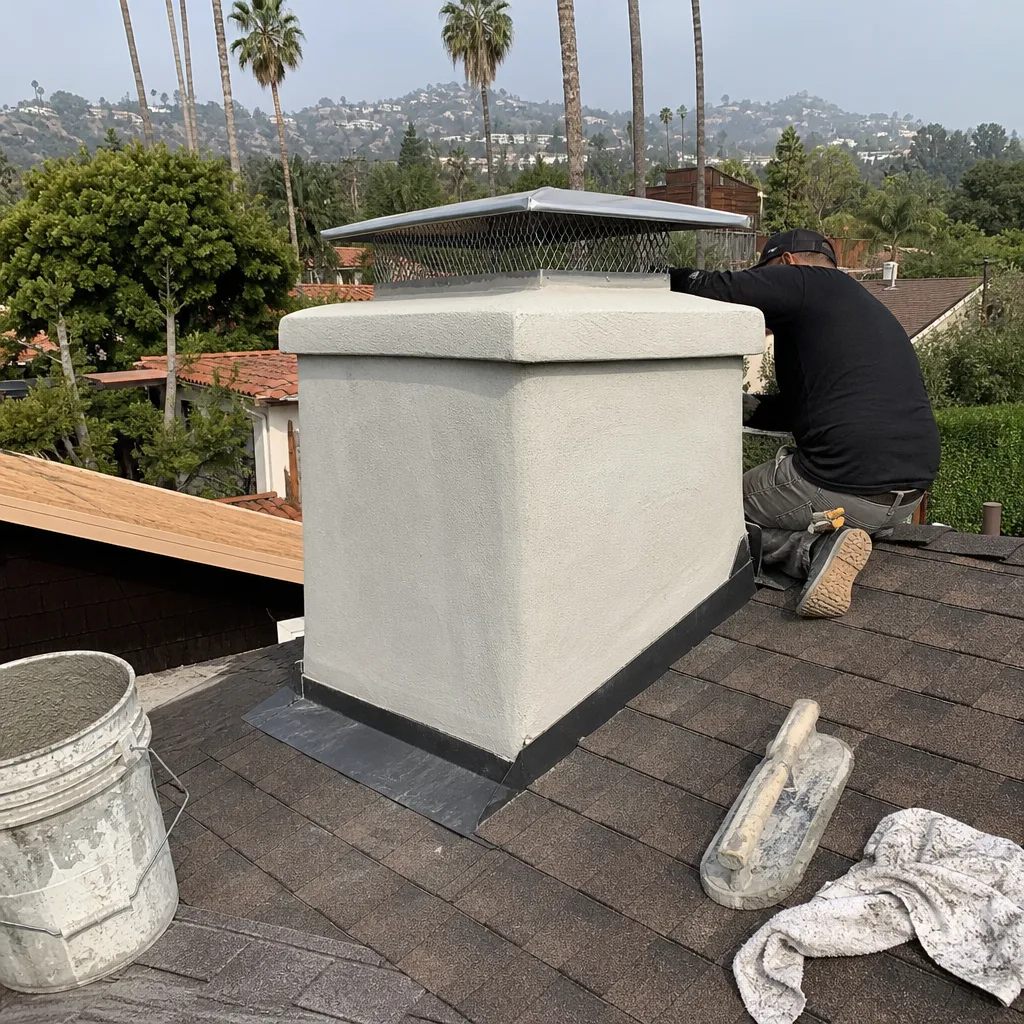 After
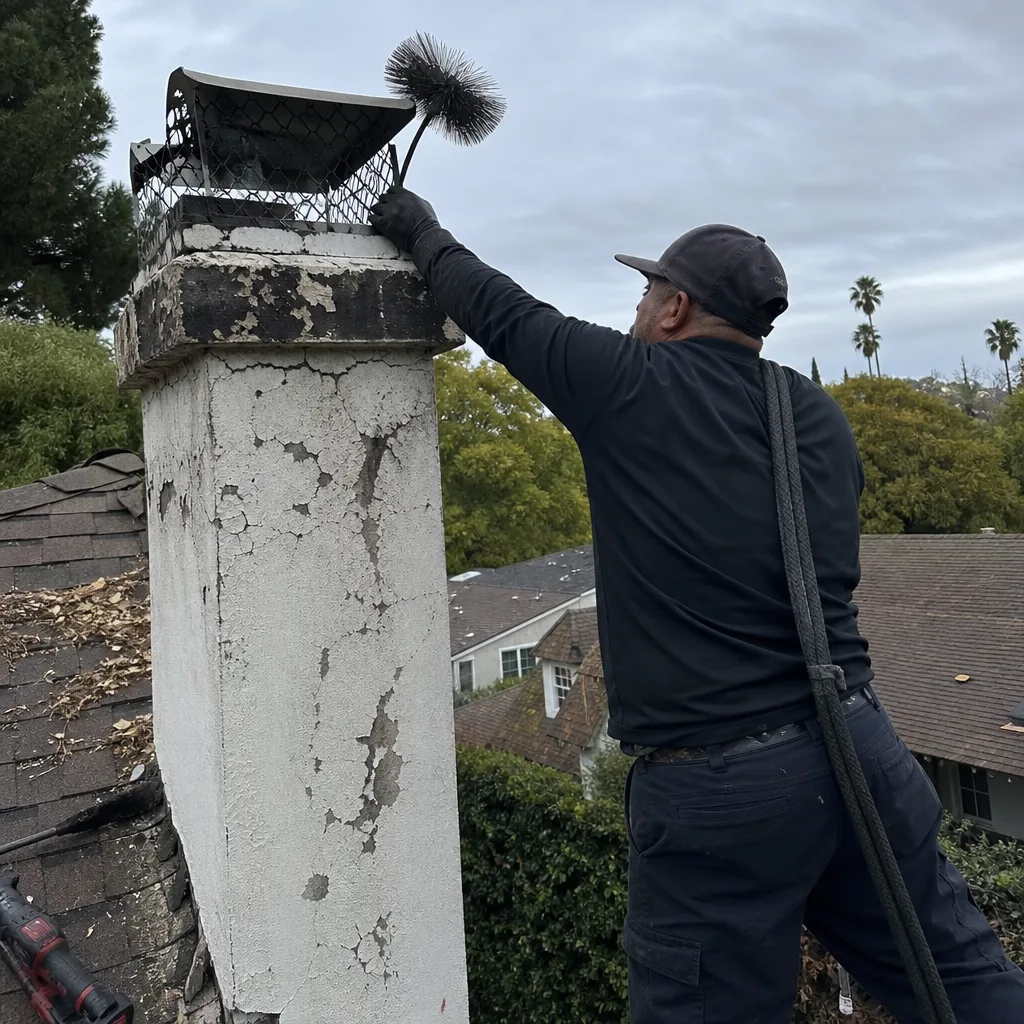 Before
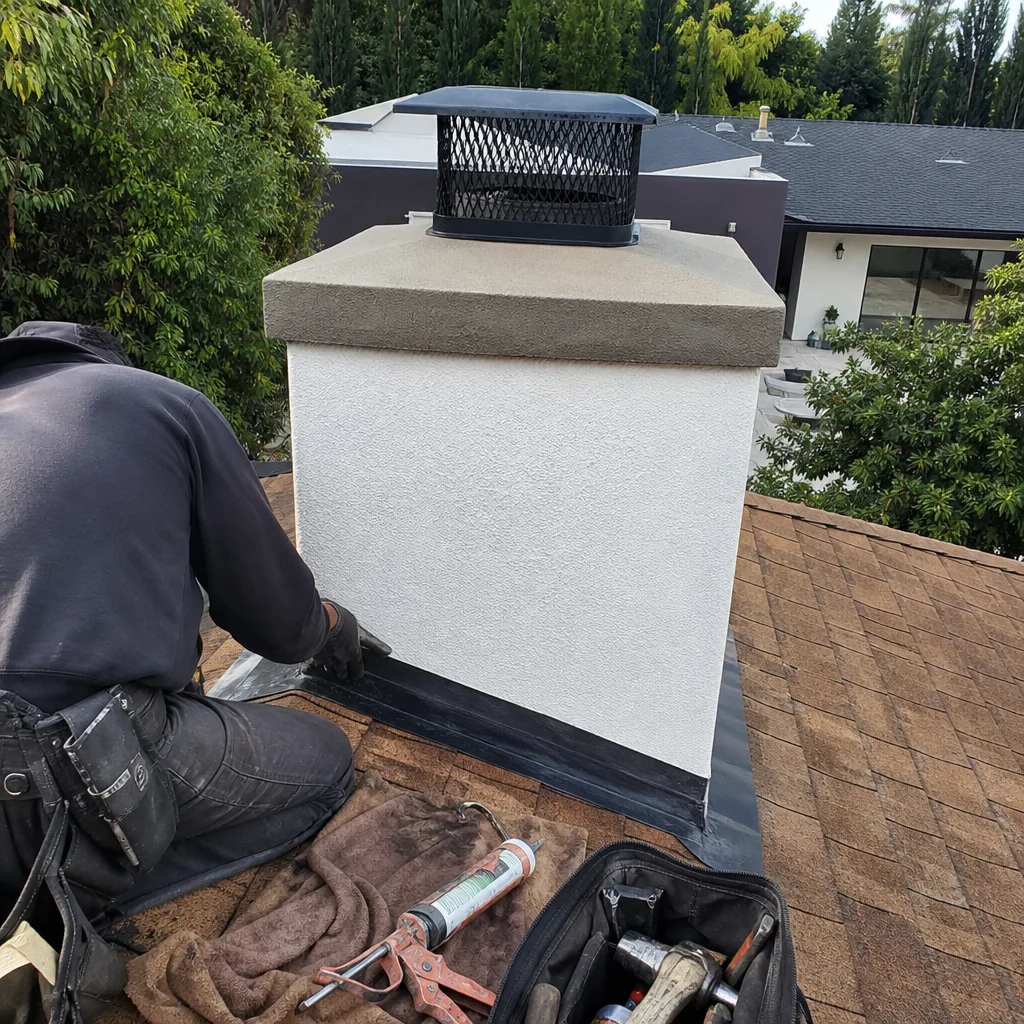 After
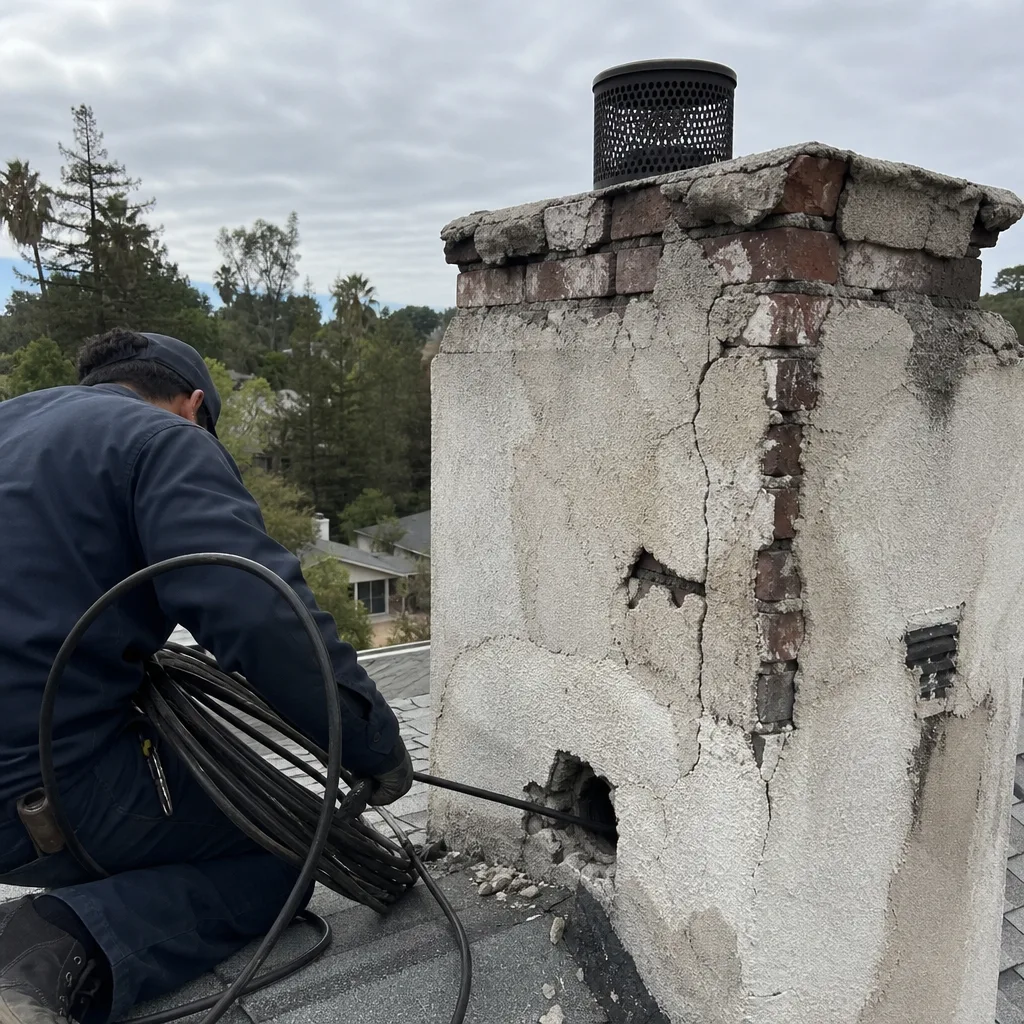 Before
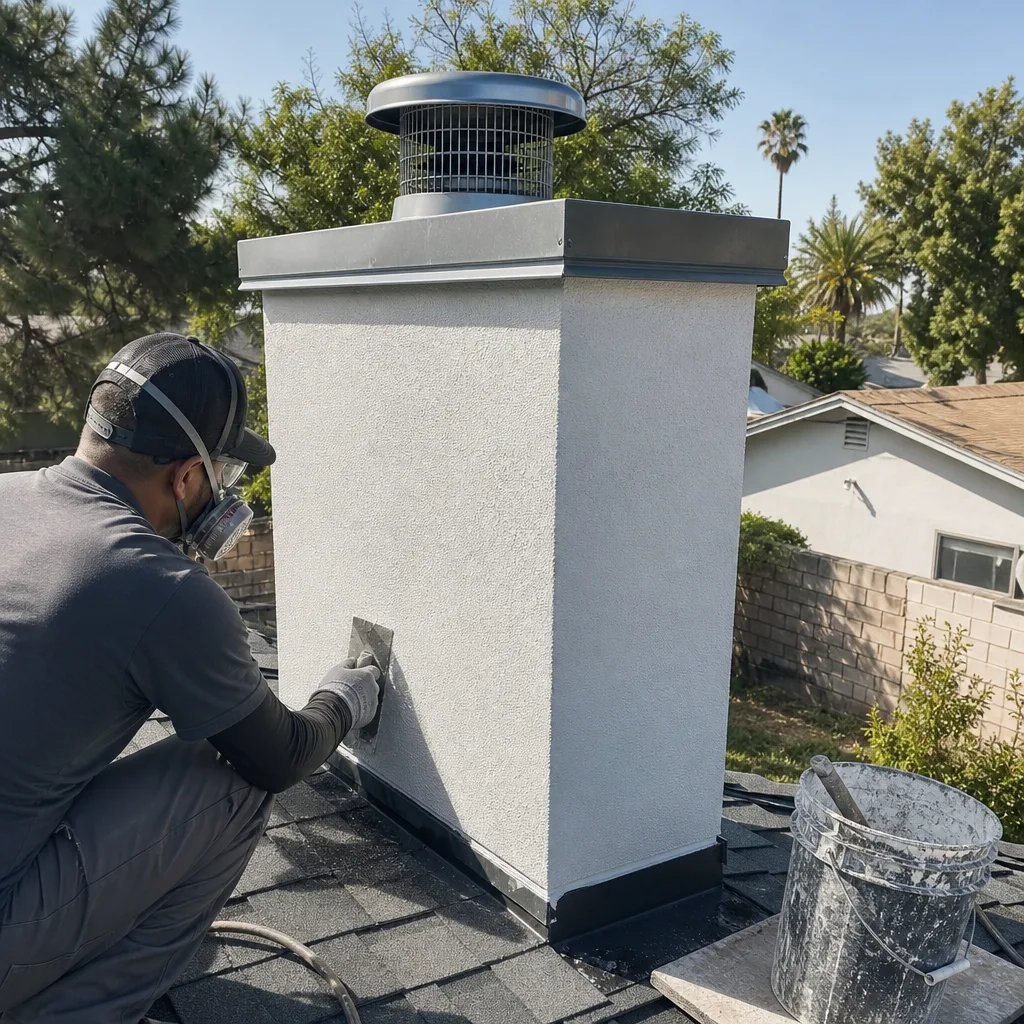 After