 Sweep & inspection
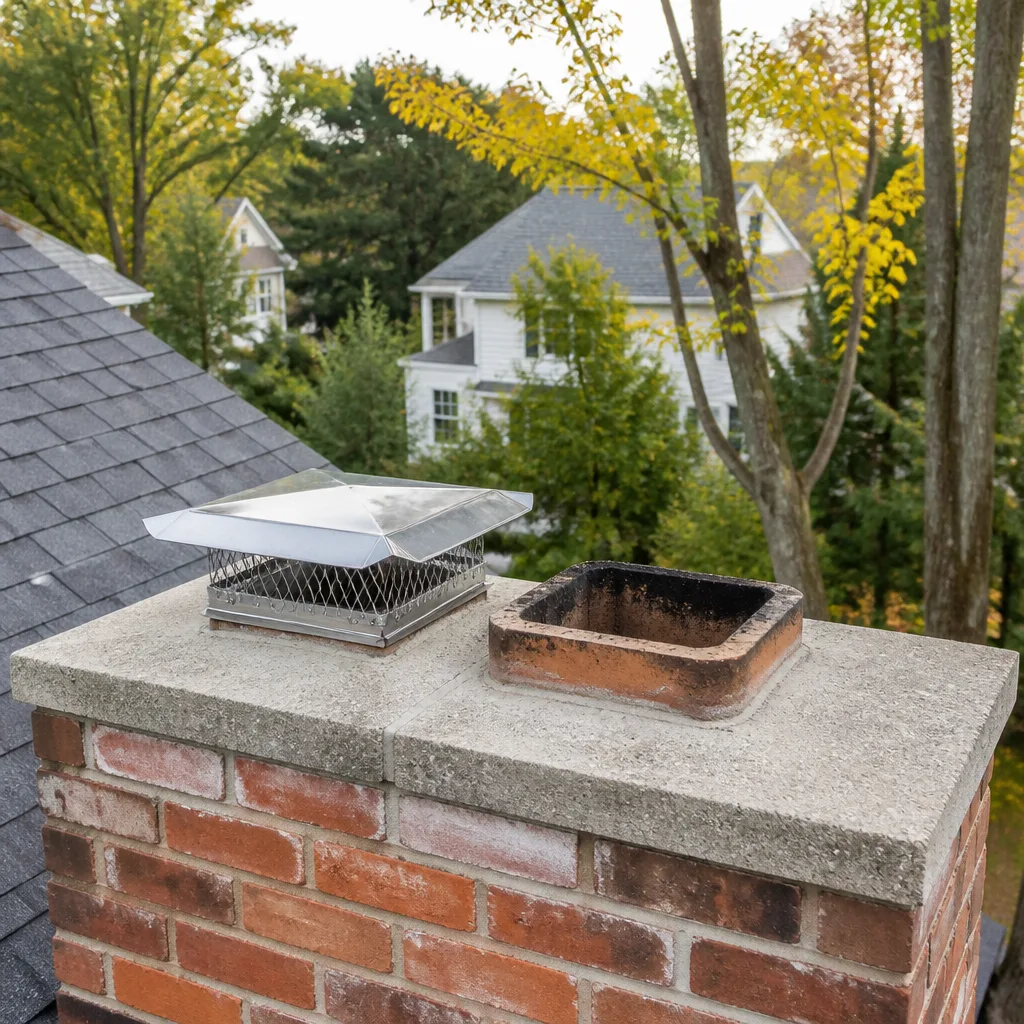
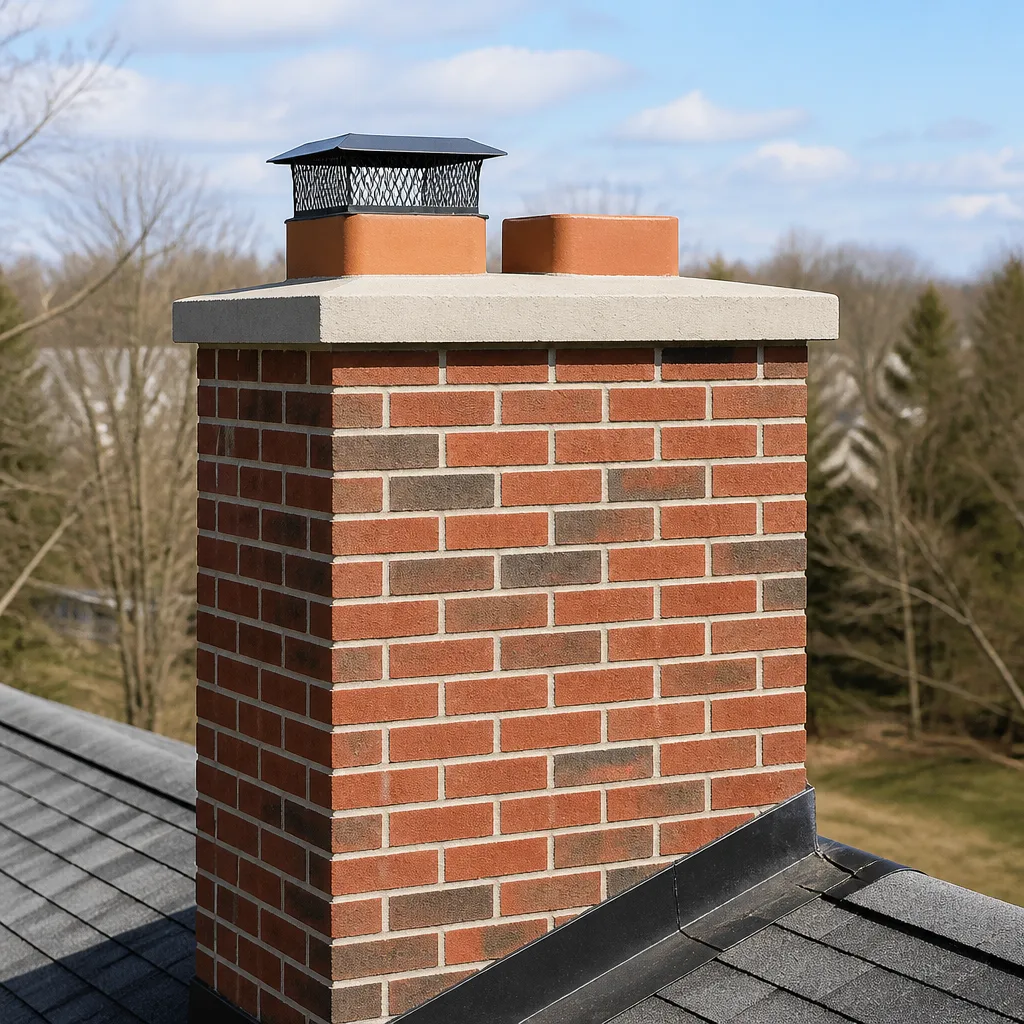 Caps & crowns
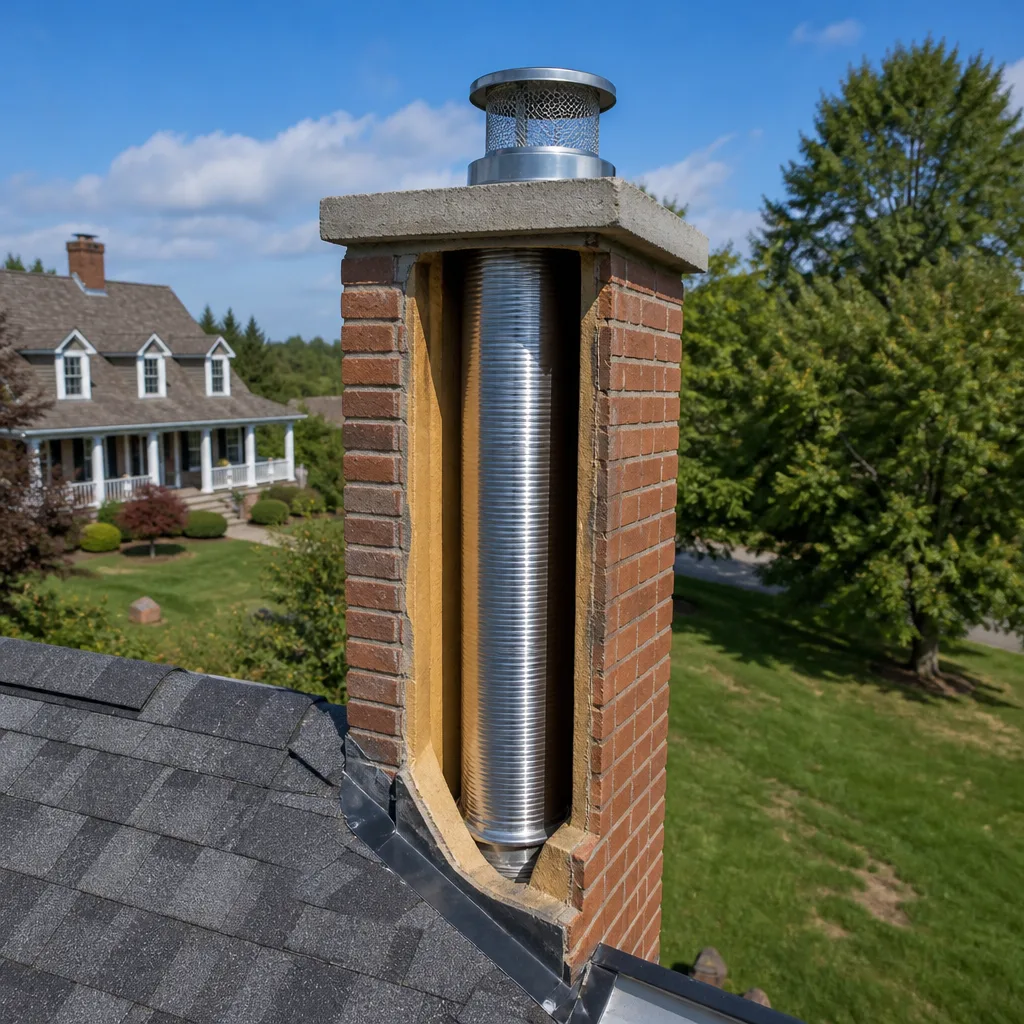 Flue relining
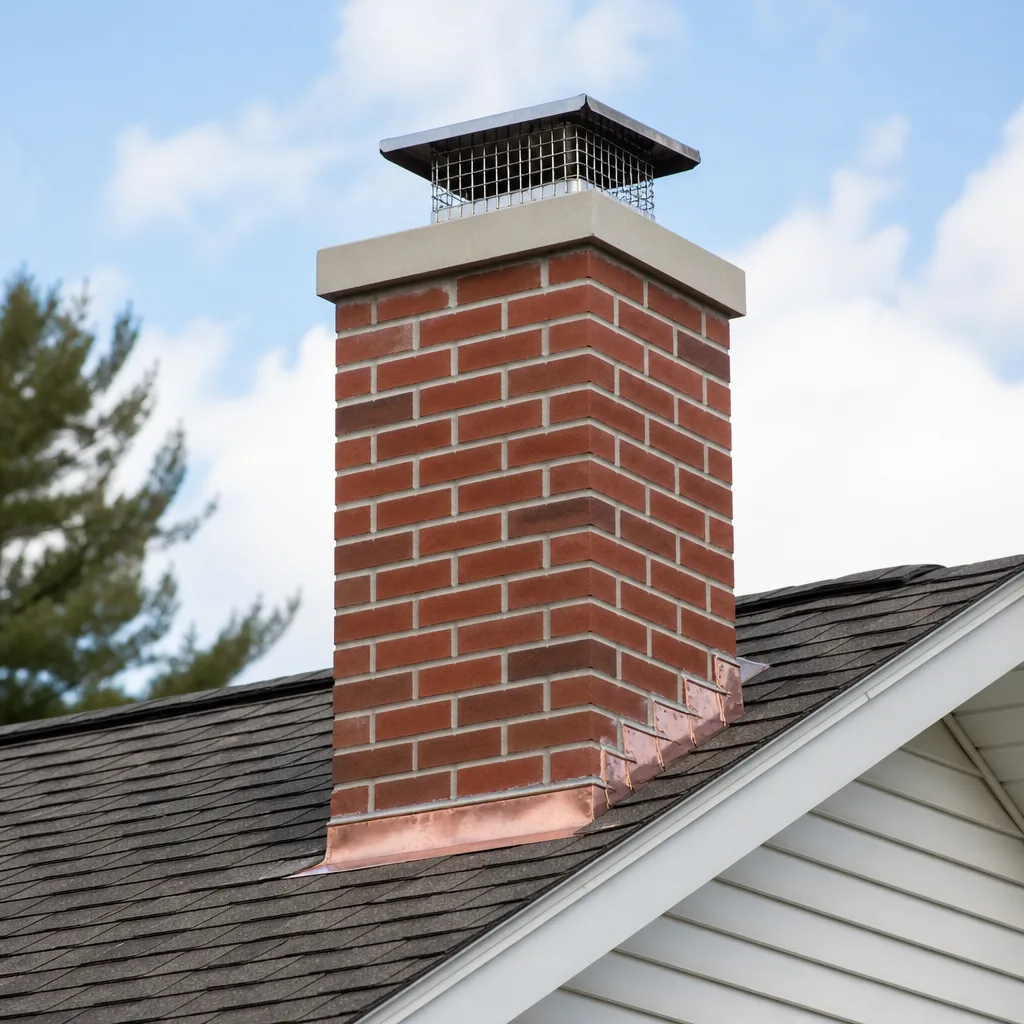 Masonry repair
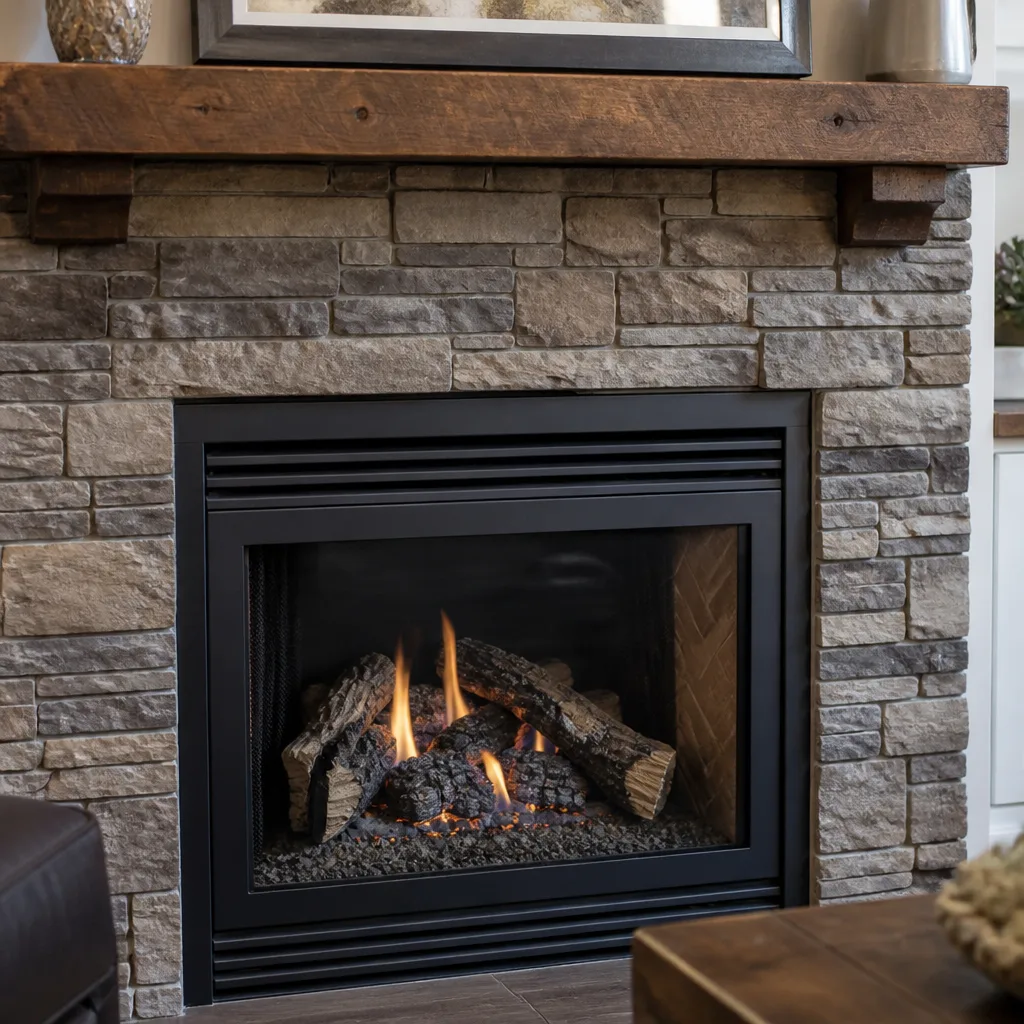 Gas fireplace service
Level 1 sweep and inspection to the NFPA 211 annual standard - flue, crown, cap, and flashing checked and photographed
Chimney sweep logs do not sweep chimneys. They loosen some creosote - which then falls where a brush and vacuum still have to collect it.
Fast, Reliable Chimney Sweep Across Nuevo
Chimney sweeping in Nuevo costs between $189 and $329 for a standard wood-burning fireplace or freestanding wood stove, and most jobs are completed in a single visit. That’s the direct answer. What’s less obvious is that Nuevo’s rural heating patterns mean many homes here burn wood as a primary heat source through the foothill winter, so the creosote loading we see is heavier than what suburban chimney companies usually encounter. We know the ranch properties off Nuevo Road, the manufactured homes along the 92567 corridor, and the acre-plus lots where a wood stove isn’t ambiance, it’s the furnace. If your chimney hasn’t been swept this season, call (866) 520-4943 and we’ll get you on the schedule.
Why Firebrick Chimney Sweep Is Nuevo’s Preferred Chimney Sweep Company
Nuevo homeowners call us because we close the loop from inspection to repair. When a brush sweep turns up a cracked flue tile or a failing damper, we don’t hand you a referral card. We fix the problem ourselves, using professional-grade materials from Gelco and Olympia Chimney rather than whatever’s on the shelf at a big-box store. That matters on older Nuevo ranch homes where the chimney system hasn’t been touched in decades.
Nelson Quijada leads our team, and he built Firebrick around a simple idea: chimney work is all we do. We’re not a handyman service that sweeps chimneys on the side. That depth shows in every inspection, especially on the non-standard stovepipe setups common to Nuevo’s manufactured and rural housing stock. We’ve pulled squirrel acorn caches out of stovepipes, re-seated wind-knocked chimney caps, and swept flues back to bare metal on properties where the previous “inspection” never climbed past the roofline.
Response time to Nuevo is a real consideration for us. We schedule by route, not by proximity to a storefront, and we carry the parts and brushes needed for the flue configurations we know are common in this area. When you call, you’re talking to someone who understands what a heavily used wood stove chimney in the San Jacinto foothills actually looks like inside.
Styles & brands we work with
Chimney Maintenance in Nuevo
Chimney maintenance in Nuevo isn’t a once-a-year formality. It’s the difference between a stove that drafts clean through January and one that smokes back into the living room because a bird packed the cap with nesting material in October. We inspect the cap, crown, flue liner, damper, and smoke chamber on every visit, and we document what we find. When a Nuevo homeowner asks whether maintenance can wait, we give them an honest answer based on what we see with the camera, not a sales script.
What maintenance costs here depends on what we’re servicing. A visual Level 1 inspection combined with a sweep runs $189 to $279 on most Nuevo chimneys. If the system hasn’t been serviced in years or you’re buying a property in the 92567 area, a Level 2 inspection with camera documentation runs $229 to $399. We never recommend work without showing you the footage.
Seasonal Creosote Management
In Nuevo, the sweep interval should be tied to cords burned, not calendar months. We routinely see first- and second-degree creosote built to glaze thickness in a single season on stoves burning green oak. The safe schedule for a primary-heat wood stove here is often every cord or every year, whichever comes first.
Cap and Crown Inspection
Wind off the San Jacinto foothills knocks chimney caps loose on exposed rural lots all year. A loose cap invites birds and squirrels, and once they’re in, the draft chokes and creosote condenses even faster. We check the cap and crown on every maintenance visit because the alternative is a flue packed with acorns by November.
Chimney Sweep Services in Nuevo
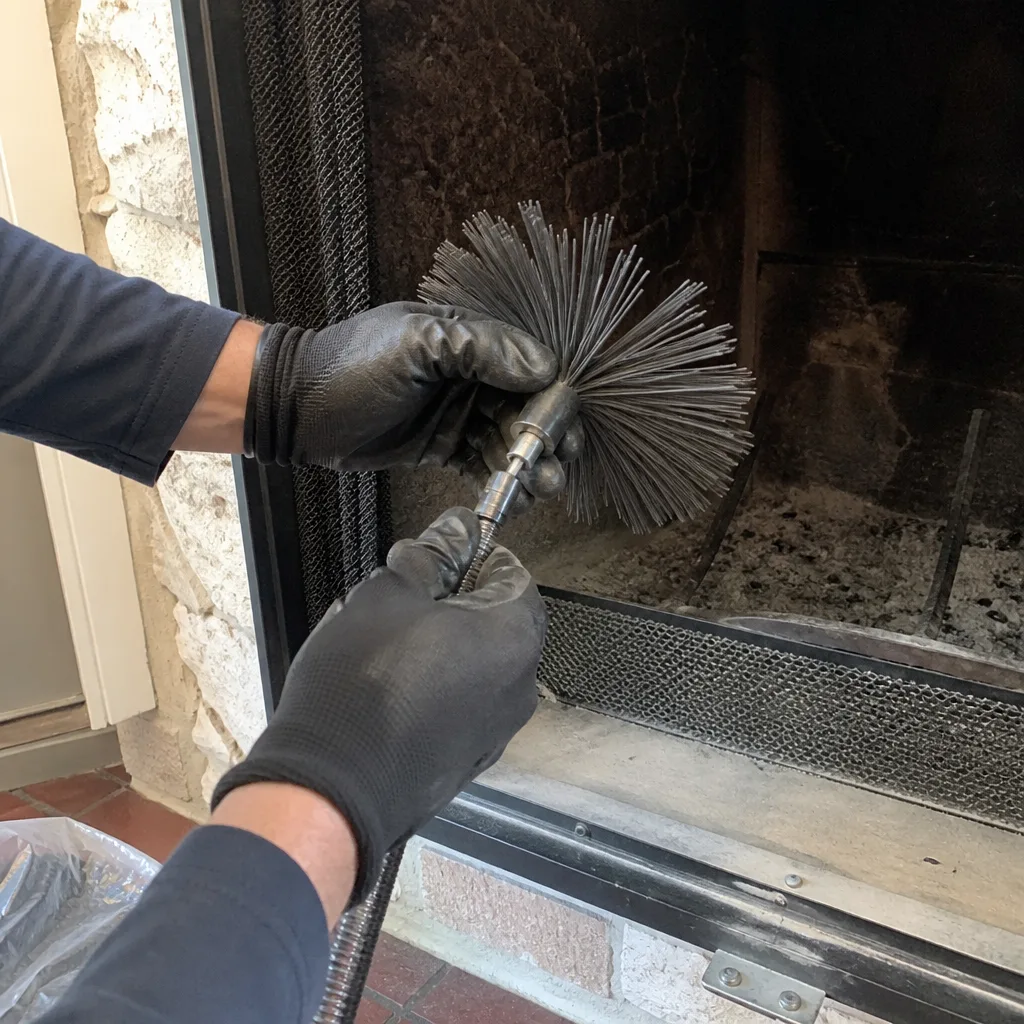
Chimney sweep services in Nuevo start with a full mechanical brushing of the flue from the firebox to the cap, followed by soot and creosote removal from the smoke chamber and damper assembly. For freestanding wood stoves, we disconnect and brush the stovepipe too, which is where rural setups tend to pack with buildup faster than masonry chimney flues. A standard fireplace sweep in Nuevo runs $189 to $249, while wood stove and stovepipe sweeping runs $209 to $329 depending on flue length and access.
We don’t do “driveway quotes” where someone glances at the roof from the truck and hands you a number. We put boots on the roof, remove the cap, and inspect what’s actually happening inside before we recommend anything. That’s the only honest way to service a chimney, especially on older Nuevo properties where original stovepipe installations often don’t match modern clearances.
Wood Stove and Stovepipe Sweeping
Rural Nuevo homes with freestanding wood stoves need more than a fireplace sweep. We disconnect the stovepipe, brush it to bare metal, and inspect the thimble and wall pass-through, which is where years of neglected creosote tends to hide. If the pipe is scored or the stove is burning poorly, we’ll tell you plainly and show you why.
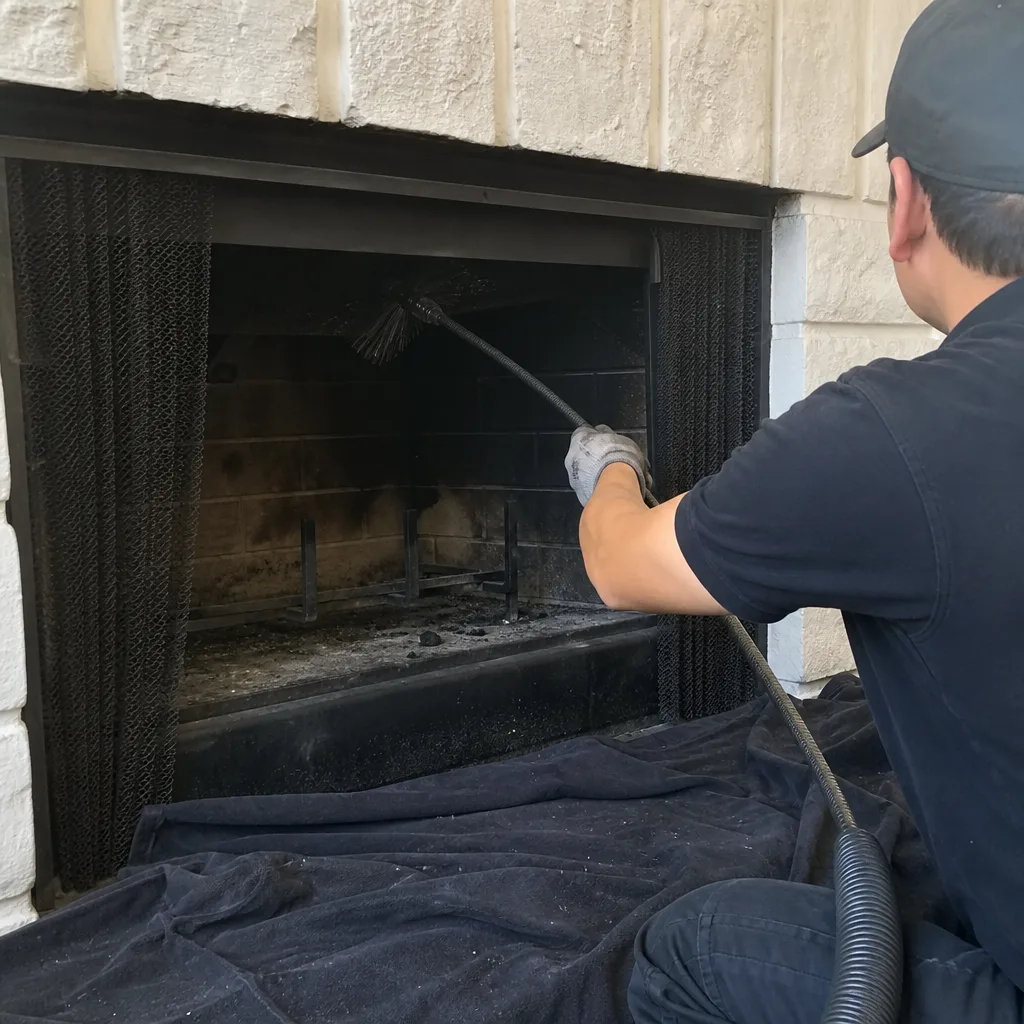
Creosote and Soot Removal
Creosote removal in Nuevo is often the main event. We see glazed second-degree buildup in a single burning season here because homeowners burn long and hot through cool foothill nights. A brush alone won’t remove glazed creosote, so we use mechanical rotary tools when the flue needs it, and we’ll explain the difference before we start.
What happens when you call
- 1
A real person answersNo phone trees — you reach a local pro.
- 2
You get an upfront price rangeHonest numbers before anyone is dispatched.
- 3
A background-checked tech heads outLicensed & insured, dispatched right away.
- 4
You approve before work beginsNothing starts until you say go.
Trusted Brands We Service in Nuevo
We stock and work with professional-grade chimney components from Gelco and Olympia Chimney, not consumer-grade substitutes. When a Nuevo customer needs a replacement cap, damper component, or stovepipe section, we arrive with the right part on the truck more often than not because we know what’s installed in the housing stock out here. That means fewer follow-up visits and no waiting on a big-box special order. If your chimney has a brand-specific component we don’t recognize, we’ll identify it, source the professional replacement, and install it correctly. Chimney work is all we do. That’s why the parts on our truck are the ones certified chimney professionals actually use.
See the difference
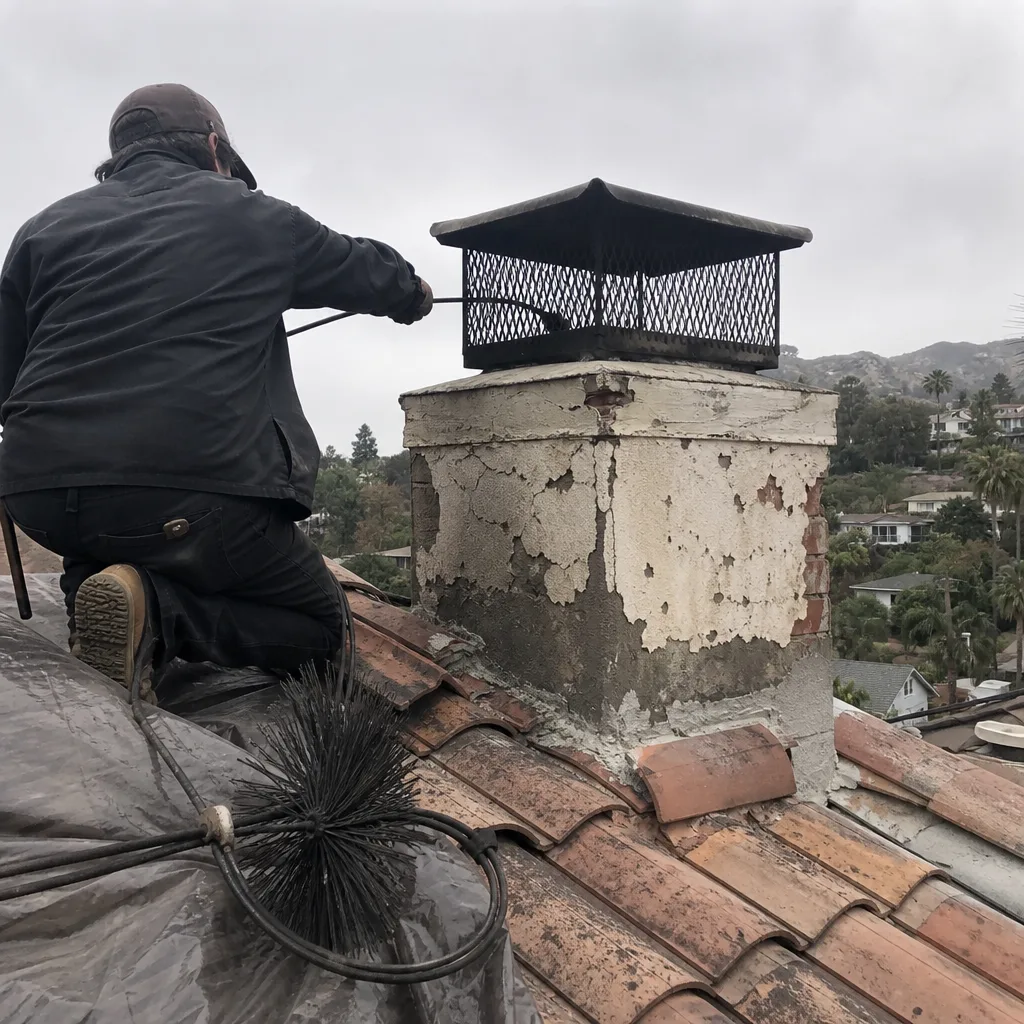 Before
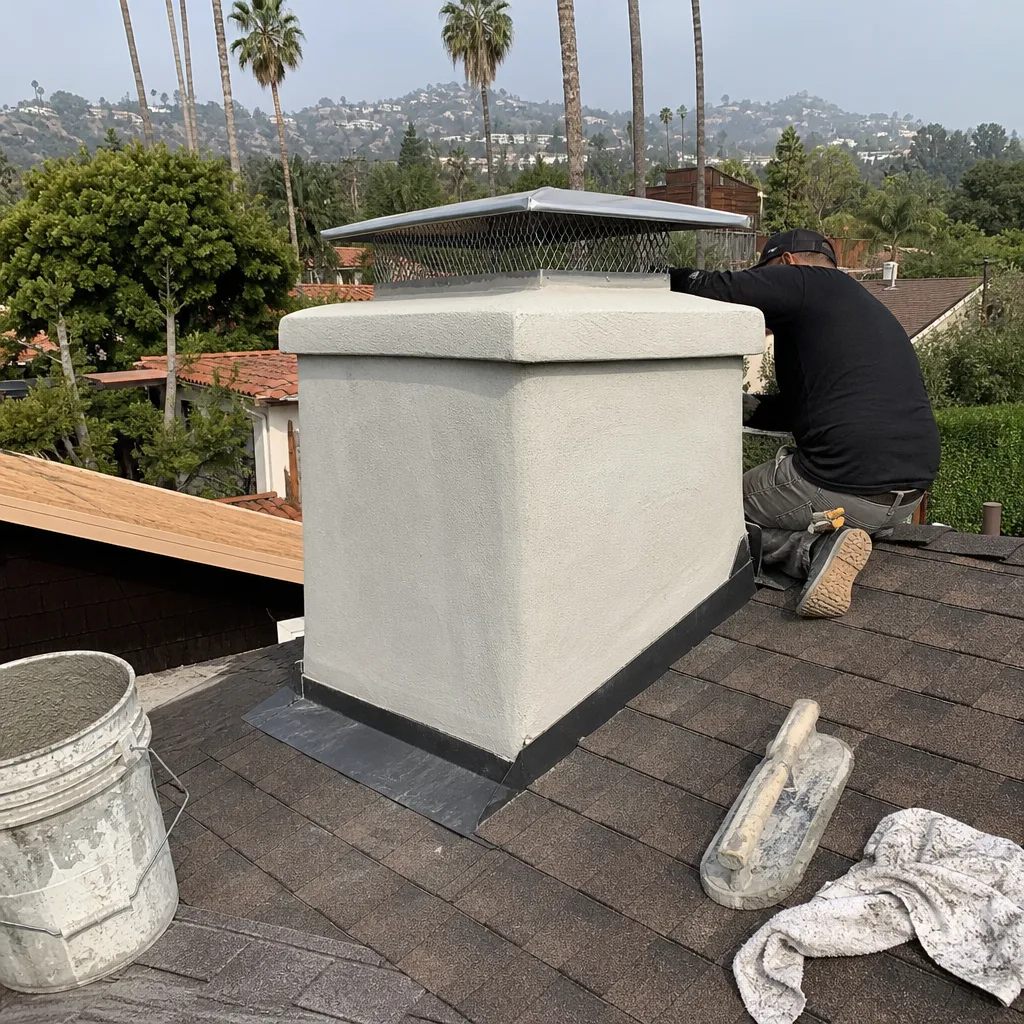 After
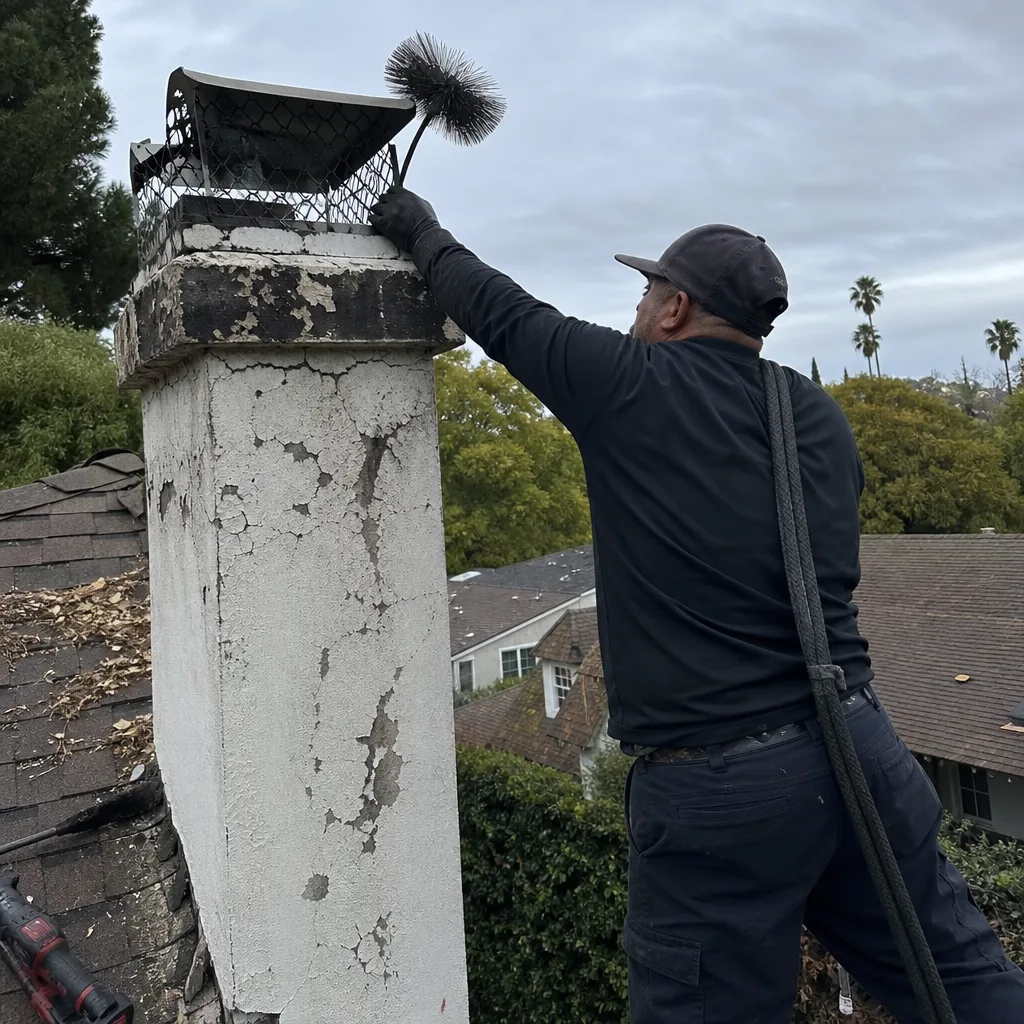 Before
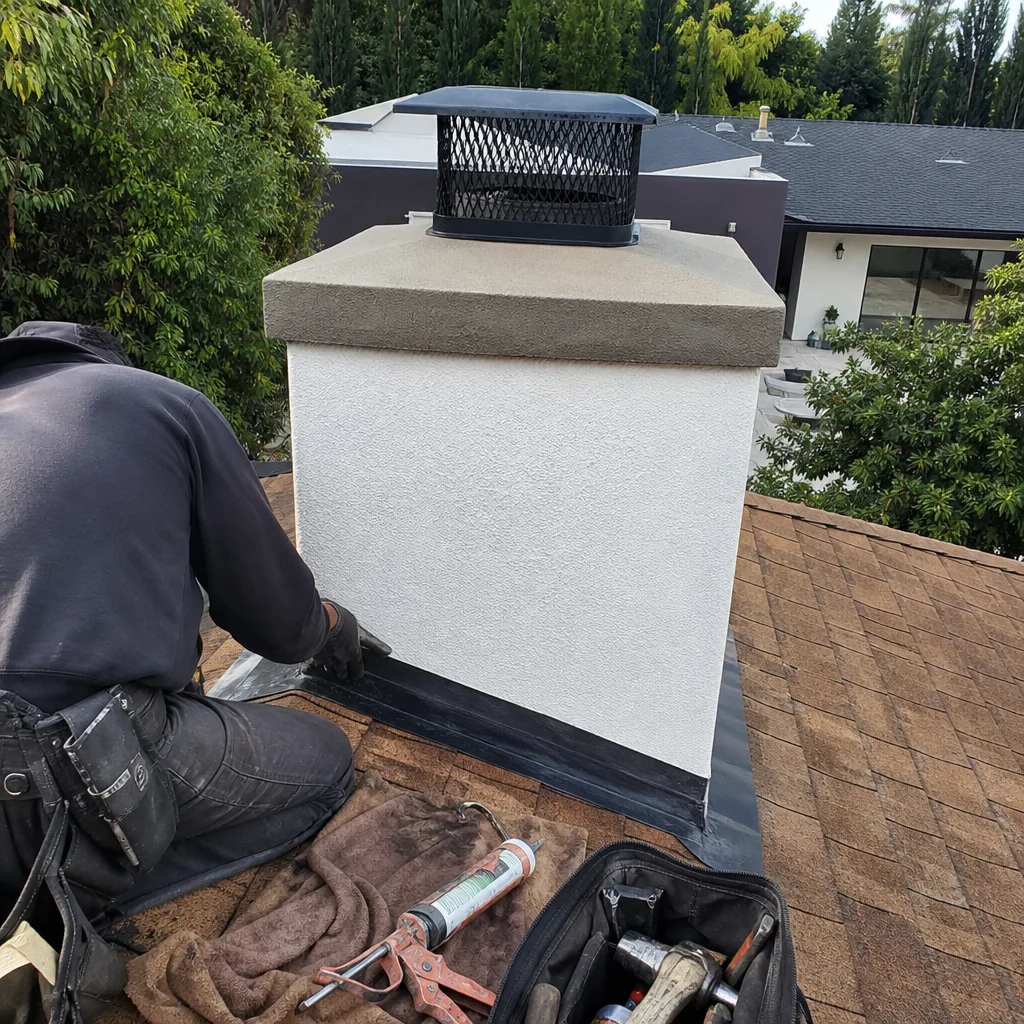 After
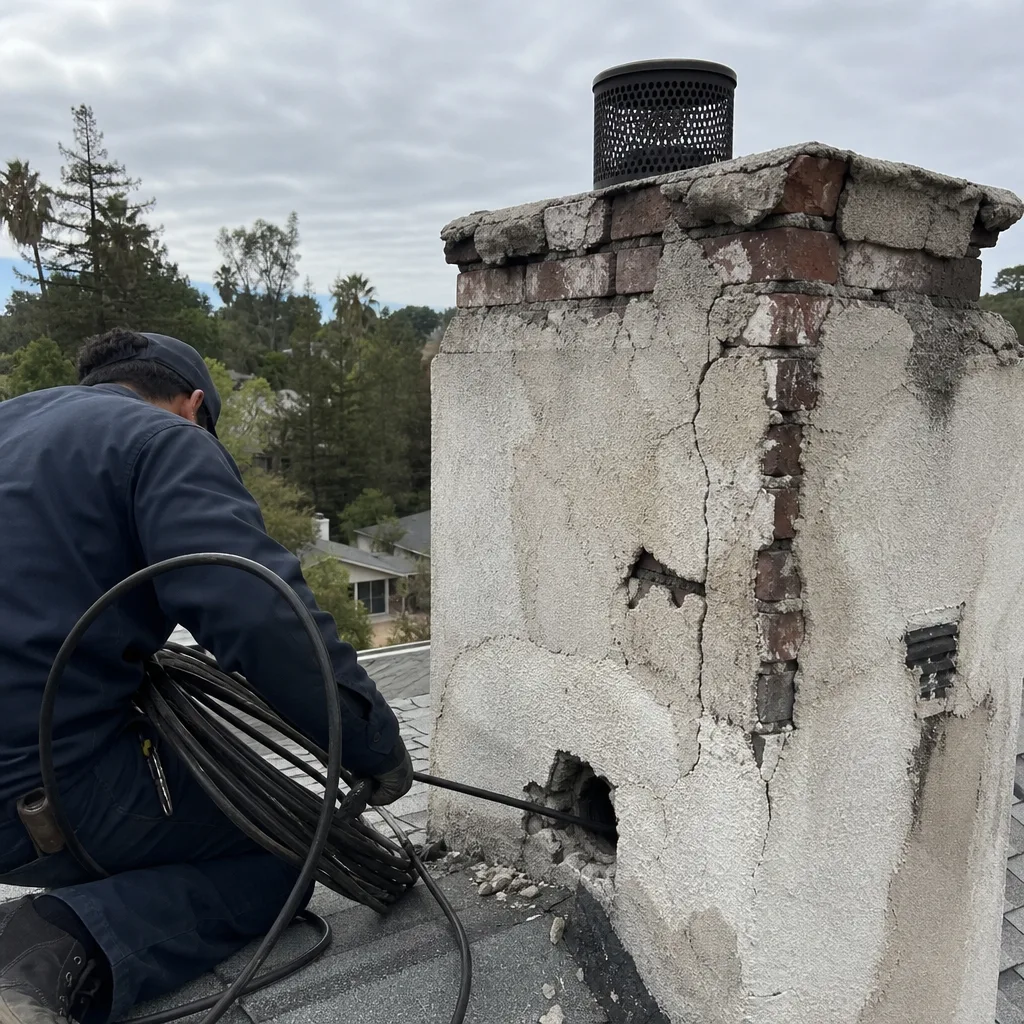 Before
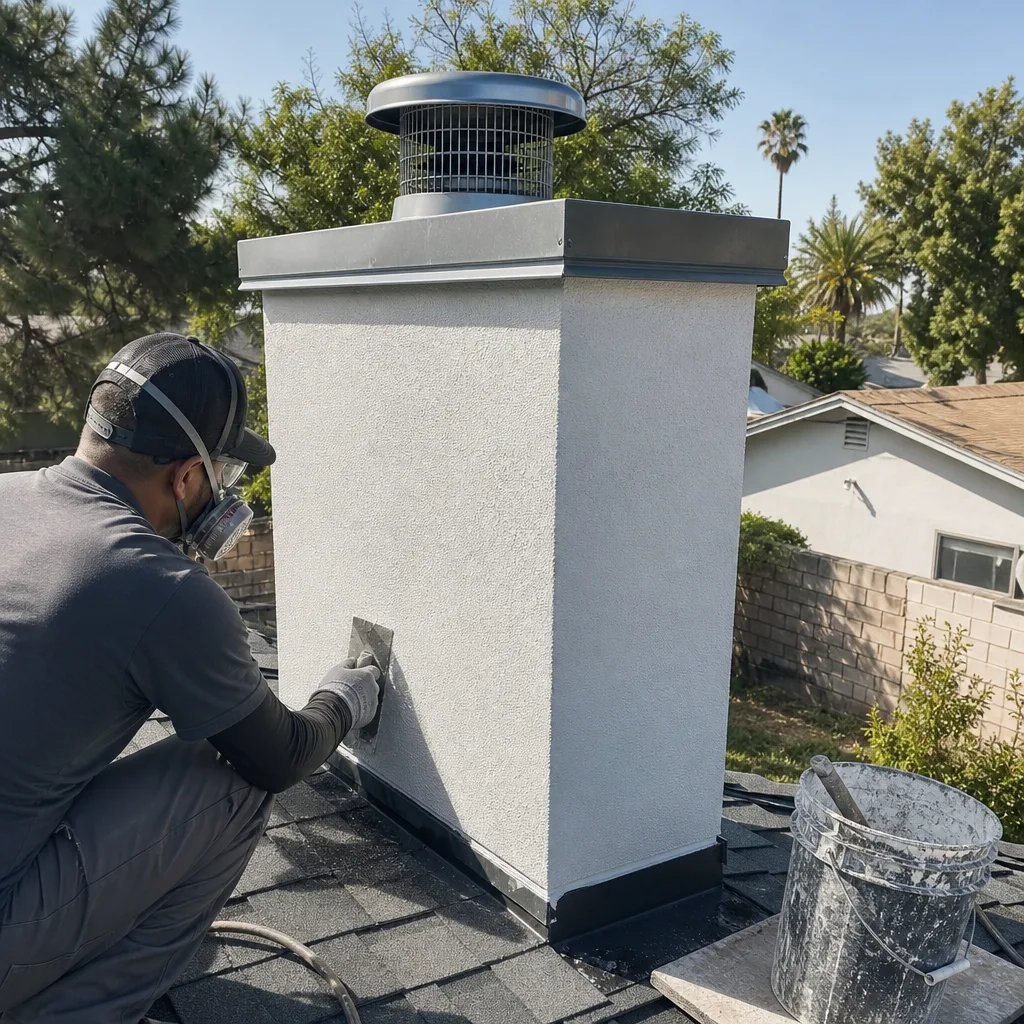 After
Common Chimney Sweep Problems We See in Nuevo Homes
- Glazed creosote from long wood-burning seasons. Nuevo’s cool foothill winters push wood stoves into daily service from November through March. We regularly find second-degree creosote built to a shiny, tar-like glaze in a single season, and that’s a flue-fire waiting for a spark.
- Squirrel and bird intrusion through loose chimney caps. The exposed rural lots around Nuevo see wind gusts that knock caps loose without the homeowner ever noticing. Squirrels then pack stovepipes with acorn caches and birds build nests in the flue, choking the draft and pushing smoke back into the house.
- Non-standard stovepipe setups on ranch and manufactured homes. Many Nuevo properties were built when wood heat was the default, and the original flue installations don’t match what a modern inspector expects. We see undersized stovepipe, missing thimbles, and single-wall pipe running too close to framing, all of which need correction before safe burning.
- Green or unseasoned oak accelerating creosote condensation. The surrounding terrain yields plenty of oak, but burning it before it’s seasoned for at least a year produces cool, wet smoke that condenses on flue walls. We walk Nuevo customers through a hotter, drier burn routine that slows buildup measurably.
Pricing for Chimney Sweep in Nuevo, CA
A standard fireplace sweep in Nuevo runs $189 to $249. Freestanding wood stove sweeps with stovepipe disconnection run $209 to $329. Level 1 inspections are included with every sweep at no extra charge. Level 2 inspections, which we recommend for any home purchase in the 92567 area or any system that hasn’t been serviced in over three years, run $229 to $399 and include full camera documentation of the flue liner. What changes the price is access: steep roof pitches, extended flue lengths on two-story ranch homes, and heavily glazed creosote that requires rotary tool work all push toward the upper end. We quote a flat price before we start, and we show you the camera footage before we recommend anything beyond the sweep. Call (866) 520-4943 for a free estimate on your Nuevo chimney.
We Also Serve Cities Near Nuevo
Our Chimney Sweep team also runs routes through Lakeview, Romoland, Good Hope, and Perris, so scheduling is straightforward even when Nuevo properties sit at the far end of a rural road. If you’re in the foothills between Nuevo and the San Jacinto slope, reach out and we’ll slot you into the nearest open day.
Serving Nuevo, CA — Our Local Coverage Area
We’re based in the Nuevo area and know this community well. Use the map below to see our service coverage — if you’re nearby, we can almost certainly help.
FAQs About Chimney Sweep in Nuevo
Every cord or every year, whichever comes first. A Nuevo home burning wood as primary heat through the foothill winter deposits creosote at a rate that suburban occasional-use fireplaces simply don’t match, so the safe sweep interval here is often 12 months or less. We’ve pulled glazed second-degree buildup out of flues that were “professionally cleaned” 18 months prior. Call (866) 520-4943 and we’ll assess your specific burn rate and give you a schedule that fits how you actually use the stove.
Because wind off the San Jacinto foothills knocks chimney caps loose on exposed rural lots, and once the cap is gone, the flue is an open invitation. Squirrels pack stovepipes with acorn caches and birds build nests in the smoke chamber, both of which choke draft and accelerate creosote condensation. The fix is a properly secured, professionally fitted cap, which we install and verify on every sweep.
First-degree creosote is a flaky, sooty dust that brushes off easily. Second-degree is the shiny, tar-like glaze that forms from long, hot burns with less-than-ideal wood, and it requires mechanical rotary tools to remove. Third-degree is hardened, crystallized creosote that a brush won’t touch and that puts the flue liner at real risk. In Nuevo, we see second-degree in a single season on primary-heat stoves, which is exactly why the sweep interval here needs to be shorter than the national average. Call us and we’ll show you which degree you’re dealing with on camera.
Yes. Chimney work is all we do, and that includes the single-wall stovepipe, undersized thimbles, and non-standard flue configurations we see on older Nuevo ranch homes and manufactured housing. We don’t refuse a job because the installation doesn’t match a modern codebook; we document what’s there, explain what needs correcting, and do the work correctly.
Burn seasoned hardwood only, which in the Nuevo area means oak that’s been split and stacked for at least a year, not the green wood cut from the back acre the same season. Build smaller, hotter fires rather than damped-down smolders, and don’t close the air intake all the way overnight. Those two changes reduce creosote condensation more than any product on the market. We cover burn practice on every Nuevo visit because a knowledgeable homeowner burns safer between sweeps.
If your Nuevo chimney hasn’t been inspected this season, or if you’re burning daily and haven’t scheduled a sweep in over a year, call us at (866) 520-4943. We’ll inspect, sweep, and show you exactly what’s inside your flue before we recommend anything further. Estimates are free, and all work is quoted flat before we start.
Written by Nelson Quijada, Owner at Firebrick Chimney Sweep, serving Nuevo and the surrounding foothill communities.