

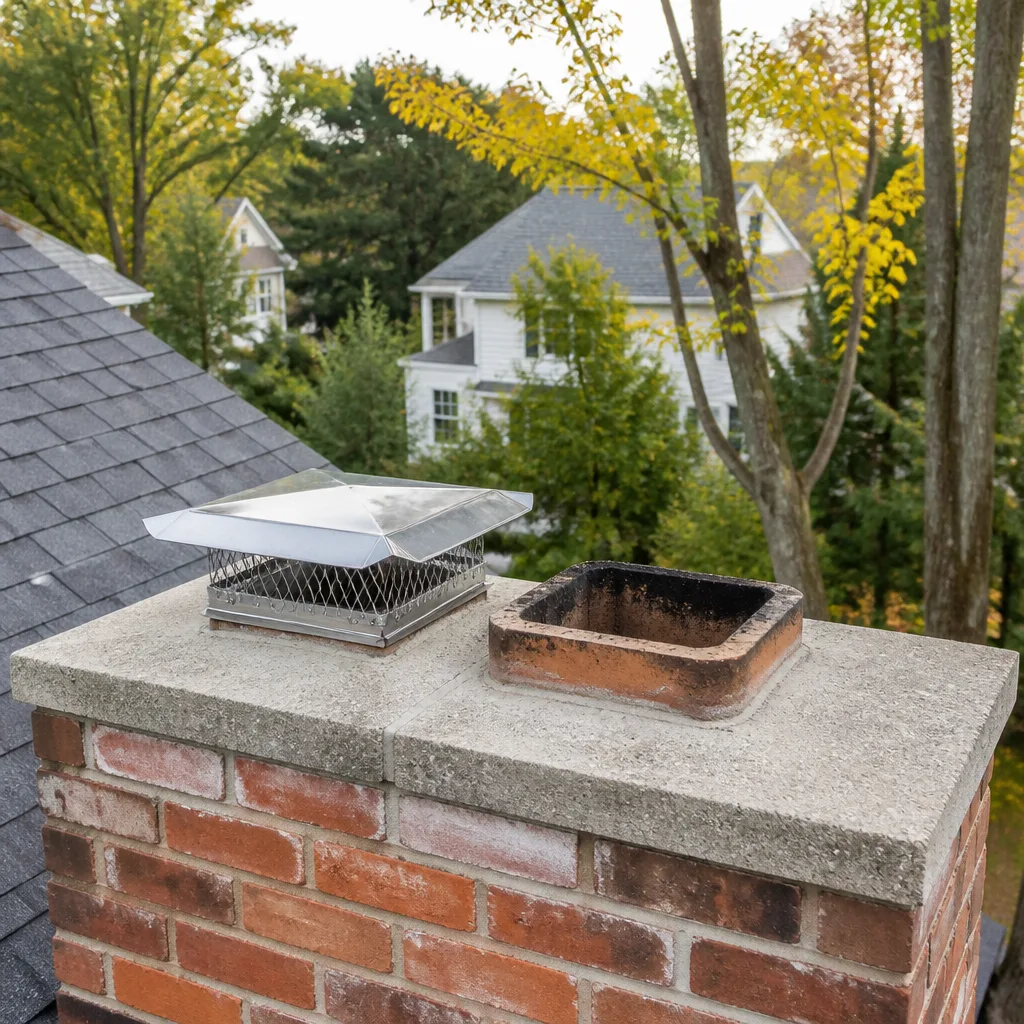
 Sweep & inspection
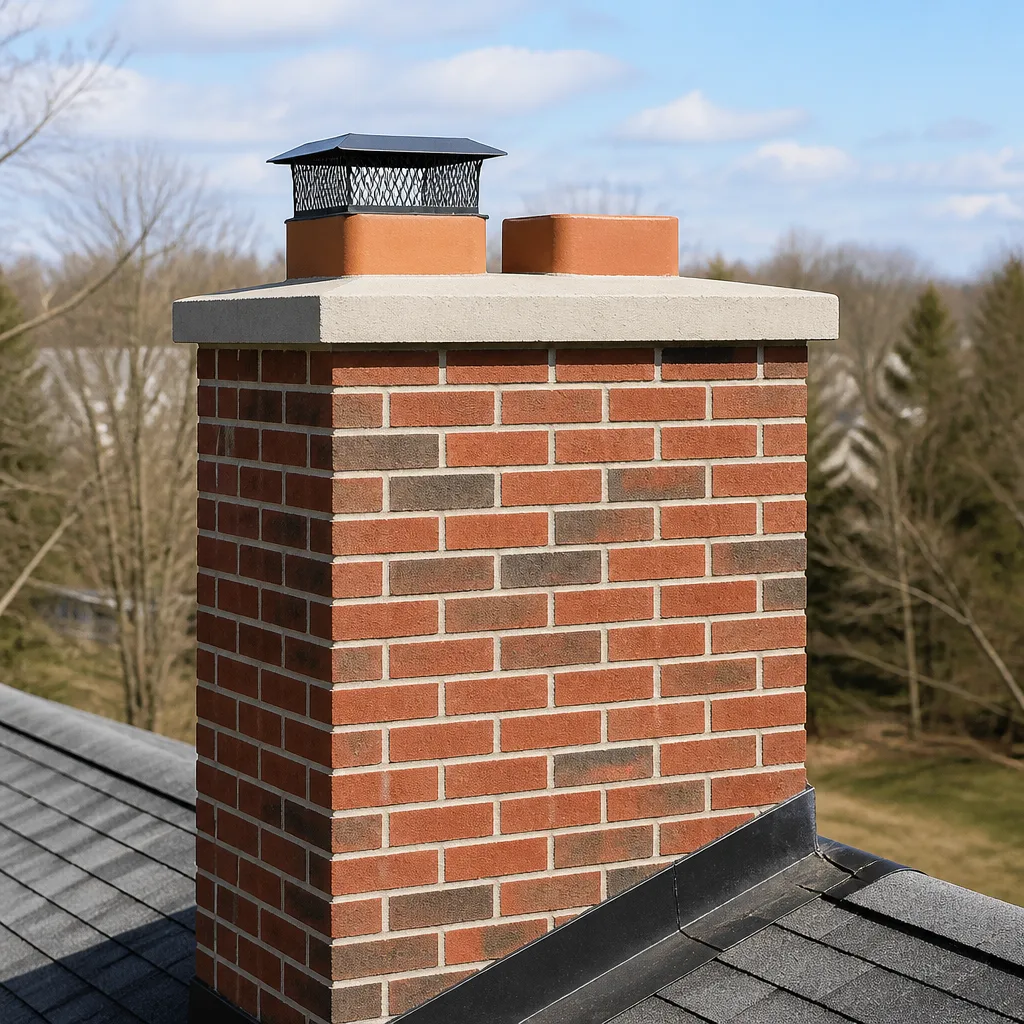 Caps & crowns
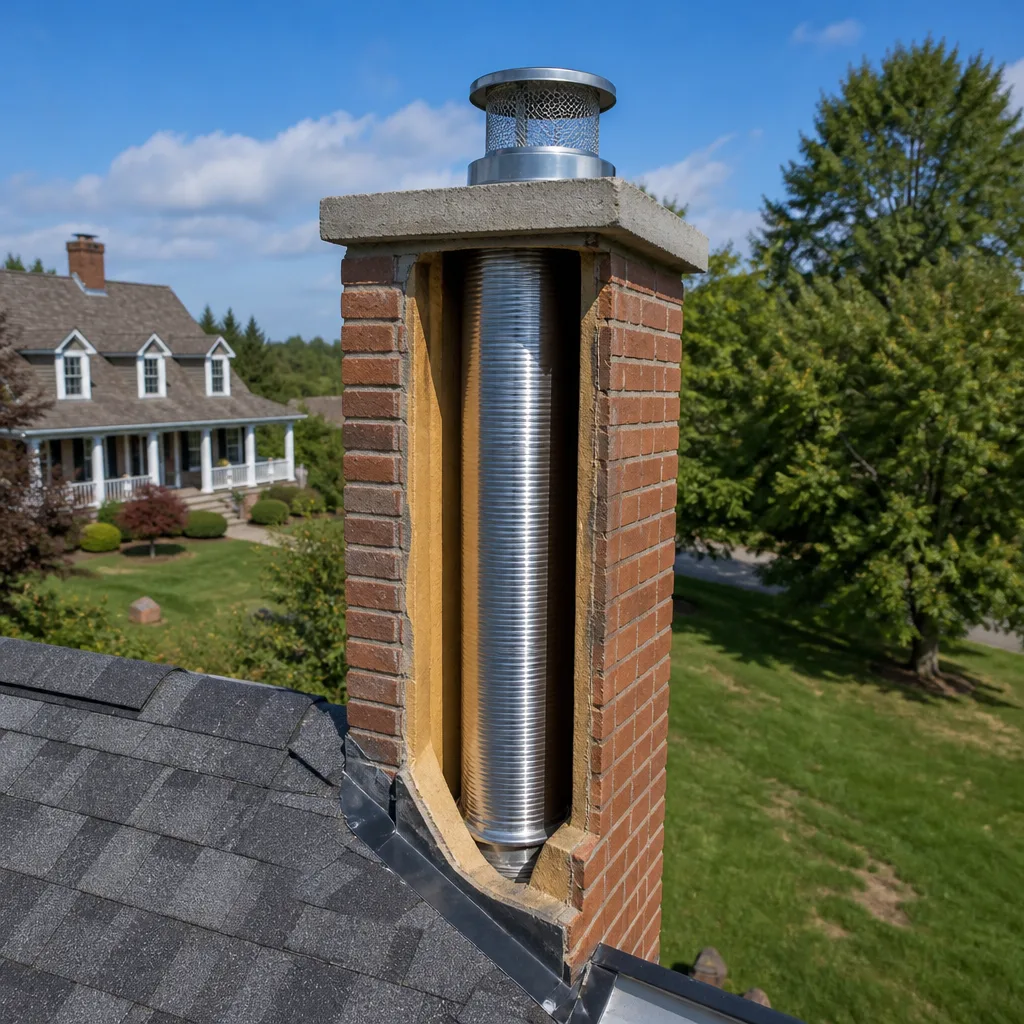 Flue relining
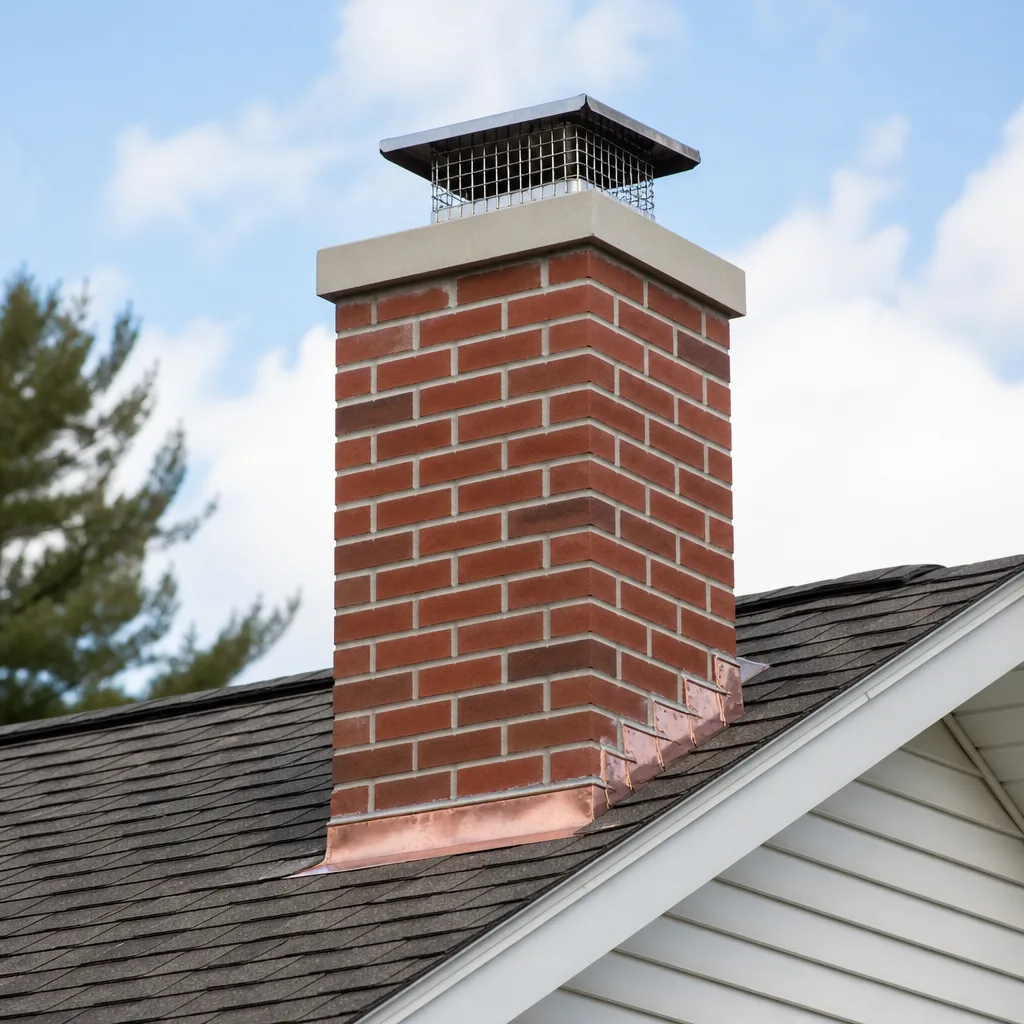 Masonry repair
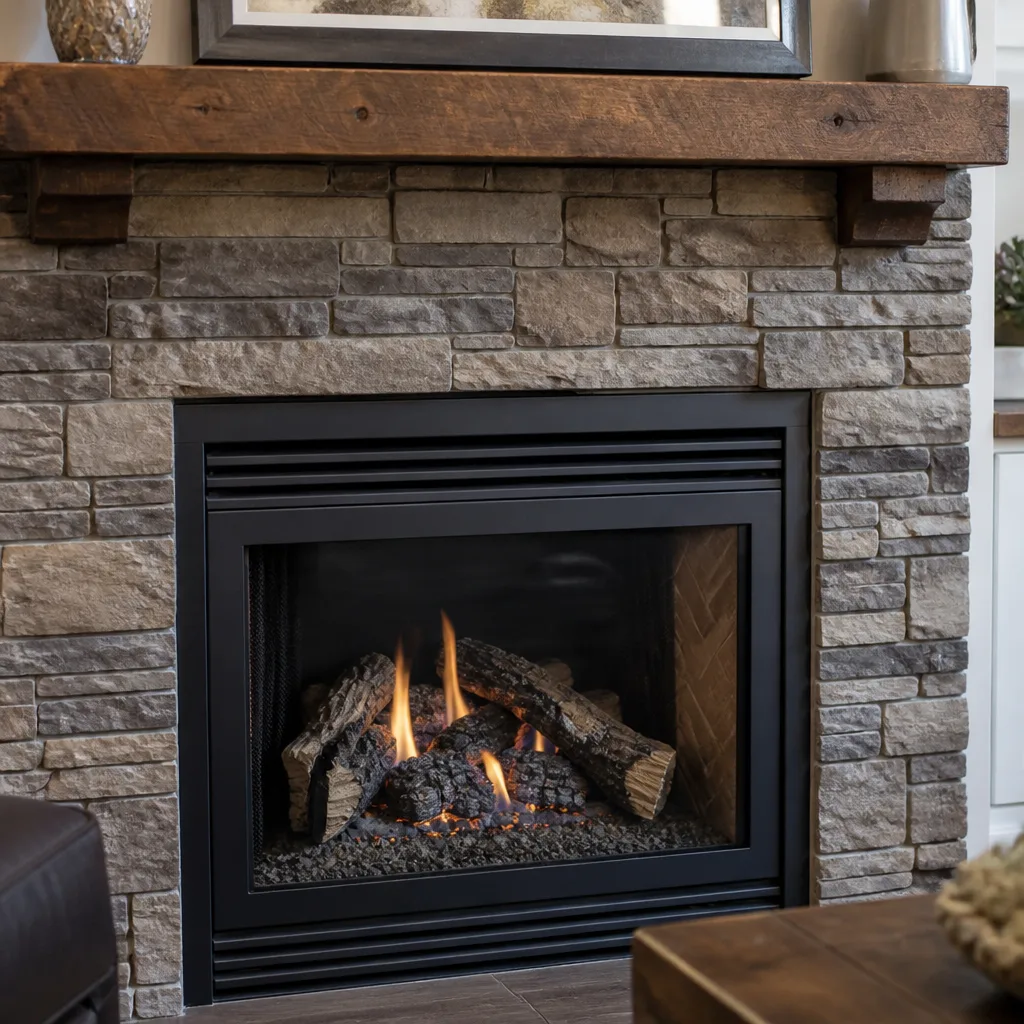 Gas fireplace service
Level 1 sweep and inspection to the NFPA 211 annual standard - flue, crown, cap, and flashing checked and photographed
Chimney sweep logs do not sweep chimneys. They loosen some creosote - which then falls where a brush and vacuum still have to collect it.
HeatShield Chimney Cleaning in San Marino, CA | Firebrick Chimney Sweep
We provide independent HeatShield chimney cleaning, inspection, and liner restoration across San Marino’s 91108 and 91118 ZIP codes. What makes our HeatShield work here different is the housing stock: we’re not servicing newer tract homes with modern flues. We’re working inside 1910s-to-1930s Period Revival estates where original clay-tile liners have been resurfaced, and the application was either done well or it wasn’t. We’ve seen both. If you need a HeatShield system evaluated, cleaned, or repaired, call (866) 520-4943 for a free estimate.
We’re Firebrick Chimney Sweep, and we’ve been HeatShield sales & service specialists long enough to know the product from the inside out. Nelson Quijada leads our crew, and he grew up in the same hillside neighborhoods where he now works. We understand how HeatShield behaves inside an original San Marino clay-tile flue, because we’ve opened hundreds of them.
Why San Marino Residents Choose Us for HeatShield Service
HeatShield is a ceramic resurfacing system, not a paint or a sealant. It gets troweled onto the inside of a flue to restore a cracked clay-tile liner without tearing out the masonry. Done correctly, it adds decades to a chimney. Done poorly, it peels off in sheets. We’ve repaired enough botched applications in San Marino — and seen similar issues during HeatShield repair in Alhambra — to know exactly where contractors cut corners.
Nelson Quijada spent two decades working on the chimneys in the same hillside homes and mid-century bungalows he passed every day growing up off Cahuenga Boulevard. He learned the mechanical and construction fundamentals at Los Angeles Trade-Technical College before narrowing his focus entirely to flue systems, firebox masonry, and draft diagnostics. That’s the background that matters when we assess a HeatShield liner on a 1928 Spanish Colonial. We don’t just look at the coating. We look at the clay tiles underneath it, the crown above it, and the moisture path behind it.
Most San Marino homeowners come to us through one of three doors. A home inspector flagged the flue during escrow. A previous sweep recommended “some kind of liner” and left them confused. Or they already have HeatShield and it’s started to fail. All three lead to the same conversation: what’s actually wrong, what it costs, and whether the fix will last. We answer those questions with a camera. You see what we see.
Styles & brands we work with
Common HeatShield Chimney Cleaning Problems We Solve in San Marino
- Delamination over cracked clay tiles. HeatShield resurfacing compound peels away when it’s applied over clay tiles with hairline cracks that weren’t cleaned and primed first. San Marino’s 1920s liners have endured nearly a century of dry heat and seismic movement, so those hairline cracks are everywhere. A proper prep job takes time. A rushed job fails in two seasons.
- CeCure sleeve seam separation. The CeCure sleeve is for severely damaged flues, but its seams can separate at the joint when the flue cycles between hot Santa Ana conditions and cool winter fires. This is common in original chimneys that were never insulated. We inspect seam integrity during every HeatShield cleaning call.
- Crumbling joint repair compound. Improper mixing or curing of HeatShield joint repair leads to spalling and crumbling. We find this often on estate chimneys where a prior “quick fix” was applied without addressing the moisture intrusion underneath. The compound didn’t fail because it was bad product. It failed because water kept getting in.
- Premature failure from a cracked crown. Resurfaced liners fail early when the chimney crown is cracked and water migrates behind the HeatShield layer. San Marino’s Period Revival homes often have decorative masonry crowns, and those are exactly the ones that crack invisibly. We coat and repair crowns as part of any HeatShield service where water entry is a factor.
- Creosote bonding to resurfaced liners. HeatShield creates a smooth ceramic surface, but San Marino’s occasional-use fireplaces still build creosote. Because winters are short and cool, fires are often small and smoky, which leaves a sticky residue that adheres differently than it does on bare clay. We adjust our cleaning method accordingly.
HeatShield Service in San Marino: What Local Conditions Mean for Your Equipment
Here’s what we’ve learned working on San Marino’s older estates: the flues run through 1920s clay-tile liners that crack under decades of dry heat, and those liners are hidden behind decorative masonry that the City expects to remain untouched. A simple sweep can turn into a full liner inspection in the time it takes to run a camera up the flue. And once a liner issue is found, every repair has to clear a design-review-minded bar. That means documentation. We photograph every HeatShield application, log the materials used, and provide a written report homeowners can hand to anyone who asks. Neighboring cities like San Gabriel don’t have that paperwork culture. San Marino does.
The other local factor is the climate itself. San Marino’s Mediterranean pattern means a short, cool winter and hot, dry Santa Ana episodes. Chimneys see light but real use from December through February, then sit dry for months. That cycle is hard on clay tiles and harder on any coating applied to them, something we also account for during East Pasadena HeatShield service. HeatShield expands and contracts at a different rate than the substrate. If the prep wasn’t done right, the first Santa Ana season will expose it. We know what that looks like, and we know how to fix it so it stays fixed.
HeatShield Models & Products We Service in San Marino
We work with all four HeatShield product lines. The HeatShield Resurfacing System is the core product for clay-tile liner restoration. The CeCure Sleeve handles flues too far gone for resurfacing alone. Joint Repair Compound addresses the seams and connections between tiles. Insulation Mix wraps the whole system where thermal shock is a concern. We stock genuine HeatShield materials for San Marino jobs, and we don’t substitute generic refractory cements. The formulation matters. A $40 bucket of hardware-store patching compound will not behave the same way inside a 90-year-old flue, and we won’t pretend it will.
When a flue is too damaged even for HeatShield, we say so. The honest recommendation in that case is a full stainless liner or a rebuild. We’d rather lose a liner sale than sell a patch that peels in eighteen months.
See the difference
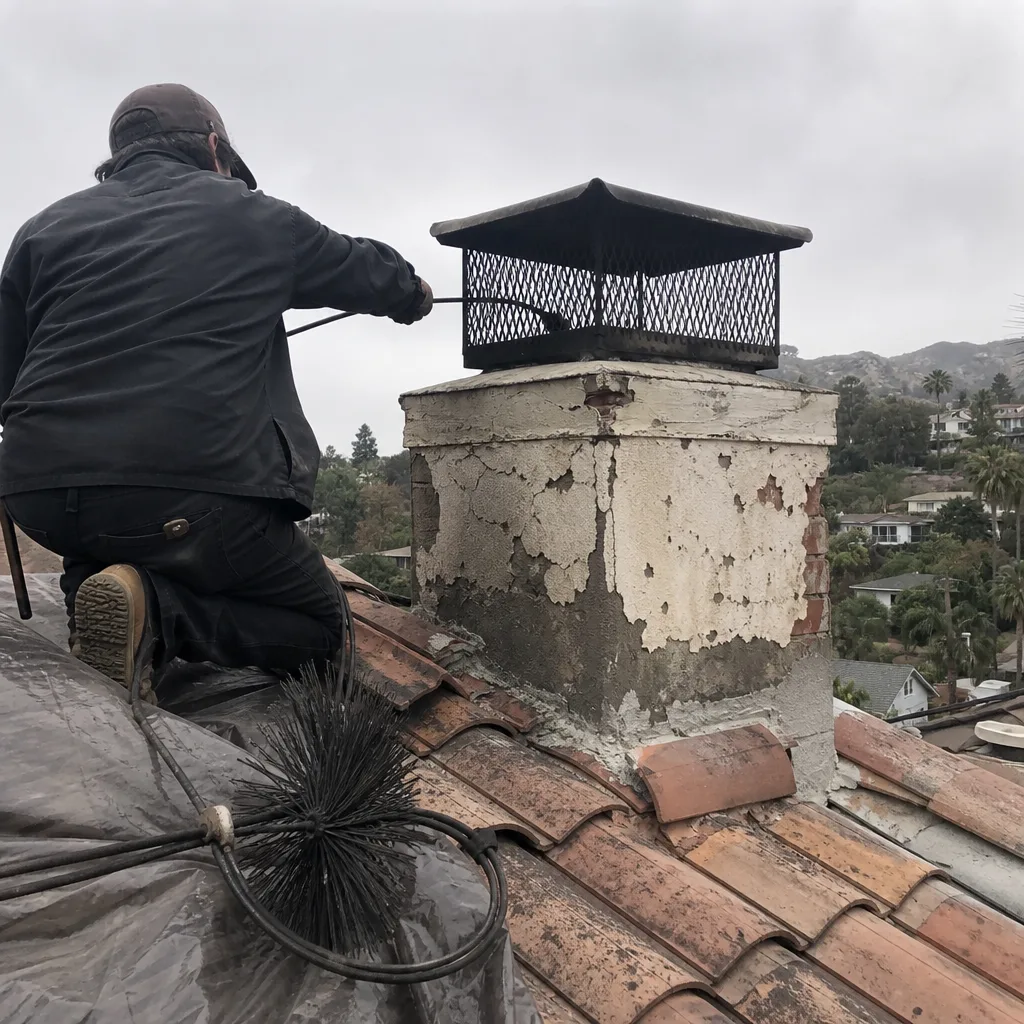 Before
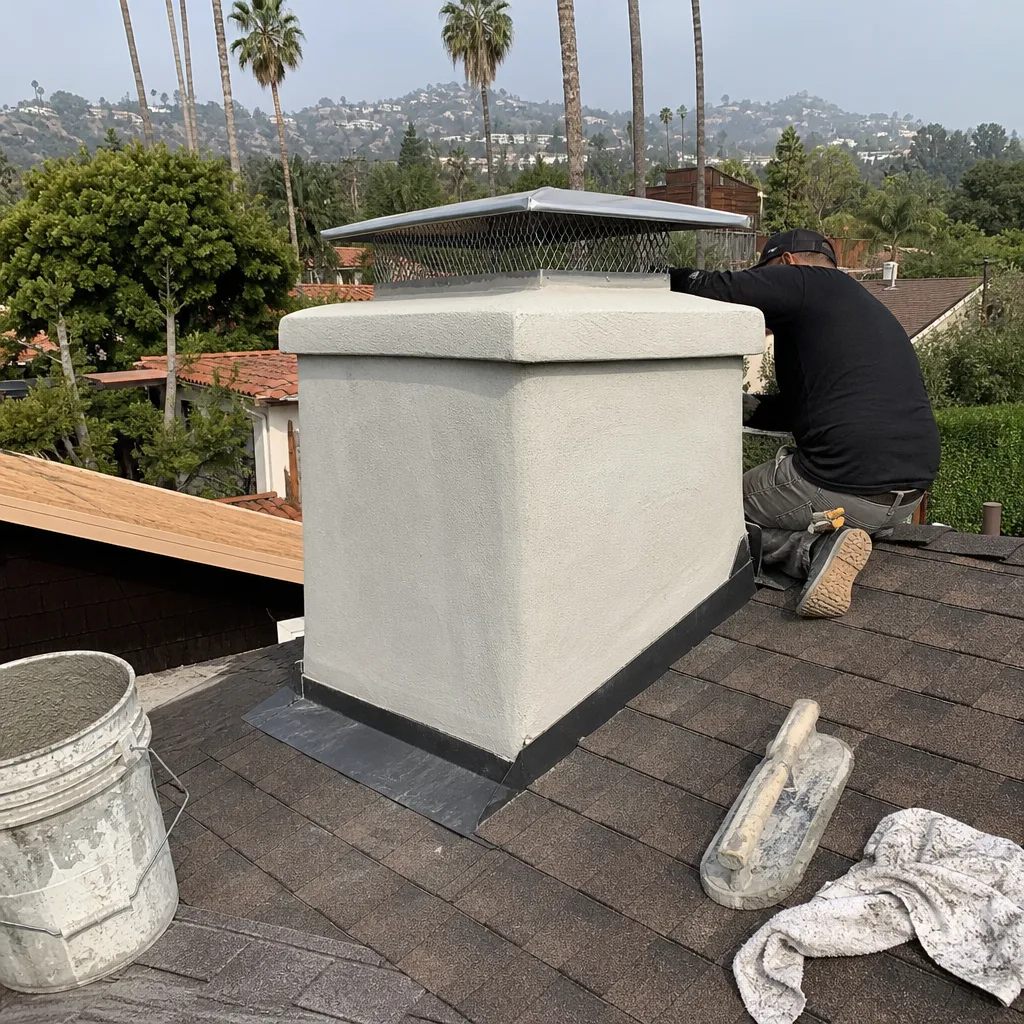 After
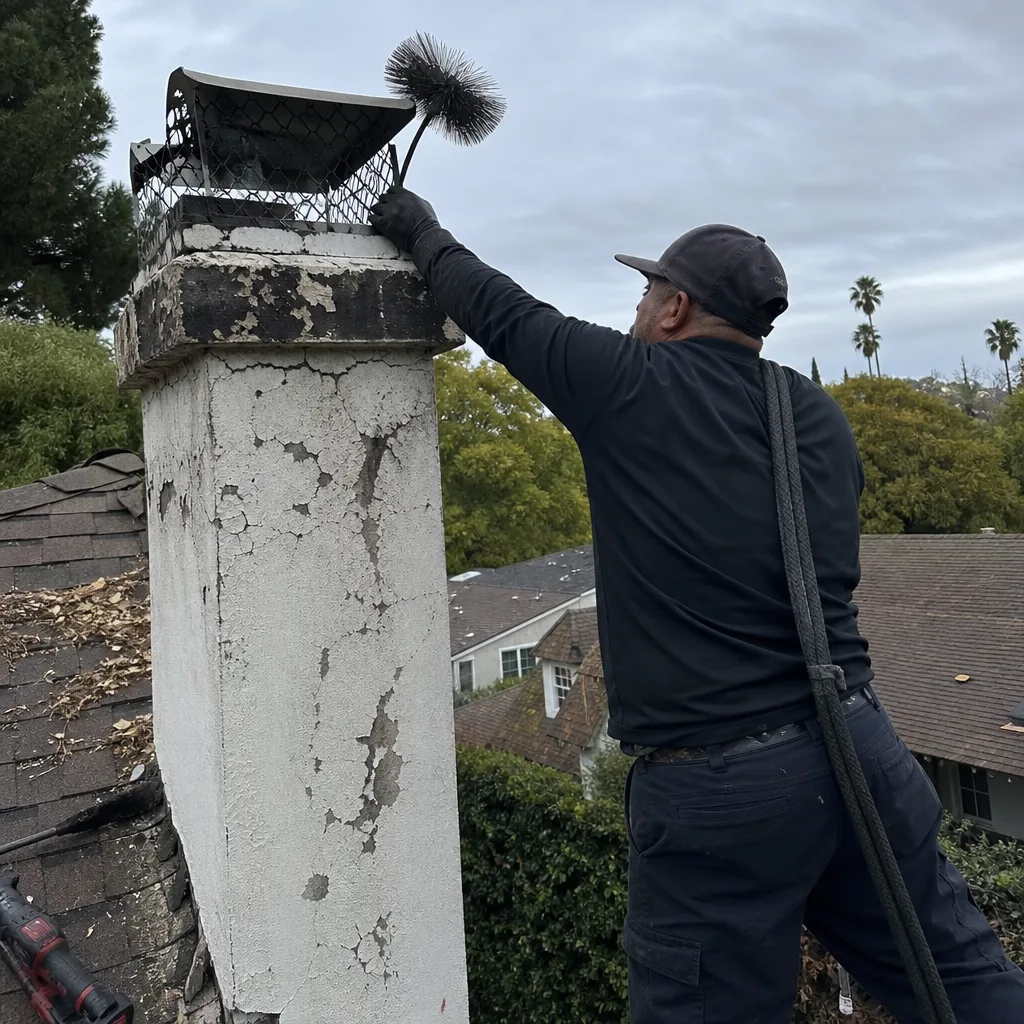 Before
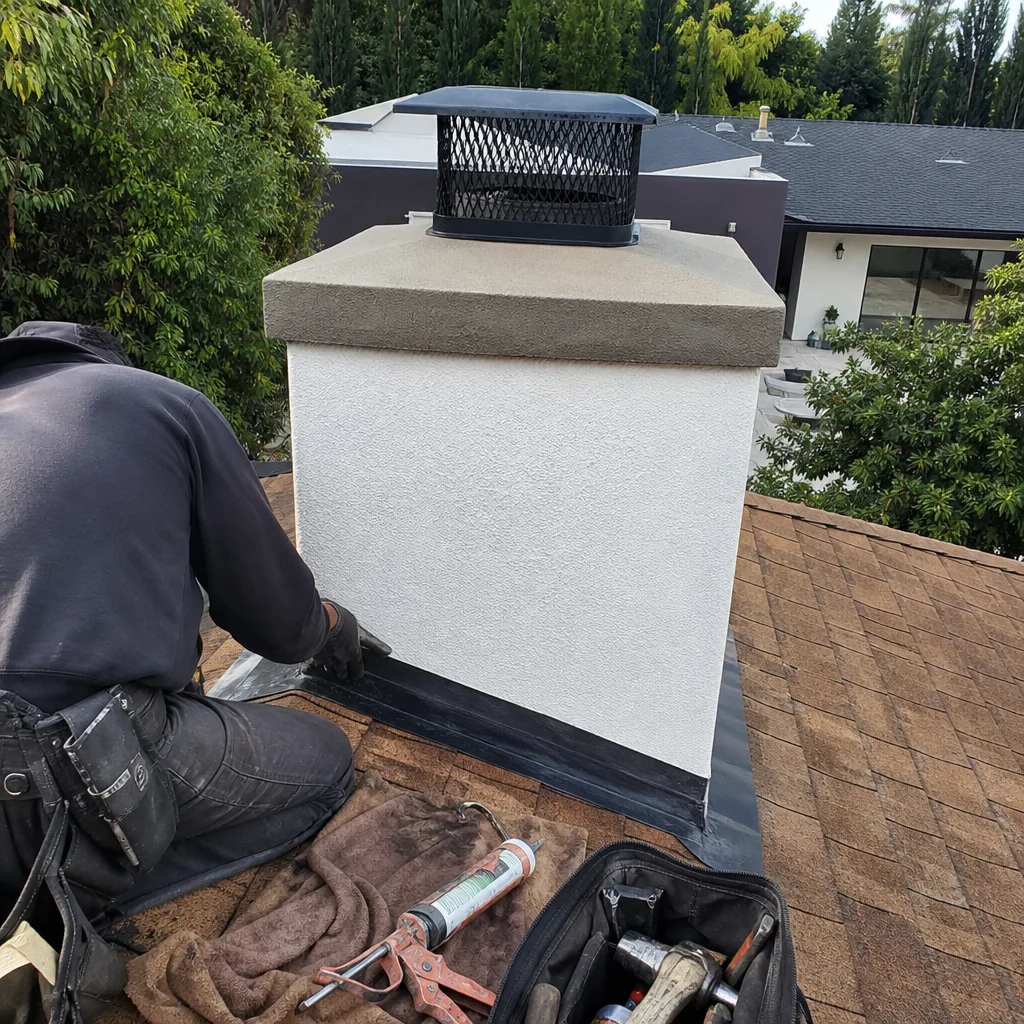 After
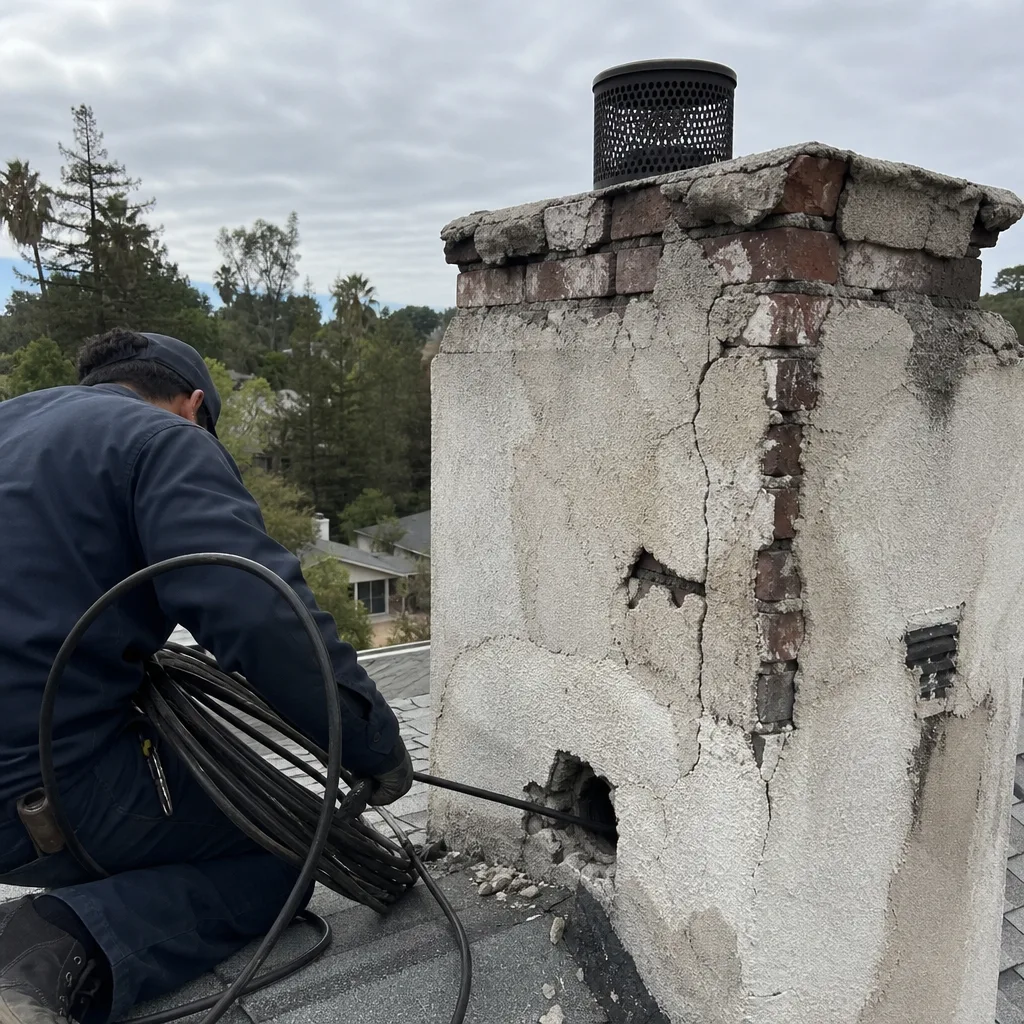 Before
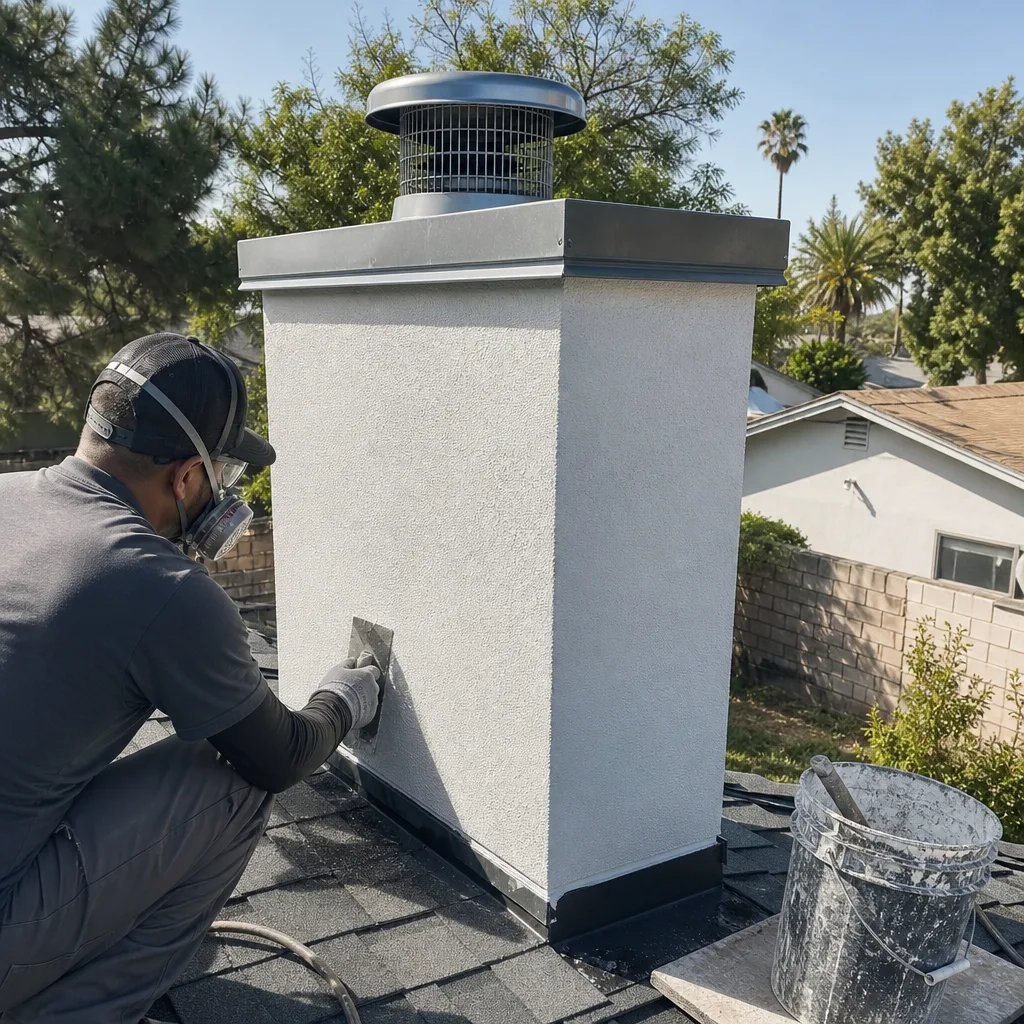 After
HeatShield Service Pricing in San Marino
HeatShield chimney cleaning and inspection in San Marino typically runs $200 to $350 for the sweep and camera inspection combined, depending on flue length and accessibility. A full HeatShield resurfacing application on a single-flue chimney generally falls between $2,500 and $5,000, driven by how much tile prep is required and whether crown work is needed. CeCure sleeves run higher because the flue damage is worse and the installation more involved.
What drives cost in San Marino specifically is the age of the chimney and the condition of whatever is underneath the existing liner. A 1920s flue that’s never been touched will need more prep than a 1960s one. Our free estimate includes a Level 2 camera inspection so you know exactly what you’re paying for before any coating goes on. Call (866) 520-4943 to book that estimate.
Serving San Marino, CA — Our Local Coverage Area
We’re based in the San Marino area and know this community well. We also provide East San Gabriel HeatShield service and cover surrounding communities. Use the map below to see our full service coverage — if you’re nearby, we can almost certainly help.
FAQs – HeatShield Chimney Cleaning in San Marino
Flaking HeatShield almost always means the original clay tiles underneath weren’t properly cleaned and primed before the coating was applied. San Marino’s 1920s liners carry decades of embedded soot, mineral deposits, and hairline fractures, and any one of those will break the bond. The fix is to remove the failed coating completely, prep the tile surface the way the manufacturer intended, and re-apply. We do this regularly. If you’re seeing flakes in your firebox, call (866) 520-4943 and we’ll camera the flue to confirm the extent before quoting anything.
Yes, and that’s the primary reason HeatShield exists. The ceramic compound is applied from inside the flue, so your fireplace surround, mantel, and exterior chimney brick stay completely untouched. This matters enormously in San Marino, where the City’s design review culture expects historic masonry to remain intact. We’ve completed HeatShield work on Period Revival estates without moving a single exterior brick.
Liner work typically falls under chimney repair, and requirements vary by project scope. What’s certain is that San Marino homeowners benefit from having documentation. We photograph every application and provide a written report showing what was done, what materials were used, and what condition the flue was in before and after. That record has helped homeowners answer questions from design review committees and insurance carriers. When you call (866) 520-4943, we’ll let you know what your specific project is likely to trigger.
The dry climate is actually good for HeatShield’s curing process, which likes low humidity. The challenge is the thermal cycling: hot Santa Ana spells followed by cool winter fires cause expansion and contraction stress at the bond line. If the original tiles weren’t prepped correctly, that cycling will expose the failure within a season or two. Properly applied HeatShield handles those swings fine. That’s why prep work and primer application matter more than the coating itself.
HeatShield keeps your existing clay-tile flue and restores it from the inside, preserving the chimney system’s original dimensions and masonry. A stainless liner inserts a new metal flue inside the old one, which changes the interior diameter and adds a visible cap at the top. For San Marino’s historic homes, HeatShield is often the better fit because it’s invisible and maintains the original structure. But if the flue is too far gone, we’ll tell you that honestly and recommend the stainless route instead. Call (866) 520-4943 if you want a camera inspection that settles which path applies to your chimney.
Service Areas Near San Marino
We serve San Marino from our San Marino service area, and we take HeatShield calls from across the San Gabriel Valley and beyond. Homeowners in Century City, Westwood, Sherman Oaks, and Culver City call us for liner restoration and chimney repair. We also handle HeatShield service in Del Aire and HeatShield service in Altadena for customers who want the same brand expertise closer to their own neighborhoods.
Book Your HeatShield Service in San Marino Today
On a 1928 Spanish Colonial estate near Lacy Park, our crew found a HeatShield-resurfaced flue from a prior contractor already peeling because the original clay tiles had not been properly prepared. We removed the failed coating, replaced two cracked tiles, re-applied HeatShield with proper primers, and documented every step for the homeowner’s records. That’s the level of care a San Marino chimney expects, and it’s what we deliver.
Nelson Quijada says it plainly: “A dirty flue isn’t a maintenance issue, it’s a fire waiting on a cold night.” If your HeatShield system needs a second opinion, a cleaning, or a full restoration, call (866) 520-4943. Free estimates, camera inspection included.
Written by Nelson Quijada, Owner at Firebrick Chimney Sweep, serving San Marino since the day we first opened our doors.